
Quick Summary: Most mini split problems are simple fixes like dirty filters or low battery remotes. Before calling a pro, check the power, clean the unit, and check the thermostat settings—you can often solve glitches yourself in minutes!
Is your mini split blowing warm air when you need cool relief? Maybe the unit is making a strange noise, or the remote control just isn’t cooperating. It is frustrating when home comfort breaks down. Many people worry that fixing an AC means expensive service calls right away. Don’t sweat it! As Jack from ACReviewHub.com, I promise to walk you through the common issues. We will break down the confusing stuff into easy steps. Let’s get your mini split running perfectly again without needing a big toolkit or a huge repair bill.
Why Mini Splits Are Awesome (And Why They Still Need TLC)
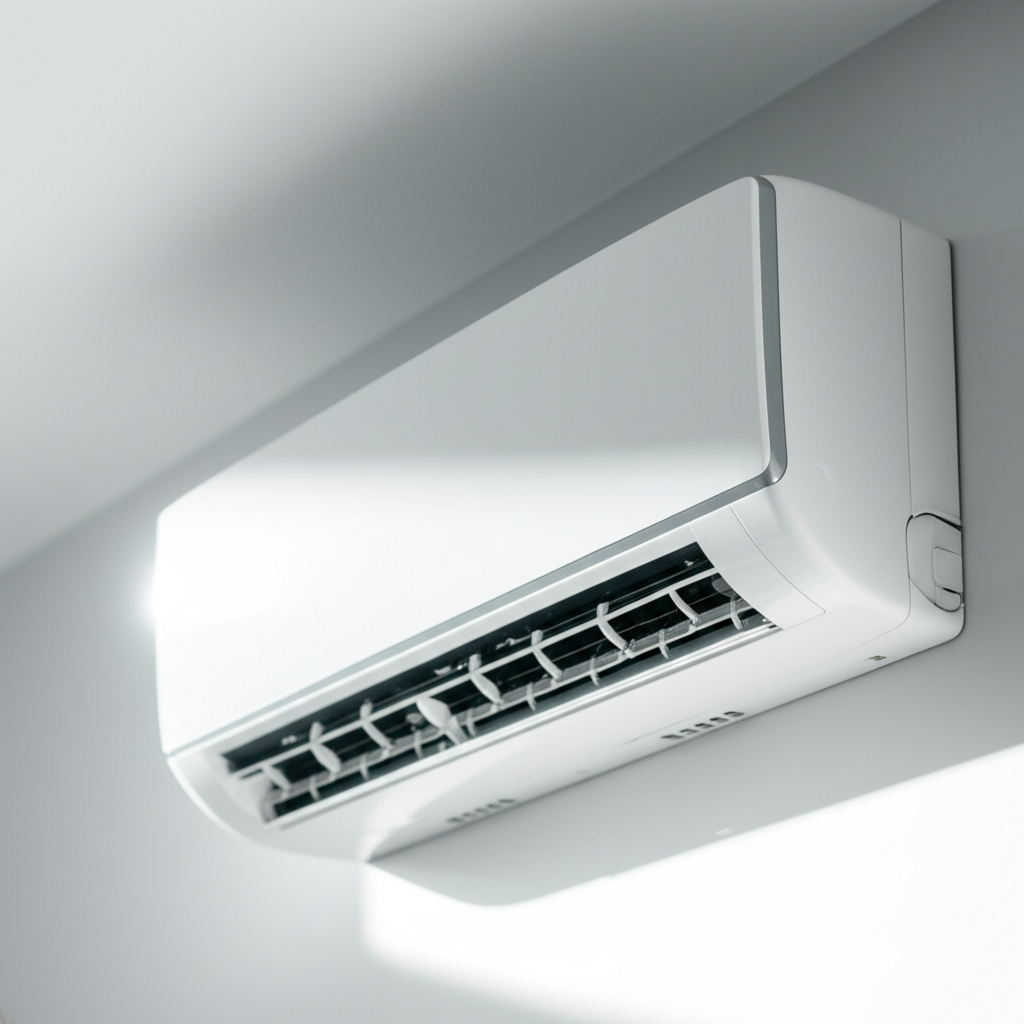
Mini splits are fantastic because they cool rooms very efficiently. They are ductless systems, meaning they are easy to install in many homes. They have two main parts: the inside unit (the head) and the outside unit (the condenser).
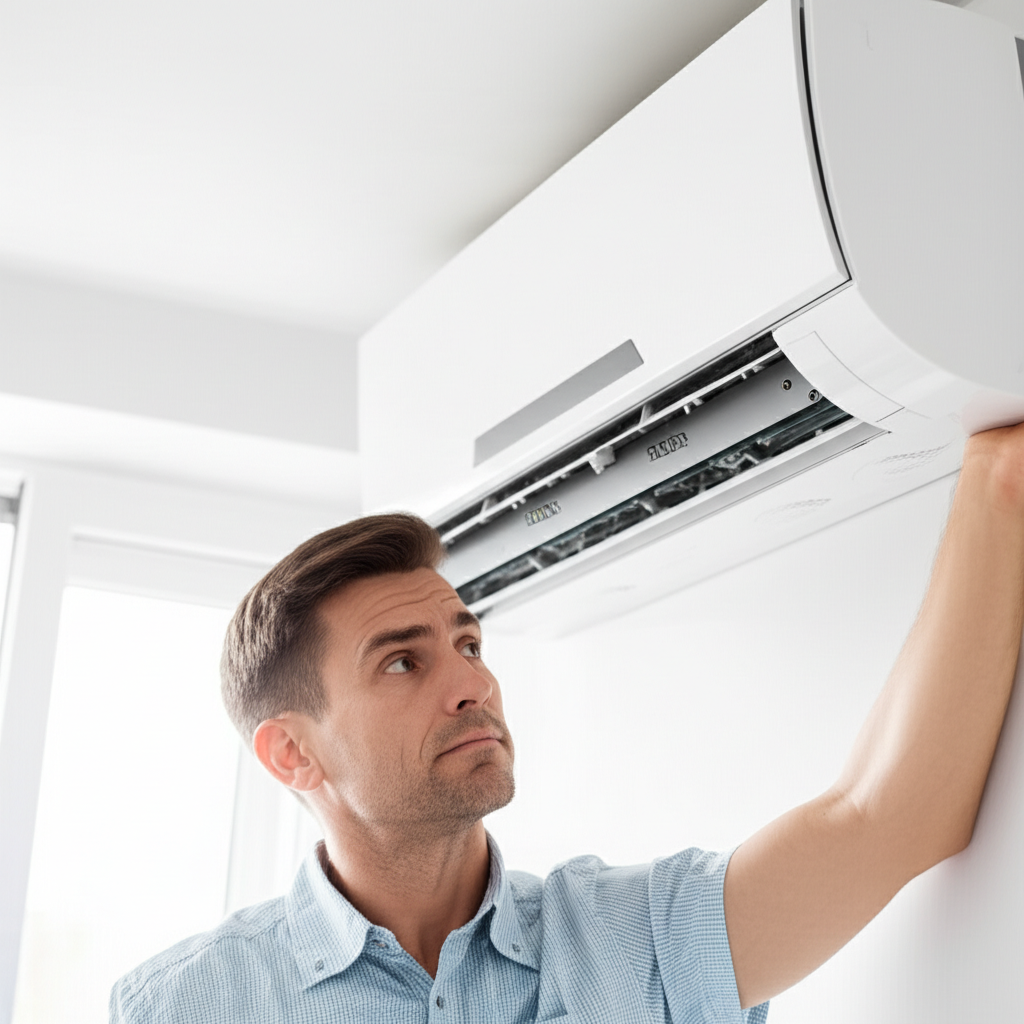
Even the best machines need a little attention sometimes. Think of it like your car; a quick check-up saves big problems later. Most small glitches come from simple things we can check right now.
First Check: The Basics Before You Panic
When things go wrong, always start with the easiest things first. This saves time and keeps you from overcomplicating the issue. These steps solve about half of all common AC complaints.
Power and Remote Control Checks
Your remote is the brain of the operation. If it fails, the AC doesn’t know what to do. Check the batteries first.
- Replace the remote batteries, even if you think they are fine. Old batteries give weak signals.
- Make sure the main power switch for the outdoor unit is turned ON. Sometimes contractors turn this off.
- Check your circuit breaker box. A tripped breaker will stop the whole system.
Setting the Right Temperature
It sounds silly, but sometimes we forget how we set the mode. Make sure you are set to “Cool” mode, not “Fan” or “Dry” mode. Also, ensure the temperature setting is lower than the current room temperature.
Fixing Poor Cooling: Is It Ice or Dirt?
If your mini split is running but the air coming out is weak or not cold, you probably have an airflow or refrigerant issue. We can check the airflow part easily.
Step 1: Clean Those Air Filters
Dirty filters are the number one cause of poor cooling. They block air from moving over the cold coils inside the unit.
- Turn the power OFF to the indoor unit first. Safety is key!
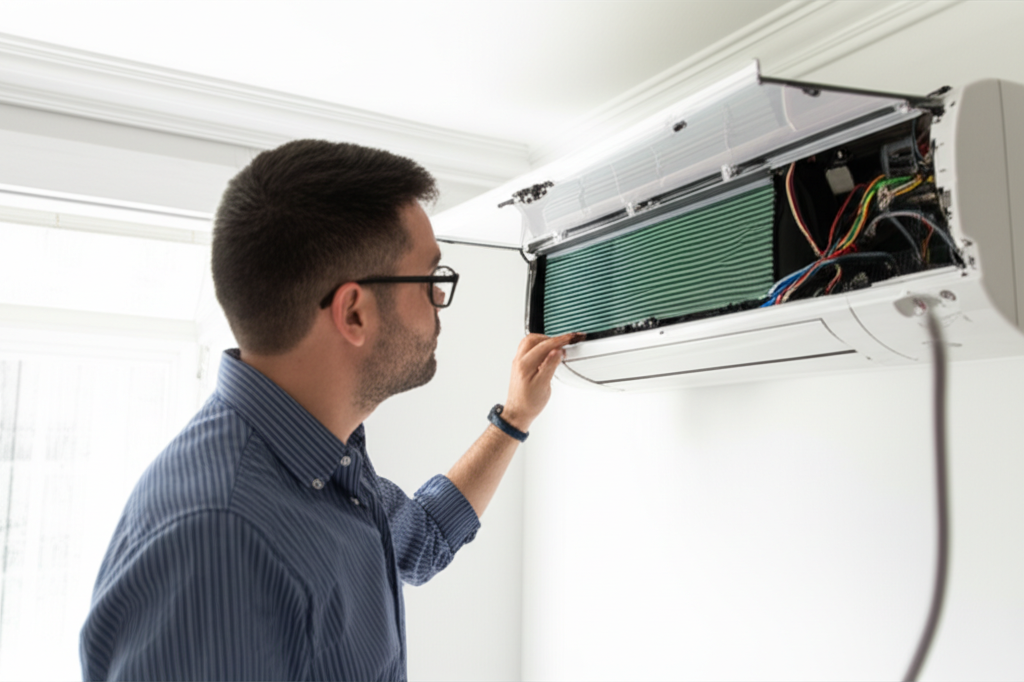
- Carefully open the front cover of the indoor unit.
- Slide out the mesh filters. They usually look gray or dusty.
- Rinse them gently under warm water with a little dish soap if they are very greasy.
- Let them dry completely before sliding them back in. Never put wet filters back in.
Step 2: Check the Outdoor Unit (Condenser)
The outdoor unit needs fresh air to push the heat away. If it’s covered in leaves or grass clippings, it works too hard.
- Turn OFF the power to the outside unit at the breaker.
- Look around the unit. Gently remove any large debris like leaves or tall grass.
- Do NOT spray water directly into the fins or electrical parts. A gentle hose spray pointing away from the house can clear dust if necessary.
Decoding Common Mini Split Symptoms
Different noises and actions mean different things. Here is a quick guide to help you match the symptom to the likely fix.
| Symptom | Most Likely Cause | Beginner Fix |
|---|---|---|
| Unit runs, but air is warm | Dirty filter or low refrigerant | Clean filter; check breaker. |
| Unit won’t turn on at all | No power or tripped breaker | Check circuit breaker box. |
| Unit is dripping water inside | Clogged drain line or frozen coil | Check if filter is blocked (frozen coil); clear drain line if possible. |
| Unit keeps turning on and off (short-cycling) | Thermostat set too high/low, or unit is oversized | Adjust thermostat setting slightly; check for obstructions near the indoor sensor. |
When to Call the Pro: Knowing Your Limits
While many issues are DIY fixes, some things require a licensed technician. Don’t try to mess with the sealed refrigerant lines; that is dangerous and requires special tools.
You should call an HVAC professional if you notice:
- The unit is constantly freezing up, even after cleaning the filters.
- You hear loud grinding or squealing noises from the outside unit.
- The system displays an error code on the indoor unit’s screen that you cannot clear.
- You suspect a refrigerant leak (often indicated by very weak cooling despite the system running constantly).
For more detailed information on efficiency and system sizing, the Department of Energy offers great resources on heat pump technology, which is similar to mini splits (Energy.gov Mini Splits Guide).
Tips for Easy Mini Split Installation (If You Are Upgrading)
If you are installing a new ductless system, a professional job ensures long-term reliability. Here is what a good install involves:
| Step | Importance |
|---|---|
| Proper Line Set Sizing | Using the correct copper tubing diameter is vital for efficiency. |
| Vacuuming the Lines | Removing all air and moisture from the lines before charging with refrigerant. This is crucial. |
| Secure Mounting | The outdoor unit must be level and firmly attached to prevent vibration noise. |
| Testing and Leak Check | The technician must confirm no refrigerant is leaking out after connections are made. |
FAQ: Quick Answers for New Mini Split Owners
Here are some common questions I hear from folks just getting started with mini splits.
Q: How often should I clean my filters?
A: In heavy use months (summer/winter), check them monthly. If they look dusty, wash them. Aim for cleaning every 30–90 days.
Q: Why does my indoor unit sometimes blow air for a few minutes after I turn it off?
A: That’s usually the anti-mold or anti-sweat feature. It runs the fan briefly to dry out the internal parts, which prevents mildew growth. It’s a good thing!
Q: What does “dehumidify” or “dry” mode do?
A: This mode pulls moisture out of the air without making the room too cold. It’s perfect for damp, muggy days when you just need less stickiness.
Q: My remote screen is blank. Is the AC broken?
A: Probably not! Change the batteries first. If that doesn’t work, check if the indoor unit has a physical power button you can press as a backup test.
Q: Can I run my mini split 24/7?
A: Yes, running it continuously at a steady, comfortable temperature is often more efficient than turning it off and letting the house get hot, then blasting it later.
Q: What is the ideal temperature setting?
A: For comfort and efficiency, most folks find 74°F to 76°F (23°C to 24°C) works great in the summer. Consistency saves energy.
Final Thoughts on Keeping Your Cool
See? Troubleshooting your mini split doesn’t have to be a headache. Most of the time, the solution is just a quick filter clean or a fresh set of batteries. By staying on top of simple maintenance, you protect your investment and keep your energy bills low.
Remember to treat your mini split gently, check those filters regularly, and don’t hesitate to call a certified expert when you see real mechanical trouble. Keep up these simple habits, and you’ll enjoy perfect comfort all year long. Stay cool out there!
