
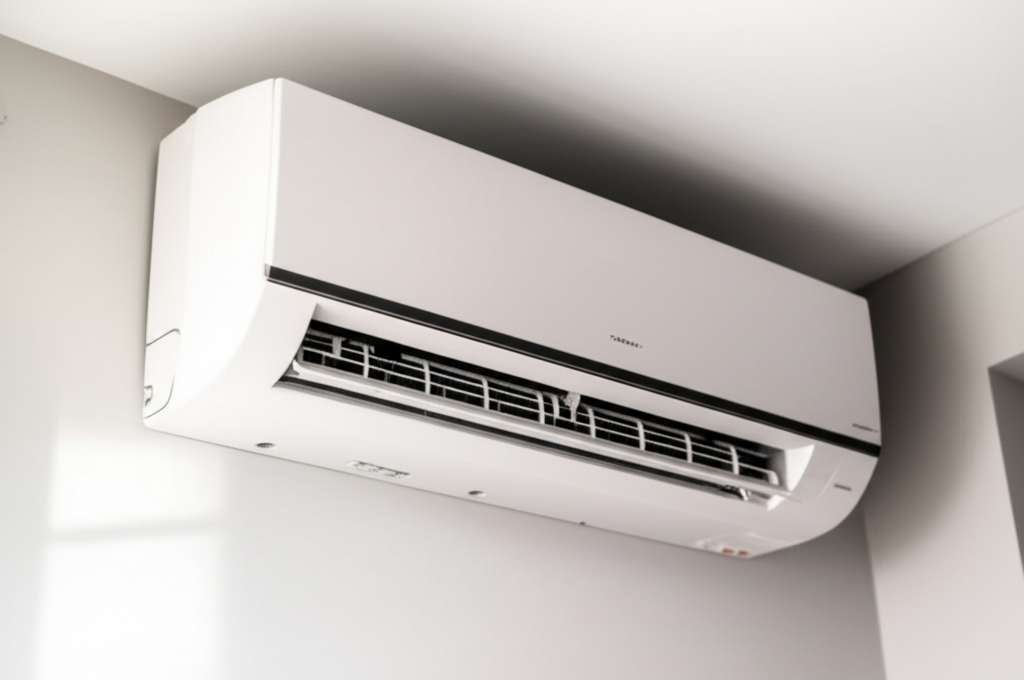
Is your mini-split suddenly noisy? Usually, it’s just dirt, loose parts, or ice buildup, which you can often fix yourself with a quick check. Don’t panic; we’ll walk through the simple fixes now!
Hey there! I’m Jack from ACReviewHub.com. It’s tough when your cool air machine starts making weird sounds. You want peace and quiet, not a rattling concert every time you turn on the AC.
Learning about your air conditioner doesn’t have to feel like rocket science. We break down all the confusing AC stuff into easy steps. Today, we are tackling that noisy mini-split.
We will look at the most common noises, what causes them, and exactly how to fix them—fast. Let’s get your quiet comfort back!
Why Is My Mini-Split Making Strange Noises? The Top Culprits
Mini-splits are usually super quiet, which is why any noise stands out. These systems have two main parts: the inside unit (the air handler) and the outside unit (the condenser).
The sound is often a clue pointing exactly where the problem lives. We need to listen closely to figure out if the noise is coming from inside or outside the house.
Inside Unit Noises: What’s Happening in Your Room?
The indoor unit handles blowing the air across your room. These noises are often related to airflow or drainage.
Rattling or Vibrating Sounds
A rattling sound usually means something is loose. Think of it like a loose screw on a toy.
- Loose Panel or Cover: Check if the front cover or filter housing is snapped in correctly.
- Debris in the Blower Wheel: Dust or a small piece of plastic can get stuck near the fan blades.
- Vibrating Mounting Bracket: The screws holding the indoor unit to the wall might have loosened over time.
Ticking or Clicking Noises
These are often normal sounds, but sometimes they signal a small issue starting up.
- Normal Expansion: When the unit starts or stops, the plastic heats up or cools down quickly, causing it to “tick” as it expands or contracts. This is usually harmless.
- Relay Switch: The thermostat control board clicks when turning the compressor on or off.
Gurgling or Bubbling Sounds
This noise almost always relates to water or refrigerant moving inside the lines.
- Refrigerant Flow: If you hear water-like sounds, it might be the refrigerant (the special liquid that cools the air) moving through the coils. This is often normal, especially when the unit first starts.
- Clogged Condensate Drain Line: If the drain tube gets blocked with algae or sludge, water backs up and gurgles. This is a fixable problem!
Outside Unit Noises: The Condenser’s Complaints
The outside unit is where the heavy lifting happens—compressing the refrigerant and moving heat. These noises are often louder and more serious.
Screeching or High-Pitched Squealing
This is often a warning sign that something needs lubrication or replacement soon.
- Bad Fan Motor Bearings: The fan that cools the outside coils has bearings that wear out. When they go bad, they squeal loudly.
- Motor Issues: The fan motor itself might be struggling to turn due to age or damage.
Loud Buzzing or Humming
A loud, steady buzz often points toward electrical trouble or a struggling compressor.
- Electrical Connection: Loose wiring in the disconnect box or at the unit terminals can cause a loud hum.
- Start Capacitor Failure: The capacitor helps the compressor start up. If it’s failing, the compressor might buzz but not turn on fully.
Clanking or Banging Noises
This is usually the scariest noise, as it suggests metal hitting metal.
- Loose Compressor Parts: Inside the compressor, internal parts might be failing. This is a serious issue requiring professional help.
- Fan Hitting Debris: Leaves, twigs, or even a stray piece of plastic might have fallen into the outside unit and are hitting the fan blades.
Urgent Fixes: Simple Steps You Can Take Right Now
Before you call a technician, let’s check the easy stuff. Safety first! Always turn off the power to the unit at the circuit breaker before opening any panels.
Step 1: Check the Filters and Panels (Inside Unit)
Dirty filters restrict airflow, making the fan work harder and louder.
- Turn off the power at the breaker.
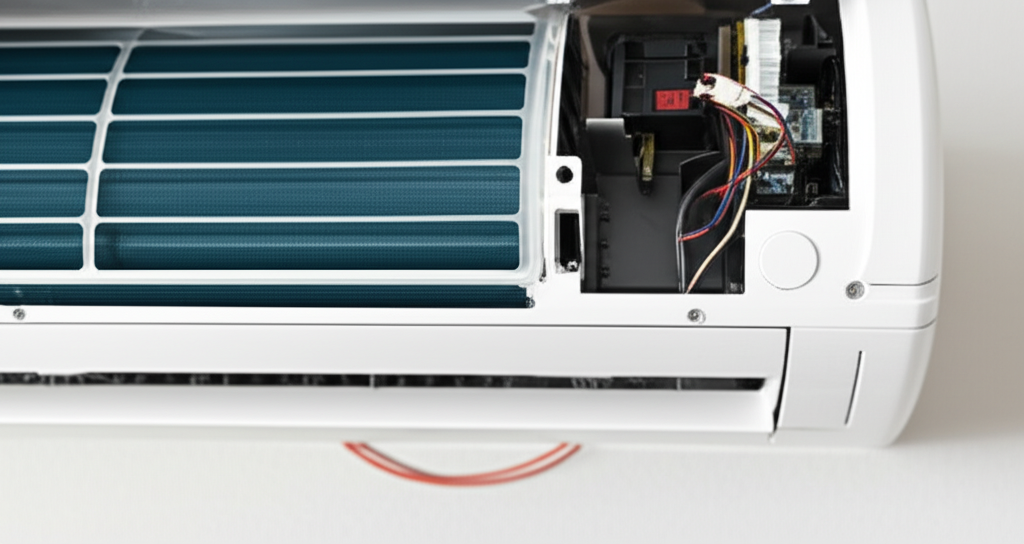
- Gently open the front panel of the indoor unit.
- Pull out the reusable filters. Wash them gently with warm, soapy water and let them dry completely.
- While the filters are out, look closely at the blower wheel. Is there visible dust buildup or debris stuck to the fins? Use a soft brush or vacuum nozzle to carefully clean it.
- Ensure all panels snap securely back into place when you close it up.
Step 2: Clear Debris from the Outdoor Unit
The outside unit needs clear breathing space. Overgrowth or debris can cause fan imbalance or block airflow.
- Turn off the power at the breaker box for safety.
- Look around the base of the unit. Remove any tall grass, leaves, or sticks piled up against the sides. You need at least two feet of clear space all around.
- Carefully look through the metal grates. If you see a large branch or large leaves touching the fan blades, use long tongs or pliers (with power OFF!) to gently pull the debris out.
Step 3: Inspect the Condensate Drain Line
If you hear gurgling, water might be stuck.
- Locate where the thin PVC drain pipe exits your house (usually near the outside unit or through a wall).
- If you see water pooling near the indoor unit or hear gurgling, the line is likely blocked.
- You can try to gently suck on the end of the drain line (the outside exit) to pull out the clog, or use a wet/dry vacuum on the line to pull the blockage through.
Step 4: Tighten Mounting Screws (If Safe)
If you hear rattling from the inside unit, a simple tightening might fix it.
- With the power off, gently press on the plastic casing of the indoor unit. If it wiggles, the mounting screws might be loose.
- You may need a long screwdriver to reach the mounting bracket screws located just behind the unit against the wall. Tighten any screw that feels loose. Do not over-tighten, or you could crack the plastic.
When to Call an AC Professional
Some noises mean the system needs expert help. If you try the simple fixes and the noise continues, it is time to call a licensed technician.
You should call a pro immediately if you hear these specific sounds:
- Loud, constant grinding or banging from the outdoor unit.
- A persistent, loud electrical buzzing that smells hot.
- The unit is running but blowing warm air along with the noise.
To help you understand how much cooling power you need, here is a quick guide:
| Room Size (Square Feet) | Recommended Mini-Split Size (BTUs) |
|---|---|
| 150 – 250 sq ft | 5,000 – 6,000 BTU |
| 250 – 350 sq ft | 7,000 – 8,000 BTU |
| 350 – 550 sq ft | 9,000 – 12,000 BTU |
For more detailed information on AC efficiency and noise reduction standards, check out resources like Energy.gov’s Heating and Cooling Section.
Understanding Common AC Noises: Quick Reference Guide
This table helps match the sound to the likely source so you know what to expect.
| Symptom/Noise | Most Likely Cause | DIY Fix Possible? |
|---|---|---|
| Ticking/Clicking | Normal thermal expansion | Yes (Ignore if short-lived) |
| Gurgling/Bubbling | Refrigerant movement or clogged drain | Yes (Check drain line) |
| Rattling | Loose panel or debris in blower wheel | Yes (Check filters/panels) |
| Screeching/Squealing | Failing fan motor bearings (Outdoor) | No (Call a pro) |
| Loud Banging/Clanking | Internal compressor or fan blade hitting something | No (Call a pro) |
Frequently Asked Questions About Noisy Mini-Splits
Q1: How loud is a normal mini-split supposed to be?
A normal, healthy mini-split should be very quiet, usually around 20 to 40 decibels (dB). That’s quieter than a whisper!
Q2: Can I run my mini-split if it’s making a strange noise?
If the noise is minor (like a slight tick), you can probably run it while you check the filters. If it’s loud, grinding, or buzzing loudly, turn it off immediately to prevent bigger damage.
Q3: Why does my unit only make noise when it starts up?
This is usually the normal sound of the refrigerant changing pressure or the plastic expanding due to the temperature shift. If it stops after a few minutes, it’s fine.
Q4: What is the most common reason for a rattling noise?
Ninety percent of the time, a rattle inside the house is caused by a loose filter cover or dust buildup on the fan blades inside the unit.
Q5: Is it safe to clean the outside unit myself?
Yes, clearing leaves and debris is safe, but you must always shut off the main breaker first. Never spray water directly into the electrical components.
Q6: How often should I clean the indoor filters?
For best performance and quiet operation, clean the filters once a month during heavy use seasons (summer and winter).
Taking a few minutes to listen to your AC unit is the best way to catch small problems before they turn into big, expensive headaches. Consistency is key in AC care.
By following these simple checks, you are already halfway to being an AC pro. Keep it clean, keep it tight, and enjoy your cool, quiet home!
