
Mini Split Vs Heat Pump Difference: The Shocking Truth
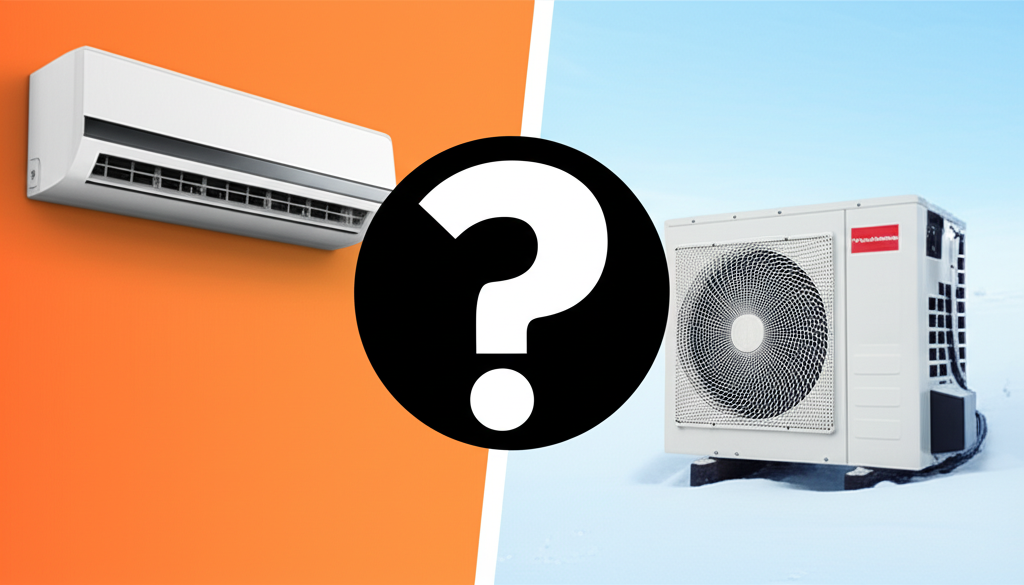
The shocking truth is simple: A mini-split can be a heat pump, but not all mini-splits offer heating. The key difference lies in the heating function. A heat pump always heats and cools, while a standard mini-split might only cool.
Are you staring at confusing AC brochures right now? It feels like everyone is talking about “mini-splits” and “heat pumps,” and you just want to stay cool without breaking the bank. Dealing with new HVAC terms can be a real headache.
Don’t worry one bit. I’m Jack from ACReviewHub.com, and I’ve seen it all. We are going to clear up this confusion right now. By the time you finish reading, you will know exactly what you need for your home.
Unpacking the Names: What Exactly is a Mini-Split?
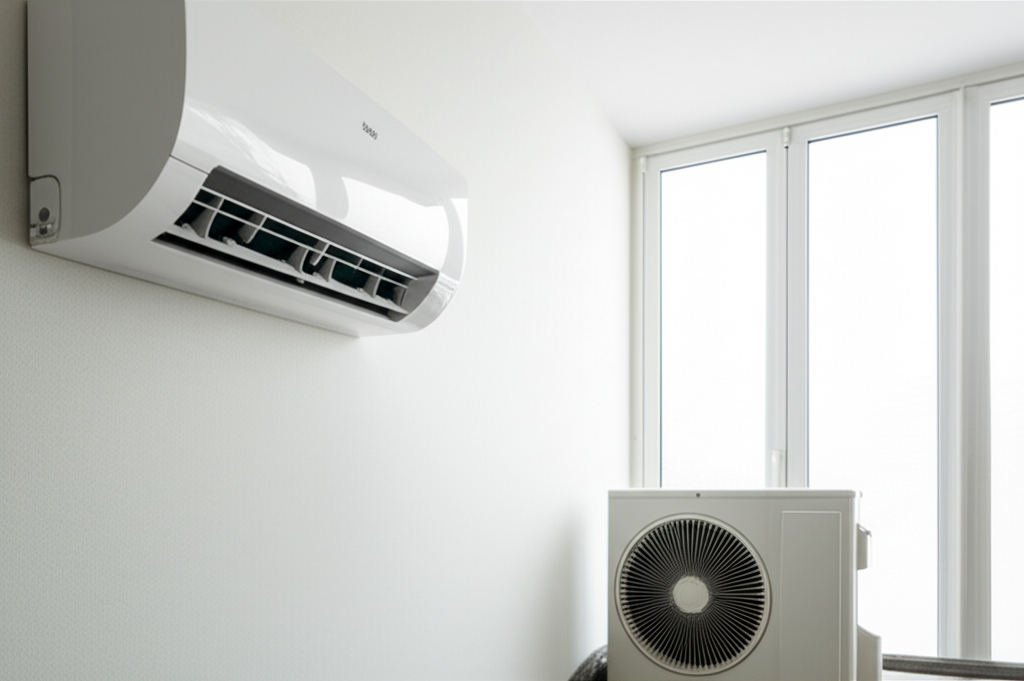
Think of a mini-split as a type of air conditioner. It is special because it has two main parts. One part sits outside, and one part sits inside your room.
These two parts connect with a small, thin set of pipes. This is why we call them “ductless.” They do not need those big, dusty metal ducts that run through your attic or walls.
This setup is super flexible. You can put one in a single room, or you can use several units for a whole house. It gives you great control over the temperature in each space.
The Big Question: Is a Heat Pump Just a Fancy AC?
This is where most people get tripped up. A heat pump is a machine that can both heat and cool your home efficiently. It is not just an AC unit.
An air conditioner moves heat from inside your house to the outside air. That makes your room cool down. A heat pump does that same job perfectly.
But when it gets cold outside, the heat pump can reverse its job. It pulls heat energy from the outside air—even when it’s chilly—and pumps it inside. That is the magic!
Mini Split Vs Heat Pump Difference: The Shocking Reveal
Here is the simple breakdown you need. It is not an either/or situation most of the time.
Many modern mini-split systems are also heat pumps. We call these “Ductless Mini-Split Heat Pumps.” They are very popular because they handle both jobs well.
However, you can buy a mini-split that is designed only to cool. These are cheaper upfront but won’t help you when winter comes. You must check the model’s specifications.
How to Tell If Your Mini-Split Can Heat
Look for specific words on the product label or in the manual. If you see these terms, you have a heat pump function:
- Heat Pump Model
- Reversible Cycle
- Heating Mode Available
- HSPF Rating (Heating Seasonal Performance Factor)
If you only see SEER (Seasonal Energy Efficiency Ratio), it probably only cools.
Why Choosing a Heat Pump Style Mini-Split Saves You Money
If you are buying new equipment, always lean toward the mini-split that offers heating (the heat pump version). Here’s why.
Traditional furnaces burn fuel (like gas or oil) to create heat. This costs money and creates emissions. Heat pumps just move existing heat around. Moving heat is much cheaper than creating heat.
For mild to moderately cold climates, a heat pump is often the most energy-efficient way to stay warm in the winter.
Energy Savings Comparison (Cooling vs. Heating)
This table shows you why heat pumps are smart choices for year-round comfort:
| System Type | Primary Energy Source | Efficiency (General Idea) |
|---|---|---|
| Standard AC (Cooling Only) | Electricity (to run compressor) | Good cooling efficiency (High SEER) |
| Ductless Mini-Split Heat Pump | Electricity (to move heat) | Excellent cooling AND heating efficiency (High SEER & HSPF) |
| Gas Furnace | Natural Gas or Oil | Good heating, but fuel costs vary widely |
Choosing the Right Size: BTU Basics for Beginners
No matter if you pick a cooling-only mini-split or a heat pump model, you must get the right size. Too small, and it runs constantly. Too big, and it cools too fast, leaving your room humid and sticky.
We measure AC power in BTUs (British Thermal Units). More BTUs mean more cooling power.
Here is a very simple guide for room size. Always consult the manufacturer for precise advice, but this gets you started:
| Room Size (Square Feet) | Approximate BTU Needed |
|---|---|
| 150 to 250 sq ft | 6,000 to 8,000 BTUs |
| 250 to 400 sq ft | 9,000 to 12,000 BTUs |
| 400 to 550 sq ft | 14,000 to 18,000 BTUs |
For more detailed government guidance on sizing equipment, check out resources from the U.S. Department of Energy.
Simple Steps for Installing Your New Ductless System
Installing these units is usually best left to licensed professionals. However, understanding the basic steps helps you talk confidently with your contractor.
- Site Survey: The technician measures your room and checks where the indoor and outdoor units can safely connect.
- Mounting the Indoor Unit: The head unit is placed high on an interior wall, away from direct sunlight or drafts.
- Setting the Outdoor Unit: The condenser/compressor is secured on a stable pad or bracket outside the home.
- Line Set Connection: The refrigerant lines, power cable, and condensate drain line are run through a small hole in the wall, connecting the two units.
- Vacuum and Charge: The lines are vacuumed to remove all air and moisture, and then the system is charged with the correct amount of refrigerant.
- Testing: The unit is tested in both cooling and heating modes (if applicable) to ensure proper function.
Easy Maintenance to Keep Your System Happy
The best way to save money and avoid repair calls is simple upkeep. You can handle most of this yourself!
Remember, a clean filter means less work for your machine, which means lower energy bills.
- Clean Filters Monthly: Slide out the indoor unit’s filters and wash them with warm, soapy water. Let them dry completely before putting them back.
- Check the Outdoor Unit Quarterly: Make sure the area around the outdoor unit is clear of leaves, grass clippings, and debris. Give it at least two feet of open space.
- Inspect the Drain Line Annually: This line removes the water collected during cooling. Make sure it isn’t clogged or kinked so water doesn’t back up inside.
- Schedule Pro Checkup: Have a certified technician inspect the refrigerant levels and electrical connections once every few years.
Troubleshooting: When Your Mini-Split Acts Funny
Sometimes things just stop working right. Before calling for expensive service, try these quick checks related to common problems.
| Symptom | Likely Cause (Start Here!) |
|---|---|
| Not cooling well | Dirty air filter or thermostat set too high. |
| System won’t turn on | Check the circuit breaker or the remote batteries. |
| Water dripping inside | Clogged condensate drain line or the unit is frozen over (in heating mode). |
| Unit makes strange noises | Loose panel screws or debris hitting the outdoor fan. |
If you have a heat pump and it won’t blow warm air when it’s very cold outside (below 30°F), this can be normal. Some models need backup heat in extreme cold. You can learn more about heat pump performance limits at the Energy.gov website.
Common Beginner Mistakes to Avoid
I’ve helped folks fix problems that only cost them time and money because they made one of these simple mistakes:
- Ignoring the Remote: Thinking the unit is broken when it’s just set to “Fan Only” mode instead of “Cool” or “Heat.” Always double-check the remote settings!
- Skipping Filter Cleaning: Letting the filters get completely clogged. This strains the compressor and uses way more electricity.
- Placing Furniture Too Close: Blocking the airflow from the indoor unit or blocking the outdoor unit. Air needs to move freely.
- Setting the Thermostat Too Low (or High): Constantly adjusting the temperature up and down confuses the system and wastes energy. Set it once and let it maintain.
Frequently Asked Questions from New Owners
- Is a mini-split heat pump noisy?
- Generally, no. They are much quieter than window units. The indoor unit hums softly, and the outdoor unit sounds like a quiet central AC.
- Can I use a mini-split heat pump if I live where it snows a lot?
- Yes, many modern models are “cold climate” rated and work well down to 5°F or even lower. Check the HSPF rating!
- How long do these systems usually last?
- With good maintenance, a quality mini-split or heat pump can last 12 to 15 years, sometimes longer.
- Do I need a separate furnace if I get a heat pump?
- In very cold regions, many homeowners keep a backup furnace, but for most moderate climates, the heat pump handles everything.
- What is the “ductless” benefit?
- You save energy because you aren’t losing conditioned air through leaky ducts in your attic or basement. You only heat or cool the rooms you are actually using.
See? That was much easier than those complicated manuals make it sound. The main takeaway is this: A mini-split is the style of AC, and a heat pump is the capability (heating and cooling).
By understanding this one difference, you are already ahead of the game. Keep up with that simple filter cleaning, and your system will reward you with years of comfort and low bills. Happy cooling!
