
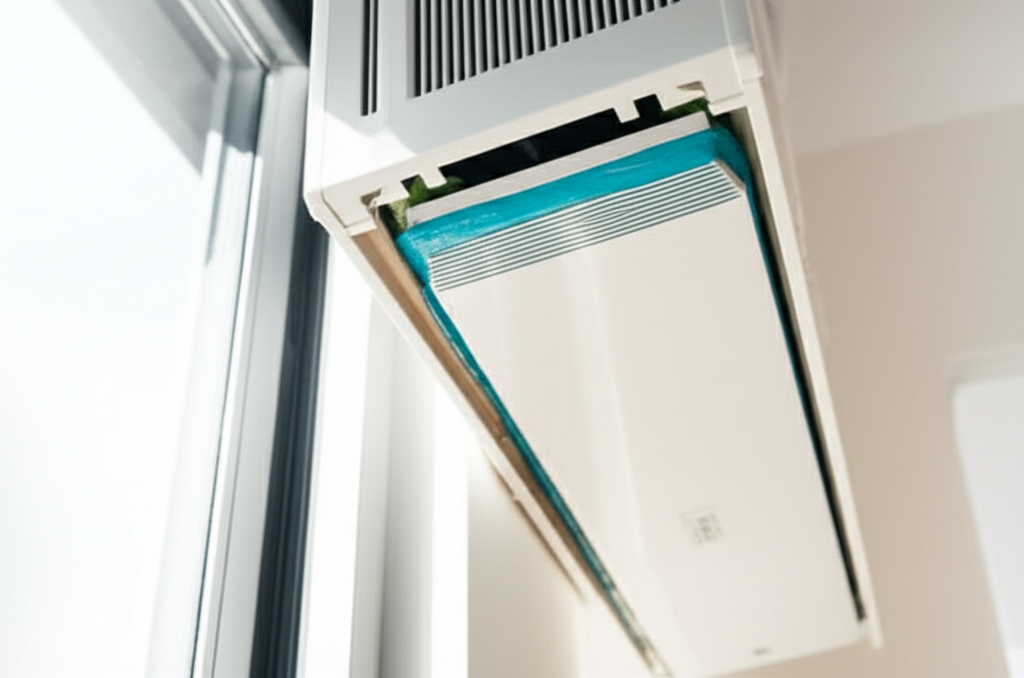
Quick Fix: Insulating window AC gaps is simple using foam board, weatherstripping, or expanding foam. This stops air leaks, keeps cool air in, saves energy, and lowers your electric bill fast.
Are you noticing your window AC unit is working overtime? Maybe your cool air is sneaking out around the sides. That is frustrating, especially when you see your energy bill climbing higher each month. Don’t worry; this is a super common issue for window AC owners.
These small gaps let hot air sneak in and cool air sneak out. Fixing them is much easier than you think. I’m Jack from ACReviewHub.com, and I promise to show you exactly how to seal those leaks without needing fancy tools or a ton of cash.
We will go through the best, easiest materials to use. Then, we will look at a simple, step-by-step plan to get your unit sealed up tight today. Let’s dive in and start saving you money!
Why Sealing Window AC Gaps is Your Cooling Secret Weapon
When you install a window AC, there are always small spaces left around the edges. These gaps are a direct path for outside air to come inside.
When hot air gets in, your AC has to work much harder to cool the room down again. This extra work uses more electricity. It’s like leaving a window cracked open while the AC runs full blast.
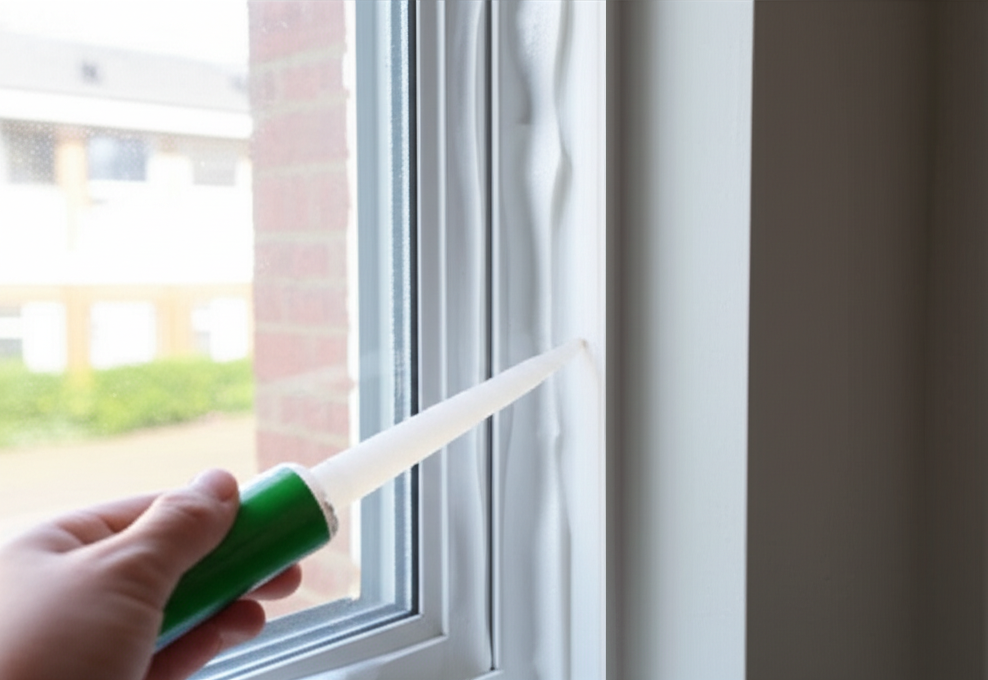
Proper sealing does two main things for you. It keeps the cool air locked inside and keeps the hot, humid air locked outside. This means better comfort and lower bills!
The Top 3 Amazing Fixes for Window AC Gaps
You do not need a contractor to handle these small leaks. Here are the three best materials I recommend for beginners. They are cheap, easy to find, and very effective.
1. Foam Board Insulation (The Sturdy Choice)
This is usually sold in rigid sheets at any hardware store. It is great for filling the larger open spaces on the sides of the unit.
How to use it:
- Measure the gap between the window frame and the side panel of your AC unit.
- Cut the foam board slightly larger than the gap you measured.
- Gently wedge the cut piece into the space tightly. It should fit snugly without forcing the window shut.
2. Adhesive Weatherstripping (The Quick Seal)
Weatherstripping looks like thin foam tape with a sticky back. It is perfect for sealing the movable parts of the window where the sash meets the frame.
When to use this:
- Use it along the bottom edge of the sliding window piece.
- Apply it around the edges where the window glass meets the side sash.
- This is ideal for minor leaks that don’t need bulky foam.
3. Expanding Foam Sealant (The Permanent Gap Filler)
This comes in a can and expands to fill oddly shaped holes or cracks. Be careful, as this expands a lot! Use this only for gaps that are very hard to reach with solid material.
Safety Tip: Always read the can directions first. Only use a small amount, as too much can damage your window frame.
Step-by-Step Guide: How to Insulate Your AC Gaps Today
Before we start sealing, we need to make sure the unit is installed correctly. A poorly installed AC will always leak.
Step 1: Check the AC Installation Basics
Make sure your unit is angled slightly down toward the outside. This allows condensation to drain correctly. If it is perfectly level or sloped inward, water can leak inside, and air can escape.
Step 2: Extend and Secure the Side Panels
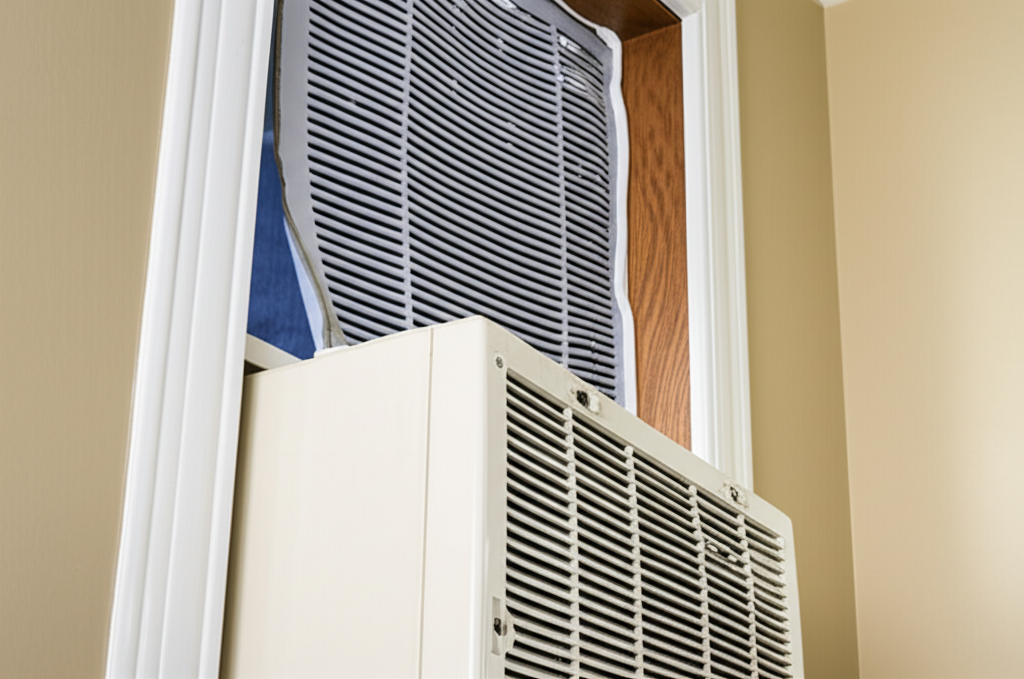
Most window AC units come with accordion-style side panels. Pull these panels out fully until they touch the window frame. They should be snug but not jammed.
Step 3: Measure and Cut Your Foam Board
If you see daylight between the drawn-out panel and the window frame, you need foam board. Measure that specific gap width and height. Cut your foam board to match.
Step 4: Seal the Large Gaps
Firmly push the cut foam board pieces into the large empty areas on both the left and right sides of the unit. This is the biggest air leak source.
Step 5: Apply Weatherstripping to Moving Parts
Use your weatherstripping tape on the parts of the window you open and close. This seals the overlap between the fixed window pane and the sliding window piece.
Step 6: Final Inspection
Stand outside and look at the unit. Can you see any light coming through the seals? If so, gently push more foam or weatherstripping into those spots until the light is gone.
Comparing Sealing Materials: Which One Should You Pick?
Choosing the right material depends on the size of the leak. Here is a quick comparison to help you decide what to buy at the store.
| Material | Best For | Ease of Use | Longevity |
|---|---|---|---|
| Foam Board Insulation | Large, rectangular gaps | Medium (Requires cutting) | Excellent |
| Weatherstripping Tape | Small, thin gaps on moving parts | Very Easy (Peel and stick) | Good (Needs replacement every 1–2 years) |
| Expanding Foam | Irregularly shaped cracks | Medium (Requires careful application) | Excellent |
For the best long-term results, many experts recommend using the foam board for the main side panels and then using weatherstripping for the moving window sash seals. For more information on efficient cooling practices, check out resources from Energy.gov.
Common Window AC Mistakes That Waste Energy
Sometimes, the problem isn’t just the gap; it’s how we use the unit. Avoid these common beginner mistakes to keep that cool air exactly where it belongs.
- Ignoring the Top Vent: Many window units have a small side vent control that lets outside air in. Make sure this lever is closed completely when you are cooling your room.
- Using the Wrong Thermostat Setting: Setting the thermostat to the absolute lowest number (like 60°F) doesn’t cool the room faster. It just makes the AC run non-stop until it hits that number. Set it to a comfortable 74°F–78°F and let it cycle naturally.
- Forgetting the Filter: A clogged filter makes the whole unit work too hard, which can sometimes make the sides of the unit less effective at sealing because of pressure changes. Clean or replace it monthly!
- Not Re-Sealing Annually: Weatherstripping breaks down over time due to sun and weather. Plan to check your seals every spring before summer hits hard.
Frequently Asked Questions (FAQ) About AC Sealing
Here are the quick answers to the things I hear most often when people call about window AC issues.
Q: Can I use duct tape to seal the gaps?
A: You can use it for a very temporary fix, but it won’t last. Duct tape breaks down in the heat and leaves a sticky mess. Use foam or weatherstripping instead.
Q: Will sealing the gaps affect how the AC drains?
A: No, as long as you don’t block the actual drain hole underneath the unit. Sealing the side panels only addresses air leaks, not water drainage.
Q: Do I need to remove the AC to seal it properly?
A: Nope! All the fixes we talked about—foam board, weatherstripping—are done right from inside your home. No heavy lifting required.
Q: How do I know if my AC is leaking cold air?
A: The easiest test is the “dollar bill test.” Close the window sash against the side panel. If you can easily pull a dollar bill out from between the panel and the window frame, you have a leak that needs sealing.
Q: Is it safe to use expanding foam near the electrical cord?
A: Yes, but be very careful. Only spray foam into empty air gaps, never directly onto the power cord or into the AC unit itself. Keep it away from any vents.
Q: What if my window frame is old and cracked?
A: If the wood or vinyl frame itself is cracked, use the expanding foam to fix the frame first. Once the frame is solid, then apply weatherstripping to seal the moving parts.
If you want more details on maintaining your unit, the Air Conditioning Contractors of America (ACCA) has great homeowner tips available online.
Wrap Up: Your Cool Home is Within Reach
See? Insulating those tricky gaps around your window AC isn’t complicated at all. A few dollars spent on foam and tape can make a huge difference in how cool your room stays and how much money you save.
Remember, small, consistent maintenance steps are the key to a happy, efficient air conditioner. Take a few minutes now to seal those leaks, and you will feel the benefit immediately.
You’ve got this — and cool, comfortable air is just a few simple steps away.
