
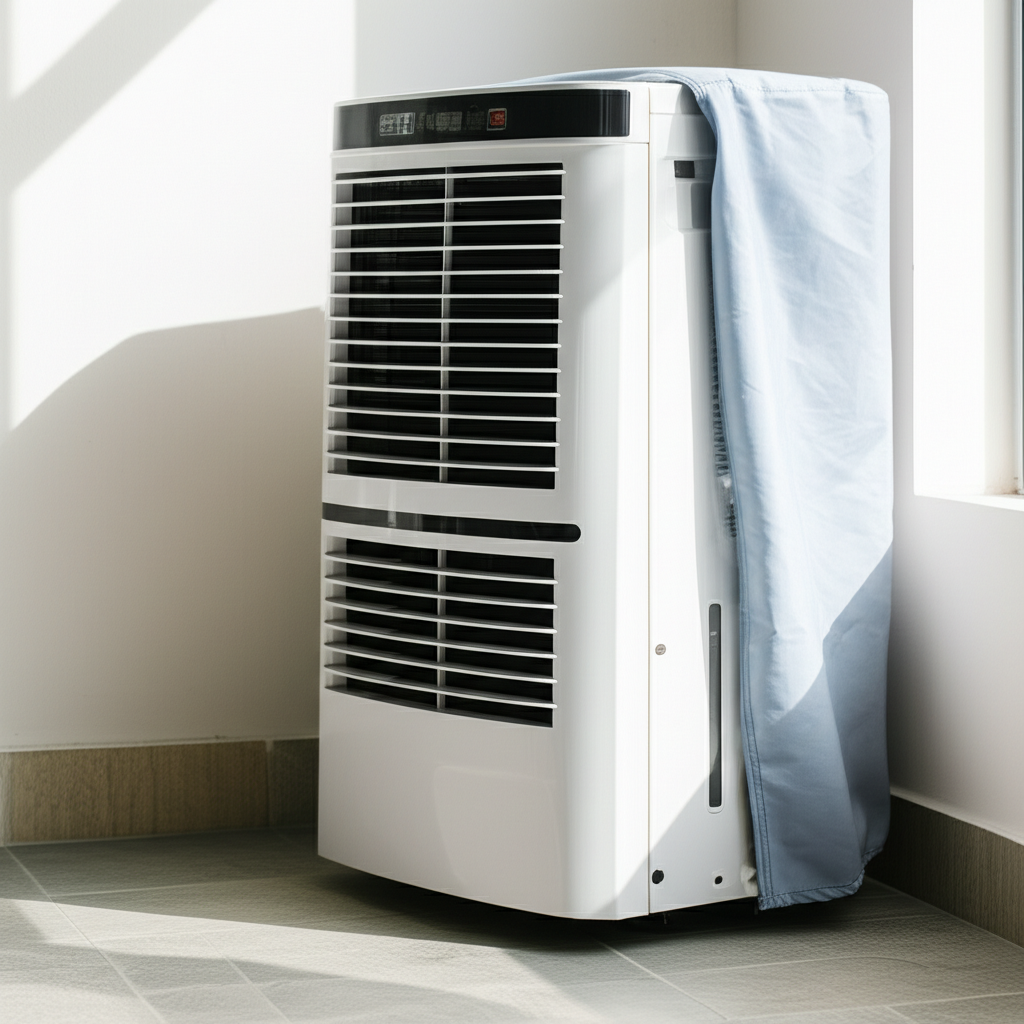
To store your portable AC for winter, you must clean it thoroughly, drain all water, disconnect the hose, and store it in a cool, dry spot away from pests. This simple routine protects your investment until next summer.
Is your portable air conditioner tucked away now that the weather is chilly? That is great! Putting your AC away the right way stops dirt and rust from damaging it. We all worry about breaking expensive things by accident. You do not need to be an AC expert to store your unit safely. I will walk you through every simple step. Let’s get your portable AC ready for its winter nap so it works perfectly next year.
Prep Your Portable AC: The Essential Before-Storage Checklist
Before you even think about unplugging your unit, we need to get it ready. Think of this like giving your car an oil change before parking it for months. A clean AC runs better and lasts longer. This preparation is the most important part of winter storage.
Step 1: Unplug and Power Down Safely
First things first: safety. You must turn off the AC unit completely. Then, pull the plug right out of the wall socket. Never try to clean or move a machine that still has power running to it. That is just asking for trouble.
Step 2: Clean the Air Filters Like a Pro
Your air filters catch all the dust and dirt from your room. If you store them dirty, that grime can become hard to remove later. Most portable AC filters slide right out. You can usually wash these with warm, soapy water. Make sure they dry completely before putting them back or storing them separately. A damp filter equals mold later!
Step 3: Drain Every Last Drop of Water
This is a step many people forget, and it causes big problems. Portable ACs collect condensation (water) as they cool the air. If this water sits inside during winter, it can freeze, crack plastic parts, or grow mildew. Look for the drain plug, usually near the bottom. Tilt the unit slightly to let all the water flow out into a bucket. Check your owner’s manual if you cannot find the plug.
Step 4: Detach the Exhaust Hose and Window Kit
The big plastic hose that vents hot air outside must come off. Usually, it just twists or unclips from the back of the unit and the window piece. Take the window bracket apart too. Store these pieces together in a plastic bag. You do not want to hunt for the hose when summer rolls around again.
Where to Keep Your Portable AC: Finding the Perfect Spot
You have cleaned the machine. Now, where do you put it? The location matters just as much as the cleaning. We are looking for dry, stable conditions. Freezing temperatures and damp basements are AC enemies.
Best Storage Locations for Your Portable AC
- A climate-controlled closet inside your home.
- An interior storage room that stays above freezing.
- An attic space that is insulated and dry.
Places to Avoid Storing Your Unit
Keep your AC far away from harsh conditions. These spots can ruin the internal parts.
- Damp basements where moisture is high.
- Sheds or garages that get very cold or hot.
- Anywhere pests (like mice) might chew on wires.
If you are worried about mice chewing wires, try placing mothballs or cedar blocks near the storage area—but never inside the unit itself. For more details on appliance care, the U.S. Department of Energy has great tips on protecting home equipment.
Protecting Your AC: Covering and Pest Prevention
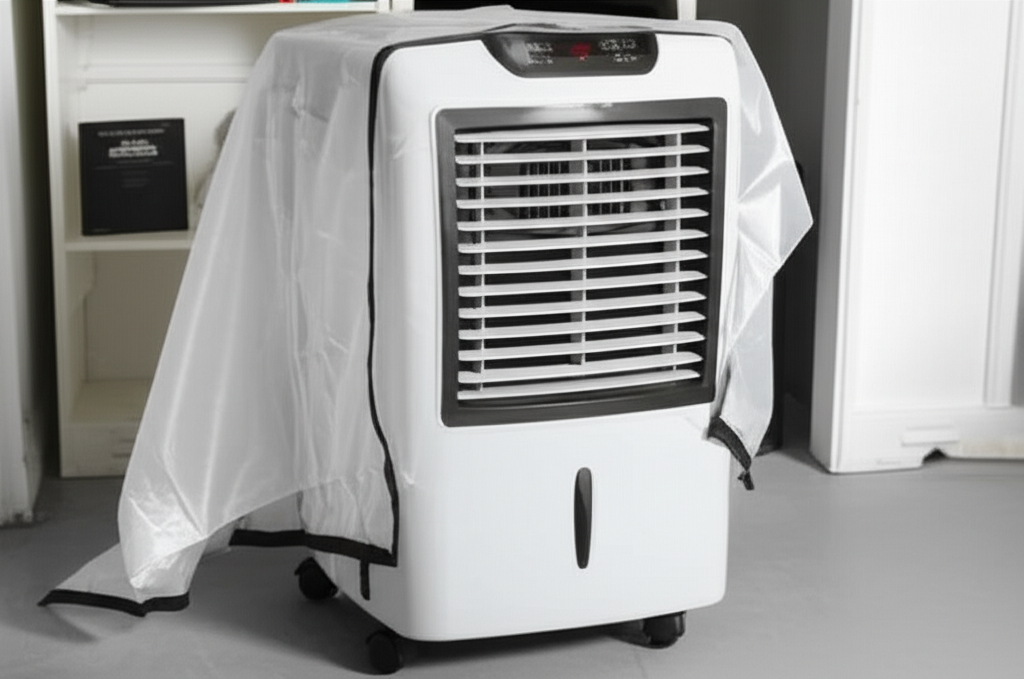
Once the AC is clean and in the right spot, it needs a blanket. This blanket keeps dust off while letting the machine breathe. Do not just throw an old sheet over it; we need something better.
Choosing the Right Storage Cover
You can buy a specific cover made for portable AC units. If you cannot find one, use a large, clean plastic garbage bag. Make sure you do not seal the bag tightly around the bottom opening where air can still circulate slightly. Air needs to move a little bit to prevent trapped moisture.
Tips for Keeping Critters Out
Small animals love to nest in warm, dark places over the winter. They often chew on soft plastic and electrical cords. Stuff some clean, dry rags or steel wool lightly into the main exhaust opening and the intake vents. This is temporary protection only. Remember to pull this stuffing out when you set up the unit in spring!
Quick Look: Portable AC Storage vs. Window Unit Storage
While both need cleaning, portable units have different needs because they have wheels and hoses. Here is a quick comparison:
| Task | Portable AC | Window AC Unit |
|---|---|---|
| Draining Water | Must drain from a plug on the bottom. | Usually drains naturally when tilted out the window. |
| Hose/Kit | Remove hose and store separately. | Remove the entire unit from the window frame. |
| Winterizing Focus | Preventing mold inside the main body. | Sealing the open window space properly. |
Getting Ready for Next Season: Spring Setup Checklist
Storing it well means setting it up well. When spring comes, do these things before plugging it in for the first time.
- Inspect the power cord for any signs of chewing or cracks. If you see damage, do not plug it in; replace the cord or call a repair person.
- Clean the filters again, even if you cleaned them in the fall. Dust settles over time.
- Reattach the hose and window kit, making sure the seals are tight.
- Run the unit for an hour while monitoring it for strange noises or leaks.
For reliable maintenance schedules, checking resources like Consumer Reports can offer great insights on long-term appliance care.
Frequently Asked Questions (FAQ) for AC Storage
Can I store my portable AC outside in a shed?
It’s best not to. Sheds often get too cold or too damp. Extreme temperatures can damage the compressor and electronics inside. Keep it inside your house if you can.
Do I need to cover the drain hole?
Yes, you should cover the drain hole opening after you are sure all the water is out. Use a small piece of tape or the original plug to keep dust and bugs from crawling into the machine.
Is it okay if the hose is slightly bent during storage?
Try to store the hose as straight as possible. Sharp, hard bends can weaken the plastic or cause kinks that block airflow next year. Loosely coil it instead.
How long can I safely store my portable AC?
If you clean and store it correctly in a dry spot, you can store it for many years. The main worry is pests and moisture, not time itself.
What if I accidentally stored it while it was still a little wet?
Don’t panic! When you take it out in the spring, plug it in and run it on ‘Fan Only’ mode for a few hours. This helps dry out any remaining moisture inside before you start cooling again.
Should I remove the batteries from the remote control?
That is a smart idea! Batteries left in remotes over the winter can leak and ruin the electronics. Take them out and store them separately.
Final Thoughts on Winterizing Your AC
See? That was not so scary! Storing your portable air conditioner is really just about being tidy and dry. Taking these few extra steps now saves you headaches, repair bills, and poor performance when the summer heat returns. Consistency is key to keeping any appliance happy.
You have done a great job preparing your unit. Stay cool, and I’ll see you next season when we talk about keeping that cool air flowing!
