
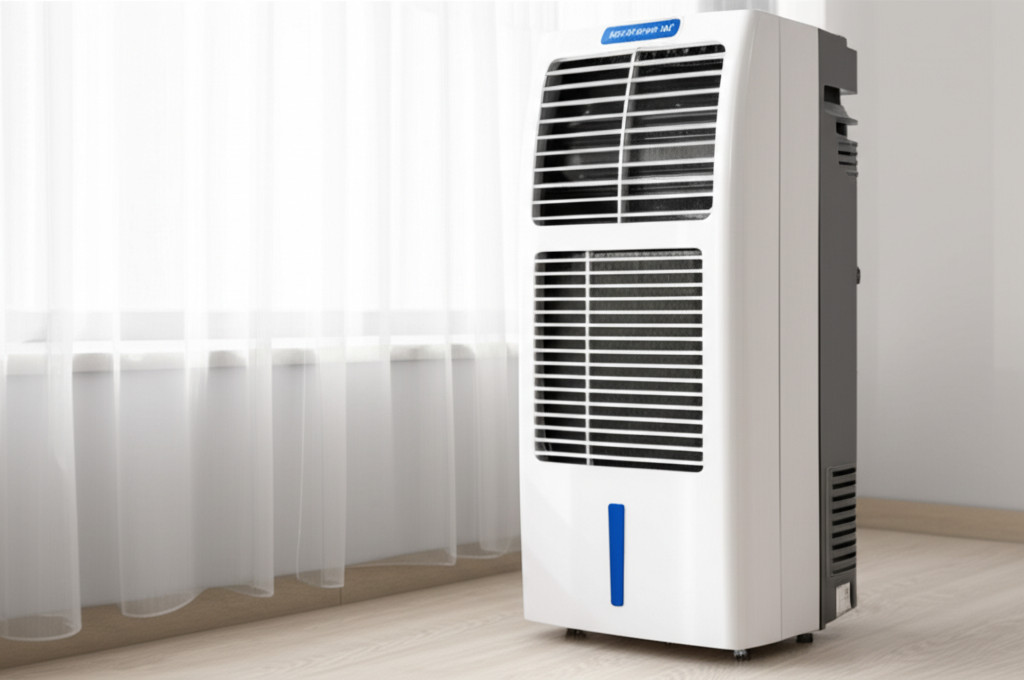
If your portable AC is leaking water or stopping the cooling, it definitely needs draining. Portable units collect condensation (water) as they cool your air, and this water must be removed regularly or the machine shuts down to prevent messes.
Is your portable air conditioner suddenly not cooling your room very well? Maybe you see a little puddle forming underneath it. Don’t panic! These are common signs that your AC is full of water. Dealing with this is much easier than you think.
I’m Jack from ACReviewHub.com, and I see this problem all the time. We are going to break down exactly why this happens with portable units. You will learn simple steps to drain the water safely and get your cool air back fast.
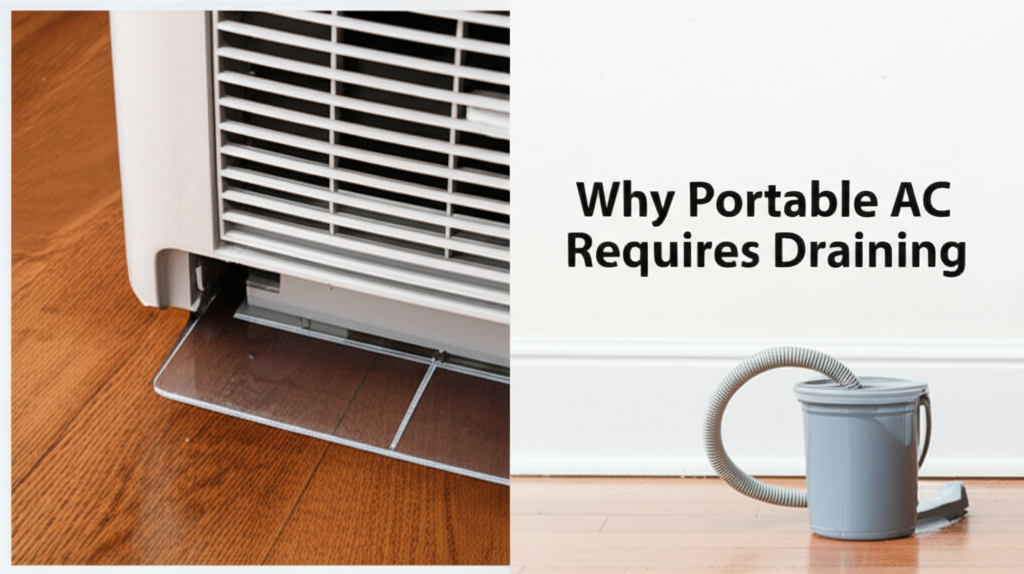
Understanding Why Portable ACs Make Water (Condensation)
Air conditioners do two main jobs: they cool the air and they dry the air. When they dry the air, they create water.
Think of a cold glass of iced tea on a hot day. See the little drops forming on the outside of the glass? That is condensation. The same thing happens inside your AC unit.
As warm air hits the cold coils inside the unit, the moisture in the air turns into liquid water. This water is called condensate.
Where Does All That Water Go?
In big, central AC systems, this water goes down pipes and outside. But portable ACs are different because they sit right inside your room.
Most portable ACs try to handle this water themselves. They use a process called “self-evaporation.”
This means the unit tries to blow the water out through the exhaust hose along with the hot air. This works well when the air outside is very dry.
However, if the air is very humid (like a rainy summer day), the unit collects more water than it can evaporate. When the internal collection pan fills up, the AC stops cooling to protect itself.
Urgent Fix: How to Drain Your Portable AC Safely
When the AC stops working and shows a “Drain,” “Full,” or “E4” error code, it’s time to empty the tank. This is the most common fix for a portable AC that quits cooling.
Step-by-Step Guide to Draining the Water
Before you start, always turn the unit off and unplug it from the wall outlet. Safety first!
- Locate the Drain Plug: Look near the bottom back or side of your unit. You will see a small rubber stopper or cap covering a drain hole.
- Prepare Your Catch Basin: Get a shallow pan, a large bowl, or a bucket. You need something flat that can slide under the drain hole.
- Position the Unit (If Necessary): Some models require you to tilt the unit slightly backward so the water flows easily toward the drain hole. Be careful when tilting!
- Remove the Plug: Gently pull out the rubber stopper. Water will start flowing out immediately.
- Let It Empty Completely: Hold the catch basin underneath until all the water stops dripping. This might take a minute or two.
- Replace the Plug: Push the rubber stopper firmly back into place. Make sure it seals tightly so you don’t have leaks later.
- Plug In and Test: Plug the unit back in and turn it on. It should start cooling normally again.
When You Must Drain vs. When It Drains Itself
Some newer, high-efficiency portable ACs have better evaporation systems. They might only need manual draining once or twice during a very long, humid season.
Older or simpler models often need draining every 4 to 12 hours of continuous use, especially if you are running them on “Dehumidify” mode.
| AC Usage Scenario | Likely Draining Frequency | Action Needed |
|---|---|---|
| Dry Climate, Light Use | Once a week or less | Monitor the indicator light. |
| Humid Climate, Heavy Use | Every day or every other day | Check the unit daily. |
| Unit Shutting Down Frequently | Immediate attention required | Manual drain needed now. |
Fixing Continuous Draining Problems
If you drain the unit, and 30 minutes later it’s full again, you have a bigger issue. This usually means the self-evaporation system is broken or clogged.
Troubleshooting Clogs and Errors
If the drain plug hole seems clear, the problem might be higher up inside the machine. Here are simple checks you can do.
- Check the Exhaust Hose: Make sure the big hose venting the hot air outside is not kinked or blocked. A kink can stop airflow, causing water to build up inside instead of evaporating.
- Clean the Air Filter: A very dirty filter restricts air movement over the cold coils. Less air movement means less evaporation. Clean your filters as recommended in your manual.
- Inspect the Drain Line (If Applicable): Some units have a secondary, continuous drain hose connection at the bottom. Make sure this little hose isn’t bent or plugged if you tried to use gravity drainage.
For more detailed maintenance tips on keeping coils clean, check out the helpful guidelines provided by the U.S. Department of Energy on air conditioner efficiency here.
When to Call for Professional Help
If you have drained the unit, cleaned the filters, and checked the hose, but the water fills up incredibly fast, you might have a component failure.
This could mean the pump that helps move the water for evaporation is broken. At this point, it is best to stop using the unit and contact the manufacturer or a repair technician.
Tips for Less Frequent Draining
We all want to spend less time messing with plugs and pans. Here are three simple ways to reduce how often you need to drain your portable AC.
- Use the Right Size AC: An undersized AC unit will run constantly, making too much condensation. Make sure your BTUs match your room size.
- Run the Fan Mode: Sometimes, just running the fan (without cooling) helps circulate air and dry out the unit after a heavy cooling cycle.
- Use the Continuous Drain Feature: If your unit has a dedicated port for a gravity hose, use it! Place a bucket underneath and let gravity do the work continuously.
Here is a quick guide to sizing your unit correctly, which helps manage moisture:
| Room Size (Sq. Ft.) | Recommended BTU Range |
|---|---|
| 150 – 250 sq. ft. | 5,000 – 6,000 BTU |
| 250 – 350 sq. ft. | 7,000 – 8,000 BTU |
| 350 – 550 sq. ft. | 9,000 – 10,000 BTU |
Frequently Asked Questions (FAQs) for Beginners
Here are the quick answers to the questions I hear most often about portable AC drainage.
Q: Can I just pour water down the drain pipe outside?
A: No, never pour the collected water anywhere outside your home. It can attract pests or damage your yard. Always empty it into a sink or toilet.
Q: Is it okay if the AC leaks a tiny bit onto the floor?
A: A few small drips are sometimes normal during heavy evaporation, but steady leaking means the drain plug isn’t sealed right. Fix the plug immediately to avoid floor damage.
Q: What if I don’t drain it? Will it break?
A: Most modern units will just shut off the compressor (stop cooling) until you drain the water. It won’t usually break, but you won’t get any cool air.
Q: How often should I check the drain?
A: If you are using it a lot on hot, humid days, check it at least once a day, usually in the morning.
Q: Does the hose going out the window need to be draining water too?
A: No. That hose only blows out hot air. If you see water coming out of that hose, something is seriously wrong inside the machine.
Q: Can I use a wet/dry shop vac to suck the water out?
A: Some units allow this, but only if the manual specifically says so. Usually, using the designated drain plug is the safest way.
You see? Keeping your portable AC running smoothly is mostly about paying attention to that water tank. By taking a minute to check the drain plug every day or two, you prevent shutdowns and keep the cool air flowing.
Consistency is the secret weapon for easy AC maintenance. Keep it simple, keep it dry, and you’ll stay comfortable all summer long. Happy cooling!
