
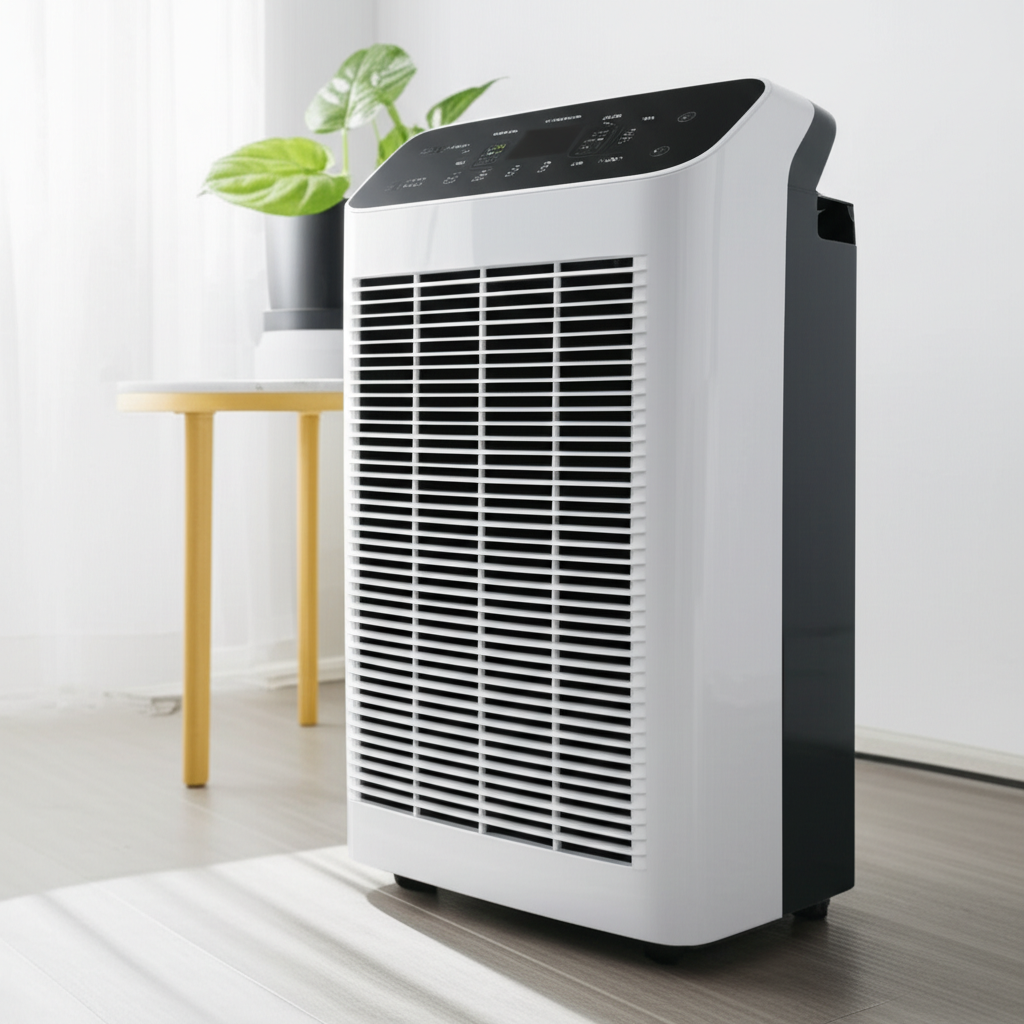
Quick Fixes for a Noisy Portable AC: Usually, the noise is just loose parts or a clogged filter. Tighten screws, check the exhaust hose connection, and clean everything up. A little TLC stops the racket fast!
Hey there! I’m Jack from ACReviewHub.com. Are you tired of that rattling, humming, or vibrating noise coming from your portable air conditioner? It is annoying when you are trying to relax or sleep. These machines are supposed to cool you down, not keep you awake!
Don’t worry about complicated jargon or expensive repairs just yet. Many noisy AC issues are simple things you can fix right now. We are going to walk through the easiest, most surprising fixes step-by-step. Let’s make your portable AC quiet and cool again!
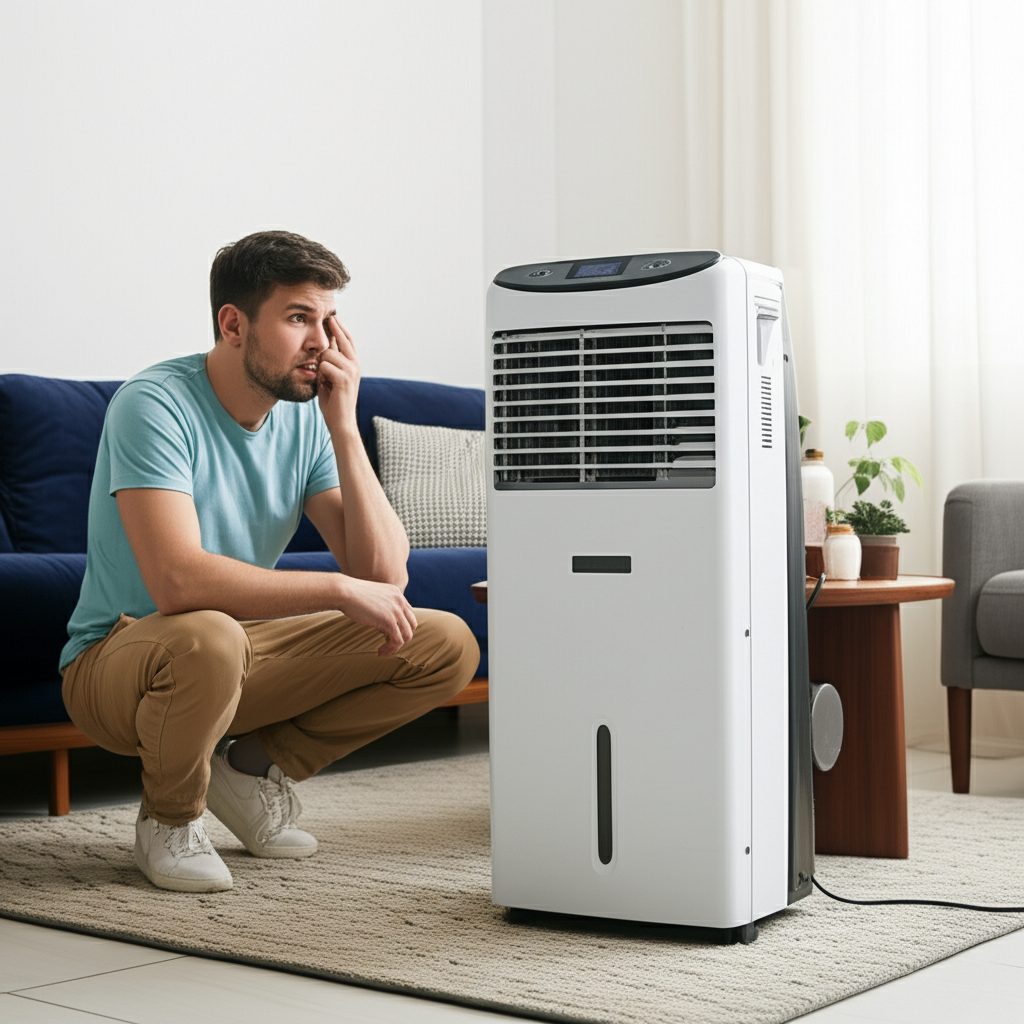
Why Is My Portable AC Suddenly So Loud?
Portable AC units are great because they move around. But because they are all in one box, they can sometimes get a little shaky. The noise usually comes from three main places: vibration, airflow, or a loose part.
Think of it like a car making a funny sound. First, you check the easy stuff before taking it to the mechanic. We will start with the simplest checks first.
Shocking Fix #1: Stop the Shakes and Vibrations
The most common cause of loud noise is simple shaking. The whole unit vibrates when the fan or compressor runs hard. This vibration transfers to your floor or window sill, making a loud drumming sound.
Step-by-Step: Quieting the Surface Vibration
- Check the Floor Surface: Is the AC sitting on a thin wooden floor or an uneven tile? Hard, flat surfaces make vibrations louder.
- Use an Anti-Vibration Mat: This is a game-changer. Buy a thick rubber mat, a dense foam pad, or even a dense yoga mat. Place it directly under the AC unit. This absorbs the shaking before it hits your floor.
- Level the Unit: Use a small level tool (or even a phone app) to make sure the AC is perfectly flat. If it leans, the internal parts fight against gravity, causing rattling. Adjust the feet if your model has adjustable ones.
Shocking Fix #2: Securing the Exhaust Hose Connection
Your portable AC pushes hot air out through a large, flexible hose. If this hose is loose, it can vibrate wildly, sounding like a buzzing horn right next to you. This is a very common, easy fix.
How to Tighten the Exhaust Setup
- Unplug the AC First: Safety first! Always unplug the unit before touching the back.
- Inspect Both Ends: Check where the hose connects to the back of the AC unit and where it connects to the window bracket.
- Secure the Clamps: Many hoses have plastic clips or metal clamps. Make sure these are snug and tight. If the hose feels loose where it pushes into the back of the unit, gently wiggle it until it locks securely.
- Check the Hose Itself: If the hose is old, it might have a hole or a kink. A kink forces air through a smaller space, making a loud whistling or roaring sound. Straighten it out if possible.
Shocking Fix #3: Tightening Up the Inside Components
Sometimes, the screws holding the outer plastic casing on become loose over time due to the constant running. This causes the plastic panels to rattle against the metal frame.
Expert Tip: You don’t need to be an engineer for this, but you need to be careful not to break any plastic clips. Only do this if the noise sounds like plastic rattling, not mechanical grinding.
Checking the Outer Shell Screws
| Area to Check | What You Might Hear | Action Needed |
|---|---|---|
| Side Panels | Light, high-pitched rattling | Gently check screws with a screwdriver (Phillips head usually). Do not overtighten! |
| Filter Grille | Buzzing when the fan starts | Ensure the front filter cover snaps firmly into place. |
| Base Feet | Loud thumping or vibration | Check if the rubber feet are securely attached to the bottom of the unit. |
Shocking Fix #4: Dirty Filters and Coils (The Airflow Noise)
When air can’t flow easily, the fan has to work much harder to push it through. This strain causes a loud, whirring, or straining sound. It’s like trying to breathe through a straw!
Dirty filters are the #1 cause of poor performance and extra noise.
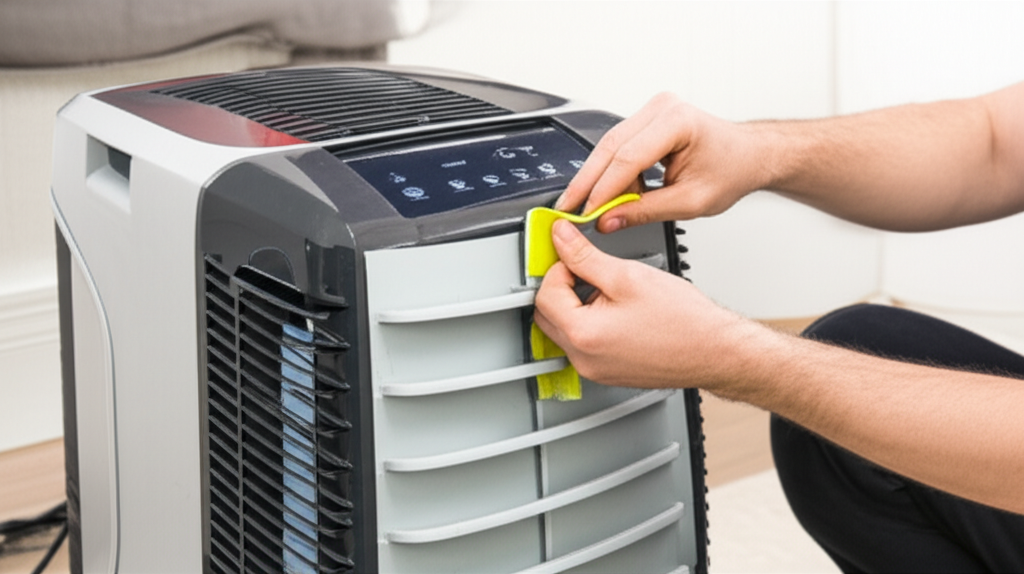
Your Simple Filter Cleaning Routine
- Locate the Filter: Usually, it’s a thin mesh screen behind the front panel or on the side.
- Remove Carefully: Slide or unclip the filter out.
- Wash It Clean: Take it to the sink and use warm water and mild dish soap. Gently scrub off the dust bunnies.
- Dry Completely: This is important! Let the filter air dry completely before putting it back. Putting a damp filter back in can cause mildew or damage the unit.
- Clean the Coils (If Possible): If you can see the cooling fins (coils) behind the filter, use a soft brush or a can of compressed air (like you use for a computer keyboard) to gently blow dust off them.
When the Noise Means It’s Time for a Bigger Look
If you’ve tried all the easy tightening and cleaning tricks, and the noise is still there—especially if it sounds like grinding, clicking, or loud squealing—it might be an internal mechanical issue.
Here are the common internal culprits:
- The Fan Blade: If the fan blade is hitting something (like a stray wire or a piece of broken plastic), it will make a rhythmic clicking or scraping sound.
- The Compressor: This is the heart of the AC. If the compressor is rattling loudly, it might be failing. This noise usually starts only when the unit is actively cooling, not just when the fan is on.
For internal mechanical problems, especially involving the sealed compressor system, it is usually best to contact the manufacturer for warranty service or a professional technician. You can check good consumer reports for tips on when to repair versus replace an aging unit. See this helpful guide on energy efficiency from Energy.gov for more context on unit health.
FAQ: Quick Answers for Quiet Cooling
Q1: Should my portable AC always make noise?
A: Yes, some humming is normal because it has a fan and a compressor inside. But it should never be loud enough to stop you from watching TV or sleeping.
Q2: Is it okay if I run my AC without the exhaust hose attached?
A: No! Never run it without the hose connected and vented out. It will suck the cool air right back out of the room, overheat itself, and make a lot of straining noise.
Q3: My AC is vibrating more in “Fan Mode” than “Cool Mode.” Why?
A: The fan motor spins constantly in both modes, but in Cool Mode, the heavy compressor also kicks on, which often adds more vibration. If it only vibrates in Fan Mode, the issue is likely a loose fan blade or an unbalanced motor.
Q4: How often should I clean the filter?
A: If you use it daily, clean it every two weeks. If you use it occasionally, check it monthly. Always check if the air coming out feels weak—that’s your sign to clean!
Q5: Can I oil the fan motor to make it quieter?
A: Generally, no. Most modern portable AC fans are sealed units and should not be oiled by the user. If you hear squeaking that sounds like metal on metal, it means the bearings are failing, and the fan motor likely needs replacement.
See, that wasn’t so scary! Keeping your portable AC quiet is mostly about being a good housekeeper for your machine. A little bit of checking the connections, securing the hose, and regularly cleaning those filters makes a huge difference.
Stay cool, stay quiet, and enjoy the comfort you paid for! Let me know if you run into any other AC mysteries.
