
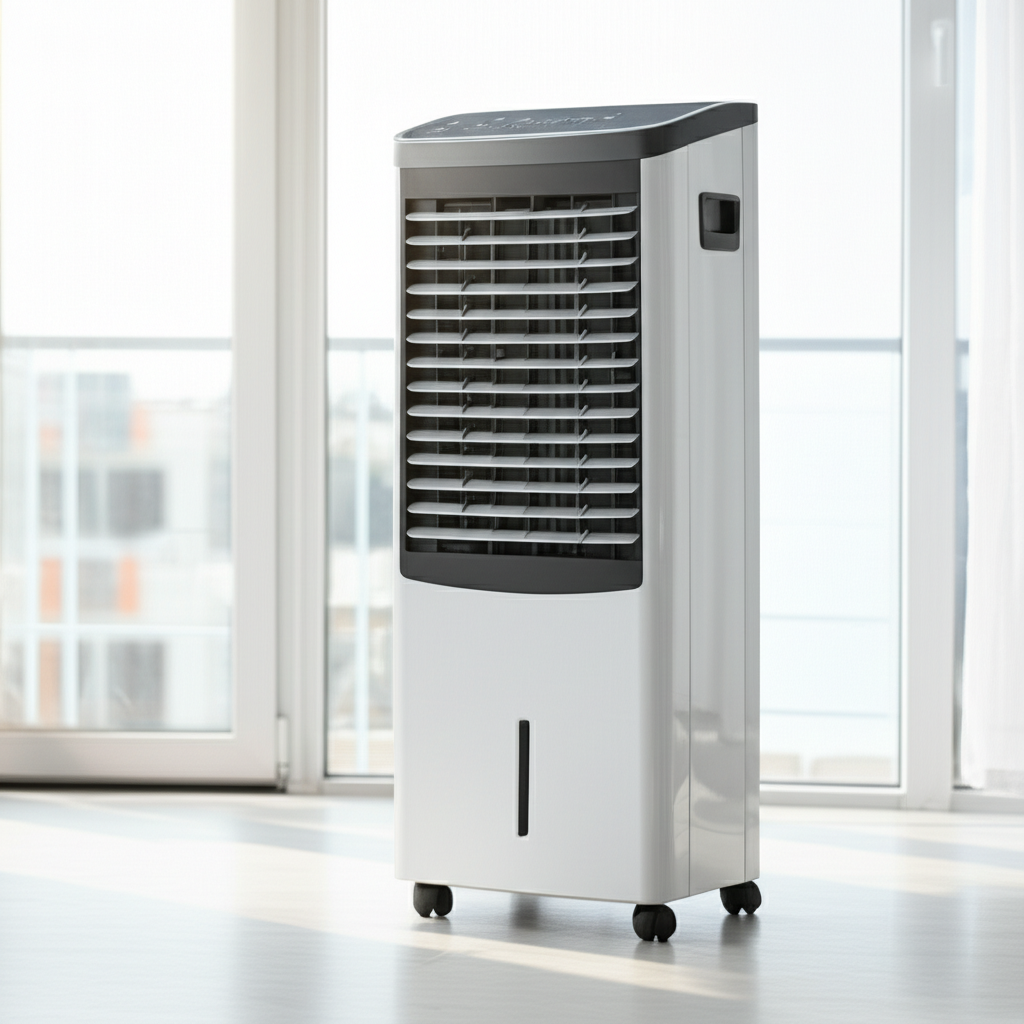
Choosing the right air cooler is easy when you match the size of your room to the cooler’s power (BTUs). Measure your space, look at the needed power, and pick features like energy efficiency and noise level. This guide makes cooling simple!
Is your room just too hot right now? Many folks feel lost when looking at all the air conditioner choices. Big words like BTU and SEER can make your head spin. Don’t worry about confusing charts or high energy bills.
I’m Jack from ACReviewHub.com, and I’ve seen it all. We will break down exactly what you need, step by step. By the end of this guide, you will know how to pick the perfect cooler for perfect comfort.
Step 1: Measure Your Room Size Correctly
The biggest mistake people make is buying a cooler that is too weak or too strong for their space. A cooler that is too small will run all day and never cool down the room. A cooler that is too big will cycle on and off too fast, leaving your room humid and sticky.
You need to know the square footage of the room you want to cool. This is simple math!
To find the square footage:
- Measure the length of the room in feet.
- Measure the width of the room in feet.
- Multiply the length by the width. That number is your square footage.
For example, a room that is 10 feet long and 12 feet wide is 120 square feet (10 x 12 = 120).
Step 2: Understanding Cooling Power (BTUs Explained Simply)
Air conditioner power is measured in BTUs, which stands for British Thermal Units. Think of BTUs as the “muscle” of the AC unit. More BTUs mean more cooling power.
You need to match the room size (square footage) to the right BTU level. This is the most important part of picking a unit.
Here is a simple chart to help you match your space to the right cooling power:
| Room Size (Square Feet) | Required Cooling Power (BTUs per Hour) |
|---|---|
| 150 to 250 sq. ft. | 5,000 to 6,000 BTUs |
| 250 to 350 sq. ft. | 7,000 to 8,000 BTUs |
| 350 to 450 sq. ft. | 9,000 to 10,000 BTUs |
| 450 to 550 sq. ft. | 12,000 BTUs |
| 550 to 1,000 sq. ft. | 14,000 to 18,000 BTUs |
Jack’s Tip: If your room gets a lot of direct sunlight, or if it’s a kitchen, add about 10% more BTUs to the number you find on the chart. It just needs a little extra muscle!
Step 3: Choosing the Right Type of Air Cooler
Not all coolers are the same. The best choice depends on where you live and your budget. Here are the main types you will see:
- Window Units: These sit right in your window frame. They are usually cheaper to buy and easy to install yourself. They are great for cooling just one room.
- Portable Units: These sit on the floor and roll around. They use a hose that vents hot air out a window. They are flexible but sometimes louder than window units.
- Ductless Mini-Splits: These are more complex but very efficient. They have an inside unit and an outside unit. They are quiet and great for additions or homes without existing ducts.
Step 4: Look at Energy Efficiency (The SEER Rating)
This is how you save money on your electric bill! Air conditioners have an energy rating called SEER (Seasonal Energy Efficiency Ratio). Higher numbers mean the unit uses less electricity to produce the same amount of cool air.
For any new unit you buy, aim for a SEER rating of 13 or higher. If you live somewhere very hot, look for 15 or more. Yes, these units might cost a little more upfront, but they pay you back in savings over time.
Here’s a quick checklist for energy savings when buying:
| Energy Feature | Why It Matters |
|---|---|
| High SEER Rating | Lower monthly electric bills. |
| Energy Star Certified | Meets strict energy efficiency guidelines. |
| Programmable Thermostat | Lets you set schedules to save energy when you are away. |
For more official details on saving energy, you can always check out resources from the U.S. Department of Energy (Energy.gov).
Step 5: Checking Important Comfort Features
Cooling power is key, but features make using the unit pleasant. Think about what annoys you most about cooling your home.
What to check:
- Noise Level (Decibels): If the AC is for a bedroom, look for models rated under 55 decibels (dB). That’s quieter than a normal conversation.
- Fan Speeds: Having multiple fan speeds (Low, Medium, High) gives you control over airflow and noise.
- Smart Features: Wi-Fi enabled units let you control them from your phone. This is handy if you want the room cool right before you get home.
- Dehumidifier Mode: Some units have a special mode that pulls moisture out of the air, making the room feel cooler even if the temperature stays the same.
Common Mistakes Beginners Make When Buying an AC
I see these slip-ups all the time. Avoid these simple traps to save money and frustration:
- Buying the Cheapest Unit: The cheapest model often costs the most to run because it is not energy efficient.
- Ignoring Insulation: If your windows leak air or your attic is hot, no AC unit can work perfectly. Seal up those drafts first!
- Forgetting Maintenance: Even the best AC needs clean filters. A dirty filter drastically cuts cooling power.
- Guessing the Size: Always measure! Don’t just guess based on what the old unit was, as older units were sometimes sized incorrectly.
A great place to read real-world reviews before you buy is with consumer testing groups like Consumer Reports.
Frequently Asked Questions (FAQs) About Choosing an AC
Here are the questions I hear most often from new AC owners:
Q1: Is it better to get a slightly bigger AC than I need?
A: No, not really. A unit that is too big cycles on and off too quickly. This leaves your room damp and wastes energy. Stick close to the recommended BTU size.
Q2: How often should I clean the filter?
A: For most window units, check the filter once a month during heavy use. If it looks dusty, clean or replace it right away. Easy peasy!
Q3: Do portable ACs cool as well as window units?
A: Portable units are often a bit less powerful for the same BTU rating because they have to work harder to vent the heat outside. Window units generally offer better, more direct cooling.
Q4: What is an inverter AC?
A: An inverter AC is super smart! Instead of just turning fully on or fully off, it adjusts its speed. This saves a lot of energy and keeps the temperature very steady. They are usually worth the extra cost.
Q5: Do I need professional installation for a window unit?
A: Most standard window units are designed for DIY installation. Just make sure it is secure, level, and properly sealed in the window frame so no hot air sneaks in.
Keeping Cool Starts Now
See? Choosing an air cooler is not rocket science. It comes down to three simple things: measuring your room right, matching that size to the correct BTU power, and picking an efficient model.
Take your time measuring your space today. A little bit of planning now means a whole summer of perfectly cool, comfortable living without shocking energy bills. Keep those filters clean, and enjoy the cool air!
