
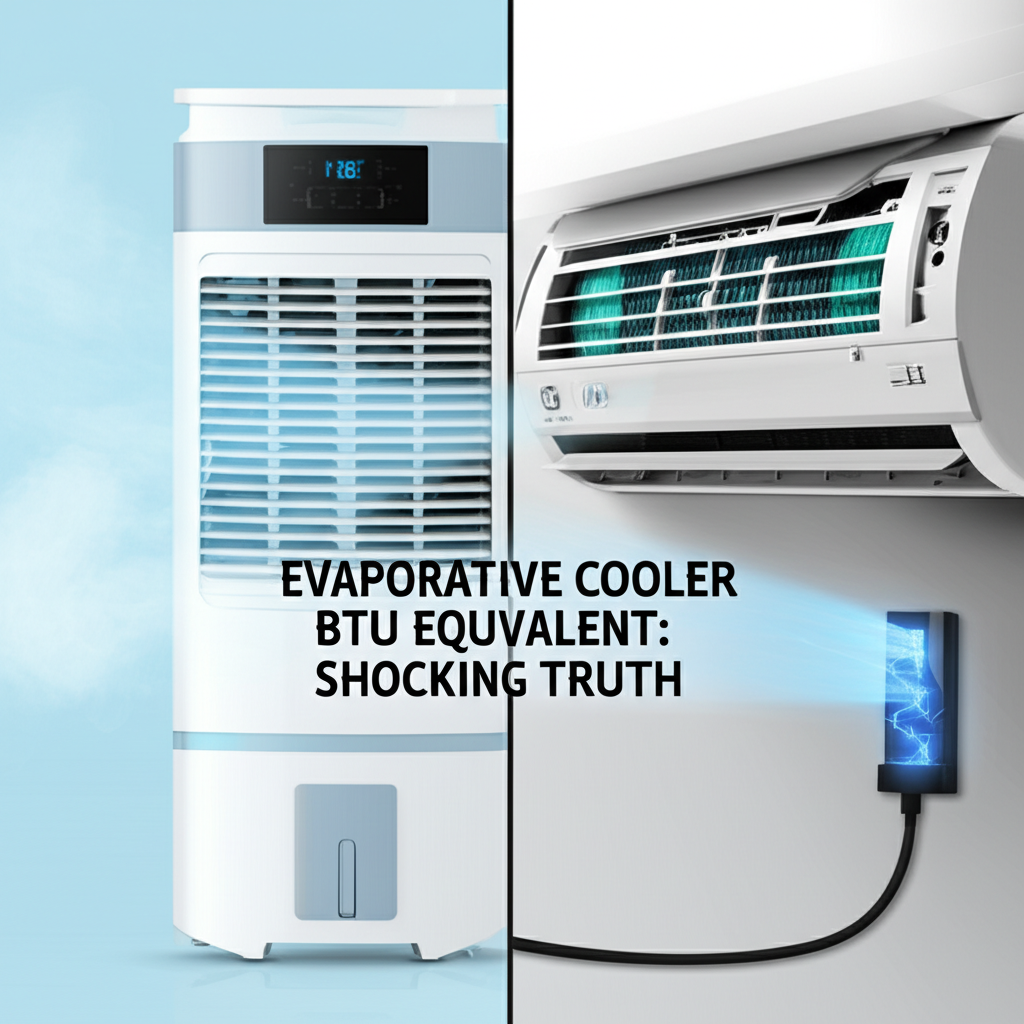
The shocking truth is that evaporative coolers (swamp coolers) do not have a direct BTU equivalent to traditional air conditioners because they cool differently. Swamp coolers use water evaporation, while ACs use refrigerant compression. Focus instead on the CFM (Cubic Feet per Minute) rating for swamp coolers.
Evaporative Cooler BTU Equivalent: Shocking Truth
Are you looking at cooling options and feeling lost in a sea of acronyms like BTU and CFM? You are not alone. Many folks get confused when comparing a regular air conditioner to a swamp cooler. Those numbers look important, but they measure different things.
We are here to clear up all that confusion today. Think of me as your friendly neighbor who just happens to know a lot about keeping things cool. By the end of this guide, you will understand exactly what you need for your space, no complex math required.
What is BTU and Why Air Conditioners Use It
BTU stands for British Thermal Unit. This is a standard way to measure cooling power. A higher BTU number means the unit can remove more heat from the air quickly.
Air conditioners (ACs) use this number because they actively remove heat and humidity using a chemical called refrigerant. It is like a heat sponge. This is why you see ratings like 5,000 BTU or 12,000 BTU on window units.
Understanding the Swamp Cooler: CFM is King
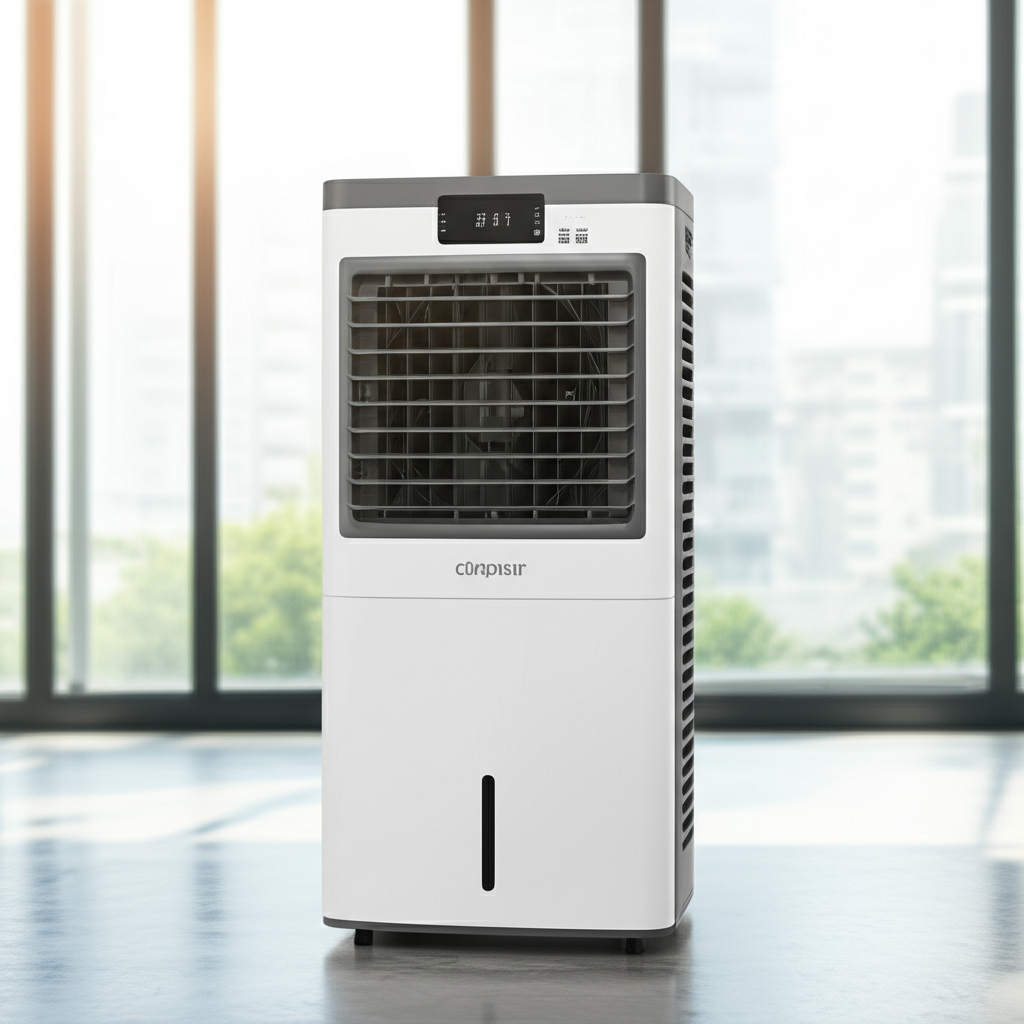
Evaporative coolers, often called swamp coolers, work on a totally different idea. They do not use refrigerant or complex machinery. Instead, they pull hot, dry air across water-soaked pads.
When the water evaporates, it pulls heat out of the air, making the air feel cooler. Since they add moisture, they cannot be measured by how much heat they remove (BTU). Instead, we measure how much air they move.
The key rating for a swamp cooler is CFM, or Cubic Feet per Minute. This tells you how much air the unit can push through your room every minute. More CFM means more airflow and better cooling for that specific type of unit.
Why Direct BTU Conversion is Misleading
Because the cooling method is different, you cannot use a simple chart to say, “A 10,000 BTU AC equals X CFM swamp cooler.” It is apples to oranges, or maybe apples to ice pops!
If you try to force a conversion, you might end up with a swamp cooler that moves tons of air but doesn’t cool enough, or an AC that is too small for the job. That leads to wasted energy and sweaty afternoons.
How to Choose the Right Size Without BTUs
Since we are focusing on CFM for swamp coolers, we need to match that airflow to your room size. This is much easier than calculating heat loads for an AC. You need to know how many times you want the air in your room to be completely replaced each minute. For comfortable cooling, you want to cycle the air 2 to 4 times per minute.
Here is a simple way to estimate the CFM you need:
- Measure the square footage of the room you want to cool (Length x Width).
- Decide on your desired air changes per hour (ACH). Aim for 30 ACH (which equals 0.5 times per minute, or replacing the air every two minutes).
- Multiply the square footage by the ceiling height (usually 8 feet) to get the total cubic feet.
- Multiply the total cubic feet by your desired air changes per minute (e.g., 0.5 for 30 ACH).
For example, a 400 sq. ft. room with 8-foot ceilings is 3,200 cubic feet. If you aim for 30 air changes per hour (0.5 per minute), you need a cooler rated for at least 1,600 CFM (3,200 x 0.5).
You can find helpful sizing charts on manufacturer websites or trusted resources like Energy.gov for general cooling guidelines.
Comparing Cooling Power Estimates (A Rough Guide)
While not scientific, here is a very basic idea of how swamp cooler capacity often relates to AC size in terms of cooling effect in a dry climate. Remember, this is for comparison only, not for purchasing decisions!
| Evaporative Cooler CFM (Approximate) | Equivalent AC Size (For Reference Only) | Best For (Dry Climates) |
|---|---|---|
| 800 – 1,500 CFM | 5,000 BTU | Small Bedrooms, Offices |
| 1,800 – 3,000 CFM | 10,000 – 12,000 BTU | Large Living Areas, Small Apartments |
| 4,000 – 6,000 CFM | 18,000 BTU+ | Open Floor Plans, Garages |
When to Choose a Swamp Cooler Over an AC
Choosing the right machine depends heavily on where you live. Swamp coolers are fantastic money savers, but they only work well in specific conditions.
Here are the main factors to consider:
- Climate: Swamp coolers need dry air to work well. If your humidity is consistently above 50%, a regular AC is much better.
- Energy Costs: Swamp coolers use significantly less electricity because they only run a fan and a small water pump.
- Installation: Swamp coolers require a source of water and need an open window or vent to work correctly, as they must exhaust humid air outside.
Simple Swamp Cooler Maintenance Tips
Keeping your swamp cooler running efficiently is simple. A well-maintained unit cools much better than a neglected one. This helps you get the best performance without worrying about those BTUs!
- Change Water Weekly: Dump out old water and refill with fresh, cool water, especially in very hot weather.
- Clean Pads Monthly: Scale and dust build up on the pads. Soak and gently scrub them to ensure maximum airflow.
- Inspect the Fan: Make sure the fan blades are clean and free of debris so the motor doesn’t have to strain.
- Winterize: Before winter, drain the unit completely and cover the opening so cold air doesn’t sneak into your home.
FAQ: Swamp Cooler and AC Questions Answered
Here are some quick answers to the most common beginner questions I hear:
- Can I use a swamp cooler in humid Florida?
- Probably not effectively. Swamp coolers add humidity. If it is already humid, it will just feel sticky and muggy.
- Do swamp coolers use a lot of electricity?
- No, they use much less than an AC. They mostly power a fan and a tiny water pump.
- How often should I open a window when using a swamp cooler?
- Always keep at least one window or door open a few inches on the side opposite the cooler. The unit needs to push air out!
- Is a 10,000 BTU AC better than a 3,000 CFM swamp cooler?
- They are not directly comparable. The AC removes heat; the swamp cooler moves air using water. Check your climate needs first.
- What is the most important maintenance step?
- Keeping the water clean and the pads wet and free of mineral buildup is the most crucial step for good cooling.
Final Thoughts on Choosing Your Cooler
Don’t let confusing terminology like BTU derail your cooling plans. If you are in a dry climate, look at the CFM rating for evaporative coolers and match it to your room size. If you live somewhere humid, stick to a traditional air conditioner.
Take a deep breath; you now know the difference. By focusing on airflow (CFM) for swamp coolers and matching the right technology to your environment, you are set up for a comfortable, energy-efficient season.
Keep up the simple maintenance steps, and you will enjoy cool air all summer long without the headache. Happy cooling!
