
The best placement for your air cooler is central, away from direct sunlight and heat sources, ensuring unobstructed airflow to cool the entire room efficiently. Aim for a spot where the cool air can travel freely without being blocked by furniture.
Are you struggling with an air conditioner that just won’t cool your room right? Maybe you see high energy bills even when you’re not that cool. Setting up your AC correctly is often the secret fix. Don’t worry; getting this right is simpler than you think. Today, we are going to walk through exactly where to put your AC unit for the best cool air, step by step.
Why AC Placement Really Matters for Your Comfort
Where you put your air conditioner is a big deal. It affects how cold your room gets. It also changes how much electricity you use each month. A poorly placed AC has to work much harder to cool down your space. This means more noise and higher bills for you.
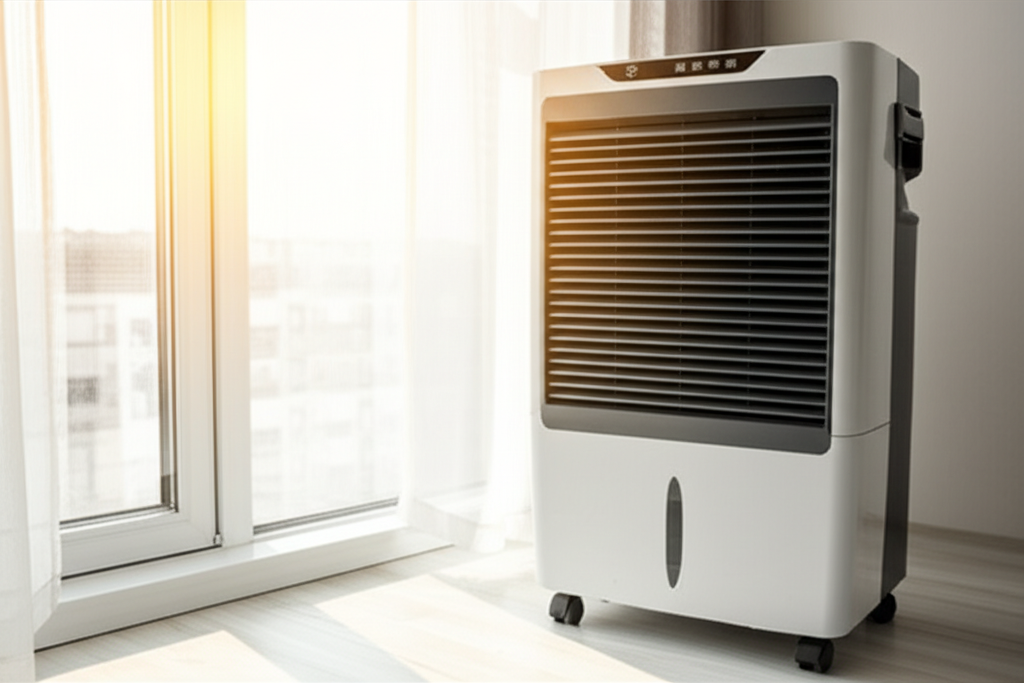
Think of your AC like a runner. If you make the runner carry heavy weights (bad placement), they get tired fast. A well-placed AC is a happy, efficient runner.
The Golden Rule: Central Location is King
The most important thing is to find a central spot. You want the cool air to spread out evenly. This helps every corner of the room feel nice and chilly. If you put it in a far corner, the air might just circle near the unit.
Try to place the unit on an inside wall if possible. This keeps the unit away from the hottest parts of your home, like walls facing the afternoon sun.
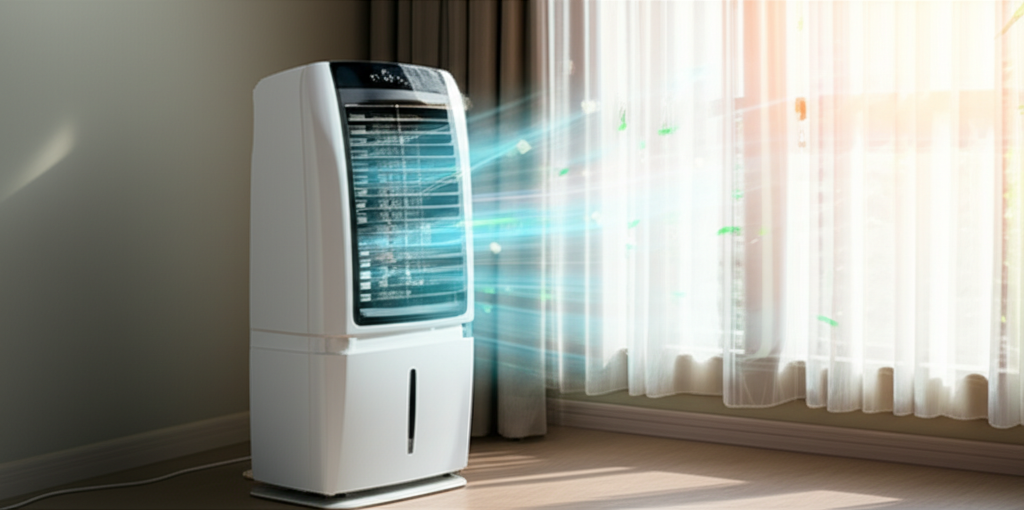
Rule 1: Stay Away from Heat Traps
Certain spots will instantly make your AC struggle. Never place your unit near things that give off a lot of heat. This is super important for keeping your costs down.
Here are the heat sources to avoid:
- Lamps that get very hot (especially old incandescent bulbs).
- Televisions or computers that run all day long.
- Direct sunlight shining right onto the unit or the wall next to it.
- Near heat vents from your furnace if you have a central system.
Rule 2: Ensure Unblocked Airflow
Your AC needs to breathe in warm air and push out cold air easily. Anything blocking these paths will ruin the cooling process. This is where many beginners make simple mistakes.
For a window unit or a portable AC, make sure the vents are not covered. For a split system (the kind with an inside and outside unit), the outside unit needs space around it.
Here is a quick check for airflow clearance:
- Measure at least two feet of clear space around the indoor unit.
- Make sure tall furniture isn’t right underneath or in front of the unit.
- Keep curtains pulled back from the window unit’s path.
Understanding Air Flow: Where Does the Cold Air Go?
Cold air naturally sinks. This is a science fact we can use to our advantage. When your AC blows out cold air, it starts low and spreads across the floor.
This means you want the path for that cold air to be clear. If your cold air hits a couch or a big bookshelf right away, it just sits there and never cools the whole room.
For the best effect, aim the louvers (those little flaps that direct air) slightly upward. This lets the cold air rise, mix with the warmer air higher up, and then slowly sink down, creating a comfortable cycle.
| Placement Factor | Ideal Spot | Why It Works |
|---|---|---|
| Centrality | Middle of the longest wall | Allows even air distribution. |
| Sun Exposure | Shady side of the room/house | Reduces the load on the condenser (outside unit). |
| Obstructions | At least 2 feet clear on all sides | Ensures maximum air exchange and efficiency. |
| Vents/Doors | Directly facing the main living area | Pushes conditioned air where people are sitting. |
Special Placement Tips for Different AC Types
Different air conditioners have different needs. What works for a window unit might not work for a portable one. Let’s look at the common types you might be using.
Window AC Units
These units sit half inside and half outside. Make sure the outside part is not blocked by bushes or clutter. The inside part should blow air across the room, not directly onto one spot.
Portable Air Conditioners (Single or Dual Hose)
Portable units need their exhaust hose to vent hot air outside, usually through a window kit. Place the main unit close to the window for the hose, but aim the cold air output toward the center of the room.
Do not put the main body of the portable AC unit right next to the window where the hose is venting. Keep it away from walls so the intake vents can pull in air easily.
Ductless Mini-Splits
These indoor units are usually mounted high on a wall. They should be high up, but not so close to the ceiling that air gets trapped above them. Keep them away from ceiling fans that might blow air directly onto the return vent.
What About Thermostat Placement?
If your air conditioner has a separate thermostat on the wall, this spot is just as important as the unit itself! The thermostat tells the AC when to turn on and off based on the temperature it reads.
If the thermostat is in a bad spot, your AC will never cool properly. Here are the placement rules for the sensor:
- Keep it away from heat sources like kitchen ovens or direct sun.
- Keep it away from cold drafts, like near a leaky door or window.
- Mount it about five feet off the floor, which is average human height.
If your thermostat is reading the temperature near a sunny window, it will think the room is boiling hot and run non-stop, wasting energy. For more official guidance on energy use, check out the tips from Energy.gov.
Common Mistakes to Avoid When Setting Up Your AC
Sometimes, knowing what not to do is the best advice. These are easy fixes that save a lot of trouble later.
Here are the top placement mistakes beginners make:
- Placing the AC unit in a small, enclosed space like a closet. This suffocates the unit.
- Aiming the cold air directly at people sitting still. This causes uncomfortable drafts and makes you feel chilly while the rest of the room stays warm.
- Blocking the outside unit (condenser) with storage boxes or debris. This drastically reduces efficiency.
- Placing the unit directly under a vent from a heating system.
For more in-depth information on how AC systems work together, you can look at guidelines from organizations like ASHRAE (American Society of Heating, Refrigerating and Air-Conditioning Engineers).
Frequently Asked Questions (FAQ)
Q1: Can I put my AC unit too high on the wall?
A: Yes, a little too high can be bad. If it’s too close to the ceiling, the cold air can get trapped up there and not mix well with the room air.
Q2: Should I point the air directly at myself?
A: No, it feels nice for five minutes, but it wastes energy. Point it across the room so the cold air mixes naturally.
Q3: Does the outside unit need shade?
A: Yes! If your outside unit is in full, blazing sun all afternoon, it has to work much harder. A little shade helps it run cooler and save you money.
Q4: Is it okay if my portable AC is close to a wall?
A: The main body should not be jammed against a wall. It needs space, especially at the back or sides where it sucks in room air to cool.
Q5: How far should furniture be from the indoor unit?
A: Try to keep everything at least two feet away. This gives the air a clear path to travel in and out of the machine.
Q6: If I have two ACs, should they face each other?
A: No! If they blow cold air directly toward each other, they fight! Set them up so they cool separate zones or blow air in paths that don’t cross immediately.
Taking a few extra minutes to check your AC’s location makes a huge difference in comfort and cost. Remember, a happy AC is one that has plenty of clear space to breathe and share its cool air.
Keep these simple placement rules in mind, and you’ll notice your room getting cooler faster and your energy bills staying happier. Stay cool out there—I’m always here if you have more questions!
