
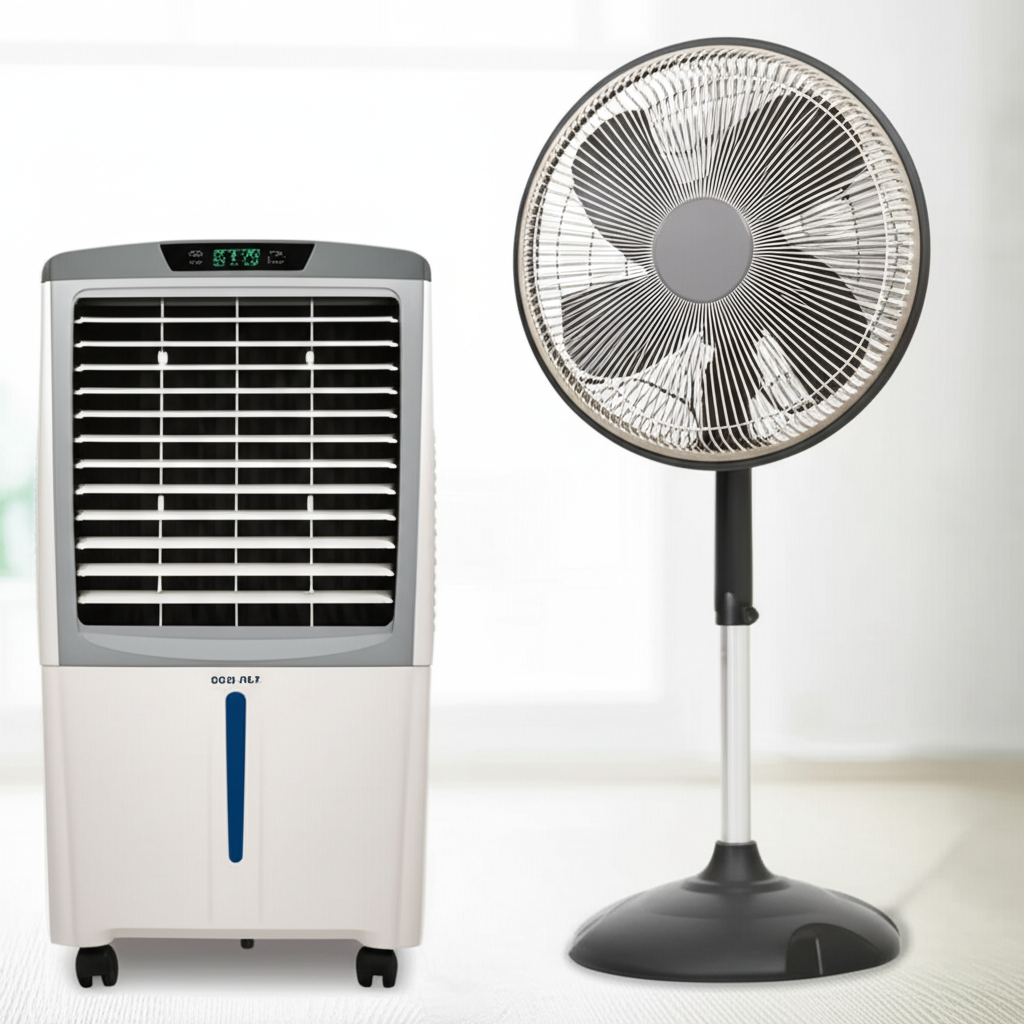
Air Cooler vs. Fan: The shocking truth is simple. Fans just move air around to feel cooler, but an Air Cooler actually adds moisture and drops the air temperature slightly using water evaporation. They are not the same thing!
Are you sweating right now? Maybe you are looking at two boxes in the store. One says “Fan” and the other says “Air Cooler.” It is easy to get these mixed up. Both make air move. Both cost less than a big AC unit. But they cool your room in totally different ways. Don’t worry about confusing tech talk. I am Jack from ACReviewHub.com. I will break this down so you know exactly what you need for your comfort. Get ready to choose the best cooling for your budget!
Air Cooler Vs Fan Difference: The Shocking Truth Explained Simply
Let’s start with the basics. Fans and air coolers seem similar because they both use blades to spin air. But inside, they work on completely different principles. Understanding this one difference saves you money and frustration.
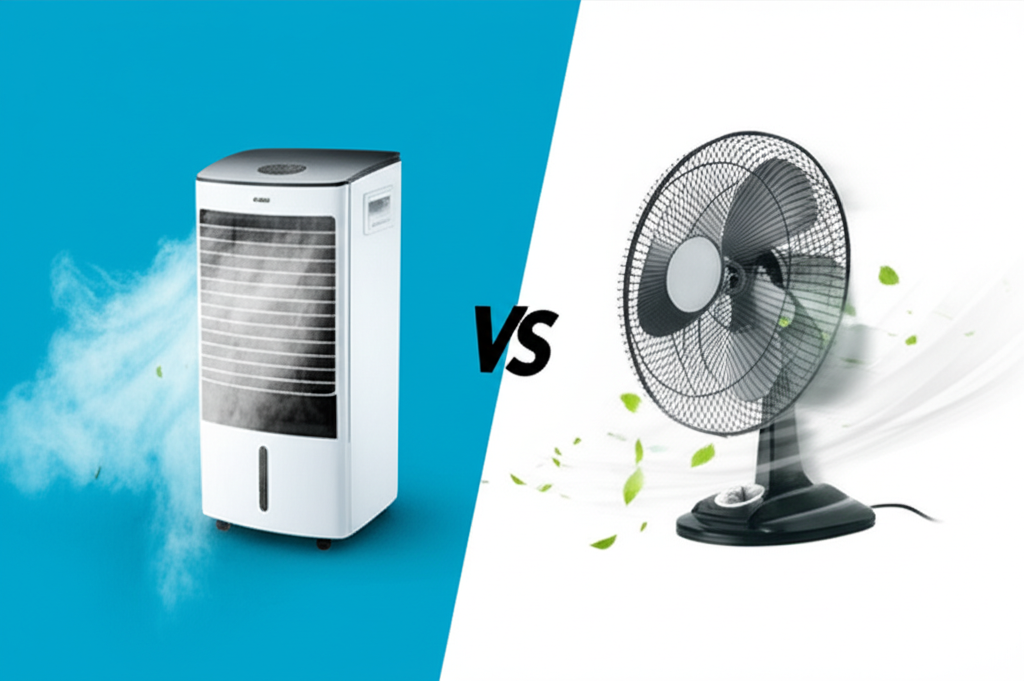
What Does a Simple Fan Really Do? (The Circulation Trick)
A regular room fan is super easy. It has blades, a motor, and a cage. That is about it. It does not change the temperature of the air at all.
A fan works by creating a wind chill effect. This means it blows air over your skin. When air moves across your skin, it helps sweat evaporate faster. This evaporation is what makes you feel cooler. It is like you are creating your own little breeze.
- Action: Moves existing air around the room.
- Cooling Method: Evaporation on your skin (wind chill).
- Needs: Just electricity.
- Humidity Impact: Does not change the room’s humidity level.
What is an Air Cooler and How Does It Drop the Temperature?
An air cooler, sometimes called an evaporative cooler or swamp cooler, is a bit more complex. It uses water to cool the air. Think about how you feel standing near a lake on a hot day—it feels fresher, right?
The cooler pulls warm outside air through water-soaked pads. As the warm air passes over these wet pads, the water evaporates. This process naturally pulls heat out of the air, making the air blowing out slightly cooler and much more humid.
- Action: Cools the actual air temperature slightly.
- Cooling Method: Water evaporation (true cooling).
- Needs: Electricity and a constant supply of water.
- Humidity Impact: Increases the humidity level in the room.
When to Choose Which: The Best Climate for Each Cooler
This is where the real choice comes in. Where you live matters more than anything else when picking between a fan and a cooler.
Fans are Best For: Moving Air When It Is Not Too Hot
Fans are great helpers for mild heat. They are perfect when you just need a little bit of moving air to feel comfortable indoors or under a porch.
If you live somewhere that is already humid, like Florida in the summer, a fan is usually better than a cooler. Why? Because adding more moisture with a cooler will just make you feel sticky and muggy.
Air Coolers Shine Brightest in Dry Heat
Air coolers are superstars in desert climates or very dry regions. If your air is dry, the water in the cooler evaporates very easily, giving you a much bigger temperature drop.
If the outside air is dry, the air cooler works like magic, dropping the temperature by several degrees while adding needed moisture to the dry air. If you live somewhere like Arizona, this is a game-changer.
Comparing Cooling Power: Fan vs. Air Cooler
To make this clear, let’s look at what you can expect from each device. This table shows the basic difference in what they deliver to your room.
| Feature | Standard Fan | Evaporative Air Cooler |
|---|---|---|
| Temperature Change | None (Feels cooler on skin) | Drops temperature by 5°F to 15°F (depending on humidity) |
| Water Usage | None | Uses water continuously |
| Best For Climate | Humid or Mild Climates | Dry and Arid Climates |
| Energy Use | Very Low | Low to Moderate (Needs a water pump) |
Setup and Maintenance Tips for Your Cooling Choice
Once you choose your device, keeping it running well is easy. Remember, simple maintenance saves you money on repairs later.
Easy Setup Steps for a New Air Cooler
Setting up an air cooler is a little more involved than just plugging in a fan. You need water!
- Place the cooler near an open window or door for fresh air intake.
- Fill the water tank to the maximum line shown on the unit.
- Plug it in and ensure the pump is set to run (often a “Cool” or “Swing” setting).
- Check the pads daily to make sure they stay wet.
Simple Maintenance Checklist for Fans and Coolers
Fans are simple, but air coolers need a bit more care because of the water.
| Device | Frequency | Task |
|---|---|---|
| Fan | Monthly | Dust the blades and wipe down the grille. |
| Air Cooler | Weekly | Empty and refill the water tank with fresh water to prevent stagnation. |
| Air Cooler | Seasonally (Start/End of Summer) | Clean or replace the cooling pads to prevent mold and mineral buildup. |
For more official tips on keeping your home cooling efficient, check out the great advice from the Department of Energy: Energy.gov Cooling Tips.
Common Mistakes Beginners Make (And How to Avoid Them)
I have seen people waste money by using the wrong tool for the job. Here are the top three mistakes I see beginners make when cooling their homes.
- Using an Air Cooler in High Humidity: If it is already sticky outside, an air cooler will just make your house feel like a swamp. Stick to a regular fan or save up for a real AC unit.
- Forgetting to Clean Cooler Pads: Dirty, slimy pads mean your cooler is blowing smelly, inefficient air. Clean them often!
- Running a Fan in an Empty Room: A fan only cools people, not rooms. If no one is home, turn the fan off to save electricity.
FAQ: Your Quick Cooling Questions Answered
Q1: Can an air cooler ever cool as well as an actual air conditioner (AC)?
A: No. An AC uses refrigerant to truly remove heat and lower humidity. A cooler only drops the temperature a little bit using water.
Q2: Do fans use a lot of electricity?
A: Generally, no. Fans use very little power, often less than a standard lightbulb. They are very cheap to run.
Q3: Should I leave a window open when using an air cooler?
A: Yes! This is important. An air cooler needs fresh, dry air coming in so it can push the humid, cooled air out. Keep a window slightly open.
Q4: Can I use an air cooler in a basement?
A: It is generally not a good idea. Basements are often already damp. Adding more moisture will likely make the space feel musty and cold.
Q5: Which one is better for moving air upstairs?
A: A powerful box fan or a tower fan is better for moving air upstairs because they don’t rely on water evaporation.
Q6: How often should I refill the water in my air cooler?
A: It depends on the heat, but plan on checking it every day. In really hot, dry weather, you might need to refill it twice a day.
Choosing between a fan and an air cooler is much simpler now. Remember the key difference: Fans circulate; coolers evaporate. Know your climate, keep up with simple cleaning, and you will stay cool without breaking the bank.
Stay comfortable, and feel free to reach out if you ever have more questions about keeping your home cool. Happy cooling!
