
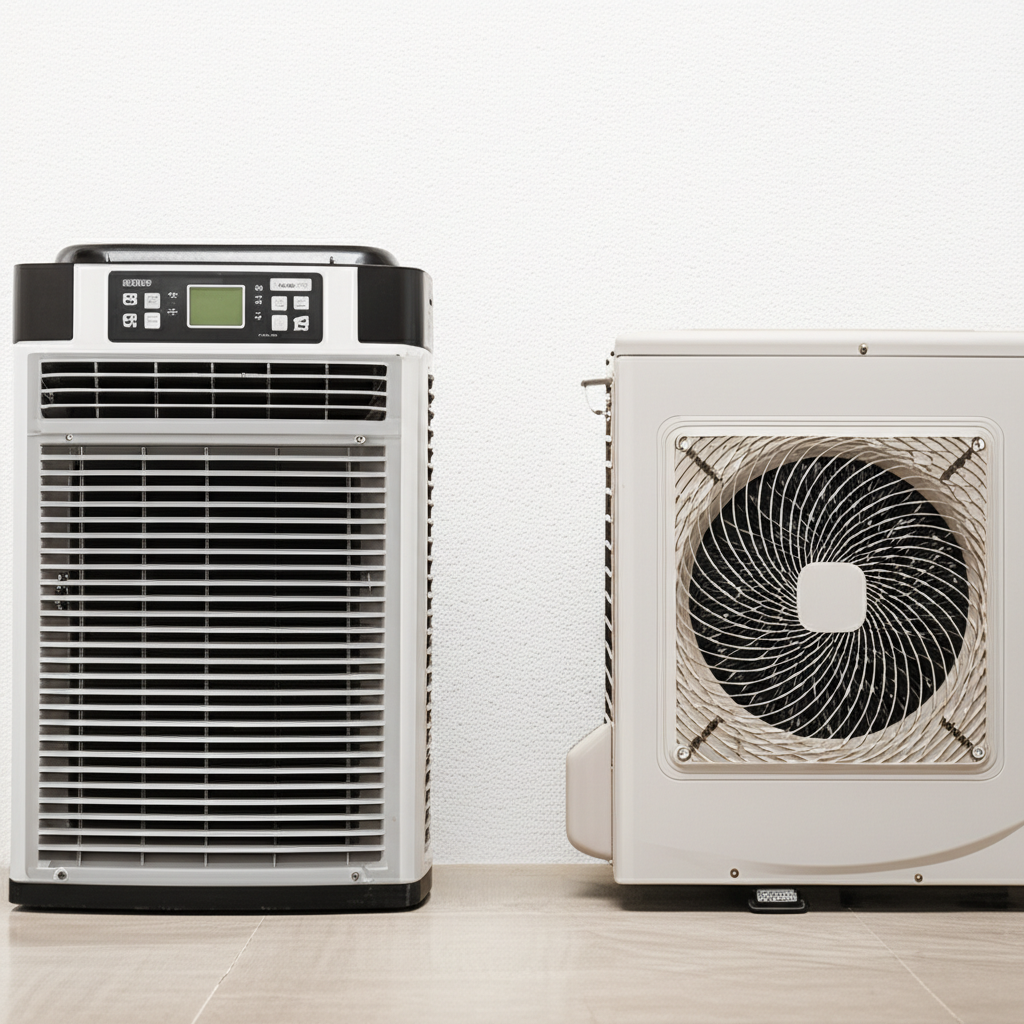
Evaporative Cooler Vs Swamp Cooler: Brutal Truth: They are the exact same thing! Both terms describe a simple, water-based cooling unit that works best in dry heat. The “brutal truth” is the name changes based on where you live, but the technology stays the same.
Are you staring at two different product boxes online, wondering which one will actually cool your home without breaking the bank? It is easy to get confused when marketing terms fly around. Many folks think an “evaporative cooler” is high-tech, while a “swamp cooler” sounds old-fashioned. Don’t worry about the confusing names anymore.
I am Jack from ACReviewHub.com, and I’ve seen every cooling unit out there. Today, we are clearing up this name game once and for all. We will look at how these coolers actually work, where they shine, and where they struggle, so you can choose the right one for your comfort.
The Big Reveal: Evaporative Cooler vs. Swamp Cooler—Are They Twins?
Here is the simple answer: They are identical twins. Seriously, they are the same machine.
The term “swamp cooler” is older and very common in the American Southwest, like Arizona or Nevada. People call them that because, in very humid places, they can make the air feel a bit swampy or muggy.
The term “evaporative cooler” sounds more technical. Manufacturers often use this term now. It just describes the scientific process happening inside the box: water is evaporating, which cools the air.
Think of it like this: One is called “soda,” and the other is called “pop.” It is the same fizzy drink, just different names.
How These Water Coolers Actually Beat the Heat
These units do not use expensive refrigerants like a standard air conditioner (AC). They use nature’s best trick: evaporation.
When water turns into vapor (evaporates), it pulls heat energy out of the surrounding air. This is why you feel cooler when you step out of a swimming pool on a hot day.
Here is the simple, step-by-step process for how these coolers work:
- Water Supply: A small pump draws water from a reservoir tank inside the unit.
- Saturating the Pads: The pump sprays this water over special, thick cooling pads (usually made of wood fiber or aspen).
- Air Intake: A large fan pulls hot, dry outdoor air through these wet pads.
- The Cooling Magic: As the hot air hits the wet pads, the water evaporates, stealing the heat from the air.
- Cool Air Output: The fan pushes the now-cooler, more humid air into your home.
When Should You Use an Evaporative Cooler (Swamp Cooler)?
These coolers are fantastic, but they have a specific sweet spot where they work best. They are champions in dry climates.
If you live somewhere like the desert, where the air is dry and the humidity is low, this is your money-saving hero. The drier the air, the more water can evaporate, and the cooler your house gets.
Here is a quick guide on when to choose one:
- Best For: Dry climates with low humidity (below 40% relative humidity).
- Energy Savings: They use significantly less electricity than traditional AC units.
- Air Quality: They constantly bring in fresh outdoor air, which is great for ventilation.
- Cost: Initial purchase and operating costs are much lower than central AC.
The Brutal Truth: Where Swamp Coolers Fail (The Humidity Problem)
This is the most important part for beginners to understand. These coolers add moisture to the air as they cool it. This is why they are terrible in humid areas.
If the air is already full of moisture (like near the coast or in the Southeast US), the water in the pads cannot easily evaporate. If it cannot evaporate, it cannot cool.
Instead of feeling cool, you just end up with warm, sticky air inside. That feels worse than no cooling at all!
Here are the main downsides:
- Humidity Killer: Useless or counterproductive when outdoor humidity is high (above 50%).
- Window Requirement: You must leave a window or door slightly open for the hot, moist air to escape.
- Water Usage: They constantly use water, which you need to monitor and refill or connect to a supply line.
- Maintenance: Pads can get dusty or develop mineral buildup, requiring regular cleaning or replacement.
Comparing Cooling Power: AC vs. Evaporative Cooler
Traditional air conditioners use chemicals (refrigerants) to remove both heat and humidity. Evaporative coolers only remove heat by adding humidity.
This table shows the basic difference in how they handle the air:
| Feature | Evaporative Cooler (Swamp Cooler) | Standard Air Conditioner (AC) |
|---|---|---|
| Cooling Method | Water Evaporation | Refrigerant Cycle |
| Humidity Impact | Adds Humidity | Removes Humidity |
| Best Climate | Dry Heat (Low Humidity) | Humid or Dry Climates |
| Energy Use | Very Low | High |
For more detailed information on how different cooling technologies work, check out the great resources at Energy.gov on cooling efficiency.
Simple Setup: Getting Your Swamp Cooler Running Today
Setting up a portable evaporative cooler is usually very easy—much easier than installing central AC. If you bought a small, portable unit, follow these steps:
- Find a Spot: Place the unit near a slightly open window or door. Remember, air needs to escape!
- Fill the Reservoir: Locate the water tank access panel and fill it with clean water using a hose or bucket.
- Check the Pads: Make sure the cooling pads are fully soaked but not dripping excessively.
- Plug It In: Connect the power cord to a suitable outlet.
- Turn It On: Start with the fan on the lowest setting. If the air feels cool, you are ready to increase the fan speed.
Easy Maintenance Tips to Keep Your Cooler Happy
Consistent care keeps your unit from turning into, well, a swamp! These coolers are low-tech, which means maintenance is straightforward.
- Drain Weekly: If you use the reservoir tank, drain the old water every week or two. This prevents mineral buildup and algae growth.
- Clean the Pads Monthly: During heavy use seasons, gently spray the pads down with a hose to remove dust and debris.
- Check the Pump: Ensure the water pump is running smoothly and not clogged with sediment.
- Winterizing: Before winter, completely drain the system, clean the pads, and store the unit if you live where it freezes.
Troubleshooting: My Cooler Isn’t Blowing Cold Air
If your cooler is running but the air feels warm, don’t panic. Most issues are easy fixes for a beginner.
| Symptom | Likely Cause | Quick Fix |
|---|---|---|
| Air is blowing, but it feels just like outside air. | Pads are dry or the water pump failed. | Check water level and listen for the pump running. |
| Air is cool, but the room feels muggy/sticky. | Humidity is too high outside, or you don’t have an exhaust opening. | Open a window wider to let moist air escape. |
| Unit is noisy or vibrating badly. | Fan blades are hitting debris, or the unit is not level. | Turn off, check for obstructions, and ensure it sits flat. |
If you are looking for deeper technical specifications, you can always check reliable industry standards from organizations like ASHRAE, though we keep things simple here!
FAQ: Quick Answers for New Cooler Owners
Here are some common questions I hear all the time:
- Q: Can I use an evaporative cooler in a basement?
- A: Generally, no. Basements trap humidity, making the cooler ineffective and potentially causing dampness issues.
- Q: Do I need to keep a window open all the time?
- A: Yes, absolutely! These units require constant air exchange to push out the hot, moist air they create.
- Q: How often should I add water?
- A: Depending on the heat and how often you run it, you might need to top it off daily in very hot, dry weather.
- Q: Is the water cost high?
- A: No, the water usage is usually minor compared to the electricity savings you get from not running a compressor AC.
- Q: Does it filter dust?
- A: Yes, the wet pads naturally catch some airborne dust, acting as a basic filter, but they don’t replace an air purifier.
Choosing the right cooling system does not need to be a headache. Remember, evaporative coolers and swamp coolers are the same hardworking, energy-saving machine.
The most important thing is matching the technology to your local weather. If you live where the air is dry, embrace the swamp cooler for cheap, comfortable cooling. Keep those pads clean and the water fresh, and you will stay cool all summer long.
Stay comfortable, and don’t hesitate to reach out if you have any more questions about keeping your cool!
