
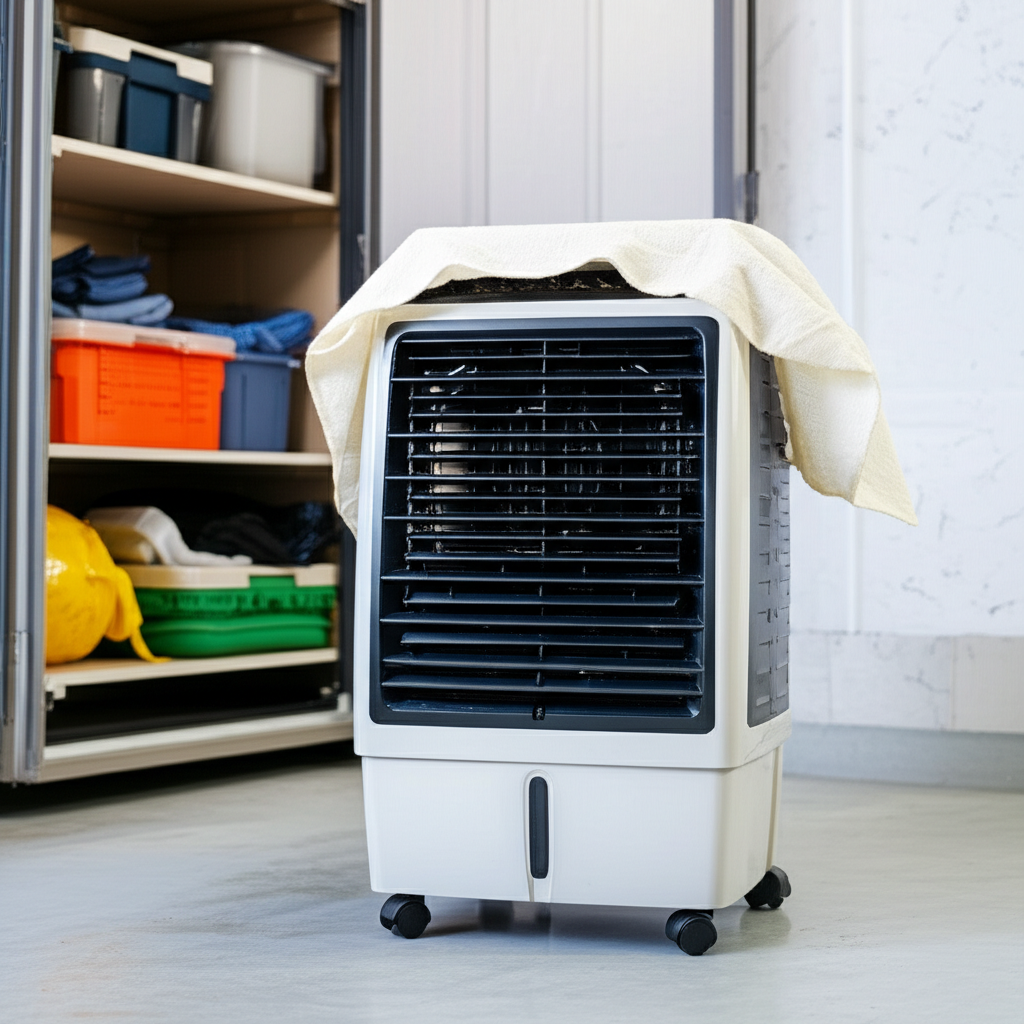
To store your air cooler for the off-season, clean it thoroughly, dry all parts completely, cover the unit, and keep it in a cool, dry spot. This simple prep work stops mold and keeps your unit ready for next summer!
Is the weather finally cooling down? That means it is time to think about putting your trusty air cooler away. We all want our AC units to last a long time. Storing it the right way saves you money later. If you skip this step, you might find mold or rust when you pull it out next year. Don’t worry, this is easier than you think. I’m Jack from ACReviewHub.com, and I will walk you through every simple step to put your cooler to sleep safely.
Why Smart Storage Matters for Your Air Cooler
Putting your air cooler away correctly is very important. It protects the machine from dust and moisture. Dust is like sandpaper for your machine parts. Moisture causes ugly, smelly mold and mildew to grow inside. Proper storage keeps everything clean and ready to go when the heat returns.
Think of it like storing your winter coat. You wouldn’t just toss it in a damp box, right? You clean it first! Your air cooler needs the same good care before its long break.
Step 1: Power Down and Unplug Safely
First things first: safety! Never try to clean or move a plugged-in unit. This is rule number one for all appliances.
- Locate the main power cord.
- Unplug the unit completely from the wall socket.
- If your cooler has a separate water line or drain hose, disconnect that too. Make sure the water supply valve is closed.
Step 2: The Deep Clean – Getting Rid of Grime
This is the most important part for long-term health. We need to clean out any old water and dust hiding inside.
Emptying the Water Tank
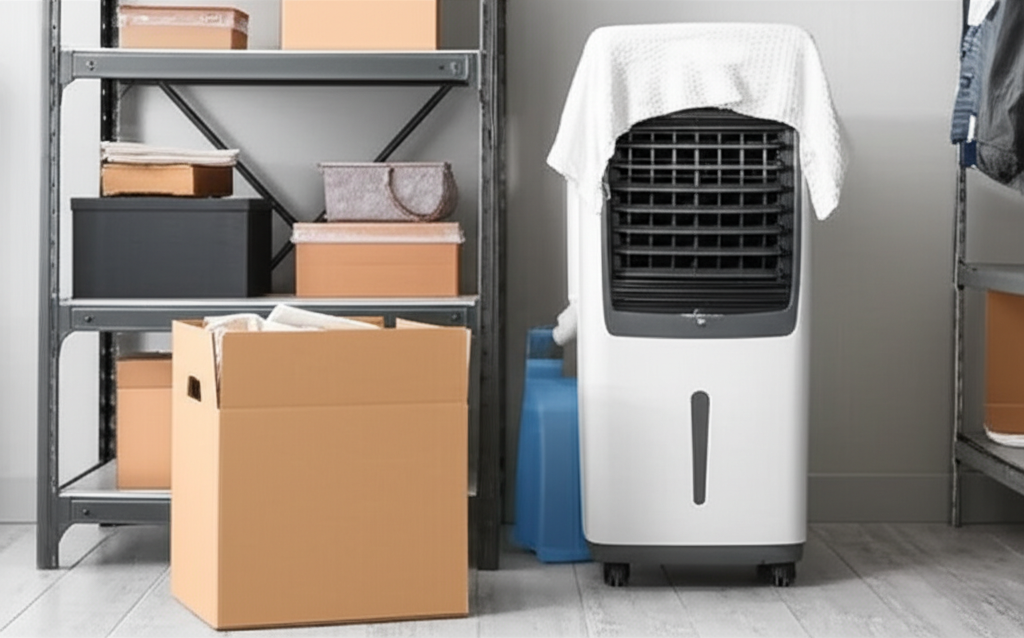
You must get all the standing water out. Old water breeds bacteria and mold very fast. Look for the drain plug, usually near the bottom of the unit. Tilt the cooler carefully and let every last drop run out. If your model has a pump, you might need to run it briefly with no water to clear the lines, but check your manual first.
Cleaning the Filter and Pads
The filter and cooling pads trap dirt all summer. They must be spotless before storage.
- Remove the filter screen or pad assembly. Most just slide or clip out.
- If you have a washable filter, wash it gently with warm, soapy water. Rinse it really well so no soap is left behind.
- For the cooling pads (often made of wood fiber or honeycomb material), you can spray them with a weak solution of water and white vinegar. This helps kill any remaining germs. Rinse thoroughly afterward.
Step 3: The Crucial Drying Process
I cannot stress this enough: Everything must be bone dry. Even a little dampness will cause mildew during storage. This step takes patience, but it saves you trouble later.
Run the fan only—with no water in the tank—for about 30 minutes on the highest setting. This pulls dry air over the pads and inside components. Let everything air dry completely in a well-ventilated spot for a full day if you can.
Step 4: Protecting the Components
Once dry, it is time to cover the openings. This keeps bugs and dust from crawling inside while it waits for next year.
- If your unit has removable exterior panels, take them off and clean them separately.
- Cover the air intake and output vents with plastic bags or painter’s tape. This is a simple bug-proofing trick.
Step 5: Choosing the Best Storage Location
Where you keep the cooler is almost as important as how you clean it. You are looking for a place that is stable and dry.
Avoid basements or garages that get very humid or damp. Extreme cold can also sometimes damage plastic parts, though most coolers handle mild cold fine.
The best spot is usually inside a closet or a dry storage room in your main house.
Step 6: Covering and Securing the Unit
The final shield against dust is a good cover. Do not just throw an old sheet over it.
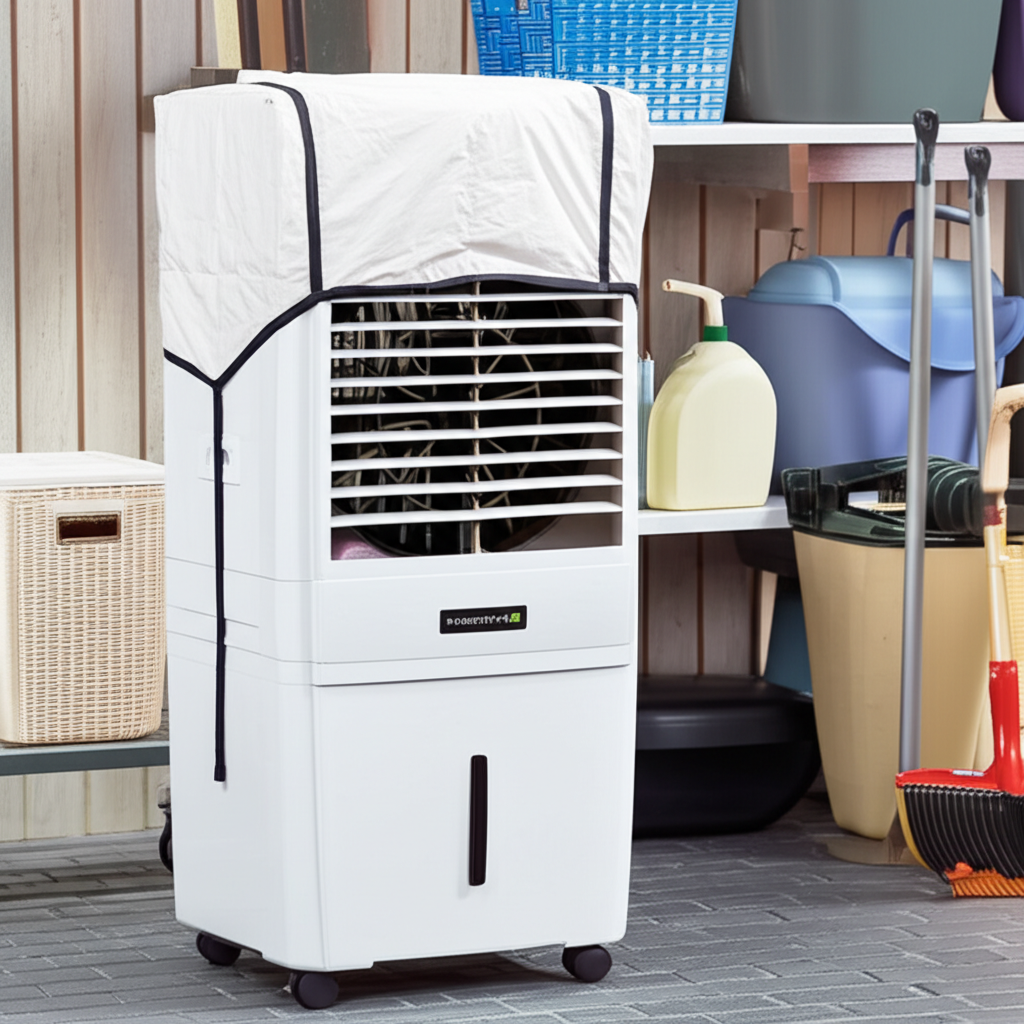
Use a proper appliance cover or a large, heavy-duty plastic bag. Make sure the cover is breathable if possible, but sealed well enough to keep dust out. If you wrap it tightly in plastic, make sure the unit was 100% dry first, or you will trap moisture inside!
If you have the original box, use that! It is designed to protect the unit best.
Quick Comparison: AC Cooler vs. Portable AC Unit Storage
People often confuse simple air coolers (evaporative coolers) with portable air conditioners (which use refrigerants). Their storage needs are slightly different.
| Feature | Evaporative Air Cooler (Swamp Cooler) | Portable Air Conditioner (PAC) |
|---|---|---|
| Water Management | Must drain and dry pads completely. | Must drain the condenser tank completely. |
| Refrigerant Lines | None. Simple storage. | Must protect the exhaust hose from kinks or crushing. |
| Mold Risk | High risk due to water usage. Drying is essential. | Lower risk, but still requires cleaning the drain pan. |
For more general energy-saving tips, you can always check out the great advice over at Energy.gov.
Common Mistakes to Avoid When Storing Your Cooler
Sometimes, knowing what not to do saves the most hassle. Here are a few easy traps beginners fall into.
- Leaving Water Inside: This is the number one mistake. It guarantees mold growth.
- Using the Wrong Cover: Using a thin, non-breathable plastic bag without ensuring dryness can trap humidity.
- Storing in the Garage Without Protection: Garages often have fluctuating temperatures and pests that might chew on wires.
- Not Cleaning the Filter: Storing a dirty filter means dust cakes onto the motor bearings all winter.
Frequently Asked Questions (FAQ)
Q1: Can I store my air cooler outside in a shed?
A: Only if the shed stays dry and doesn’t freeze solid. If it gets very damp, bring it inside the house or garage.
Q2: How long should I let the unit dry before covering it?
A: Aim for at least 24 hours after running the fan dry. If you can feel any dampness, wait longer. Better safe than sorry!
Q3: Do I need to clean the pump before storing?
A: Yes! Run a little clean water through the pump system a couple of times after draining, then drain it one last time. This flushes out sediment.
Q4: Is it okay to store the unit on its side?
A: Generally, no. Store it upright, just as you use it. Storing it on its side can sometimes let water seep into electrical areas.
Q5: What if I lost the original box? What should I use?
A: A large, heavy-duty moving bag or a dedicated appliance cover works great. Just make sure it’s well padded on the bottom corners.
Q6: Do I need to remove the water pump?
A: For most modern, self-contained units, no. Just make sure the water lines are clear and drained. Check your owner’s manual if you are unsure!
Taking care of your air cooler during the off-season is really simple maintenance. It only takes an afternoon, but it pays off big time next summer when you plug it in and it works perfectly. You deserve easy comfort! Keep up these small steps, and your AC unit will serve you reliably for years to come. Happy cooling—or relaxing until the heat returns!
