

Quick Fix: Bad AC odor usually means mold or mildew is growing on damp parts like the filter or drain pan. Clean your filter weekly, flush the drain line, and use a specialized AC cleaner to stop that musty smell fast.
How To Prevent Bad Odor From Air Cooler: Amazing Fixes
Is your air conditioner blowing out a smell that reminds you of old gym socks or a damp basement? That is not the fresh air you paid for. Many folks worry this means their AC is broken for good. Do not stress about this common problem.
I am Jack from ACReviewHub.com, and I am here to help you fix this stinky situation easily. We will skip the confusing tech talk. You will learn simple steps today to make your AC smell fresh again. Let us get your cool, clean air back!
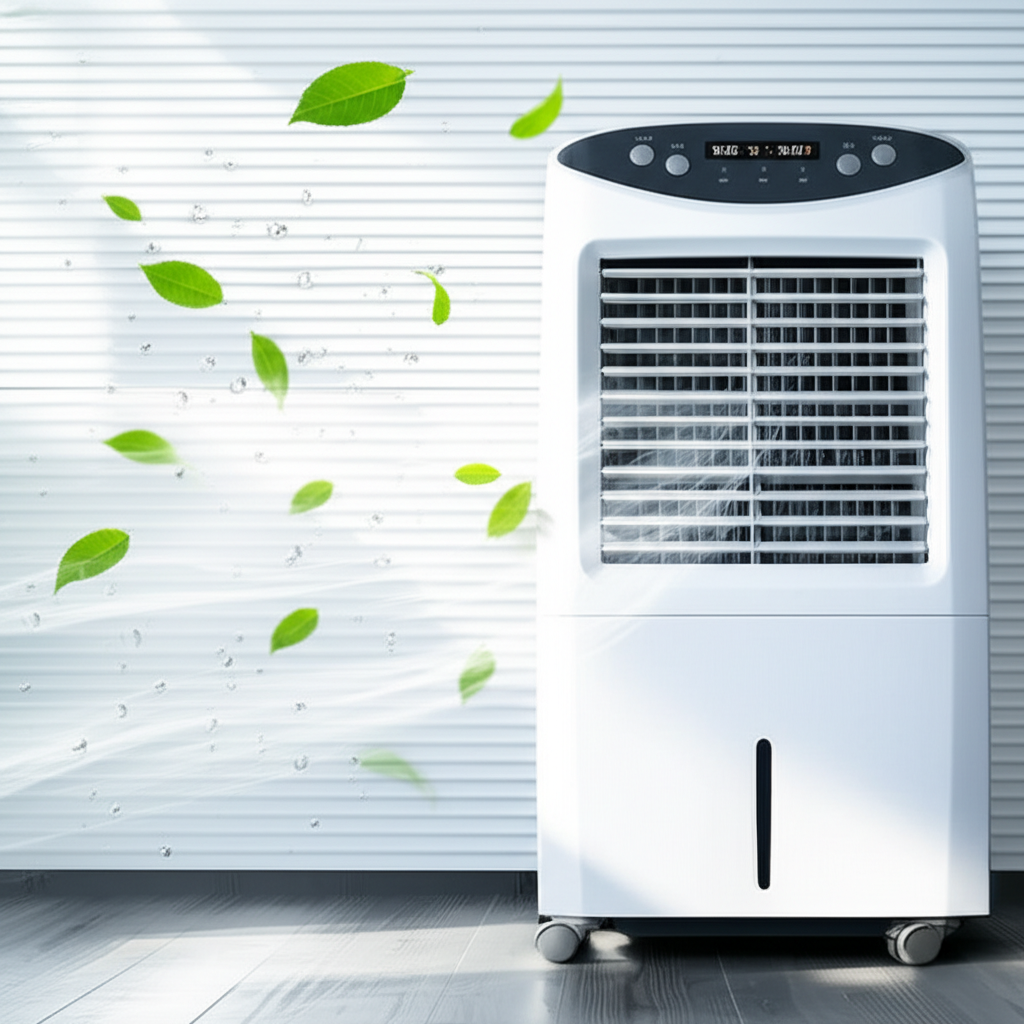
Why Does My AC Smell Bad in the First Place?
That funky smell is almost always caused by moisture meeting something organic inside your unit. Think of it like a forgotten lunchbox left in a dark corner.
The main culprits are usually mold, mildew, or bacteria. These tiny things love to grow where it is dark and wet inside your AC system.
Sometimes, the smell can be different. We see three main types of bad smells that tell us different things.
The Three Most Common AC Smells and What They Mean
| Smell Type | What It Usually Is | The Quick Fix Idea |
|---|---|---|
| Musty/Moldy Smell | Mold or mildew growth in the drain pan or coils. | Deep clean the coils and empty the drain pan. |
| Rotten Egg/Sulfur Smell | A dead pest (like a mouse) stuck in the ductwork or unit. | Locate and safely remove the dead animal. |
| Sour/Vinegary Smell | Usually caused by bacteria buildup in the condensate drain line. | Flush the drain line with a mild bleach solution. |
Step 1: The Easiest Fix—Clean or Replace Your Air Filter
The air filter is the first line of defense. If it is clogged, it traps dust, pet dander, and moisture. This makes a perfect breeding ground for smelly mold.
For most home AC units, cleaning or replacing the filter is the most important thing you can do. This simple step solves about half of all odor problems.
Filter Maintenance Schedule (Keep it Simple!)
- Check Monthly: Always look at your filter when you pay your bills.
- Replace Disposable Filters: Change these every 30 to 90 days. If you have pets or allergies, change them more often—maybe every 3 weeks.
- Clean Reusable Filters: Take the filter out and wash it gently with warm, soapy water. Make sure it is completely dry before putting it back in.
Step 2: Tackle the Hidden Danger—The Drain Pan and Line
When your AC cools your house, it pulls water out of the air. This water drips into a shallow pan called the condensate drain pan.
If this pan does not drain well, water sits there for too long. Slime, algae, and mold start growing in that standing water. That slimy goo smells terrible when the AC kicks on.
How to Flush Your Condensate Drain Line
This sounds technical, but it is just pouring something harmless down a tube. You are making sure the water flows freely outside.
- Locate the Access Point: Find the PVC pipe that runs from your indoor unit (usually near the furnace or air handler). There should be a capped opening near the top.
- Prepare Your Solution: Mix one part household bleach with 16 parts water. This is a weak solution, safe for the PVC.
- Pour Slowly: Carefully pour about half a cup of the solution directly into that access opening.
- Listen: You might hear it bubble or gurgle as it cleans out the clog. Wait about 30 minutes.
- Test It: If you have a window unit, pour a little plain water in the top to see if it drains easily out the bottom.
Pro Tip: Do this flush every spring before you start using the AC heavily. This keeps the slime from building up all summer.
Step 3: Deep Cleaning the Coils (The Smelly Spots)
The evaporator coil is the part that gets freezing cold. It is also where condensation happens. If you have a musty smell, the coil is likely damp and dirty.
You should never spray water directly onto the indoor coil unless you know what you are doing. For beginners, use a specialized foam cleaner.
Using AC Coil Cleaner Safely
You can buy special “no-rinse” foam cleaners made just for AC coils at any hardware store. They are usually easy to use.
- Turn Off Power: Always shut off the power to your AC system at the breaker box first. Safety first!
- Remove the Filter: Get the filter out so you can see the coil behind it.
- Spray the Foam: Spray the foam cleaner evenly across the surface of the evaporator coil. It will look bubbly.
- Let It Work: The foam is designed to break down the grime. It will slowly drip down into the drain pan, taking the dirt with it.
- Wait and Restore Power: Wait the time listed on the can (usually 15 minutes), then put the filter back in and turn the power back on.
If you have an outdoor unit (the condenser), you should also spray the outside fins with a garden hose from the inside out to remove dirt and debris yearly.
When to Call a Professional for Odor Help
Most odors are easy fixes for a homeowner. But sometimes, the smell means something bigger is wrong. You should call an HVAC technician if you notice these things:
- The smell is strong but you cannot find the source after cleaning the filter and drain.
- You suspect a dead animal deep inside the vents or furnace blower.
- The smell is like burning plastic or electrical wires (this is an emergency!).
- You see visible, thick mold growth on the parts you can access.
According to experts at Energy.gov, routine professional maintenance keeps your system running efficiently and prevents small issues from becoming big, smelly disasters.
Preventing Future Odors: The Long-Term Cool Plan
Staying ahead of the problem is easier than fixing a stinky emergency. Think of this as your simple AC wellness check.
Your Monthly Odor Prevention Checklist
| Task | Frequency | Notes for Beginners |
|---|---|---|
| Change/Clean Filter | Every 1–3 Months | The most important step for clean air. |
| Drain Line Flush | Twice a Year (Spring & Fall) | Use the weak bleach/water mix to keep lines clear. |
| Coil Inspection | Annually (Before Summer) | Check for visible dust or slime on the indoor coil. |
| Keep Vents Clear | Weekly | Make sure furniture is not blocking air return vents. |
One final, simple trick: When you are about to turn the AC off for the season (or for a long time), run the fan only for about 15 minutes first. This helps dry out the damp components inside before you shut the system down, preventing mildew from setting up camp.
Frequently Asked Questions About Smelly ACs
Here are quick answers to the questions I hear most often about stinky air conditioning.
Q: Can I just spray Febreze into the vents to cover the smell?
A: No, please do not! Air fresheners will just mix with the mold smell, making it worse, and you do not want those chemicals blowing all over your house.
Q: My window AC smells, but it does not have a drain line like a big unit. What do I do?
A: Window units drain outside by design. Take the unit out of the window (if safe) and clean the dust and gunk off the front grill and the little fins inside the back half with a soft brush and mild soap.
Q: I replaced the filter, but the smell is still there. Now what?
A: If the filter is new, the problem is deeper. Go straight to Step 2: flushing the condensate drain line. That standing water is usually the next culprit.
Q: How often should my whole system be professionally checked?
A: Experts recommend a full professional tune-up once a year, usually in the spring before the heavy cooling season starts.
Q: Can mold in my AC make me sick?
A: Yes, it can. Mold spores can cause allergy flare-ups, sneezing, and sometimes respiratory issues. Cleaning is important for your health, not just comfort.
Q: My AC smells like burning plastic. Should I clean it?
A: Stop immediately! If you smell burning, turn the power off at the breaker box. This means a wire or motor is overheating, and you need a professional repair right away.
Keep Your Cool, Keep It Clean
See? Dealing with a smelly air conditioner is not scary at all when you know the simple steps. It almost always comes down to moisture control.
Remember to check that filter every month and give that drain line a quick flush twice a year. Consistent, simple care saves you money and keeps your home smelling clean and feeling cool all year long.
You have got this! Happy cooling from your friend Jack.
