
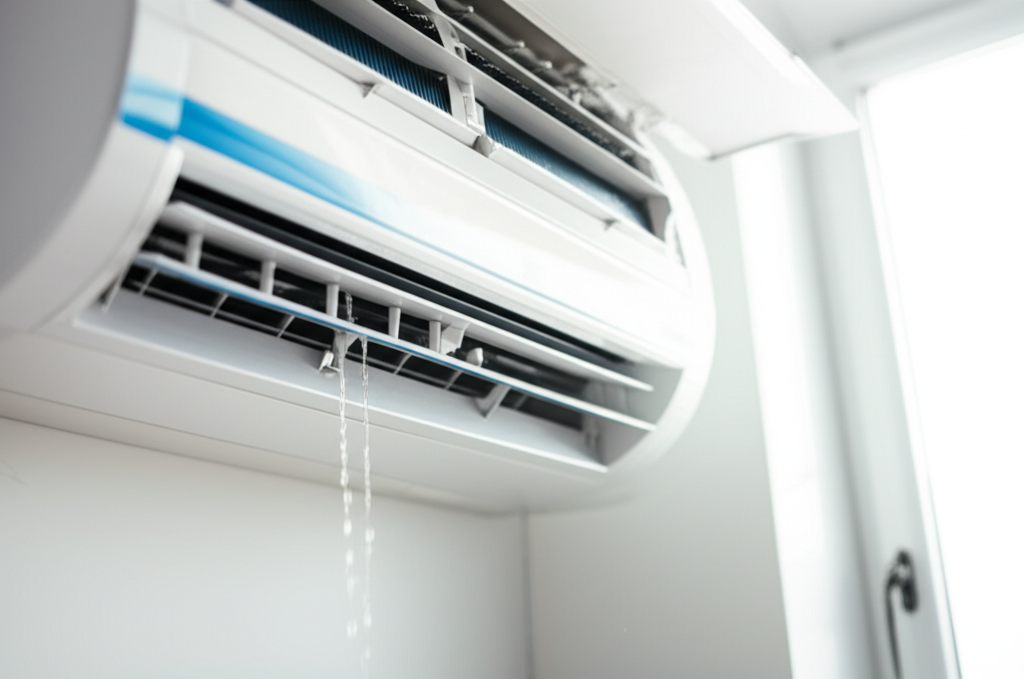
Window AC leaking water inside is usually caused by a clogged drain line, improper installation (tilt), or a frozen evaporator coil. Don’t panic; these are often simple fixes you can handle yourself to stop the drip and save your floor!
Hey there! Jack here from ACReviewHub.com. Seeing water pool around your window AC unit is never fun. It feels like a big problem, right? Maybe you are worried about water damage or a huge repair bill. Don’t sweat it! Most of the time, this dripping is easy to figure out. We are going to walk through this together, step-by-step. By the end of this guide, you will know exactly why that water is showing up and how to stop it fast.
Why Your Window AC Is Crying: The Top 3 Culprits
When your window air conditioner leaks inside, it means water that should be leaving the unit is finding a way indoors instead. This happens for a few main reasons. Let’s look at the most common ones.
1. The Clogged Drain Line: A Traffic Jam Inside
Your AC unit removes humidity from the air. That collected water (called condensation) needs a clear path to drain outside. If the drain hole or tube gets clogged, the water backs up.
This backed-up water then overflows the drip pan and spills right onto your floor or windowsill. Think of it like a sink that won’t drain.
2. Installation Angle: Leaning the Wrong Way
Window AC units need to be installed slightly tilted outward, towards the outside of your home. This slight slope is crucial for gravity to pull the condensation outside through the drain hole.
If your unit is installed too level, or worse, tilted slightly inward toward your room, the water pools inside instead of exiting. A few degrees make all the difference!
3. Frozen Coils: Too Cold, Too Fast
Sometimes, the part of the AC that gets cold (the evaporator coil) freezes over. This usually happens when the unit is running too long, the air filter is dirty, or the refrigerant level is low.
When that ice melts, it creates a massive amount of water that overwhelms the small drain system, leading to a big indoor leak.
Quick Fixes: How to Stop the Drip Today
Before you call a pro, let’s try these simple checks. Remember, safety first—always unplug the unit before poking around inside!
Step-by-Step: Clearing a Clogged Drain Line
This is the fix for most minor leaks. You will need a small wire, a pipe cleaner, or even a straightened paperclip.
- Unplug the AC: Always disconnect the power source completely before starting any work.
- Locate the Drain Hole: This is usually a small hole on the bottom of the unit, often on the outside chassis, where the water is supposed to exit.
- Gently Probe the Hole: Carefully insert your cleaning tool (like the paperclip) into the drain hole. Wiggle it gently to break up any sludge, dirt, or mold blocking the way.
- Flush It Out (Optional): If you can safely access the drain pan area from the inside (often requiring removing the front filter cover), you can pour a tiny amount of distilled white vinegar or water through the drain tube to flush debris out.
- Test It: Plug the unit back in and let it run for 30 minutes. Check if the water is now dripping normally outside.
Checking the Installation Tilt
If the drain line seems clear, check how the unit sits in the window.
- Visual Check: Look at the front of the unit from the inside. Does it look perfectly level, or is the side near the room slightly higher?
- Use a Level: If you have a small bubble level, place it on the top edge of the unit. It should show a slight downward slope toward the outside.
- Adjust If Needed: If it’s level or tilted in, you need to adjust the mounting bracket or add shims behind the unit on the outside to create that necessary outward tilt. (Be careful not to loosen the mounting too much!)
When Your AC Freezes Up: Thaw and Troubleshoot
If you notice ice forming on the front grille or the unit is blowing warm air along with leaking water, you have a freezing issue. You must fully thaw it before proceeding.
Thawing and Cleaning Process
| Step | Action | Why We Do This |
|---|---|---|
| 1 | Unplug and Turn Off. | Safety first! |
| 2 | Remove the Front Panel and Filter. | To access the icy coils. |
| 3 | Let it Thaw Completely. | Turn the fan to “On” (no cooling) and let the ice melt naturally for several hours. Place towels below to catch the water. |
| 4 | Clean the Filter. | Wash the removable air filter thoroughly. A dirty filter blocks airflow, causing freezing. |
| 5 | Restart and Monitor. | If it freezes again quickly, the problem might be low refrigerant, which needs a technician. |
For more detailed energy efficiency tips and understanding AC ratings, check out resources from the Department of Energy.
Troubleshooting Guide: Matching Symptoms to Solutions
Sometimes the leak isn’t obvious. Use this quick chart to narrow down your issue.
| Symptom | Most Likely Cause | Next Action |
|---|---|---|
| Water drips only when the AC runs hard. | Clogged drain line or dirty coil. | Clean filter and check the drain tube. |
| Water drips constantly, even when the AC is off. | Improper tilt (unit is catching condensation from humidity). | Check the unit’s outward angle immediately. |
| Ice is visible on the coils or front grille. | Dirty filter or low refrigerant. | Thaw unit and thoroughly clean the filter. |
| Water leaks from the area where the unit meets the window frame. | Poor sealing or incorrect installation gaps. | Re-secure mounting brackets or use foam weather stripping. |
When to Call in the AC Pros
While most leaks are DIY-friendly, some issues require a certified technician. If you’ve cleaned the drain, checked the tilt, and cleaned the filter, but the water keeps coming, it might be time to call for backup.
- Low Refrigerant: If the coils freeze repeatedly even after cleaning, you likely have a refrigerant leak. This requires specialized tools to fix safely.
- Damaged Drip Pan: If the plastic pan holding the condensation has cracked, it needs professional replacement.
- Electrical Issues: If the leak seems related to internal electrical components, don’t touch it—call an expert immediately for safety.
Frequently Asked Questions from New AC Owners
I know you might have a few more questions buzzing around. Here are the answers to what I hear most often.
Q: Is it normal for a window AC to make noise?
A: A little hum and whirring is normal! Loud rattling or grinding means something is loose or the fan blade is hitting something. Check for loose screws.
Q: How often should I clean my AC filter?
A: If you use it daily during summer, aim for cleaning it every two to four weeks. It’s the easiest way to keep efficiency up!
Q: Can I just stick a bucket under the drain hole?
A: You can temporarily, but buckets don’t solve the root cause. You need to fix the blockage or the tilt so the water drains properly outside.
Q: My AC is only a year old, why is it leaking?
A: Even new units can leak if they were installed slightly crooked or if dust settled in the drain line during storage before you started using it this season.
Q: How do I know what BTU size I need?
A: Generally, you need about 20 BTUs per square foot. A 10×10 room needs about 2000 BTUs, but always check a sizing chart to avoid buying one that’s too big or too small!
Q: Is it okay if the outside part of my AC is dripping a little?
A: Yes! A little drip from the outside during hot, humid days is perfectly fine. That’s the condensation doing its job and draining away.
Taking care of your air conditioner doesn’t have to be complicated. By being proactive and checking simple things like the drain path and the tilt, you can handle most water leaks easily.
Keep those filters clean and check that slight downward angle every spring. Consistency is the secret weapon for saving money on repairs and energy bills.
You’ve got this — and cool, comfortable air is just a few simple steps away.
