
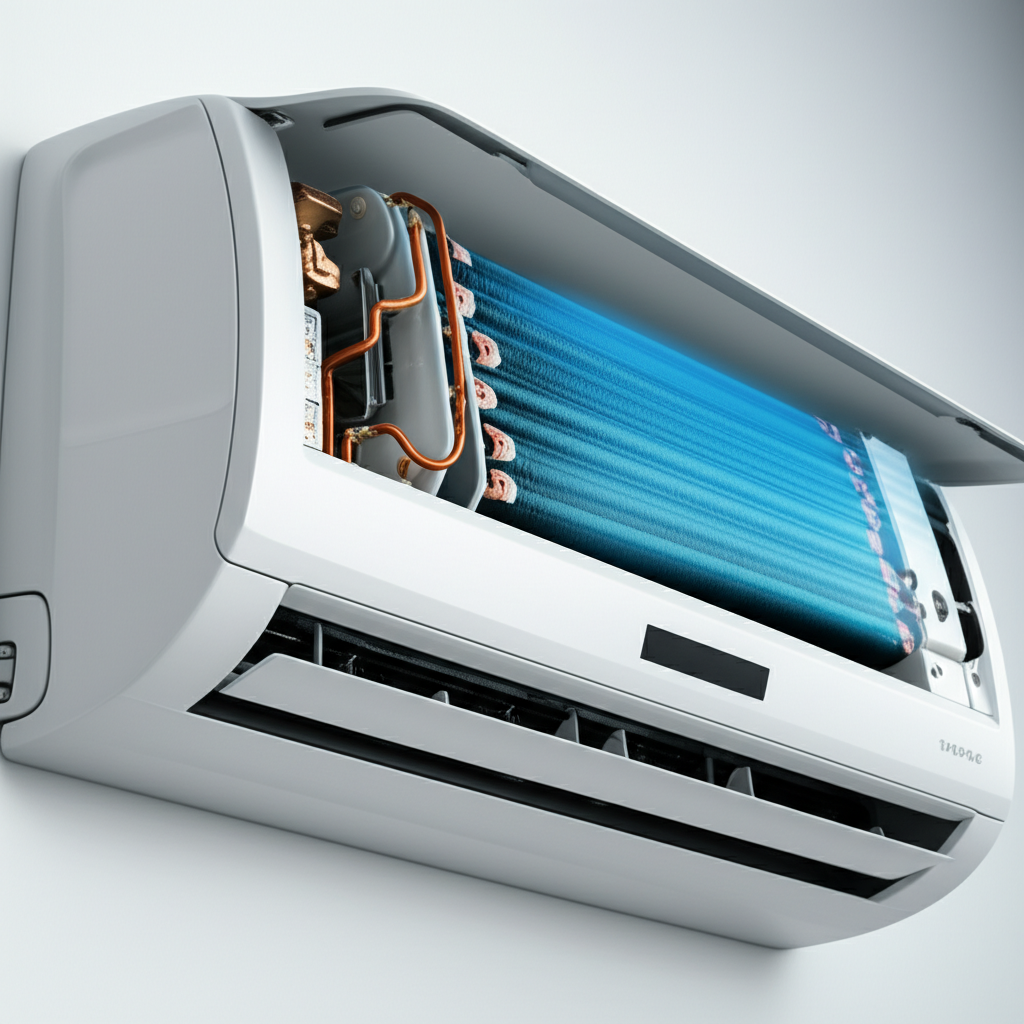
Quick Summary: A window AC works by pulling hot air in, using refrigerant to cool it down, and then blowing that nice, cold air back into your room while pushing the unwanted heat outside. It’s a simple, efficient cooling box!
How Window AC Works: Amazing Cooling Secrets
Are you tired of feeling sticky and unsure how that noisy box in your window actually cools your room? Many folks feel confused when looking at their window AC unit. It seems like magic, but it’s really just smart science. Don’t worry one bit; I’m Jack from ACReviewHub.com, and I’m here to break down these cooling secrets for you. By the end of this guide, you’ll know exactly how your unit works, how to keep it humming along, and how to save a few bucks on your electric bill.
The Big Picture: What Exactly is a Window AC?
A window air conditioner is an all-in-one cooling machine. Everything it needs to cool your space is packed into one neat box that sits right in your window frame. It has two main jobs: taking heat out of your room and getting rid of that heat outside. That’s the core concept, and it’s easier than you think.
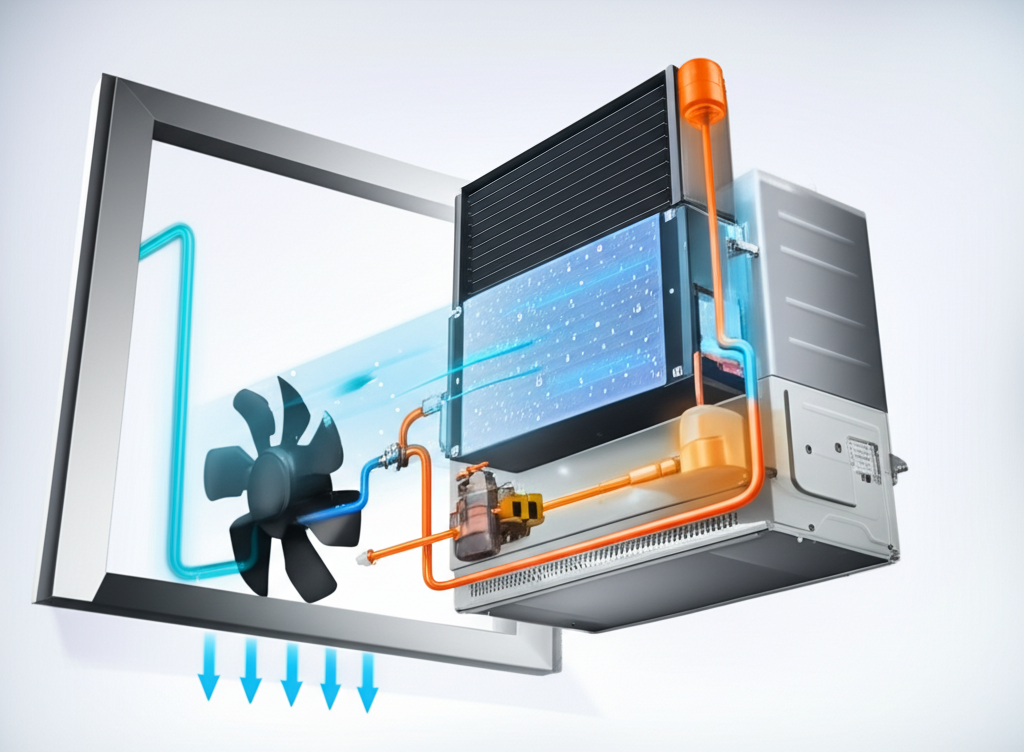
The Four Essential Parts of AC Cooling Magic
To understand how your AC cools, you need to know about its four main players. Think of them as a team working together to move heat. We don’t need the scary technical names; let’s call them what they do.
1. The Cold Maker (Evaporator Coil)
This coil sits inside your house, where the air is warm. It’s filled with a special liquid called refrigerant. As your room air blows over this cold coil, the heat transfers from the air into the refrigerant. This is where the “cooling” part actually happens. The refrigerant turns into a cool gas.
2. The Air Mover (Fan)
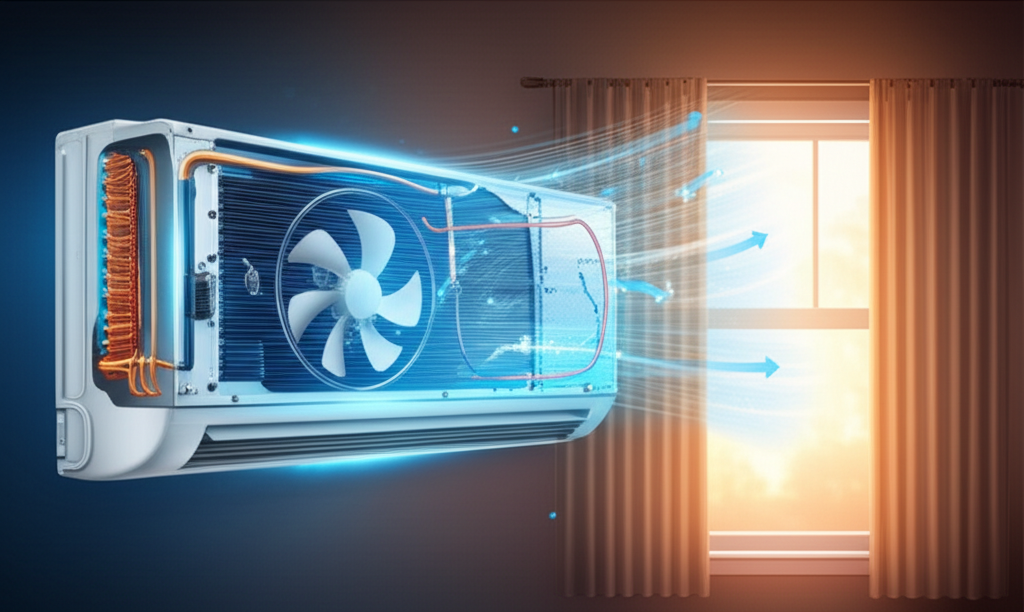
A fan pulls the warm room air across that cold evaporator coil. Then, another fan pushes the newly cooled air back out into your room, making you feel comfortable. Simple as that—air in, cold air out.
3. The Heat Mover (Compressor)
This is the heart of the system, usually sitting in the back half of the unit outside. The compressor takes that warm refrigerant gas and squeezes it really hard. Squeezing the gas makes it super hot. This is crucial because you can only push heat from a hot place (the compressor) to an even hotter place (the outside air).
4. The Heat Releaser (Condenser Coil)
This coil is located on the outside side of your AC unit. The super-hot, high-pressure gas from the compressor flows through these coils. A fan blows outside air over these hot coils, releasing the heat outside. As the heat leaves, the refrigerant cools down and turns back into a liquid, ready to start the cycle again.
Step-by-Step: The Refrigeration Cycle Explained Simply
It’s a continuous loop, or a cycle. Here is the journey of the heat being moved out of your room:
- Warm room air hits the cold evaporator coil (inside). Heat is absorbed.
- The refrigerant turns into a warm gas.
- The compressor squeezes the gas, making it very hot.
- The hot gas moves to the condenser coil (outside).
- Outside air blows over the condenser coil, releasing the heat.
- The refrigerant cools down, turns back into a liquid, and heads back inside to repeat the process.
Setting Up Your Window AC: Quick Installation Tips
Getting your unit installed correctly is vital for efficiency. If it’s wobbly or angled wrong, it won’t drain properly.
Here is a basic checklist for safe setup:
- Measure your window opening to ensure the unit fits snugly.
- Slide the unit into the window frame gently.
- Use the provided accordion side panels to seal the gaps on both sides.
- Crucially, angle the unit slightly downward toward the outside (about 1/4 inch). This lets condensation drain outside, not onto your floor.
- Secure the mounting brackets tightly according to the manual.
- Plug the unit directly into a grounded wall outlet—never use an extension cord.
Keep It Running Cool: Easy Maintenance Routines
The secret to saving money and keeping your AC powerful is maintenance. Most performance issues are just dirty filters!
Your Monthly AC Health Check
| Task | Frequency | Why It Matters |
|---|---|---|
| Clean or Replace Air Filter | Every 2–4 Weeks (during heavy use) | Allows maximum airflow; keeps coils clean. |
| Check the Exterior (Condenser) | Monthly (visually) | Ensure leaves or debris aren’t blocking heat release. |
| Clean the Unit Exterior | Seasonally | Dust buildup reduces efficiency quickly. |
Troubleshooting 101: When Cooling Goes Wrong
If your room feels warm even when the AC is running, don’t panic! Often, the fix is easy and doesn’t require calling a technician right away.
Simple Fixes for Common Window AC Problems
| Symptom | Most Likely Cause | Easy Fix |
|---|---|---|
| AC runs but isn’t cold | Dirty filter or clogged coils | Clean the filter thoroughly. |
| Unit is frozen/icy | Restricted airflow (dirty filter) or unit angled incorrectly. | Turn AC off, let it thaw completely, then clean filter and check tilt. |
| Unit cycles on and off too fast | Room is too small for the AC size, or thermostat is dirty. | Set the thermostat slightly higher. |
For deeper dives into energy standards and efficiency ratings, the Department of Energy has great resources: U.S. Department of Energy on Air Conditioners.
Picking the Right Size: BTU vs. Room Size
One of the biggest mistakes beginners make is buying an AC that is too big or too small for the room. If it’s too big, it cools the air too fast without properly removing humidity—leaving you feeling clammy.
Here’s a general guide based on square footage (BTUs are the measure of cooling power):
| Room Size (Sq. Ft.) | Required Cooling Power (BTUs) |
|---|---|
| 150 to 250 | 5,000 to 6,000 BTUs |
| 250 to 350 | 7,000 to 8,000 BTUs |
| 350 to 450 | 9,000 to 10,000 BTUs |
| 450 to 550 | 12,000 BTUs |
Frequently Asked Questions About Your Window AC
Here are the quick answers to the things I hear most often at the shop.
- Q: Why is my window AC leaking water inside the room?
- A: It’s likely not tilted down enough to the outside. The water is just running toward the inside sill instead of draining out the back. Adjust the angle!
- Q: Should I set the temperature low or high?
- A: Set it where you are comfortable (usually 74°F to 78°F). Setting it to 60°F won’t cool the room faster; it just makes the unit run longer, wasting energy.
- Q: Can I run my window AC 24/7?
- A: Yes, if it’s the right size and maintained. But turning it off when you leave for many hours saves energy. Use the timer feature if you have one.
- Q: What is EER or SEER, and do I need to worry?
- A: These are efficiency ratings. Higher numbers mean the unit uses less electricity to produce the same amount of cooling. Always look for a higher EER rating when buying new!
- Q: Why does my AC smell musty?
- A: That’s usually mildew or mold growing on the damp evaporator coils. Clean the filter, and if the smell persists, you might need a deep coil cleaning or professional service.
- Q: Is it bad to turn the AC completely off and on a lot?
- A: Short cycling (turning on and off very frequently) is hard on the compressor. It’s better to set it to a moderate temperature and let it run steadily.
Final Thoughts on Keeping Cool with Confidence
Understanding how your window AC moves heat is the first step toward mastery. You now know the simple secret: it’s all about absorbing heat inside and dumping it outside using a simple refrigerant cycle. Don’t let maintenance slide, especially cleaning those filters regularly. A little bit of attention goes a long, long way in keeping your bills down and your comfort up.
You’ve got this — and cool, comfortable air is just a few simple steps away.
