
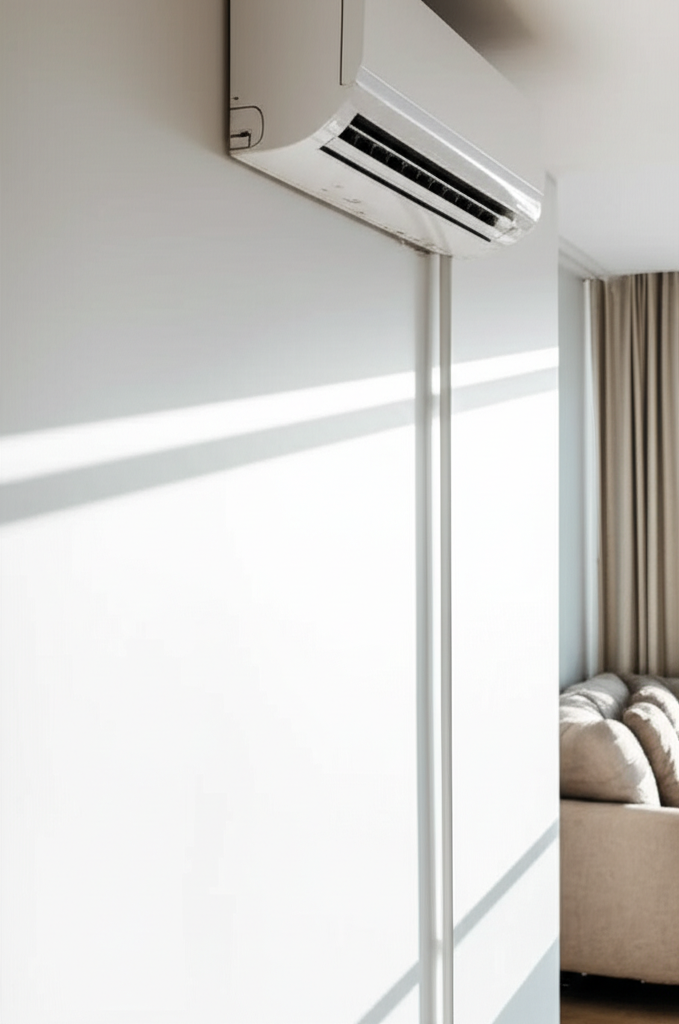
Quick Fix Summary: Hide those unsightly mini-split pipes easily! Use decorative PVC covers, built-in channels, or clever landscaping to blend the lines right into your home’s look. It’s simpler than you think!
How To Hide Mini Split Pipes: Brilliant Fixes for a Cleaner Look
Is your new mini-split AC unit working perfectly, but those visible pipes are bugging you? You are not alone. Those refrigerant lines and drain tubes are necessary, but they can look messy against a nice wall.
Dealing with AC setup can feel overwhelming. I get it. There are wires, lines, and things sticking out everywhere. But hiding the mini-split pipes doesn’t need a huge renovation project.
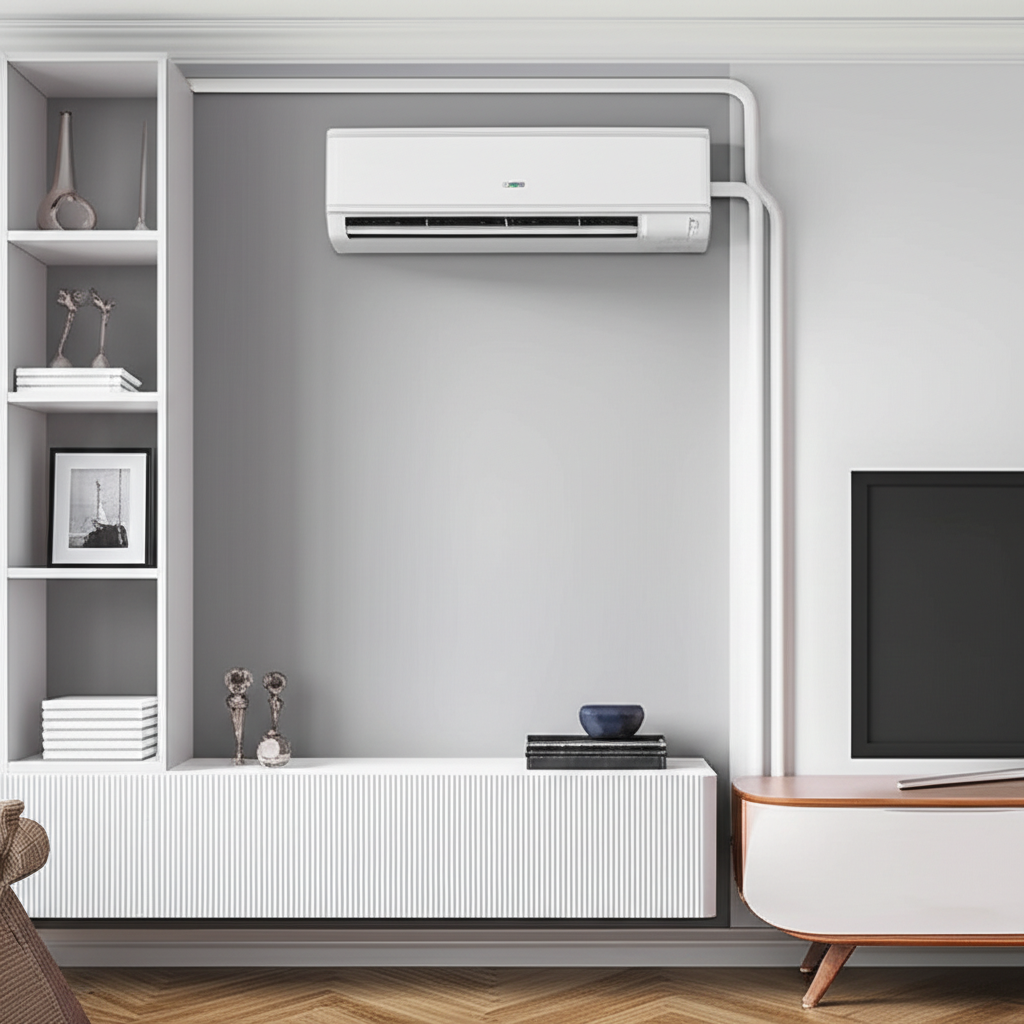
I’m Jack from ACReviewHub.com, and I’m here to make this easy. We will go through the best, beginner-friendly ways to make those pipes disappear or blend in smoothly. Let’s get your cool air looking as good as it feels.
Why Do Mini-Splits Have Those Exposed Pipes?
Mini-split systems are great because they don’t need big ductwork. But, the inside unit (the one on the wall) needs to connect to the outside unit (the compressor).
This connection needs a few things. You have the copper refrigerant lines that carry the cold stuff. You also have a small drain line to get rid of the moisture the AC pulls from the air.
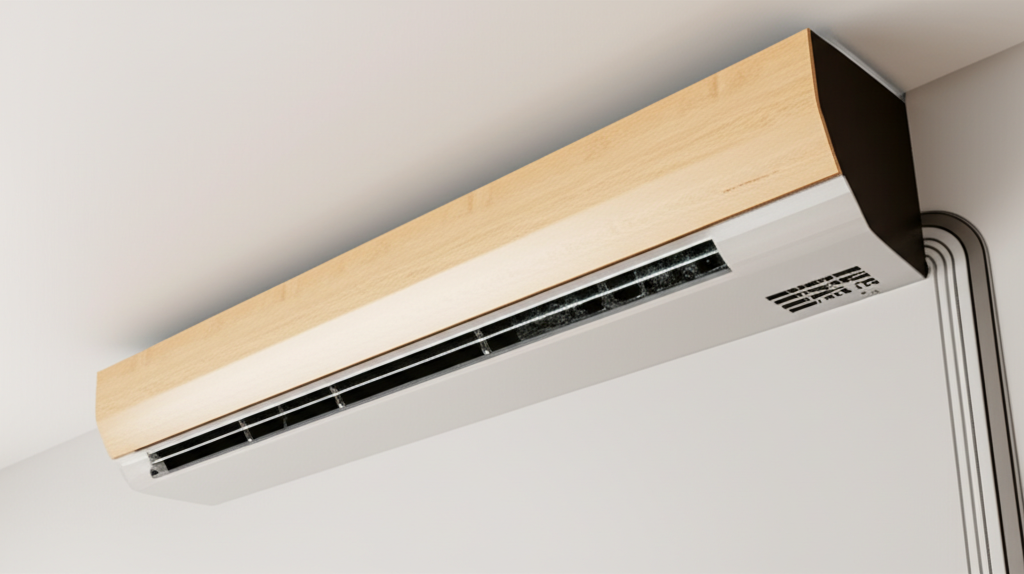
These lines must travel directly from the indoor unit to the outdoor unit. That’s why you see them running outside the wall.
Method 1: The Professional Look – Using PVC Line Covers
This is the most common and cleanest way to hide the lines. It uses hard plastic casings made just for this job.
These are often called line-hide kits or PVC conduit covers. They snap together neatly around the pipes.
Steps to Install Line Covers
Follow these simple steps to cover your lines like a pro:
- Measure the distance from the bottom of your indoor unit to where the lines enter the wall outside.
- Buy the correct color line-hide kit (usually white or tan) that matches your siding.
- Attach the base plate or mounting brackets to the wall following the path of the lines.
- Place the refrigerant lines and drain hose neatly inside the casing.
- Snap the cover pieces together. They fit like puzzle pieces.
- Seal the ends where the cover meets the wall or the outside unit with a bit of weatherproof sealant.
These covers protect the lines from sun damage too. That’s a bonus for long-term health!
Method 2: Blending In – Painting and Camouflage
If you want the lines to blend in without adding bulk, painting is your friend. This works best if the pipes run along an existing structure, like a porch column.
Painting Tips for Beginners
You can’t just use any paint. The material needs to handle heat and cold changes.
- Clean the lines first. Wipe them down with rubbing alcohol to remove dirt.
- Use a spray paint designed for metal or exterior use. Look for “exterior enamel.”
- Match the paint color exactly to your siding, brick, or trim color.
- Apply several thin coats instead of one thick coat. This prevents dripping and cracking.
If you have brick or stone siding, sometimes you can run the lines right along a mortar line where they are less noticeable.
Method 3: Going Underground or Through Walls (Advanced)
If you are installing a brand new system, you have the best chance to hide everything completely. This takes more work and often needs a professional HVAC installer.
The goal here is to run the lines inside the wall cavity if possible. This is called a “through-the-wall” installation.
If running through the wall isn’t possible, sometimes you can trench a shallow path in the ground and bury the lines using special protective conduit. Always check local building codes before burying any lines!
Clever Outdoor Hiding Spots
Sometimes you can’t cover the lines completely, but you can disguise where they go. Think about what is already outside your home.
Here are some visual tricks:
- Behind Shrubs: Plant some dense, low-maintenance bushes right next to the outdoor unit. Make sure they don’t touch the unit, as the unit needs airflow to work well.
- Decorative Screens: Use lattice panels or outdoor privacy screens (often made of wood or vinyl) to block the view of the lines running down the side of the house.
- Along Downspouts: If the lines run near a gutter downspout, you can often zip-tie them together neatly to the downspout. Paint them the same color as the downspout.
Remember, airflow is crucial for the outdoor unit. Never let plants or screens block the front or sides of the unit where the fan blows air out.
Comparing Hiding Options
Choosing the right fix depends on your budget and how permanent you want the solution to be. Here is a quick look:
| Method | Best For | Cost Level (1=Low, 3=High) | Skill Needed |
|---|---|---|---|
| PVC Line Covers | Clean, visible runs | 2 | Easy DIY |
| Painting/Camouflage | Blending into existing features | 1 | Very Easy DIY |
| Through-Wall Installation | Completely hidden lines | 3 (Requires Pro) | Expert |
| Landscaping | Obscuring lines near the ground | 1-2 (Depends on plants) | Easy DIY |
For more on keeping your AC running efficiently (which also helps save money!), check out the Department of Energy’s tips on proper installation: Energy.gov on Mini-Splits.
Common Mistakes to Avoid When Hiding Pipes
When you are trying to hide things, it’s easy to accidentally cause problems for your AC. Don’t let your good intentions cause a costly repair!
Here are the biggest mistakes I see beginners make:
- Burying Unprotected Lines: Never just bury the copper lines in the dirt. They need strong, UV-resistant conduit, or the ground moisture will destroy them over time.
- Using Duct Tape: Duct tape breaks down fast outside. It leaves sticky residue and doesn’t seal against weather. Stick to professional sealant or proper line covers.
- Restricting Airflow: This is the most serious mistake. If you build a box around the outdoor unit that is too tight, the AC can’t cool itself down, and it will quickly overheat and fail.
- Kinking the Lines: When bending the copper pipes to follow a corner, be gentle. Kinks restrict the flow of refrigerant, killing your cooling performance.
Frequently Asked Questions (FAQ)
Got a quick question about those lines? Here are the common ones I hear all the time.
Q1: Can I just paint the refrigerant lines without a cover?
A: Yes, you can paint them if they are in good shape, but make sure the paint is suitable for exterior metal and matches your wall color well.
Q2: How high off the ground should the outdoor unit lines come out?
A: Ideally, the lines should exit the house slightly above ground level, but the outdoor unit itself needs to sit on a proper pad, usually 6 to 12 inches off the ground.
Q3: Do the pipes need to be insulated?
A: They are usually pre-insulated when installed. If you see exposed copper that isn’t covered in foam, you should cover that part with appropriate foam pipe insulation before hiding it.
Q4: Can I cut the line set myself to shorten it?
A: No! Cutting the refrigerant lines releases the coolant and requires specialized vacuum pumps and gauges to recharge the system safely. Leave cutting and connecting to your installer.
Q5: Will hiding the pipes void my AC warranty?
A: Simple exterior fixes like painting or installing snap-on PVC covers usually won’t void the warranty. Major structural changes or improper handling of the refrigerant lines will.
Q6: How long should the pipe run be?
A: Most manufacturers have a maximum line length (often 50 to 75 feet). Keeping the lines as short as possible is always best for efficiency, even if you have to hide a long run.
Final Thoughts on Cleaner Cooling
Hiding those mini-split pipes doesn’t have to be a headache. Whether you choose the neat, protective PVC covers or the subtle approach of painting and landscaping, you can achieve a clean look.
Remember to always put your AC’s performance first. Never sacrifice airflow or proper sealing just to hide a few tubes.
Keep it simple, keep it clean, and enjoy that perfectly cooled space. Happy cooling!
