
Choosing the right mini split AC can transform your home’s comfort and energy bill. This comprehensive guide simplifies the process, walking you through essential steps from assessing your space and determining BTU needs to understanding energy efficiency ratings and exploring smart features. You’ll learn how to select a system that perfectly fits your requirements, ensuring optimal performance and long-term satisfaction with your mini split AC system.
How to Choose a Mini Split Ac
Are you tired of uneven temperatures in your home? Do you have rooms that are always too hot or too cold, or perhaps you’re looking for an energy-efficient way to add heating and cooling without installing ductwork? If so, a mini split AC system might be the perfect solution for you! Mini split ACs, also known as ductless mini splits, offer targeted comfort, impressive energy efficiency, and flexible installation.
But with so many options available, choosing the right mini split AC can feel overwhelming. Don’t worry, you’re in the right place! This comprehensive guide will walk you through every step of the decision-making process. We’ll break down the technical jargon, explain what matters most, and give you the confidence to select the ideal mini split AC system for your specific needs and budget.
By the end of this guide, you’ll understand:
- How to assess your cooling and heating requirements.
- The importance of BTU capacity and how to calculate it.
- The difference between single-zone and multi-zone mini split AC systems.
- What energy efficiency ratings like SEER2 and HSPF2 mean.
- Key features and smart technologies that can enhance your comfort.
- Factors to consider for installation and budgeting.
Let’s dive in and find the perfect mini split AC for your home!
Key Takeaways
- Assess Your Needs First: Before anything else, determine if you need cooling only, heating and cooling, and whether you’re conditioning one room (single-zone) or multiple rooms (multi-zone) with your mini split AC.
- Calculate BTUs Accurately: The British Thermal Unit (BTU) capacity is crucial for effective cooling and heating. Undersizing leads to insufficient comfort, while oversizing wastes energy and reduces efficiency of your mini split AC.
- Prioritize Energy Efficiency: Look for high SEER2 (cooling) and HSPF2 (heating) ratings, as well as ENERGY STAR certification, to ensure your mini split AC operates cost-effectively and environmentally friendly.
- Consider Advanced Features: Modern mini split AC units offer smart controls, sleep modes, advanced air filtration, and low ambient operation. Choose features that enhance your comfort and convenience.
- Factor in Professional Installation: While the units are ductless, proper installation is key for efficiency, longevity, and warranty validity. Budget for and prioritize certified technicians for your mini split AC installation.
- Research Brands and Warranties: Investigate reputable mini split AC brands known for reliability and customer service. Always understand the warranty terms for both parts and the compressor.
- Budget Comprehensively: Don’t just consider the purchase price. Factor in installation costs, potential electrical upgrades, and estimated annual operating costs when choosing your mini split AC.
Understanding What a Mini Split AC Is
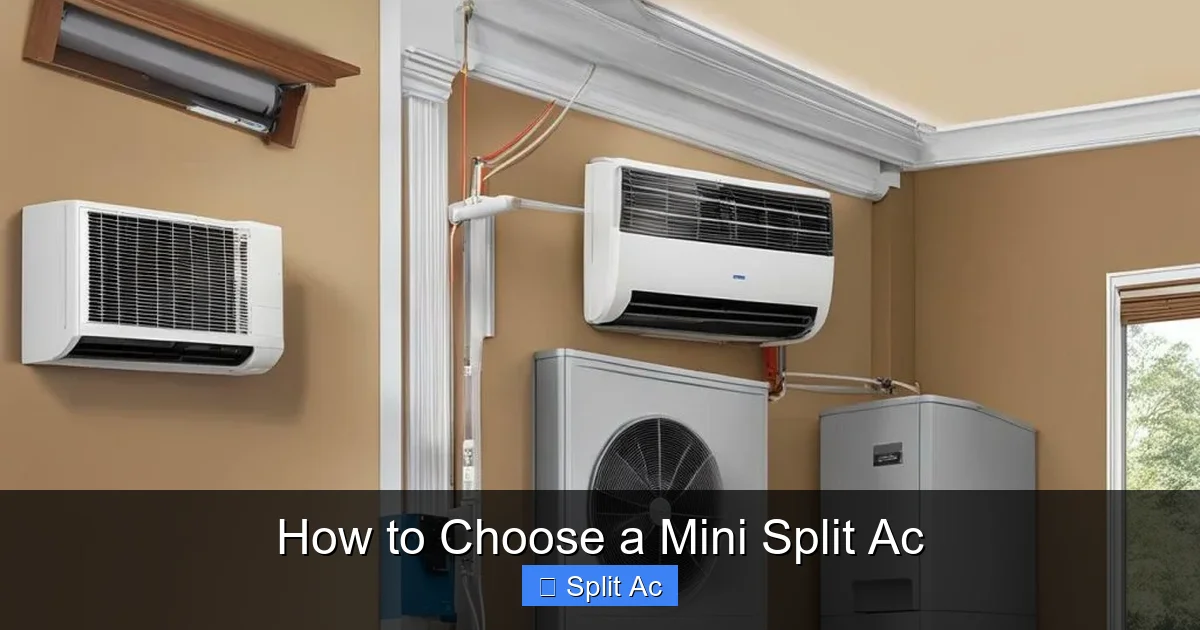
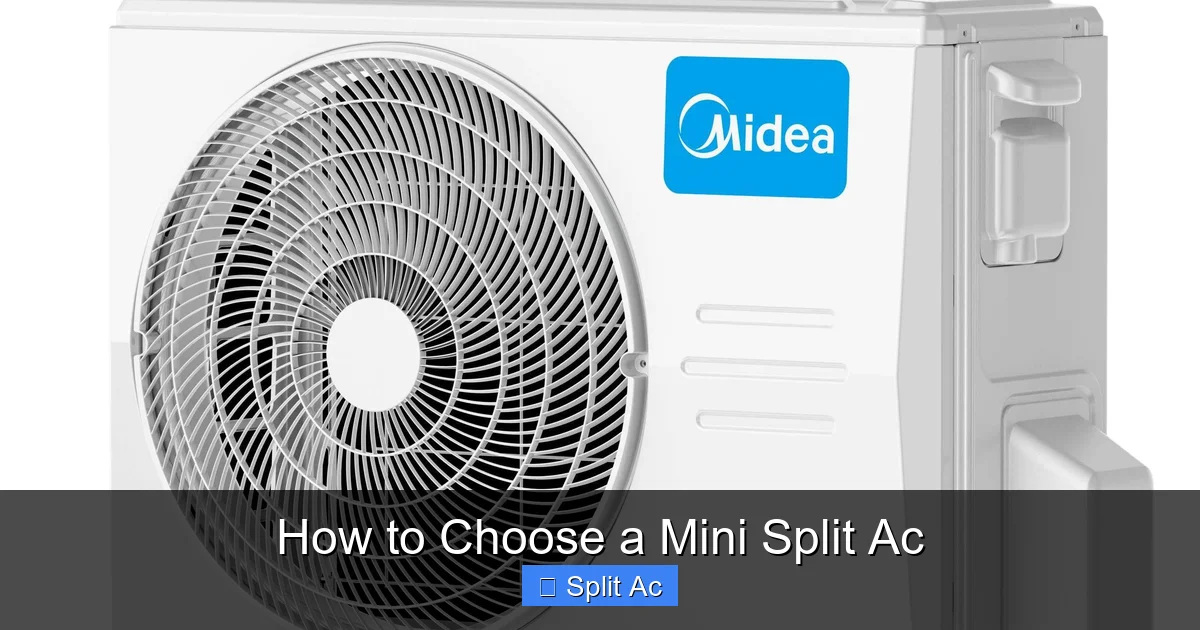
Before we get into choosing one, let’s quickly clarify what a mini split AC is. Unlike traditional central air conditioning systems that rely on extensive ductwork, a mini split AC system consists of two main components: an outdoor compressor/condenser unit and one or more indoor air-handling units. These units are connected by a small conduit that houses refrigerant lines, a power cable, and a condensate drain.
This ductless design makes mini split ACs incredibly versatile. They can be installed almost anywhere, providing precise temperature control in individual rooms or specific zones of your home. They are particularly great for additions, converted attics or basements, sunrooms, or for homes without existing ductwork. Many mini split AC models also offer both cooling and heating capabilities, acting as highly efficient heat pumps.
Step 1: Evaluate Your Space and Needs
The first and most crucial step in choosing a mini split AC is to thoroughly understand what you need it to do. This isn’t just about cooling; it’s about creating a comfortable environment tailored to your lifestyle.
Visual guide about How to Choose a Mini Split Ac
Image source: d1pjg4o0tbonat.cloudfront.net
What Functionality Do You Need?
- Cooling Only: If you live in a climate where heating isn’t a major concern, or you already have an efficient heating system, a cooling-only mini split AC might suffice.
- Heating and Cooling (Heat Pump): Most modern mini split ACs function as heat pumps, providing efficient heating in cooler months and cooling in warmer months. This is often the most popular and versatile choice, especially if you want to replace an old heating system or add heating to an area without it.
Which Rooms Need Conditioning?
Consider which specific areas of your home struggle with temperature control. Is it just one room, like a home office or a bedroom, or do you have multiple areas that could benefit from independent climate control?
- Single Room: If only one room needs attention, a single-zone mini split AC will be ideal.
- Multiple Rooms/Zones: If you want to cool or heat several different rooms independently, you’ll be looking at a multi-zone mini split AC system. We’ll delve deeper into this distinction later.
Consider Your Home’s Layout and Insulation
The effectiveness of any mini split AC unit is heavily influenced by its environment. A poorly insulated room, for example, will require a more powerful mini split AC or struggle to maintain temperature.
- Windows: How many windows does the room have? Are they energy-efficient? South-facing windows can significantly increase heat gain.
- Ceiling Height: Taller ceilings mean more air volume to heat or cool, impacting the required BTU for your mini split AC.
- Insulation: Is your attic well-insulated? Are your walls adequately insulated? Good insulation helps retain conditioned air, making your mini split AC more efficient.
- Sun Exposure: Rooms that receive direct sunlight for long periods will require more cooling power from your mini split AC.
Step 2: Determine the Right BTU Capacity
BTU stands for British Thermal Unit, and it’s the standard measurement for an AC unit’s cooling (or heating) capacity. Choosing the correct BTU size for your mini split AC is paramount. It’s one of the most common mistakes people make, leading to discomfort and wasted energy.
Visual guide about How to Choose a Mini Split Ac
Image source: d1pjg4o0tbonat.cloudfront.net
How to Estimate BTU Capacity
A general rule of thumb for cooling is to allow 20 BTUs per square foot of living space. However, this is just a starting point. Let’s look at a basic calculation:
- Measure the Room Size: Calculate the square footage of the room(s) you want to condition (length x width).
- Apply the Rule of Thumb: Multiply the square footage by 20.
- Adjust for Factors: This is where it gets more precise.
Factors Affecting BTU Needs for Your Mini Split AC
- Ceiling Height: If your ceilings are higher than 8 feet, you’ll need to increase the BTU. Add about 10% for every extra foot of ceiling height.
- Windows: Rooms with many windows, especially those facing south or west, require more BTUs. Add 10% for heavily windowed rooms.
- Sunlight: Rooms exposed to direct sunlight for long periods need more cooling power. Add 10-15%.
- Occupancy: Each additional person regularly occupying the room (beyond two) adds about 600 BTUs.
- Heat-Generating Appliances: Kitchens, home offices with multiple computers, or rooms with other heat-producing electronics will need slightly higher BTUs for the mini split AC.
- Insulation Quality: Poorly insulated rooms might need a 10-20% increase in BTU capacity.
- Climate Zone: Hotter climates generally demand slightly higher BTUs.
Example: A 300 sq ft bedroom with an 8-foot ceiling, two average windows, and minimal direct sun, occupied by two people, might need (300 sq ft * 20 BTU/sq ft) = 6,000 BTUs. If it were a sunny room with poor insulation, you might add 20-30%, pushing it to 7,200 – 7,800 BTUs. For heating, the BTU requirements can be slightly different, but most manufacturers provide both cooling and heating BTU ratings for their mini split AC units.
The Dangers of Oversizing and Undersizing
- Oversizing Your Mini Split AC: A unit that’s too powerful for the space will “short cycle” – it will reach the desired temperature too quickly, shut off, and then turn back on frequently. This wastes energy, creates inconsistent temperatures, and doesn’t allow the unit to properly dehumidify the air, leading to a clammy feeling. It also puts more wear and tear on the compressor.
- Undersizing Your Mini Split AC: A unit that’s not powerful enough will run constantly, struggling to reach the set temperature. This also wastes energy, doesn’t cool or heat effectively, and shortens the lifespan of the mini split AC unit due to continuous operation.
Always aim for the “just right” BTU capacity. When in doubt, it’s often better to consult with an HVAC professional for a precise load calculation.
Step 3: Decide Between Single-Zone and Multi-Zone Systems
This is a fundamental choice based directly on your needs from Step 1.
Visual guide about How to Choose a Mini Split Ac
Image source: d1pjg4o0tbonat.cloudfront.net
Single-Zone Mini Split AC Systems
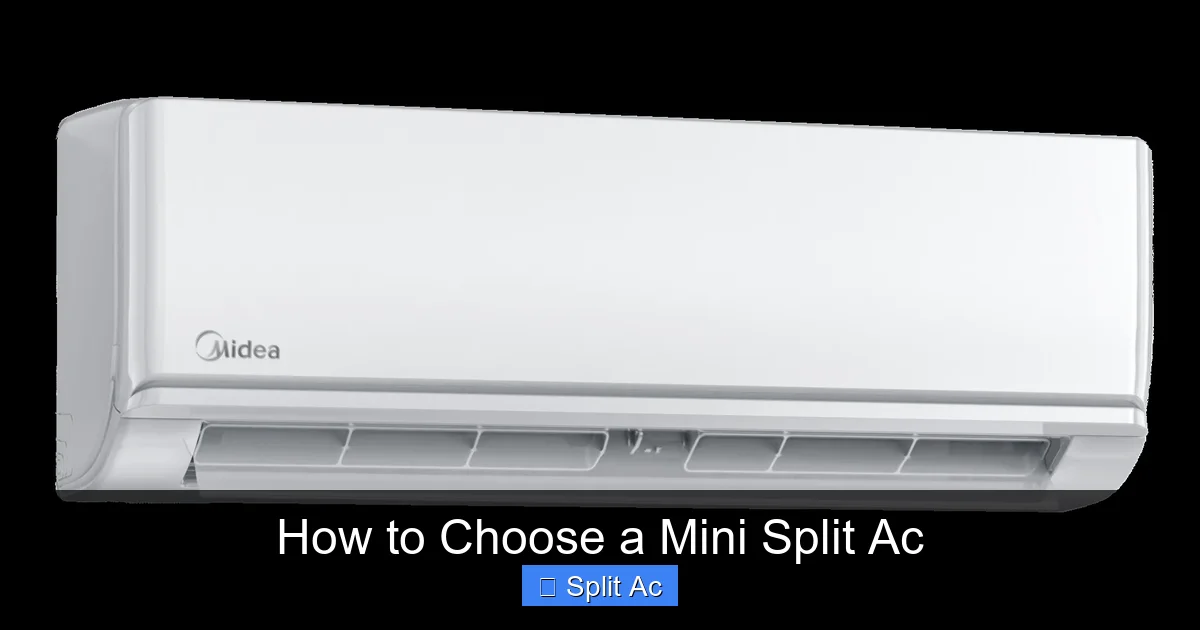
A single-zone mini split AC system consists of one outdoor unit connected to one indoor unit. It’s designed to provide heating and cooling to a single room or area.
- Pros: Generally less expensive to purchase and install than multi-zone systems, very efficient for conditioning a single space, simpler installation.
- Cons: Only cools/heats one area, not expandable to other rooms without adding more separate systems.
- Best for: Room additions, garages, workshops, small apartments, individual bedrooms, home offices.
Multi-Zone Mini Split AC Systems
A multi-zone mini split AC system uses one outdoor unit to power multiple indoor units (typically 2 to 8), each providing independent temperature control for a different room or zone.
- Pros: Each indoor unit can be controlled separately, offering customized comfort in multiple rooms; generally more energy-efficient than using multiple single-zone units for different rooms; declutters the exterior with a single outdoor unit.
- Cons: Higher initial cost, more complex installation, if the single outdoor unit fails, all connected indoor units are affected.
- Best for: Whole-home solutions, larger homes with varying temperature preferences, replacing central HVAC in homes without existing ducts.
When selecting a multi-zone mini split AC, ensure the outdoor unit’s capacity (in BTUs) can adequately support the combined BTU needs of all the indoor units it will be connected to.
Step 4: Prioritize Energy Efficiency Ratings (SEER2, HSPF2)
Energy efficiency is critical for both your wallet and the environment. Higher ratings mean lower operating costs over the lifespan of your mini split AC.
Understanding SEER2 and HSPF2
- SEER2 (Seasonal Energy Efficiency Ratio 2): This rating measures the cooling efficiency of your mini split AC. A higher SEER2 number indicates greater efficiency. As of 2023, the minimum SEER2 for new AC units varies by region but is generally around 13.4 to 14.3. Look for units with SEER2 ratings of 18 or higher for excellent efficiency.
- HSPF2 (Heating Seasonal Performance Factor 2): This rating measures the heating efficiency of heat pump mini split ACs. A higher HSPF2 number means better heating performance. As of 2023, the minimum HSPF2 is generally around 6.1 to 7.5. Aim for 9 or higher for superior heating efficiency, especially if you live in a colder climate.
These “2” ratings are newer standards designed to more accurately reflect real-world performance compared to previous SEER and HSPF ratings.
Inverter Technology
Most modern mini split AC units use inverter technology, which is a key driver of their energy efficiency. Traditional AC units cycle on and off at full power. Inverter-driven compressors, however, can vary their speed, running continuously at lower capacities to maintain a consistent temperature. This avoids the energy spikes of starting and stopping, leading to:
- More consistent temperatures.
- Lower energy consumption.
- Quieter operation.
- Extended equipment lifespan for your mini split AC.
ENERGY STAR Certification
Look for the ENERGY STAR label. This indicates that the mini split AC unit meets strict energy efficiency guidelines set by the U.S. Environmental Protection Agency. ENERGY STAR certified products are typically among the most efficient in their class.
Step 5: Explore Smart Features and Advanced Technologies
Modern mini split AC units come packed with features designed to enhance comfort, convenience, and efficiency. Decide which ones are important to you.
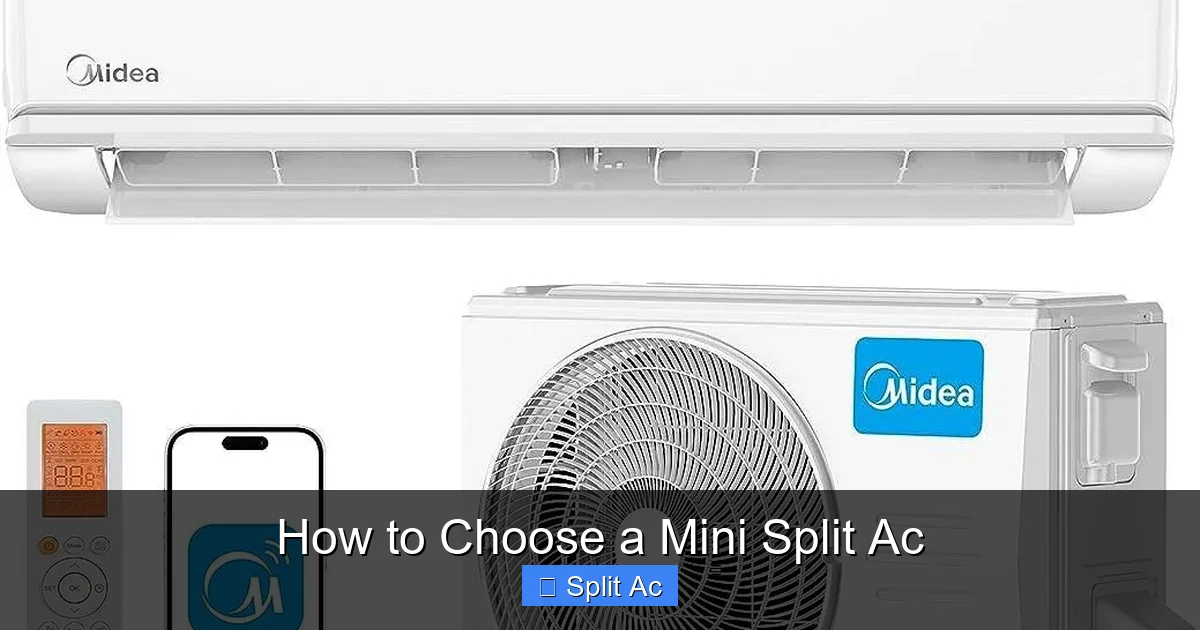
- Remote Control & Wi-Fi Connectivity: All mini split AC units come with a remote, but Wi-Fi connectivity allows you to control your system from your smartphone or smart home assistant, even when you’re away from home.
- Programmable Timers & Sleep Modes: Set your mini split AC to turn on or off at specific times, or use sleep mode to adjust temperatures gradually overnight for optimal comfort and energy savings.
- Air Filtration & Purification: Many mini split ACs include advanced multi-stage filters that can remove dust, allergens, pet dander, and even odors, improving indoor air quality. Some even have ionizers or plasma filters.
- Dehumidification Mode: A dedicated dry mode helps reduce humidity levels without excessive cooling, perfect for muggy climates.
- Self-Cleaning Function: This feature helps prevent mold and mildew growth inside the indoor unit, promoting healthier air and extending the life of your mini split AC.
- Low Ambient Operation: If you live in a very cold climate and plan to use your mini split AC for heating, ensure it’s rated for low ambient temperatures (e.g., down to -5°F or -13°F). This indicates its ability to effectively heat even when outside temperatures are well below freezing.
- Quiet Operation: Check the decibel (dB) ratings for both indoor and outdoor units, especially if noise is a concern for bedrooms or close neighbors. Many mini split ACs are remarkably quiet.
- Follow Me / I Feel Mode: This feature uses a sensor in the remote control to measure the temperature around the user, adjusting the mini split AC output to maintain comfort where you are, rather than just at the unit itself.
Step 6: Research Brands, Warranties, and Customer Support
Investing in a mini split AC is a significant decision. Choosing a reputable brand with strong support can save you headaches down the line.
Top Mini Split AC Brands
Some of the most respected and widely available mini split AC brands include:
- Daikin: Known for pioneering mini split technology and high efficiency.
- Mitsubishi Electric: Excellent reputation for reliability, quiet operation, and advanced features.
- Fujitsu: Offers a wide range of efficient and reliable mini split AC systems.
- LG: Combines innovative technology with stylish designs.
- Samsung: Known for smart features and competitive pricing.
- Gree: Often offers good value and has been a major OEM supplier.
Always read reviews, check independent ratings, and ask for recommendations from local HVAC professionals regarding mini split AC brands.
The Importance of Warranty
A good warranty protects your investment. Most mini split AC systems come with two separate warranties:
- Parts Warranty: Typically covers most components for 5-7 years.
- Compressor Warranty: The compressor is the heart of the system and usually has a longer warranty, often 7-12 years.
Some manufacturers offer extended warranties if the mini split AC system is registered within a certain timeframe or if it’s installed by a certified professional. Be sure to understand what voids the warranty (e.g., DIY installation, lack of regular maintenance).
Customer Support and Parts Availability
Consider the availability of spare parts and the quality of customer service. Can you easily get support if something goes wrong with your mini split AC? A local dealer or installer who works frequently with a particular brand can be a valuable resource.
Step 7: Plan for Professional Installation
While the term “DIY mini split AC” is out there, professional installation is strongly recommended for several crucial reasons.
Why Professional Installation is Key for Your Mini Split AC
- Refrigerant Handling: Mini split AC systems use refrigerants that require specialized tools and licensing to handle safely and legally. Improper handling can lead to leaks, environmental damage, and poor system performance.
- Electrical Work: Mini split AC units require dedicated electrical circuits. Incorrect wiring can be dangerous and damage the unit.
- System Sizing and Placement: A professional can confirm your BTU calculations and advise on optimal indoor and outdoor unit placement for efficiency, aesthetics, and noise reduction.
- Warranty Validity: Many manufacturers’ warranties are voided if the mini split AC unit is not installed by a licensed HVAC professional.
- Optimal Performance: Proper installation ensures the mini split AC system operates at peak efficiency, saving you money on energy bills and extending its lifespan.
- Vacuuming the Lines: This crucial step removes moisture and non-condensable gases from the refrigerant lines. Skipping or improperly performing this step is a leading cause of mini split AC failure.
Finding a Qualified Installer
- Look for HVAC contractors with experience specifically in mini split AC systems.
- Check for licenses, insurance, and certifications (e.g., NATE certification).
- Get multiple quotes and ask for references.
- Ensure the installer will perform a vacuum test and properly size the lines.
Step 8: Understand the Cost Implications
The total cost of a mini split AC system involves more than just the purchase price of the unit itself.
Unit Cost
The price of a mini split AC unit varies widely based on brand, BTU capacity, energy efficiency ratings, and features.
- Single-Zone: Expect to pay anywhere from $700 to $3,000+ for the unit itself.
- Multi-Zone: These can range from $2,000 to $10,000+ for the outdoor unit and multiple indoor units.
Installation Cost
Installation is a significant part of the overall expense.
- Single-Zone: Professional installation can cost from $500 to $2,000+, depending on complexity, region, and existing electrical work.
- Multi-Zone: Installation for these systems can range from $1,500 to $5,000+, as it involves running more lines and installing multiple indoor units.
Factors like the length of refrigerant lines needed, the difficulty of routing them, and whether electrical upgrades are required will impact the installation price of your mini split AC.
Operating Costs
This is where energy efficiency truly pays off. A higher SEER2/HSPF2 mini split AC will cost less to run monthly, offsetting a potentially higher upfront purchase price over time. Consider local electricity rates when evaluating operating costs.
Potential Rebates and Incentives
Check with your local utility company, state energy programs, or federal incentives. Many offer rebates for installing high-efficiency mini split AC systems, especially ENERGY STAR certified models. These can significantly reduce your overall cost.
Understanding & Addressing Common Mini Split AC Questions
After you’ve chosen and installed your mini split AC, you might have some practical questions. Here are a few common considerations:
How Often Should I Clean the Filters?
Regular filter cleaning is essential for maintaining the efficiency and air quality of your mini split AC. Most manufacturers recommend cleaning the filters every 2-4 weeks, or more frequently if you have pets or allergies. Dirty filters restrict airflow, reducing efficiency and potentially leading to system problems.
Why Is My Mini Split AC Not Cooling/Heating Effectively?
Several issues can cause this. First, check if the filters are clean. Next, ensure the outdoor unit isn’t obstructed by debris or plants, blocking airflow. If it’s a heat pump, extremely low outdoor temperatures can reduce its heating capacity (ensure your unit has low ambient heating). Other issues could include low refrigerant levels (a sign of a leak), a malfunctioning compressor, or issues with the thermostat/remote. For anything beyond filter cleaning and basic checks, contact your installer or an HVAC professional for your mini split AC.
What Are Common Noises to Expect from a Mini Split AC?
Modern mini split AC units are generally very quiet. You might hear the gentle whoosh of air moving, or a soft hum from the indoor unit. From the outdoor unit, a low hum or the sound of the fan running is normal. Gurgling sounds can sometimes indicate refrigerant moving through the lines, especially during startup or defrost cycles. Any loud banging, grinding, or hissing sounds are usually abnormal and warrant a professional inspection of your mini split AC.
Is Maintenance Required?
Yes, annual professional maintenance is highly recommended for your mini split AC. A technician will clean coils, check refrigerant levels, inspect electrical connections, verify drainage, and ensure all components are working correctly. This proactive approach helps prevent breakdowns, maintains efficiency, and extends the lifespan of your mini split AC system.
Conclusion
Choosing the right mini split AC system doesn’t have to be a daunting task. By systematically evaluating your needs, understanding BTU requirements, prioritizing energy efficiency, and considering smart features, you can confidently select a system that delivers unparalleled comfort and significant energy savings. Remember to factor in professional installation and ongoing maintenance to ensure your mini split AC performs optimally for years to come.
With the information in this guide, you’re now well-equipped to make an informed decision and enjoy the precise, efficient comfort that a mini split AC can bring to your home. Happy choosing, and enjoy your perfectly conditioned space!
