
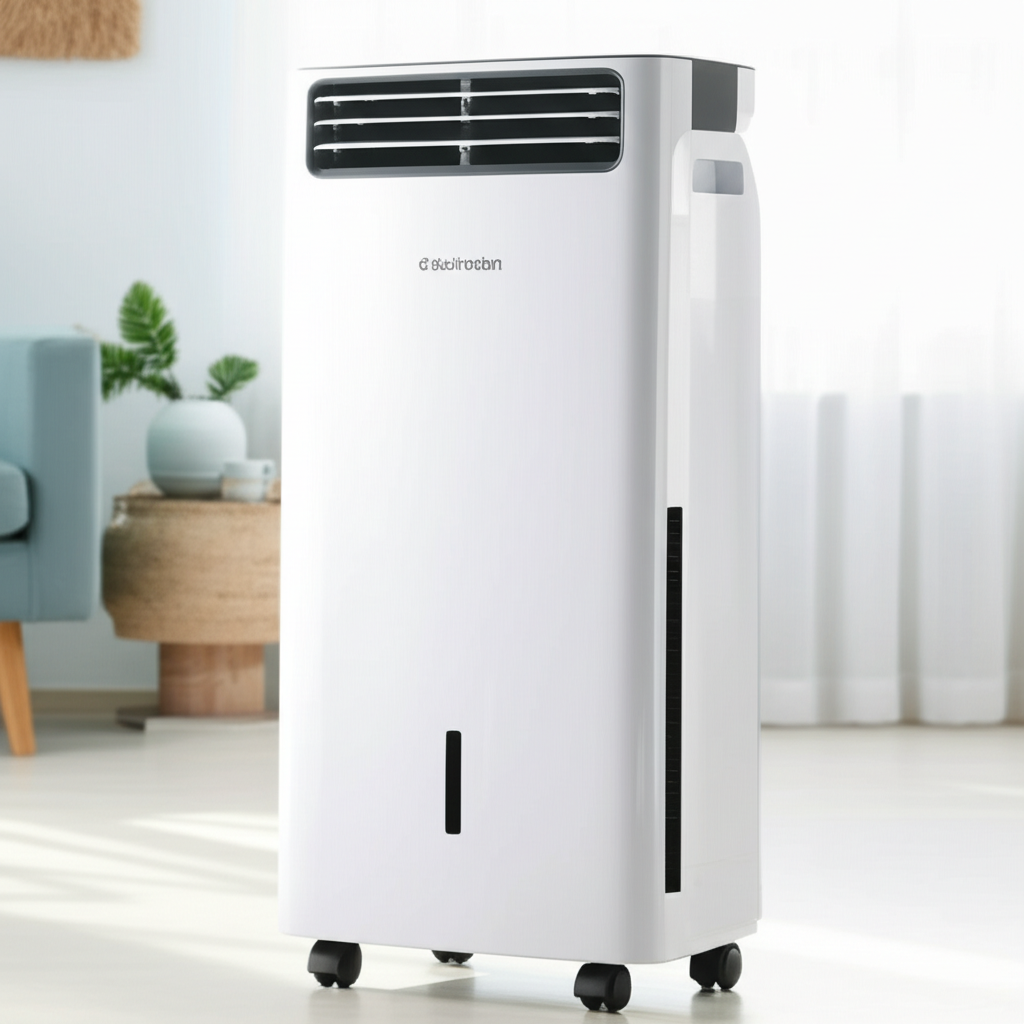
Quick Summary: Choosing a portable AC is simple: match the BTU size to your room size, decide between single or dual-hose, and check the noise level and venting setup before you buy.
Is your room too hot right now? Do you feel confused when you look at all those different air conditioner choices? Picking the right AC doesn’t have to be stressful. We know you want cool air without spending too much money or getting stuck with a complicated setup. I’m Jack from ACReviewHub.com, and I’m here to make this super easy for you. We will walk through every step so you pick the perfect portable AC for your space, guaranteed.
The Beginner’s Guide to Choosing the Perfect Portable AC
Portable air conditioners are great helpers. They let you cool just the room you are using right now. They don’t need permanent installation like big window units. But how do you pick the right one? It comes down to a few easy checks. We need to look at size, type, and noise. Don’t worry; we will cover all the tech words simply.
Step 1: Sizing Up: Why BTUs Matter Most
The most important number on any AC box is the BTU rating. BTU stands for British Thermal Unit. Think of BTUs as the cooling muscle of the machine. More BTUs means more cooling power. If you buy one that is too small, it will run all day and never get cool. If it is too big, it might cool too fast and leave your room damp and clammy.
We need to match the BTUs to the square footage of the room you want to cool. Square footage is just the room’s length times its width. Here is a simple chart to help you match the muscle to the room size.
| Room Size (Sq. Ft.) | Recommended Portable AC Size (BTUs) |
|---|---|
| 150 to 250 sq. ft. (Small Bedroom) | 5,000 to 6,000 BTUs |
| 250 to 350 sq. ft. (Medium Room/Office) | 7,000 to 8,000 BTUs |
| 350 to 550 sq. ft. (Large Living Room) | 10,000 to 12,000 BTUs |
| Over 550 sq. ft. (Open Area) | 14,000 BTUs or more |
Remember these tips for sizing. If your room gets lots of sun, add about 10% more BTUs. If many people use the room, you might also need a little extra power.
Step 2: Choosing Your Hose Type: Single vs. Dual
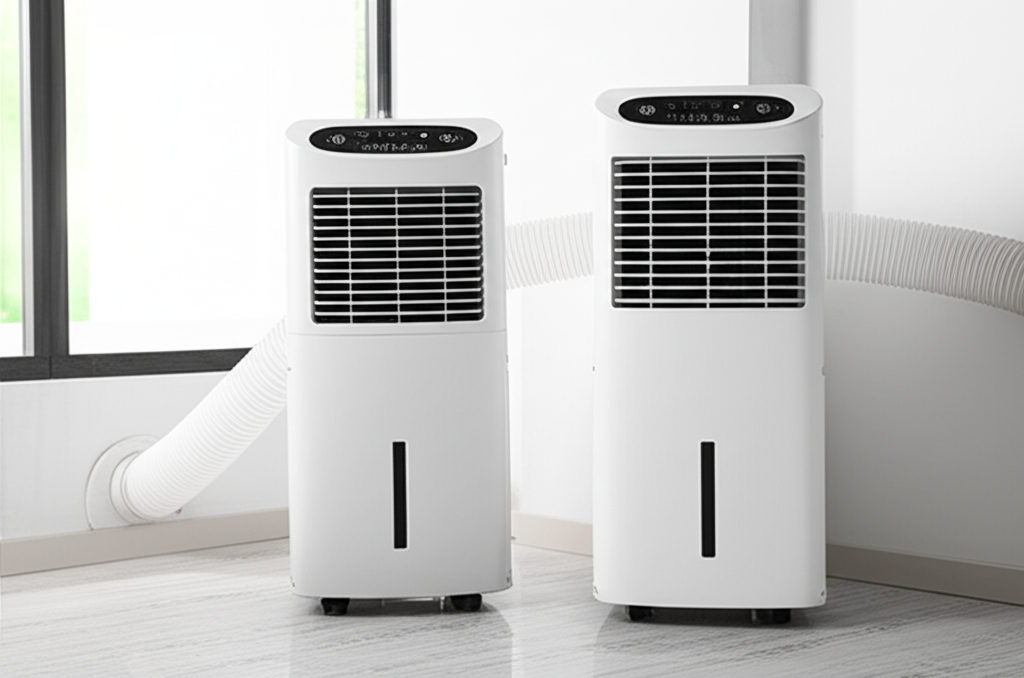
Portable ACs need to get hot air out of your room. They do this through a big exhaust hose that goes into a window kit. This is where you see the biggest difference between models: single-hose versus dual-hose.
Single-Hose Portable ACs (The Common Type)
These are usually cheaper and easier to set up. They use one hose to push hot air out. The problem is they create a slight vacuum inside the room. This vacuum pulls warm air from cracks around doors and windows to replace the hot air it pushed out. This makes them less efficient.
Dual-Hose Portable ACs (The Efficient Choice)
These units have two hoses. One hose pulls air from outside to cool the condenser (the hot part). The second hose pushes the waste heat out. Because they use outside air for cooling, they don’t create that vacuum effect. They cool faster and use less energy overall. If efficiency is important, look for a dual-hose model.
Step 3: Look at Features That Matter to Comfort
Cooling power is key, but comfort involves more than just temperature. Here are the top three features to check before you buy.
- Noise Level (Decibels): Portable ACs make noise because the compressor is inside the room. Check the decibel (dB) rating. Anything under 55 dB is generally quiet enough for sleeping. Higher numbers sound like a loud conversation.
- Drainage Needs: All ACs create water (condensate). Some units evaporate this water automatically. Others require you to manually empty a bucket or connect a drain hose. If you hate chores, look for “self-evaporating” models.
- Ease of Window Kit Installation: The window kit is how you vent the hose. Make sure the kit fits your window type (sliding, double-hung). Some kits snap together easily; others require more tools and frustration.
Step 4: Understanding Energy Use (And Saving Money)
An AC running constantly can raise your electric bill fast. You want an efficient machine. Look for the Energy Guide label. This yellow sticker tells you the estimated yearly operating cost.
To save energy right away, follow these simple steps:
- Set the thermostat a few degrees higher than you think you need (78°F is often comfortable).
- Use the timer function to turn the unit off an hour before you leave the room.
- Keep blinds and curtains closed during the hottest part of the day.
- Ensure the exhaust hose seal around the window is tight; no air leaks!
For more great tips on saving energy with any cooling system, check out the helpful guides at Energy.gov.
Common Portable AC Mistakes Beginners Make
It’s easy to slip up when buying your first unit. Here are the top three errors I see people make. Avoid these, and you save time and money!
| Mistake | Why It’s a Problem |
|---|---|
| Buying based only on price. | A cheap, undersized unit runs 24/7, costing more in electricity than a slightly pricier, efficient model. |
| Forgetting about venting. | If you can’t vent the hot air outside properly, the AC just heats up your room instead of cooling it. |
| Ignoring the noise rating. | A loud unit means you won’t use it in the bedroom, defeating the purpose of spot cooling. |
Quick Troubleshooting: What If It’s Not Cooling Well?
Sometimes, even the right AC needs a little nudge. If your portable unit seems weak, check these simple things first before calling for service.
- Check the Filter: Is the air filter clogged with dust? A dirty filter blocks airflow. Clean it weekly!
- Inspect the Exhaust Hose: Is the hose kinked, or is the window seal broken? Hot air might be blowing back into the room.
- Check the Water Tank: If the unit has a full water indicator light, empty the condensate tank. Many units shut down cooling if the tank is full.
If you have done all these checks and still feel warm air, you might need to look at deeper maintenance, but for most issues, these three steps solve the problem. For more in-depth maintenance schedules, the experts at ASHRAE offer great resources.
Final Thoughts: You Got This!
See? Choosing a portable AC is not rocket science. Focus on the BTU size for your room first. Then, decide if the efficiency of a dual-hose unit is worth the extra cost for you. Remember to check the noise level so you can actually relax near it.
Taking good care of your new AC is simple: keep that filter clean and make sure the hose is venting well. You are now ready to shop smart and enjoy cool, comfortable air all season long. Stay cool!
