
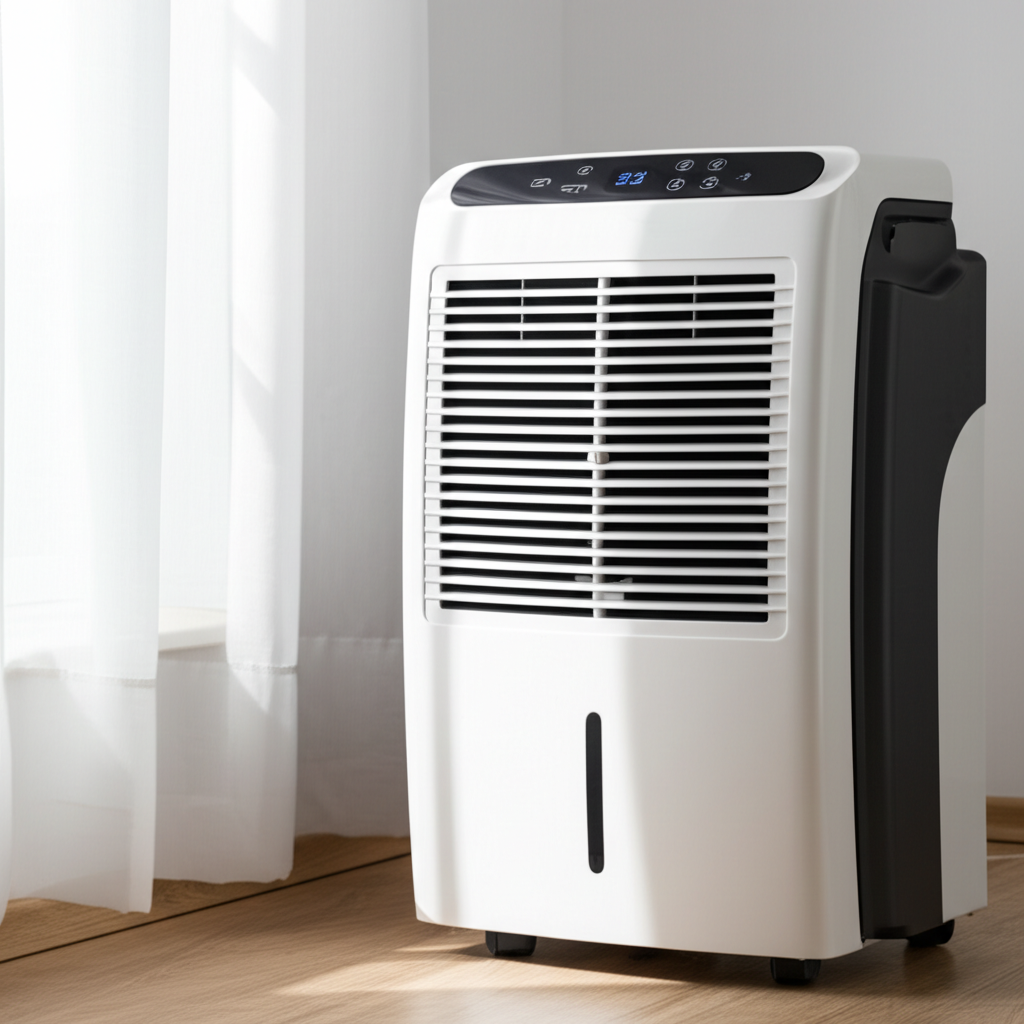
If your portable AC smells musty or rotten, it is almost always due to mold or mildew growth in the water collection area or the internal coils. The fix is simple: clean the drain pan and run the unit in “Dry” or “Fan Only” mode to dry it out completely.
Is your portable air conditioner blowing out air that smells… well, bad? You bought it to feel cool and fresh, but now it smells like old socks or wet dirt. That is frustrating, especially when you just want a comfortable room.
Don’t worry about complex repair manuals or expensive service calls. I am Jack from ACReviewHub.com, and I help folks just like you figure out these confusing AC problems easily. We will break down exactly why that smell happens and how you can fix it today.
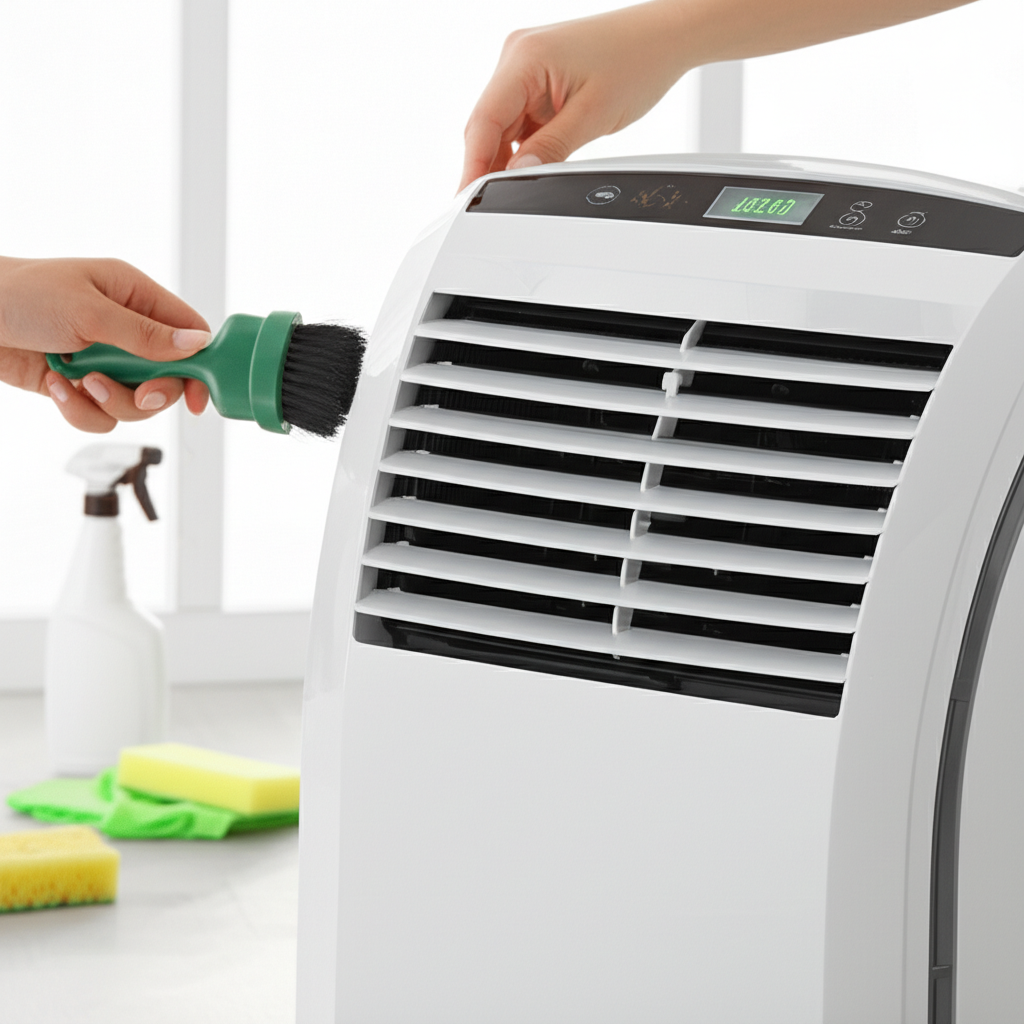
This guide will show you the easy steps to find the source of the bad smell and get that fresh, cool air flowing again. Let’s get your comfort back!
Why Does My Portable AC Smell So Bad? The Simple Truth
Portable AC units are great because you can move them around. But they have a few spots where nasty things like to hide. The smell usually comes from water that sits still for too long.
Air conditioners pull moisture (humidity) out of the air. This water has to go somewhere. If that water stays trapped, it becomes a perfect home for mold and mildew.
Here are the three main culprits behind those stinky whiffs:
- The Drain Pan: This is where condensation collects. If you don’t empty it or if the unit doesn’t self-evaporate well, the water sits and grows gunk.
- Dirty Filters: Filters catch dust. If they get damp and dusty, they start to smell musty, like an old basement.
- Coils: The cooling coils get very cold. When warm, humid air hits them, water forms. If airflow is poor, this moisture stays on the coils and encourages mold growth.
Step-by-Step: How to Clean Out That Nasty Smell
Cleaning your portable AC is much easier than you think. You do not need special tools for this basic cleaning. Grab a soft cloth and some mild soap—that is all we need!
Step 1: Unplug Everything Safely
Safety first, always! Before you touch anything inside, make sure the AC is completely turned off and unplugged from the wall outlet. Never clean an appliance that is plugged in.
Step 2: Tackle the Air Filters
Your filters are the first line of defense. They get clogged with dust bunnies and dander.
Here is how to clean them:
- Carefully slide or unclip the filter panel (usually on the back or side of the unit).
- Gently remove the filter.
- Rinse the filter under warm, running water. Use a very mild soap if it is really greasy or dirty.
- Let the filter air dry completely. Do not put a damp filter back into the AC!
Step 3: Clean the Water Collection Area (The Drain Pan)
This is often where the worst smells originate. Some units have a small bucket you slide out; others have a drain plug near the bottom.
If you can access the pan:
- Remove any standing water.
- Wipe the inside of the pan with a cloth dampened with a solution of one part white vinegar to three parts water. Vinegar is great at killing mold spores naturally.
- Rinse with clean water and dry thoroughly.
If your unit has a self-evaporating feature, you might need to check the manual to see where the water collects internally for cleaning access.
Step 4: Dry the System Completely
This is the most important step to prevent the smell from coming right back. Mold and mildew hate dry environments.
After cleaning, run the unit in one of these modes for at least 30 minutes:
- Fan Only Mode: This circulates air without cooling, drying out any moisture left on the coils.
- Dry Mode (if available): This mode is specifically designed to dehumidify the air and the unit itself.
When to Worry: Smells That Signal Bigger Issues
Most smells are just gunk and dust, but sometimes a smell means something is wrong inside the mechanics. Pay attention to what kind of smell you are getting.
| Smell Type | Likely Cause | Action Needed |
|---|---|---|
| Musty, Damp, Earthy | Mold/Mildew in the drain pan or coils. | Deep clean filters and drain pan (Steps 2 & 3). |
| Rotten Eggs or Sewage | Severe bacterial growth or blockage in the drain line. | Check drain hose connection or call a technician. |
| Burning Plastic or Electrical Smell | Overheating motor or wiring issue. | Unplug immediately and stop using the unit. Call for service. |
If you smell something burning—like hot plastic or electrical wiring—turn the unit off right away. That is not a cleaning issue; it is a safety hazard that needs professional attention.
Making Sure Your Portable AC Stays Fresh: Prevention Tips
The secret to a good-smelling AC is simple maintenance. If you do these small things regularly, you will rarely have to deal with odors again.
Your Simple Maintenance Routine
Think of this as your weekly cool-down check:
- Check the Drain Bucket Weekly: If you see water, empty it immediately. Do not wait until the overflow alarm goes off.
- Clean Filters Every Two Weeks: During heavy use (hot summer months), take the filters out and rinse them quickly.
- Run the Fan Before Shutting Down: Before you turn the AC off for the season or for the night, run it on Fan Only mode for 20 minutes. This dries out the insides.
- Store Dry: If you put the unit away for the winter, make sure it is bone dry inside first to prevent musty smells from developing over months of storage.
For more in-depth energy-saving and maintenance tips for all AC types, you can always check out helpful resources from the U.S. Department of Energy at Energy.gov.
Frequently Asked Questions (FAQ) from Beginner AC Owners
Here are some quick answers to the things I hear most often about portable AC problems.
Q1: Can I use bleach to clean the drain pan?
A: It is best to stick to vinegar or mild soap. Bleach can sometimes damage plastic parts inside the unit over time.
Q2: My portable AC doesn’t have a drain plug. What now?
A: Many modern units are “self-evaporating.” If it smells, the issue is likely the filter or the coils. Focus your deep cleaning there first.
Q3: How often should I clean the main unit?
A: If you use it daily, give it a good wipe-down and filter rinse every two weeks during peak season.
Q4: The smell goes away for a day and then comes back. Why?
A: That means you didn’t fully dry the internal components. Make sure you run the Fan Only mode for a good 30 minutes after cleaning.
Q5: Is it normal for a new portable AC to smell a little plastic-y?
A: Yes, a very slight “new machine” smell for the first few uses is normal as factory oils burn off. If it smells like strong chemicals, stop using it.
Final Thoughts: Keeping Your Cool Comfort Simple
See? Dealing with a smelly portable AC is usually just a matter of routine cleaning. These units work hard to dehumidify your room, and that process creates moisture, which needs attention.
By keeping your filters clean and making sure the unit dries out completely after use, you are preventing 99% of bad odor problems. Stay consistent with these simple checks, and you will enjoy fresh, cool air all summer long without any nasty surprises.
Keep it clean, keep it dry, and stay comfortable!
