
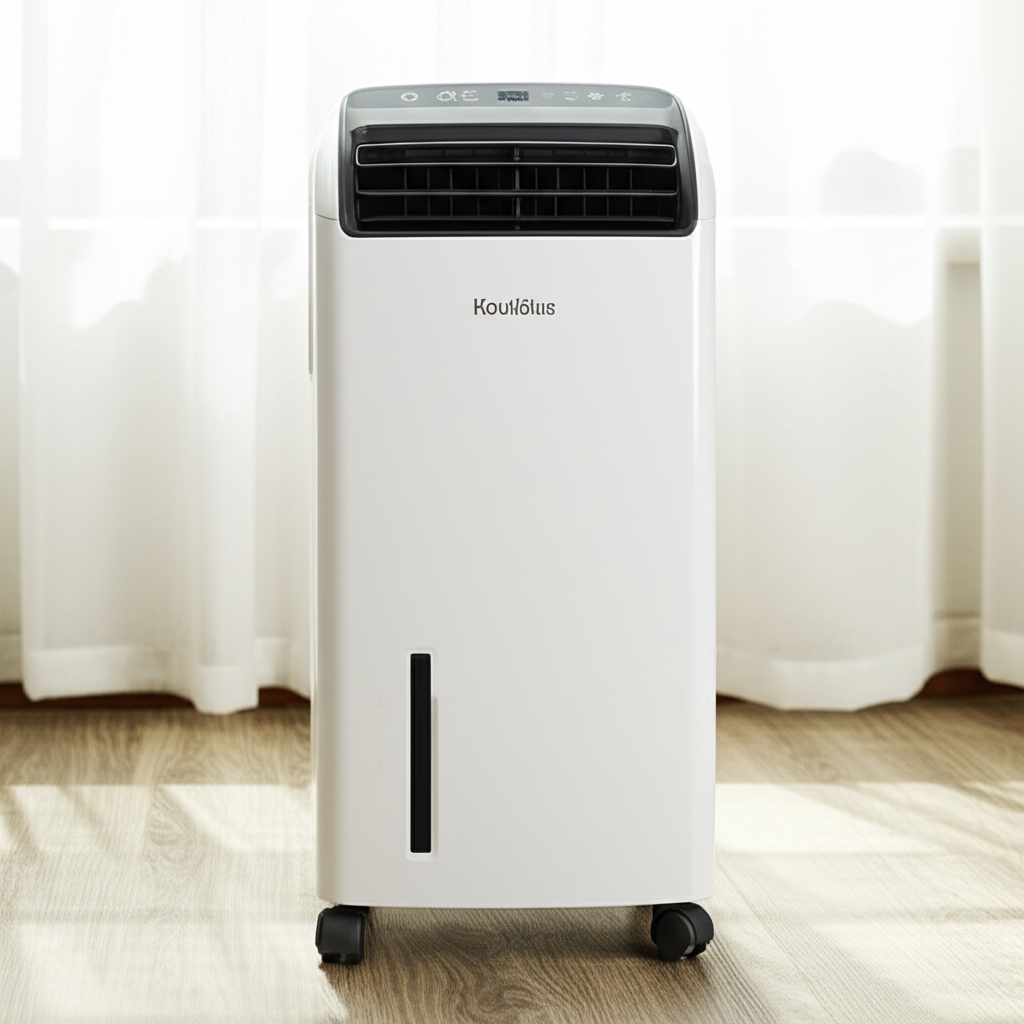
Portable air conditioners pull heat out of a room using refrigerant, just like big units. They push the hot air out through a hose vented out a window. It’s simple, powerful cooling you can move anywhere you need it!
Are you tired of feeling sticky and hot in just one room? Maybe setting up a window AC seems too complicated. It is easy to feel confused when looking at all those cooling options. Many people worry about complicated wiring or high energy bills.
Don’t worry about that anymore! I’m Jack from ACReviewHub.com, and I’m here to make portable ACs simple. We will break down exactly how these handy units cool your space down fast. Get ready to understand your portable AC like a pro!
How Portable Air Conditioners Work: Amazing Power Explained Simply
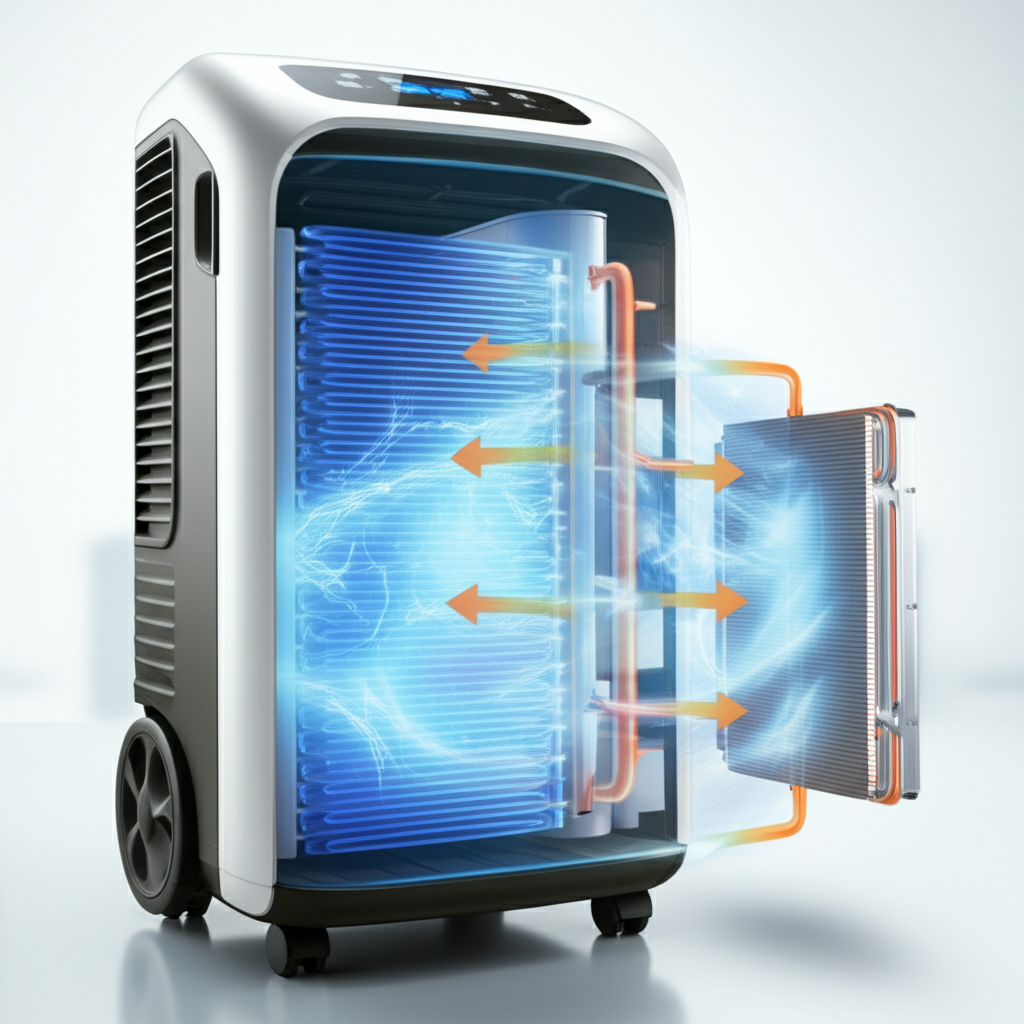
Portable air conditioners (PACs) are little cooling superheroes. They move heat from inside your house to the outside air. They do this using the same magic that big central AC systems use. It just comes in a box on wheels!
The Magic Inside: Understanding the Cooling Cycle
To understand how they work, you need to know the main parts. Think of it like a tiny, closed loop of special fluid called refrigerant. This refrigerant is the key player that carries the heat around.
The Four Key Steps of Portable AC Cooling
Your portable AC goes through four main steps to keep you cool. It sounds technical, but it is actually very straightforward when you see it step-by-step.
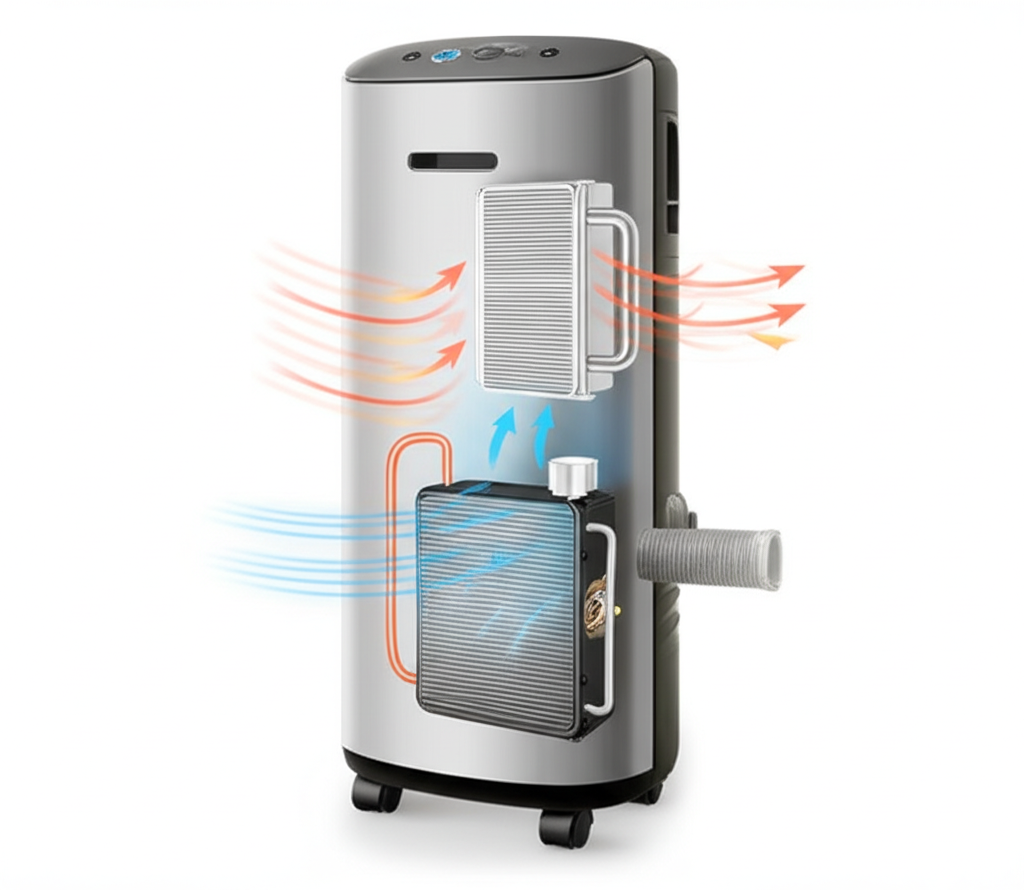
- Evaporation (The Cold Part): The liquid refrigerant enters a cold coil inside the unit. It absorbs heat from the warm room air blowing over it. This turns the liquid into a gas. Now the air blowing back into the room is cool!
- Compression (The Squeeze): A compressor (the motor part) squeezes this warm gas. Squeezing the gas makes it very hot and pressurized. Think of pumping a bike tire—it gets hot!
- Condensation (The Hot Part): This super-hot gas moves to another coil, the condenser coil. The fan blows the hot air from this coil out of the unit and into the exhaust hose. The hot gas turns back into a warm liquid.
- Expansion (The Release): The warm liquid goes through a tiny valve that lets it expand quickly. This makes it very cold again, ready to start the cycle over.
Why That Hose is So Important (Single vs. Dual Hose)
You always see a big hose coming out of a portable AC. This hose has a very important job: getting rid of the hot air. If you don’t vent the hot air, your AC will just blow hot air back into the room!
Single-Hose Units: The Common Setup
Most portable ACs use a single hose. This is the simplest setup. The unit pulls room air in, uses some of that air to cool the hot coils (Step 3 above), and then pushes that hot exhaust air out the window through the hose.
The Catch: Since the unit sucks room air out to cool itself, it creates negative pressure. This means it pulls warm air from cracks around doors and windows to replace the air it blew outside. This can make cooling less efficient.
Dual-Hose Units: The Efficiency Boost
Dual-hose units are a bit smarter. They use one hose to pull outside air in to cool the condenser coils. The second hose pushes the hot exhaust air back out.
The Benefit: Because they don’t use the room air for cooling the hot parts, they don’t create that negative pressure. They usually cool the room faster and use less energy doing the job. They are slightly more expensive but worth it for larger spaces.
Setting Up Your Portable AC Like a Pro
Setting up these units is usually very easy. You do not need an HVAC technician. You just need a window and the kit that came with the AC.
Here are the simple steps to get your unit running today:
- Place the Unit: Put the AC near a window or sliding door. Make sure the area around the back of the unit is clear for airflow.
- Assemble the Hose: Connect the exhaust hose pieces together firmly. Attach one end to the back of the AC unit.
- Install the Window Kit: Slide the adjustable panel into your open window frame. Lock it so it stays put.
- Connect the Hose to the Kit: Attach the open end of the hose firmly to the connection point on the window panel.
- Plug In and Cool: Plug the unit into a dedicated, heavy-duty outlet (not an extension cord!). Turn it on and set your desired temperature.
Choosing the Right Power: BTUs Explained
When buying a portable AC, you will see a number followed by “BTU.” BTU stands for British Thermal Unit. This is just a measurement of cooling power. More BTUs mean it can cool a larger space faster.
Picking the right size is crucial. An undersized unit will run constantly and never cool the room. An oversized unit cycles on and off too much, which wastes energy and doesn’t dehumidify well.
BTU Requirements for Different Room Sizes
| Room Size (Sq. Ft.) | Recommended BTUs (Single Hose) | Recommended BTUs (Dual Hose) |
|---|---|---|
| 150 – 250 sq. ft. (Small Bedroom) | 6,000 – 8,000 | 5,000 – 7,000 |
| 300 – 400 sq. ft. (Medium Living Room) | 10,000 – 12,000 | 9,000 – 11,000 |
| 500 – 700 sq. ft. (Large Open Area) | 14,000 – 16,000 | 13,000 – 15,000 |
Always check the manufacturer’s recommendations. If your room has lots of sun or many people, you might need to go up one size!
Keeping Your Portable AC Running Strong: Simple Maintenance
These units are low-maintenance, but ignoring them is the fastest way to kill their cooling power. A little care goes a long way.
Here is your easy maintenance checklist:
- Clean the Filter Monthly: The air filter catches dust. If it gets clogged, the AC can’t breathe, and it freezes up. Slide it out and wash it gently with mild soap and water. Let it dry completely before putting it back.
- Empty the Drain Pan: As the AC cools the air, it removes humidity (water). This water collects in a drain pan. Most units will beep or shut off when full. Check your manual for how to drain it—some do it automatically!
- Check the Hose Seal: Make sure the hose connection at the window is sealed well. Drafts let hot air sneak back in, making the unit work harder.
Common Mistakes Beginners Make (And How to Avoid Them)
If your portable AC seems weak, it is usually one of these simple user errors. Don’t worry; we all start somewhere!
| Symptom | Most Likely Cause |
|---|---|
| Unit Runs Constantly, No Cool Air | Dirty air filter or blocked condenser coils. |
| Water Leaking Everywhere | Drain pan is completely full and overflowing. |
| It Blows Cool Air, But the Room Stays Hot | Hose isn’t vented properly, or the unit is too small for the room size. |
| Unit Freezes Up (Ice on the Coils) | Low on refrigerant (needs professional help) or extremely dirty filter. |
For more detailed efficiency tips from trusted sources, check out the U.S. Department of Energy guidelines on cooling efficiency (Energy.gov).
FAQ: Quick Answers for Portable AC Owners
Got a quick question? Here are the answers you need right now.
- Can I run a portable AC without the hose? Nope! If you run it without the hose, it will suck the cool air out of the room and blow hot exhaust air right back in. It will just heat your room up faster!
- Are portable ACs expensive to run? They use more electricity than window units because they have to push hot air up and out the hose. Running them smartly (using a timer or thermostat) helps save money.
- How long should the exhaust hose be? Keep the hose as short and straight as possible. Every extra foot or bend makes the AC less efficient.
- Do I need to drain them every hour? Not usually. In very humid weather, maybe every few hours. Most modern units can handle a day or two of normal use before needing the pan emptied.
- Can I use an extension cord? It is best not to. Portable ACs draw a lot of power. Use a heavy-duty cord rated specifically for high-wattage appliances, or plug it directly into the wall.
- What is the ideal temperature setting? For efficiency, try setting it to 75°F or 76°F (about 24°C). You will feel comfortable without making the unit overwork.
See? That wasn’t so bad! Understanding how your portable AC moves heat from inside to outside is the secret to using it well. Remember, consistent cleaning and checking that hose are the two biggest things you can control.
Keep up with those simple maintenance checks, and you will enjoy cool, comfortable air all summer long without any confusion. Stay cool out there!
