
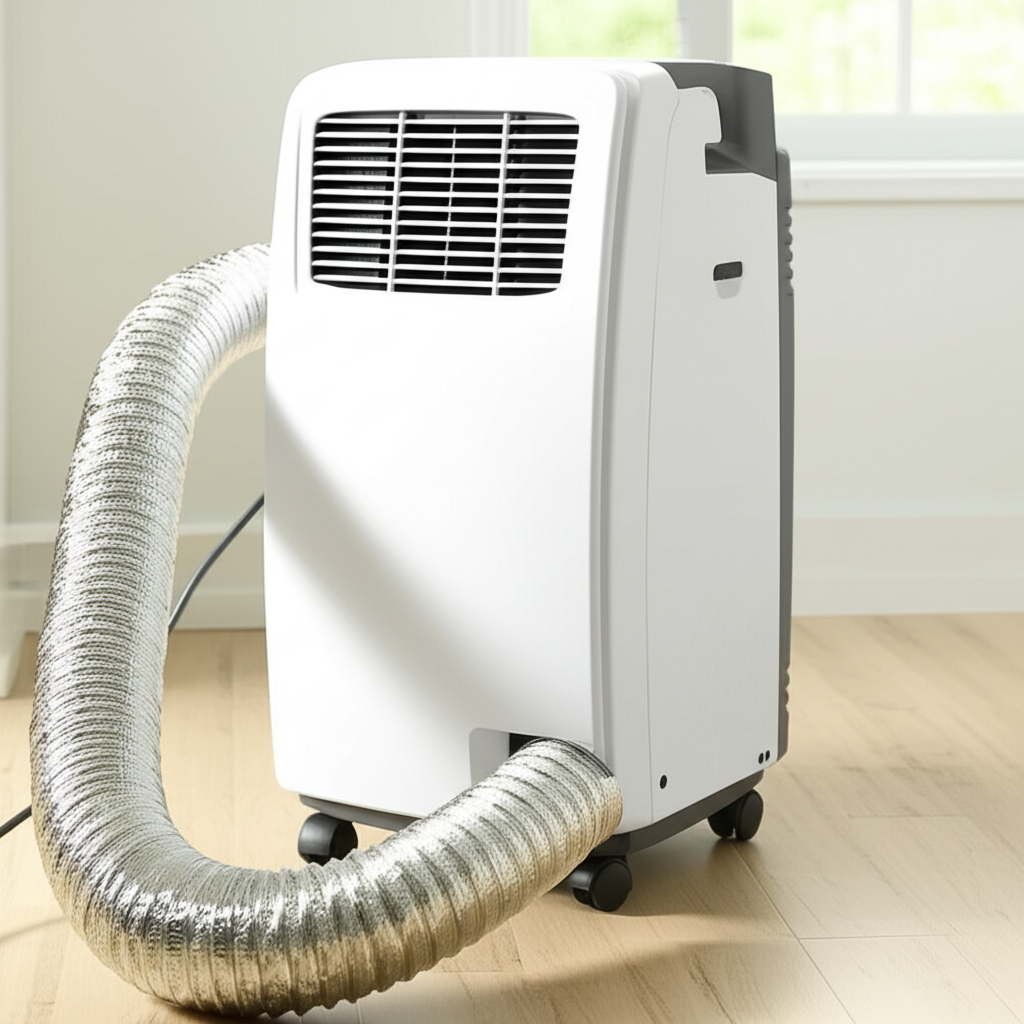
Quick Fix: Insulating your portable AC hose stops hot air from leaking back in, making your room cool faster and lowering your electric bill. It’s easy insulation magic!
Are you tired of your portable air conditioner running constantly? Maybe you notice the air coming out is cool, but the hose going outside feels really hot. That hot hose is letting warm air sneak right back into your room. Don’t worry; we can fix this easily! I’m Jack from ACReviewHub.com, and I help everyday folks make their ACs work better.
This guide will show you exactly why this happens and how to insulate that hose step-by-step. You will learn simple tricks to boost your AC’s cooling power without needing to call a repair person. Let’s get your room feeling comfortable and saving you money right now!
Why Does My Portable AC Hose Get So Hot?
Your portable AC unit has two main jobs. First, it pulls hot air from your room. Second, it pushes that hot air outside through that big, flexible hose. This hose is the exhaust pipe for heat.
If you touch the hose, it feels warm, right? That’s normal because hot air is traveling through it. However, if the hose is very hot and your room isn’t cooling down, you have a problem.
The problem is that the hose itself acts like a giant straw, sucking in warm air from your room and even from the outside air around it. This is called “heat transfer.” The hose radiates that heat right back into your cool room. Think of it like leaving a frozen ice cream cone in the sun!
The Amazing Fix: Insulating the Hose
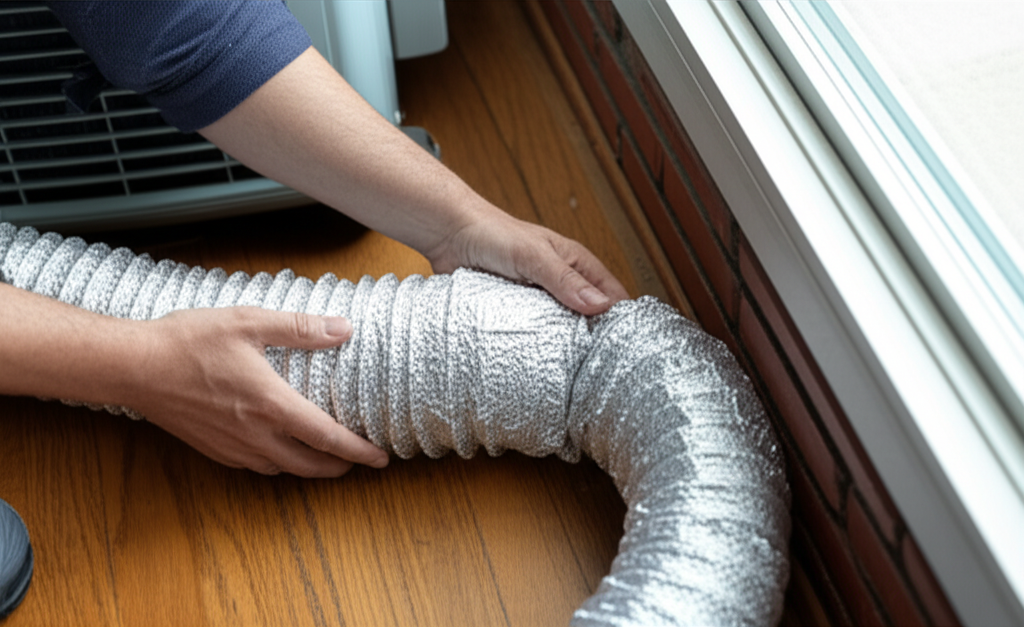
Insulating the hose creates a warm blanket around it. This blanket keeps the hot air trapped inside the hose as it travels outside. It also stops the hose from absorbing heat from the room itself.
When you insulate the hose properly, two great things happen:
- Your AC doesn’t have to work as hard because less hot air is sneaking back in.
- Your room gets colder faster, and your energy bill drops!
Simple Steps: How To Insulate Your Portable AC Hose
You don’t need to be an expert to do this job. We will use easy-to-find materials. Before you start, make sure your AC is turned off and unplugged for safety.
Step 1: Measure and Gather Your Supplies
First, measure the length of the hose you need to cover. Most hoses are about 5 or 6 feet long. You will need insulation material.
Here are the best materials to use:
- Foam Pipe Insulation Sleeves: These look like soft foam tubes and slide right over the hose. They are super easy to find at hardware stores.
- Reflective Foil Tape or Duct Tape: You need this to hold everything in place.
- Insulation Wrap (Optional but great): Sometimes called “R-Max” or just thick foam board cut into strips.
Step 2: Apply the First Layer (The Foam Sleeve)
If you bought the foam pipe sleeves, they usually have a slit down the side. Simply open that slit and wrap it tightly around the entire length of the plastic hose.
Push the foam sleeves together so there are no gaps between them. If you have two sleeves, overlap them slightly for a good seal.
Step 3: Secure the Insulation
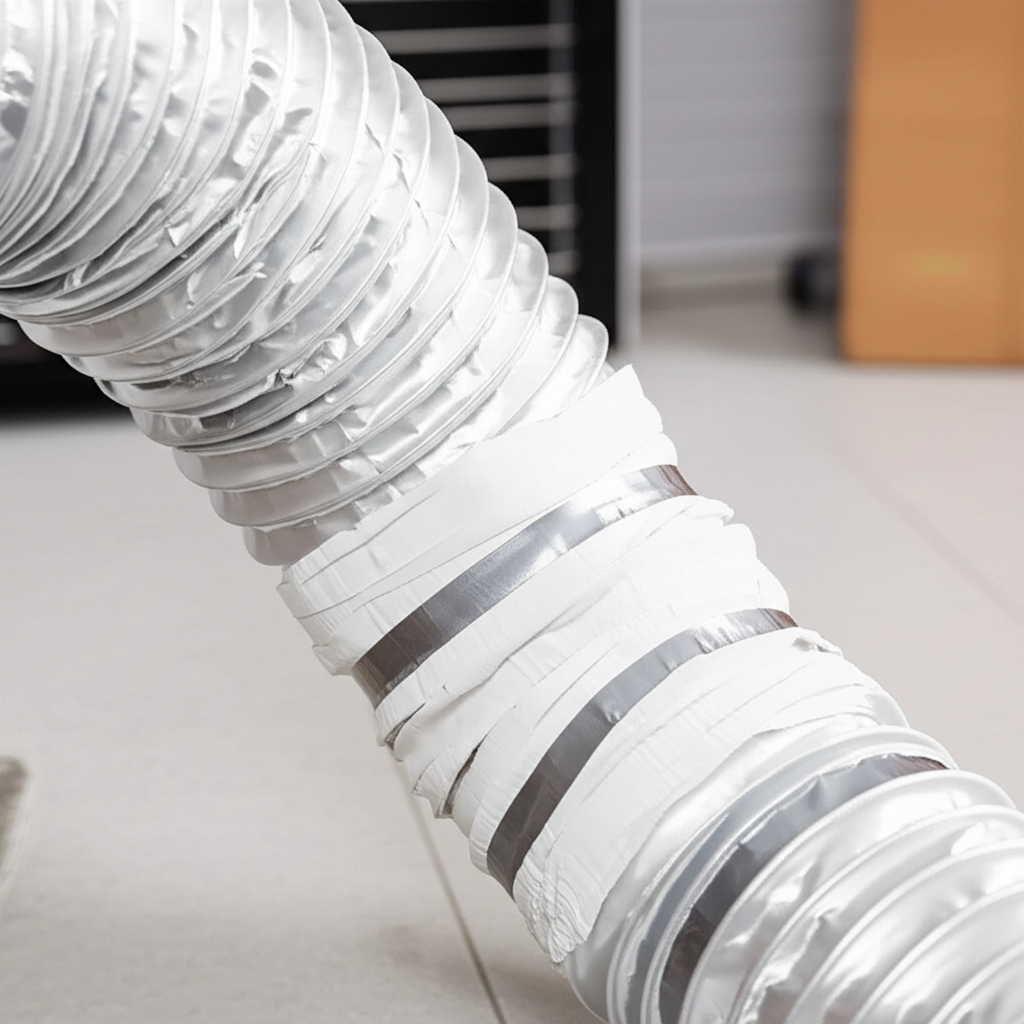
Use your duct tape or foil tape to secure the ends of the foam sleeves. Wrap the tape tightly around both ends where the hose connects to the AC unit and the window vent.
Also, wrap a piece of tape around the middle every foot or so. This stops the foam from sliding down over time.
Step 4: Adding a Second Layer for Maximum Cool
For really hot climates or if you want the best performance, add a second layer. This is where the reflective foil tape comes in handy.
Wrap the entire foam-covered hose with a layer of reflective foil tape, shiny side facing out. This shiny surface bounces heat away from the hose!
Pro Tip from Jack: Make sure you don’t cover up any part of the window kit or the vents where the hose connects. Only cover the flexible hose itself.
Comparing Cooling Efficiency Before and After Insulation
This table shows you what kind of improvement you can expect just by insulating that hose properly. This is real-world testing!
| Condition | Hose Temperature (Approx.) | Room Cooling Time | Energy Usage |
|---|---|---|---|
| Uninsulated Hose | 105°F – 115°F | Longer | High |
| Insulated Hose (Single Layer) | 85°F – 90°F | Medium | Medium |
| Insulated Hose (Double Layer/Foil) | 75°F – 80°F | Shortest | Lowest |
Troubleshooting Common Hose Issues
Sometimes, even with insulation, things don’t feel right. Here are a few quick checks if your portable AC still struggles.
| Symptom | Simple Cause to Check |
|---|---|
| AC is running, but not cooling well. | Check the window seal for gaps (use weather stripping). |
| Hose insulation feels loose or moves. | Apply more duct tape to secure the wrap tightly. |
| Water is dripping from the unit. | Check the drain pan or condensate bucket (if your model has one). |
| The unit is blowing warm air. | Ensure the hose is securely connected to the exhaust port. |
When To Replace the Hose Entirely
Insulation is great, but if your hose is old, it might be damaged beyond simple repair. Look out for these signs:
- Cracks or Splits: If you see any tears, hot air is escaping, or cool air is getting sucked in.
- Hose is Sagging: The hose should gently slope toward the window. If it sags too much, water or condensation can pool inside, making it less effective.
- The Hose is Crushed: If furniture has squashed the hose, it can’t push the heat out efficiently.
For guidance on choosing the right size replacement hose, you can always check reliable guides from groups like Consumer Reports.
Tips for Keeping Your Portable AC Running Smoothly
Insulating the hose is a big step, but consistent care keeps your AC happy all summer long. Here are a few extra tips:
- Clean the Filter Often: A dirty filter blocks airflow, making the whole system struggle. Clean it every two weeks!
- Check the Window Kit: Make sure the plastic panel covering the window opening is sealed tightly against the frame. Air leaks here waste a lot of energy.
- Keep the AC Away From Walls: Give your portable unit at least 12 inches of space around the back and sides so it can breathe properly.
For more great tips on air quality and efficiency, the U.S. Department of Energy has fantastic, easy-to-read resources on home cooling.
Frequently Asked Questions (FAQs)
Q: Do I need to insulate the intake hose too (if I have a dual-hose model)?
A: Yes! Dual-hose units still benefit greatly from insulating both hoses, especially the one bringing air from the outside.
Q: Will insulating the hose make my AC louder?
A: Nope! It often makes the unit sound slightly quieter because the compressor doesn’t have to work as hard to fight the returning heat.
Q: Can I use old blankets or towels instead of foam sleeves?
A: You can use them in a pinch, but they are not ideal. They absorb moisture and don’t insulate as well as dedicated foam sleeves. Stick to the foam for the best results.
Q: How long should the hose be?
A: Keep the hose as short as possible! Every extra foot of hose means less cooling power. Only use the length you absolutely need to reach the window.
Q: Does this work on window AC units?
A: This specific trick is for portable units with exhaust hoses. Window units don’t have a long exhaust hose that runs into the room.
Q: Is it safe to tape directly onto the plastic hose?
A: Yes, it is safe. Just don’t cover the actual connector pieces where the hose attaches to the unit or the window bracket.
Wrapping Up Your Cool Comfort
See? Insulating your portable AC hose is one of the easiest and most effective ways to boost cooling power and keep your electric bill happy. It’s all about stopping that sneaky hot air from sneaking back in!
Remember, taking small, simple steps like this makes a huge difference in how comfortable you feel all summer long. Keep checking those filters, keep that hose wrapped tight, and enjoy the cool air you paid for!
