
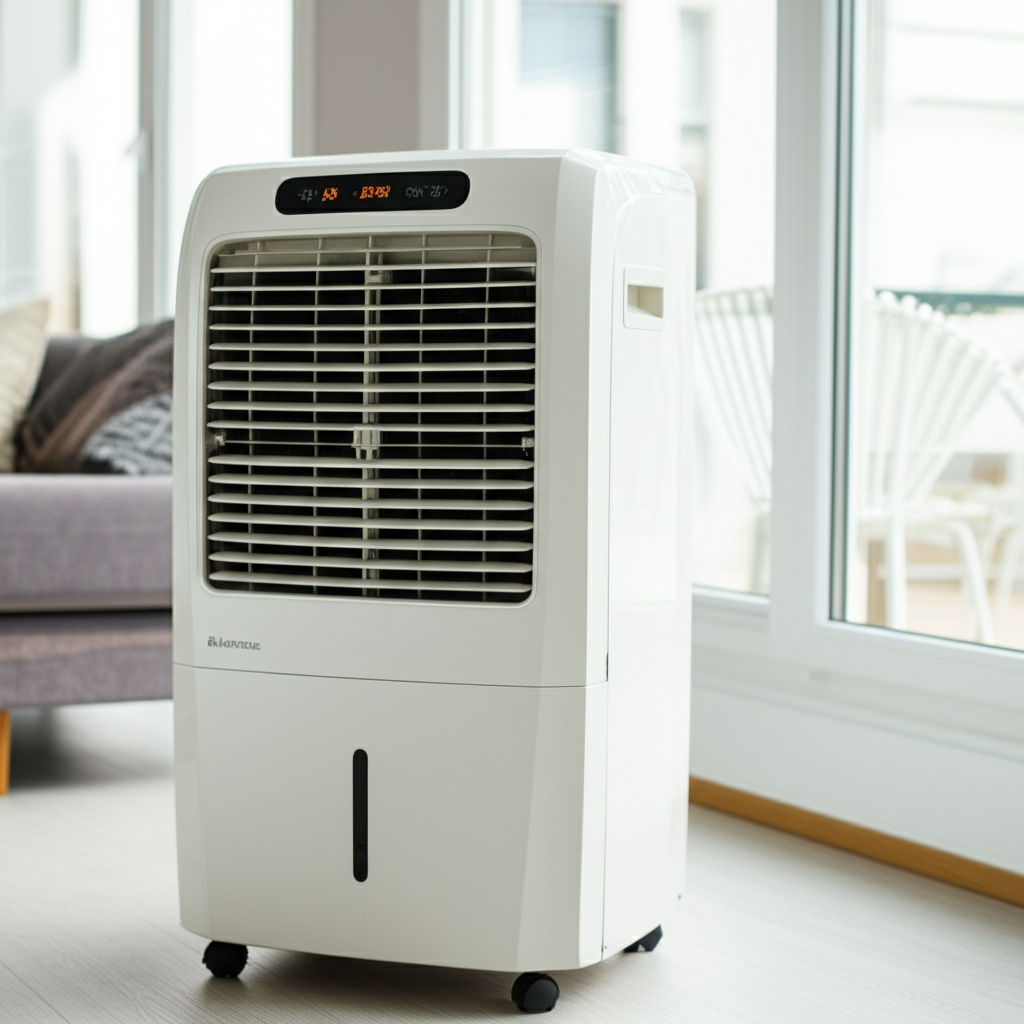
Quick Fixes for a Noisy AC: To quiet your humming, rattling, or buzzing air conditioner, focus on simple fixes like tightening loose screws, cleaning the fan blades, and ensuring the unit is level. Regular maintenance stops most noise problems fast!
Is your air conditioner making more noise than a marching band? You are not alone. Many homeowners get worried when their cool breeze comes with a loud groan or rattle. These noises can really disrupt a quiet evening at home. Don’t stress about calling for expensive help right away. Most common AC noises are easy to fix with a little know-how.
I’m Jack, and I’ve spent years helping folks just like you understand their cooling systems. We are going to break down those scary noises into simple steps. By the end of this guide, you will know exactly how to bring peace and quiet back to your home while staying cool.
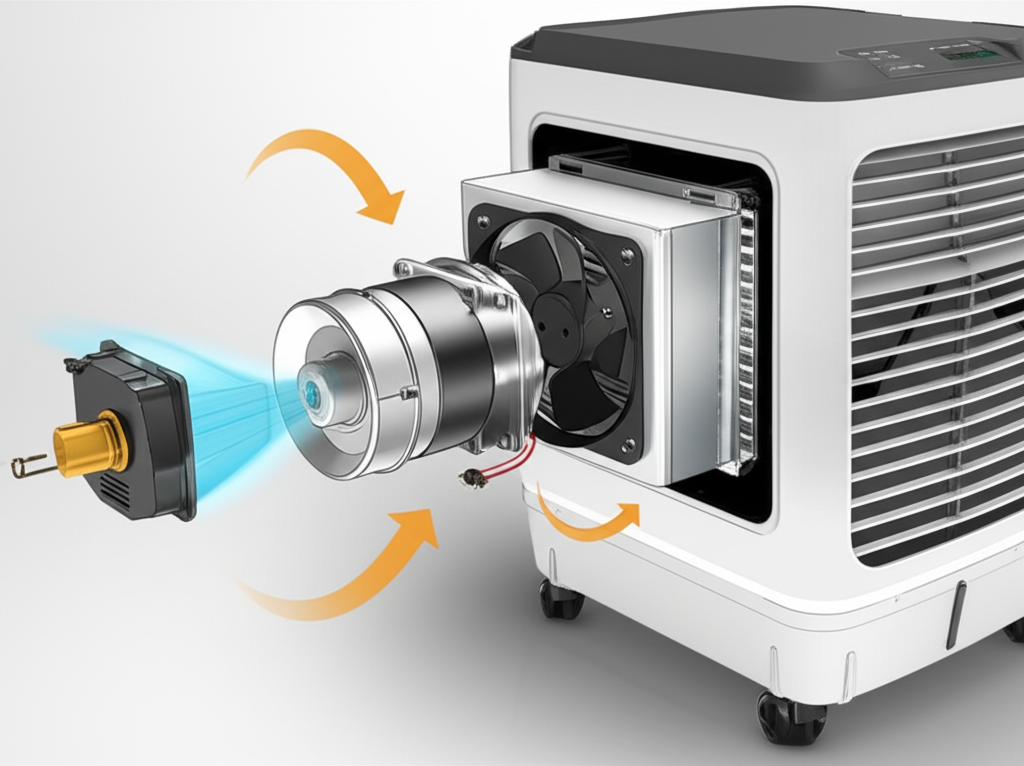
Why Is My Air Conditioner So Loud All of a Sudden?
Air conditioners make some noise when they run. That is normal. You should hear a gentle hum from the fan. But if the noise has gotten much louder, something needs a quick check-up. Loud noises usually mean something is loose, dirty, or vibrating where it shouldn’t be.
Inspect the Outside Unit: The Rattling Culprit
The outdoor unit, called the condenser, often causes the loudest problems. Vibrations happen a lot here, especially if it is not sitting perfectly flat.
Step 1: Check the Mounting Pad
Your outdoor unit sits on a pad or base. This base must be level. If the ground has settled, the unit might lean.
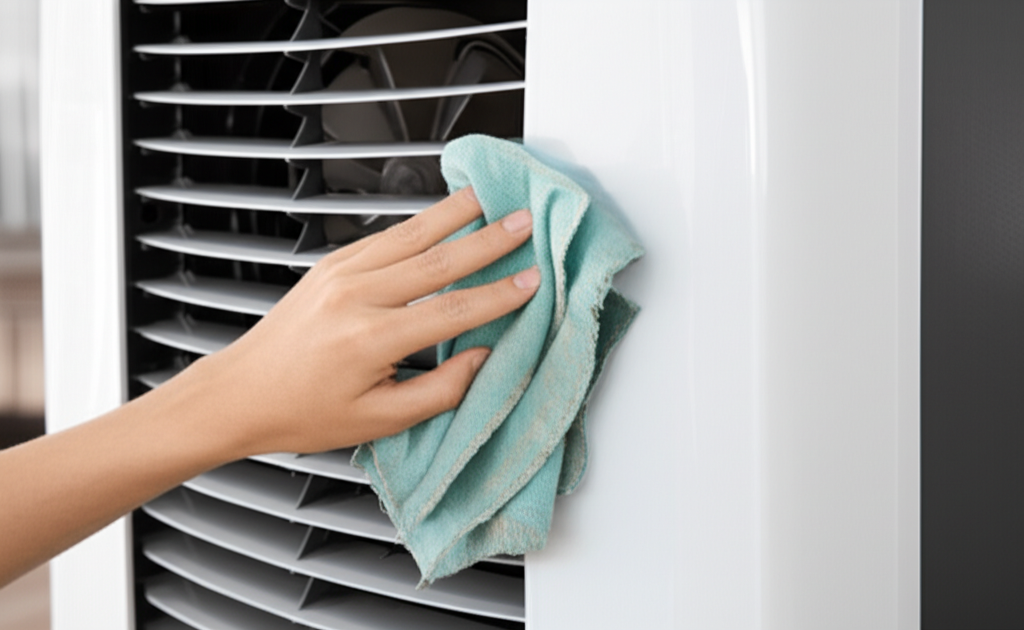
- Turn off the power to the AC unit at the breaker box first. Safety first!
- Gently try to rock the unit. Does it move easily?
- If it moves, you may need to slide thin, sturdy plastic shims under the low side of the pad.
- Check if it is level using a simple bubble level tool.
Step 2: Tighten Loose Screws and Panels
The metal casing has many screws holding it together. Over time, weather and vibration loosen these screws. A loose panel causes a rattling noise.
- Go around the entire outside unit.
- Use a screwdriver to gently check every visible screw on the housing panels.
- Do not overtighten! Just make them snug so the panel stops vibrating against the frame.
Step 3: Look for Debris Inside
Sometimes, small sticks, leaves, or even toys can get sucked into the fan area. When the fan blades hit these things, it sounds terrible.
- Again, make absolutely sure the power is off.
- Carefully look through the metal grate at the top.
- If you see debris, use long pliers or a stick to gently remove it. Be careful not to bend the delicate fins on the side.
Silence the Indoor Blower Fan: Indoor Noise Fixes
The indoor unit, often called the air handler or furnace, also makes noise. This noise often comes from the blower fan inside your house.
Clean or Replace the Air Filter Regularly
This is the easiest and most important step for quiet operation. A clogged filter makes the fan work much harder to pull air.
When the fan strains, it creates a loud, struggling sound.
- Check your filter once a month.
- If it looks gray and dusty, it is time to replace it.
- Using the correct size filter prevents gaps that let air whistle through.
Addressing Blower Motor Squeaks and Grinding
If you hear a high-pitched squeal or a grinding sound from the inside unit, the motor bearings might be the issue. This often means the motor needs oil or replacement.
For beginners, this is usually a job for a professional HVAC technician. Trying to oil or access the motor yourself can be dangerous because of electrical parts.
Fixing Strange Sounds: Understanding AC Noises
Different noises mean different things. Learning what the sound is telling you helps you fix it faster. Think of these sounds as your AC talking to you!
| Sound You Hear | What It Likely Means | Beginner Fix? |
|---|---|---|
| Rattling/Vibration | Loose panel, debris, or loose fan cage. | Yes (Tighten screws/Clean debris). |
| Hissing or Bubbling | Refrigerant leak or air leak in the ductwork. | No (Call a pro). |
| Screeching/Squealing | Blower motor bearings failing or belt issue (older units). | No (Call a pro). |
| Clicking (Constant) | Thermostat or contactor switch sticking. | Maybe (Check thermostat batteries). |
For more in-depth information on AC efficiency and noise standards, you can check out resources from the Department of Energy: Energy.gov.
Ductwork Leaks Can Cause Whistling
If the noise seems to come from the vents inside your house, it might be your ducts. If ducts have small holes or loose connections, air rushes out fast, causing a whistling sound.
You can inspect accessible ducts in your basement or attic. If you see small gaps where two metal pieces join, you can seal them with special foil tape made for HVAC systems. Do not use regular sticky tape; it will fail quickly.
Maintenance Habits That Keep Your AC Quiet
The secret to a quiet AC is regular, simple care. Think of it like brushing your teeth—a little bit every day keeps big problems away.
Your Simple Monthly AC Care Routine
- Change or clean the air filter (as mentioned above).
- Keep the area around the outdoor unit clear of tall grass and weeds (at least two feet of space).
- Check the condensate drain line (the small pipe letting water out) to make sure it isn’t clogged, which can cause gurgling noises.
When to Call a Professional for Noise Issues
Some noises mean the internal parts are struggling. If tightening things doesn’t work, it is time to call in the experts. Professionals have special tools to check things like refrigerant pressure or motor health.
Call a technician if you hear:
- Loud grinding or metal-on-metal sounds.
- Hissing or bubbling sounds that last a long time.
- The unit shuts off right after it starts making a loud noise.
Understanding when a repair is needed saves you money by stopping small problems from becoming big breakdowns. For excellent consumer advice on AC repairs, Consumer Reports is a great place to start: Consumer Reports.
Quick Guide: Sizing Your AC Properly for Less Noise
Sometimes, noise isn’t caused by a problem, but by having the wrong size AC unit for your room. An AC that is too small runs constantly, and one that is too big turns on and off too quickly (short-cycling).
Short-cycling causes loud starts and stops, which stresses the system and makes noise.
| Room Size (Square Feet) | Recommended Cooling Capacity (BTUs) |
|---|---|
| 150 to 250 sq. ft. | 5,000 to 6,000 BTUs |
| 250 to 350 sq. ft. | 7,000 to 8,000 BTUs |
| 350 to 450 sq. ft. | 9,000 to 10,000 BTUs |
| 450 to 550 sq. ft. | 12,000 BTUs |
Picking the right size means the unit runs longer, steadier cycles, which is quieter and uses less energy.
FAQ: Simple Answers to Your AC Noise Questions
- Q: Is a clicking noise always bad? A: A single click when starting or stopping is normal. If it clicks constantly while running, call a technician.
- Q: Can I put rubber pads under my outside unit? A: Yes! Simple rubber or foam anti-vibration pads placed between the unit and the ground pad can absorb a lot of rattling noise.
- Q: My AC is humming loudly but not cooling. What now? A: A loud hum usually means the compressor is trying hard but failing. Turn it off and call a pro; this could be a serious electrical issue.
- Q: How often should I clean the outside unit fins? A: At least once a year, usually in the spring before heavy use, gently spray down the fins with a garden hose (low pressure).
- Q: Does humidity make my AC louder? A: High humidity makes the system work harder to remove moisture, which can increase the operational sound slightly.
- Q: What is that ‘gurgling’ sound? A: Gurgling or running water sounds usually mean water is trapped somewhere, often in the condensate drain line. Make sure that line is clear.
Taking care of your air conditioner does not need to be complicated or scary. By checking simple things like loose screws and clean filters first, you solve most noise complaints easily.
Stay consistent with these easy checks, and you will enjoy a quieter, cooler home all season long. You’ve got this!
