
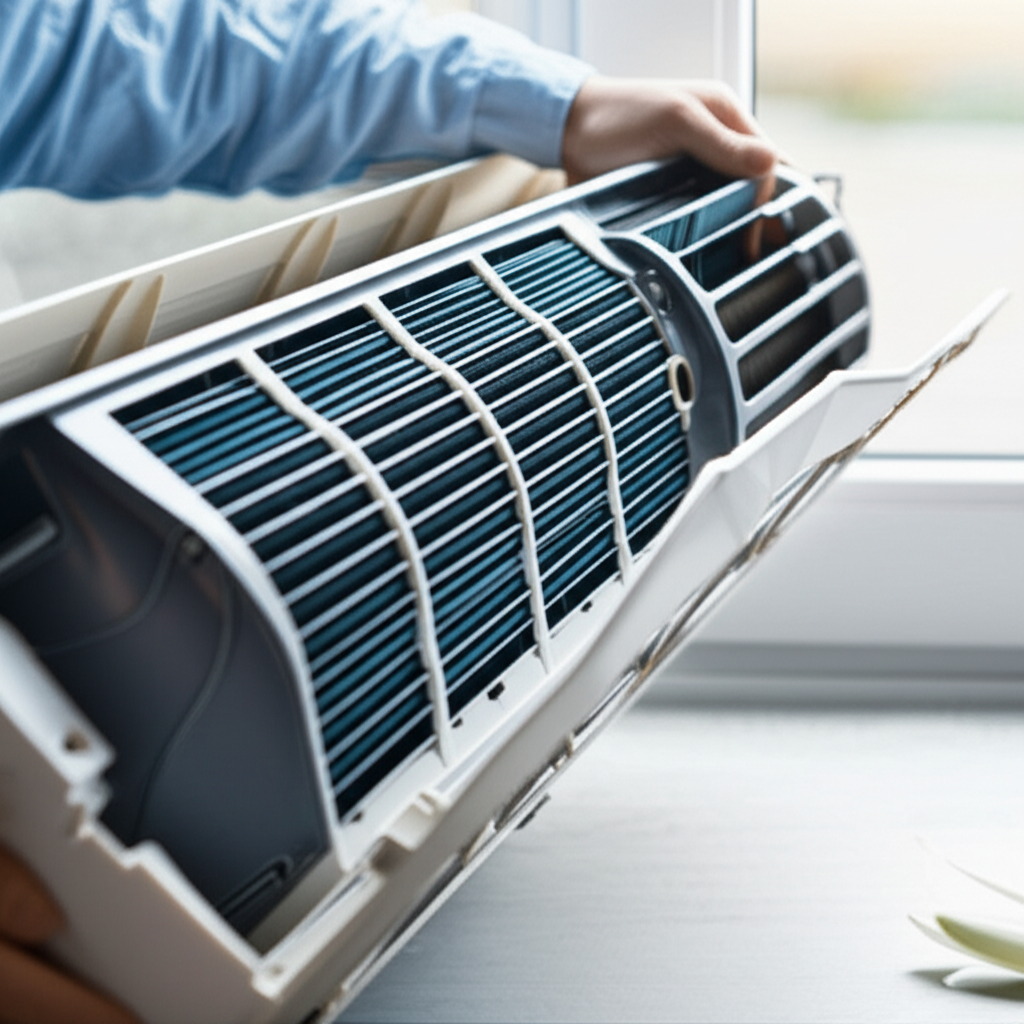
Don’t sweat the winter storage! To winterize your air conditioner, simply clean it thoroughly, turn off the power, cover the outdoor unit with a protective shell, and drain any remaining water. This keeps it safe from snow and rust until spring.
Are you staring at your air conditioner right now? Maybe you worry about the big electric bill next month. Or perhaps you just finished a hot summer and are not sure what to do next. It is totally normal to feel confused about AC maintenance. These machines can seem complicated, but they are not!
Here at ACReviewHub.com, we break down all the tech talk. We make taking care of your cooling system super easy. This guide will walk you through winterizing your AC unit step-by-step. You will learn simple actions that protect your investment all winter long. Let’s get your AC ready for a long, cozy nap!
Why You Must Winterize Your Air Conditioner Before Winter Hits
Winter is tough on outdoor machines. Snow, ice, and cold winds can cause real damage. If you leave your AC unit open, water can freeze inside the pipes. This freezing water expands and can crack important parts. That means costly repairs when summer returns.
Winterizing is like putting your AC unit in a warm winter coat. It keeps out moisture and debris. It also helps prevent pests from nesting inside the unit while it is sleeping. A well-protected AC starts up faster and works better next year. This simple prep saves you money down the road.
Step 1: Give Your AC Unit a Deep Clean Before Storage
Before you cover anything up, the unit needs to be spotless. Dirt and grime left on the coils act like sponges for moisture. This speeds up rust and corrosion.
Here are the easy cleaning steps:
- Turn Off Power: Find the switch near your outdoor unit (the condenser) and flip it OFF. Also, shut off the breaker at your main electrical panel. Safety first, always!
- Clean the Fins: The thin metal fins around the outside can get bent or dirty. Use a soft brush or a special fin comb to gently clean out leaves and dirt. Be very gentle so you do not bend the fins.
- Rinse the Coils: Use a regular garden hose—not a high-pressure washer—to spray down the coils. Spray from the inside out to push the dirt away from the unit.
- Clean the Drain: If you have a central AC system, make sure the drain line is clear. Pour a cup of diluted bleach solution down the condensate drain pan to stop mold growth over winter.
Step 2: Check and Protect the Fan Blades
The big fan on top needs attention too. If the blades have built-up grime, it can throw the motor off balance next spring. Wipe down the blades gently with a damp cloth.
If you are worried about heavy snow or ice falling onto the fan cage, you might consider using a specialized fan cover. However, never cover the entire unit yet—it needs to be dry first!
Step 3: Drain Remaining Water (Crucial for Humid Climates)
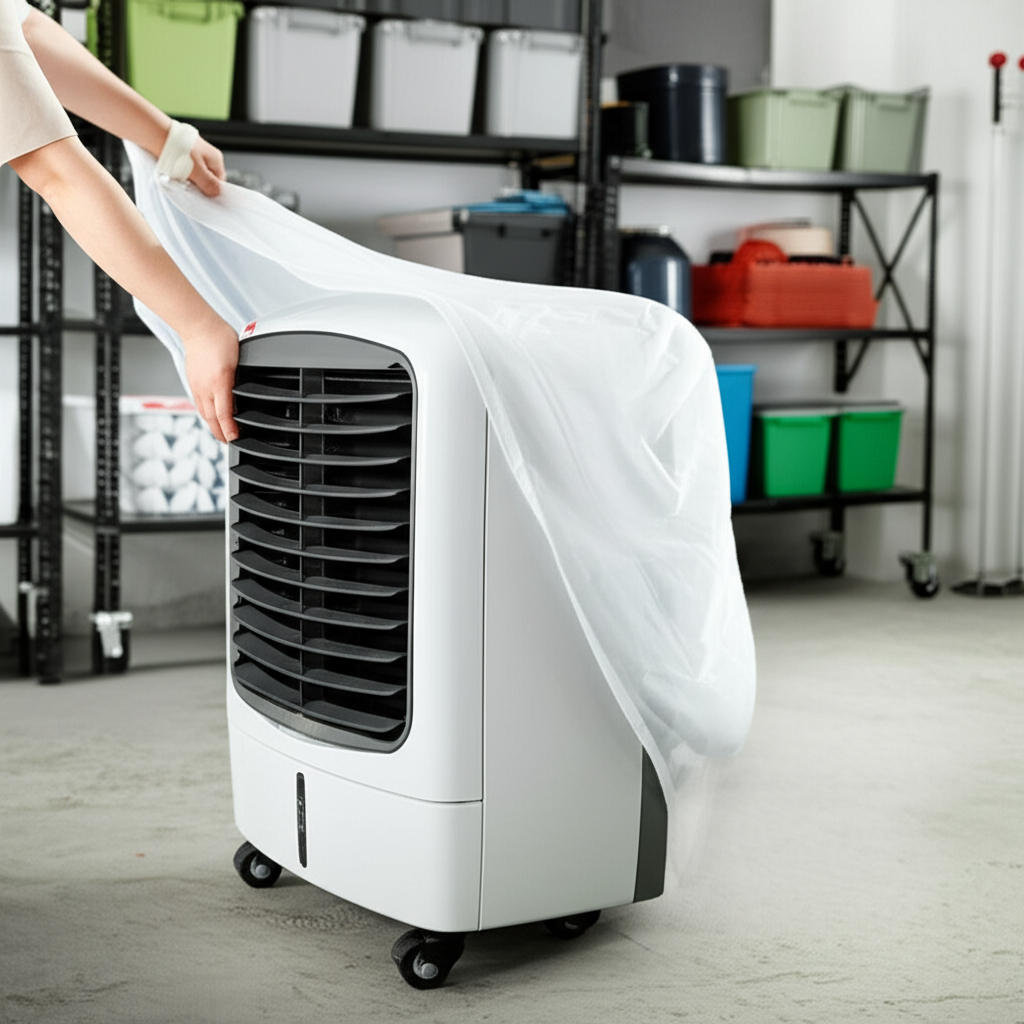
If you have a window unit or a portable AC, you must drain the internal water tank or pan completely. Water left sitting will turn into ice or harbor mildew.
For portable units, look for a drain plug, usually near the bottom. Tilt the unit carefully (if it is safe) to let all the water flow out into a bucket. Let it air dry for a full day before moving to the next step.
Step 4: Cover Your Outdoor Condenser Unit Properly
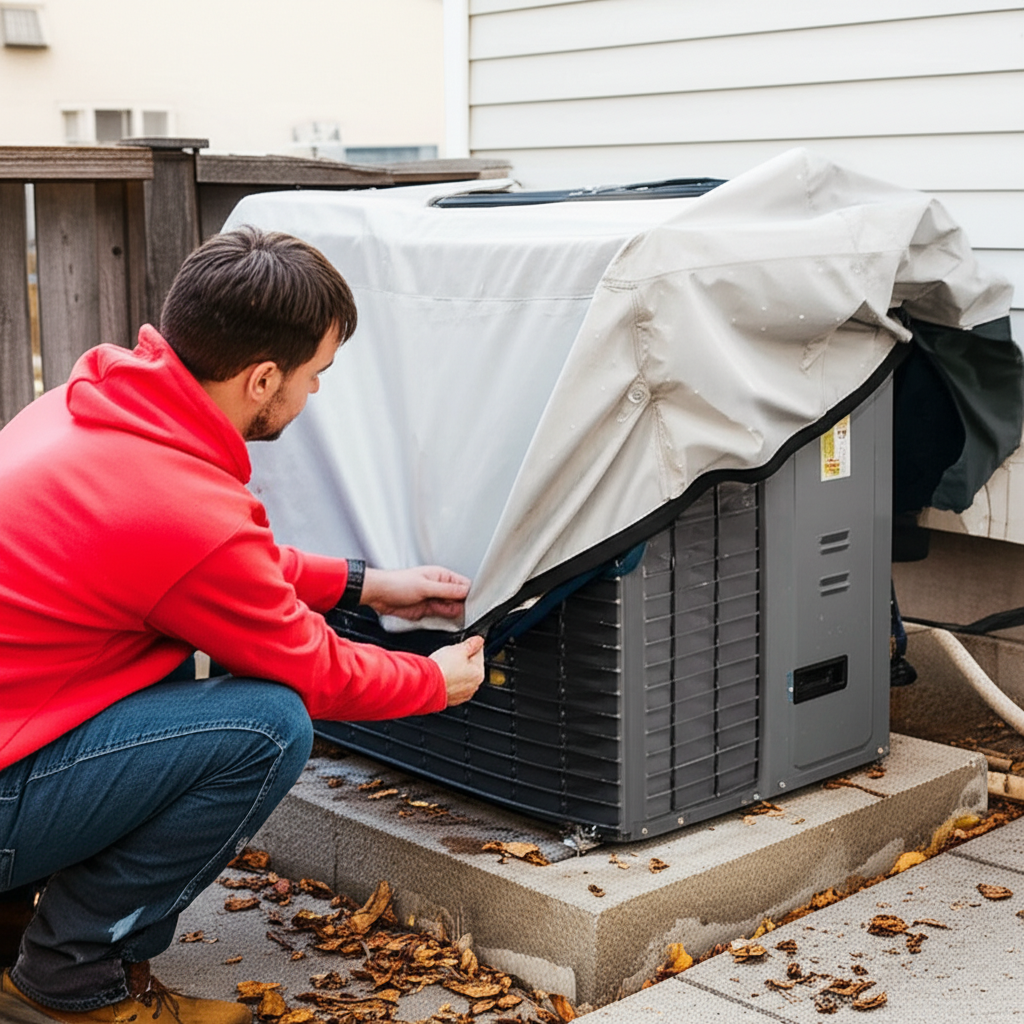
This is the most important step for central AC systems. You need a proper cover for the outside unit.
Important Tip: Do NOT use plastic tarps that completely seal the unit. Air needs to circulate even when the AC is off. If you trap moisture inside, you create a perfect spot for rust and mold to grow. This is a common mistake beginners make!
Use a breathable, weatherproof AC cover designed specifically for your unit size. These covers usually only cover the top, allowing airflow around the sides.
Check out the tips from the Department of Energy on keeping your system energy efficient year-round: Energy.gov AC Maintenance.
| Action | Do This (The Right Way) | Don’t Do This (The Wrong Way) |
|---|---|---|
| Power | Shut off the electrical breaker. | Leave the power on just in case. |
| Cleaning | Gently hose down coils and wipe blades. | Use a stiff wire brush or pressure washer. |
| Covering | Use a breathable, top-only cover. | Wrap the entire unit tightly in plastic sheeting. |
| Moisture | Ensure all internal water drains out. | Ignore standing water in the drain pan. |
Step 5: Storing Window and Portable Units
If you remove a window AC unit for the winter, take these extra steps:
- Clean the filter thoroughly and let it dry completely.
- Store the unit in a dry place, like a basement or garage.
- If possible, keep it in its original box or cover it loosely with an old sheet.
- Do not store it where it might get damp or where pests can easily reach it.
What About Thermostats and Heat Pumps?
If you have a heat pump (which provides both heating and cooling), you do not fully winterize it like a standard AC. It still needs to run for heat.
However, you should still clean the filters and ensure the outdoor unit is clear of debris. If you are not using the cooling function at all, you can set the thermostat to “Heat” mode and set the temperature low—around 50-55°F. This keeps the internal components just warm enough to prevent extreme cold damage but saves energy.
For more detailed information on heat pumps, this resource can be helpful: ASHRAE Resources (Search for residential maintenance guides).
Common Winterizing Mistakes Beginners Make
It is easy to rush this job, but a few simple mistakes can cause big headaches later. Avoid these common traps:
- Forgetting to Cut Power: Always double-check that the breaker is off. This protects you and the unit.
- Using Non-Breathable Covers: This traps humidity, which is worse than the snow! Always let air move around the sides.
- Leaving Debris Inside: Mice love warm spots. Clear leaves and sticks away from the base of the unit so critters don’t move in.
- Covering Too Early: Wait until the first hard frost has passed and you are sure you won’t need cooling again. You want the unit to be totally dry before covering it up.
Frequently Asked Questions (FAQ) About AC Winterizing
Q1: Do I really need to cover my AC unit?
A: Yes, covering protects it from rain, snow, and falling ice, which cause rust and damage.
Q2: Can I use a regular plastic tarp to cover it?
A: No, plastic traps moisture underneath. Always use a cover that lets the sides breathe.
Q3: How long does it take to clean the coils?
A: For a beginner, a careful cleaning usually takes about 30 to 45 minutes if you take your time.
Q4: Should I turn off the power at the wall or the breaker?
A: Always shut off the main breaker switch for maximum safety before doing any cleaning or covering.
Q5: What if I have a heat pump? Can I cover it completely?
A: No. Heat pumps need airflow even in winter to run the heat cycle. Just keep the area around it clear of snow.
Q6: When should I take the cover off in the spring?
A: Wait until the forecast shows temperatures staying above 60°F consistently before removing the cover and turning the power back on.
Taking care of your air conditioner doesn’t need to be a massive project. By following these simple steps—cleaning, draining, and covering correctly—you are giving your system the best chance to survive the cold months.
Remember, consistency is key in AC care. A little effort now saves you big money and frustration when the summer heat rolls back around. You’ve got this!
