
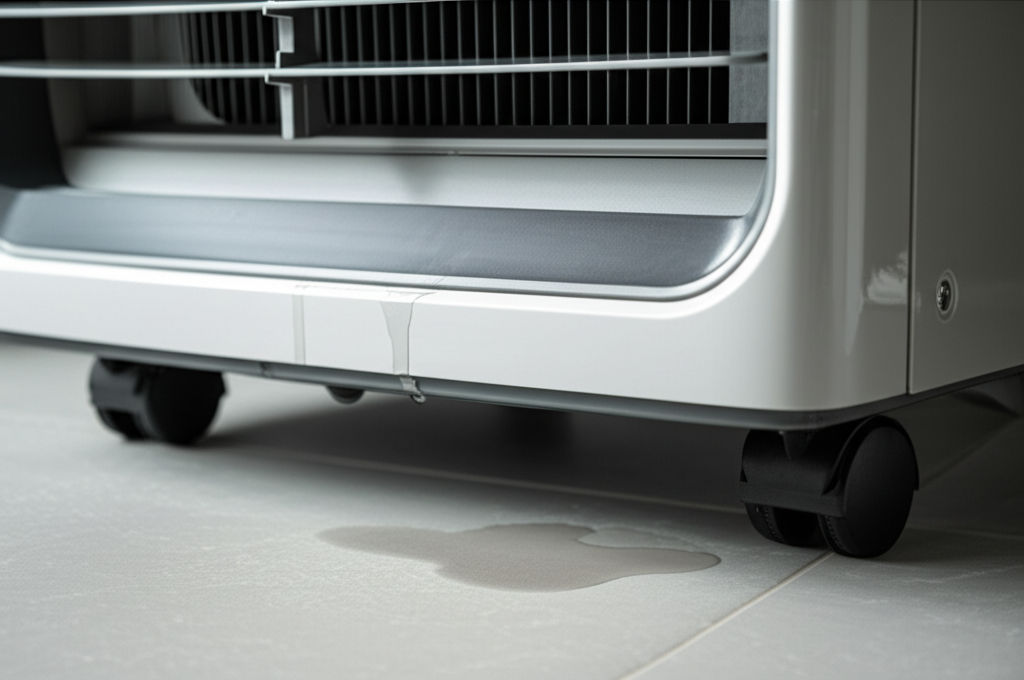
Don’t panic if your AC is dripping! A leaking air conditioner usually means a clogged drain line or a frozen coil. We’ll show you simple, safe ways to clear that blockage or thaw the ice, stopping the drip fast so you can get back to staying cool.
Seeing a puddle forming near your air conditioner is never fun. It can make you worry about big repair bills or even damage to your floors. That water leak is usually a clear sign that something simple needs a quick fix. Don’t stress about calling an expensive technician just yet. I’m Jack from ACReviewHub.com, and I help folks like you understand these machines easily. We are going to walk through the most common reasons for leaks and how you can fix them right now. Let’s get your cool air flowing without the puddles!
Why Is My Air Conditioner Leaking Water? The Top 3 Culprits
Air conditioners make water as part of their normal job. They pull humidity out of the air, and that water has to go somewhere. When it leaks inside, it means that exit route is blocked or something else is going wrong. Here are the three biggest reasons we see leaks.
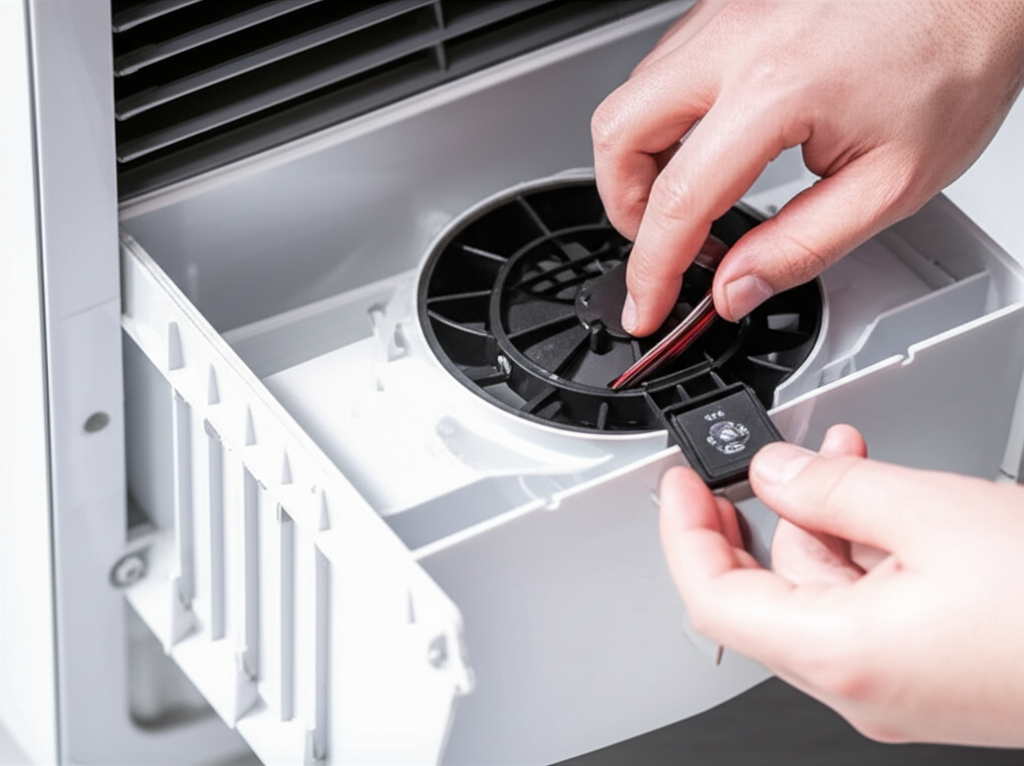
1. The Clogged Condensate Drain Line (The Most Common Issue)
Your AC has a little pipe, called the condensate drain line, to carry away the water it collects. Think of it like a tiny sink drain in your house. If dirt, dust, mold, or algae build up inside this pipe, the water has nowhere to go but back up and leak out. This is the easiest problem to fix yourself.
2. Frozen Evaporator Coils (The Icy Problem)
The part of your AC that makes the air cold is the evaporator coil. If this coil gets too cold—usually because of low refrigerant or poor airflow—it can freeze solid like a block of ice. When the AC turns off, that ice melts very quickly, creating way more water than the drain pan can handle, causing an overflow.
3. Cracked or Overflowing Drain Pan
Underneath the indoor unit, there is a pan to catch any normal condensation drips. Sometimes, this pan can crack from age, or if the drain line is fully blocked, the water just keeps filling up until it spills over the sides. This is a bit more serious than a simple clog.
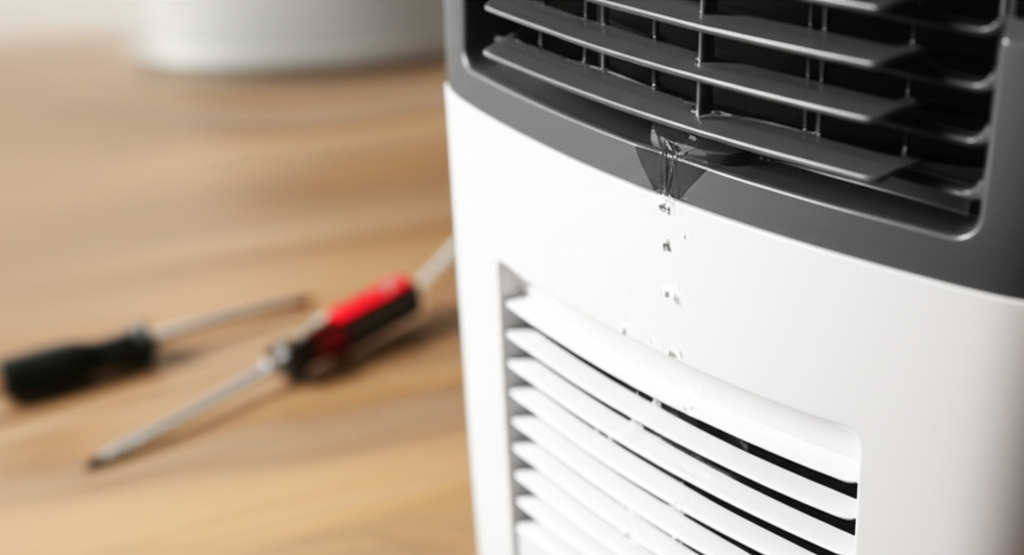
Urgent Fix #1: Clearing That Stubborn Drain Line
This is your first line of defense. If you have a small leak, start here. You will need a wet/dry vacuum (Shop-Vac) for the best results, but we have other simple options too.
Step-by-Step Guide to Unclogging the Drain Line
- Locate the Drain Line Access: Find the PVC pipe coming out of your indoor unit (usually near the furnace or air handler). It often has a T-shaped vent or access point near the unit.
- Prepare for Mess: Put a bucket or towels underneath the access point just in case water rushes out when you clear the clog.
- Use the Wet/Dry Vacuum: Attach the hose of your wet/dry vacuum tightly to the outside end of the drain pipe. Seal the connection as best you can with a rag if needed.
- Suck Out the Debris: Turn the vacuum on high for about 10 to 15 minutes. This powerful suction should pull the clog (sludge, mold) right out of the line.
- Test the Flow: After vacuuming, carefully pour about a cup of plain water down the access point. If the water flows freely out the exit pipe quickly, you fixed it!
Pro Tip for Prevention: If you don’t have a vacuum, you can try pouring a mixture of one part bleach to four parts water down the access port. Let it sit for 30 minutes, then flush with clean water. This kills the algae causing the blockage. Be careful not to splash this mixture on anything sensitive.
Urgent Fix #2: Thawing a Frozen Evaporator Coil
If you notice ice forming on the copper lines or the metal coil inside your air handler, you have a frozen coil. You must thaw it before you can run the AC again, or you risk damaging the compressor.
How to Safely Thaw Frozen Coils
- Turn Off the Cooling Power: Go to your thermostat and switch the system from “Cool” to “Off.” This stops the system from trying to make more cold air.
- Turn On the Fan: Switch the fan setting from “Auto” to “On.” This pushes room-temperature air over the ice block, speeding up the melting process safely.
- Wait It Out: Depending on how thick the ice is, this can take anywhere from 1 hour to a full afternoon. Keep the fan running.
- Check for Leaks Again: As the ice melts, you will see a lot of water in the drain pan. Make sure your drain line is clear (see Urgent Fix #1) so this meltwater doesn’t overflow.
Why did it freeze? Once thawed, if it freezes again quickly, it’s usually because the filter is dirty (restricting airflow) or your refrigerant level is low (which needs a professional). Always check your filter first!
When to Call the AC Pro: Knowing Your Limits
While simple clogs are DIY jobs, some leaks mean you need expert help. Don’t attempt repairs that involve electrical components or pressurized refrigerant lines. That’s when you call in a certified HVAC technician.
Here is a quick guide on when to stop tinkering and start calling:
| Symptom | Likely Cause | Action Needed |
|---|---|---|
| Water dripping from the ceiling or wall. | Major leak in the unit or ductwork condensation. | Call a Pro Immediately. |
| System freezes up repeatedly after thawing. | Low refrigerant (a leak in the sealed system). | Call a Pro for Leak Detection. |
| Water is leaking, but the drain line is perfectly clear. | Cracked drain pan or internal component failure. | Call a Pro for Inspection. |
If the leak is coming from the outdoor unit (the condenser), that is almost always a sign of low refrigerant, which requires professional charging and leak repair. For more on energy efficiency and system longevity, check out Energy.gov’s guide on AC efficiency.
Simple Maintenance to Stop Future Leaks
The best fix is always prevention! Keeping up with a few simple tasks will save you headaches down the road. Think of this as giving your AC a little spa day every few months.
Your AC Health Checklist
- Change the Filter Monthly: This is crucial. A dirty filter blocks airflow, which causes the coil to freeze and leak. Set a calendar reminder!
- Inspect the Drain Line Twice Yearly: Flush the drain line with clean water (no bleach needed if it’s just maintenance) at the start of cooling season and mid-summer.
- Keep the Outdoor Unit Clear: Make sure leaves, grass clippings, and bushes are at least two feet away from your outdoor unit so it can breathe properly.
- Check the Insulation: Look at the copper lines going into and out of your AC. If the foam insulation is cracked or missing, replace it. This keeps lines cold and prevents condensation from dripping inside your home.
For more details on maintaining healthy airflow, the American Society of Heating, Refrigerating and Air-Conditioning Engineers (ASHRAE) offers great resources on system health.
Frequently Asked Questions About AC Leaks
Q: Is it bad if my AC is dripping a little bit during very humid days?
A: Not usually! A few drops are normal condensation overflow when the humidity is extremely high. If it’s more than a slow drip, though, check the drain line.
Q: Can I use a coat hanger to poke the clog out of the drain line?
A: You can try, but be very gentle! You might push the clog further down or puncture the pipe. A wet/dry vac is much safer and more effective for pulling the gunk out.
Q: My AC is leaking water outside, not inside. Should I worry?
A: A little bit of water dripping from the outdoor unit when it’s actively cooling is usually just condensation dripping off the unit. If it’s spraying water or leaking oil, call a technician.
Q: How often should I clean my drain line?
A: If you have pets or allergies, clean it every three months. For average homes, cleaning it thoroughly once before summer starts is a great baseline.
Q: Can a leaking AC make my house smell musty?
A: Yes, absolutely. That standing water in the drain pan or the wet sludge in the clogged pipe is a perfect breeding ground for mold and mildew, which causes that musty smell.
Fixing an air conditioner leak doesn’t require you to be an HVAC genius. Most of the time, the solution is just a simple clog in the drain or a bit of ice that needs to melt. By following these easy, step-by-step fixes, you’ve taken control of the situation and saved yourself a service call fee.
Stay consistent with your filter changes and drain line flushes, and you’ll keep enjoying cool, dry comfort all season long. You’ve got this!
