
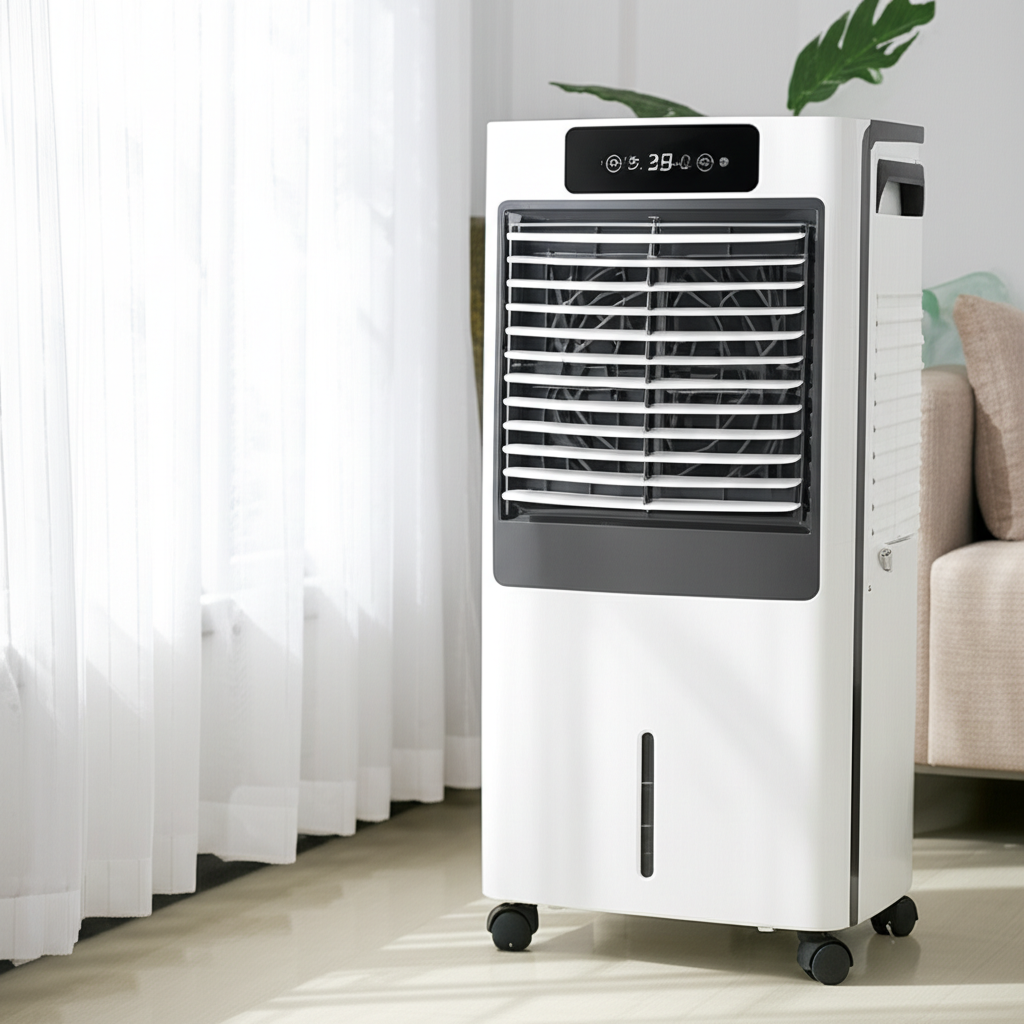
For humid climates, you need an AC that removes moisture, not just cools the air. Look for units with a dedicated “Dry Mode” or high SEER ratings. Proper sizing and regular filter cleaning are key to fighting mugginess and saving energy.
Are you tired of feeling sticky even when your air conditioner is running? It is frustrating when the air feels heavy and cool air just isn’t cutting it. Many people buy an AC for temperature but forget about the sticky humidity that makes the heat feel worse. Don’t worry; you are not alone in this common cooling confusion. I am Jack from ACReviewHub.com, and I promise to make understanding ACs simple. This guide will show you exactly how to choose and use your AC to blast away that sticky feeling for good.
Beat the Humidity: Why Regular ACs Struggle in Sticky Weather
In hot, dry places, cooling is easy. You just lower the temperature, and you feel great. But humid places are different. Humidity is just water vapor floating in the air. It makes the air feel thicker and warmer than it really is. Your sweat cannot evaporate easily, which is how your body cools down.
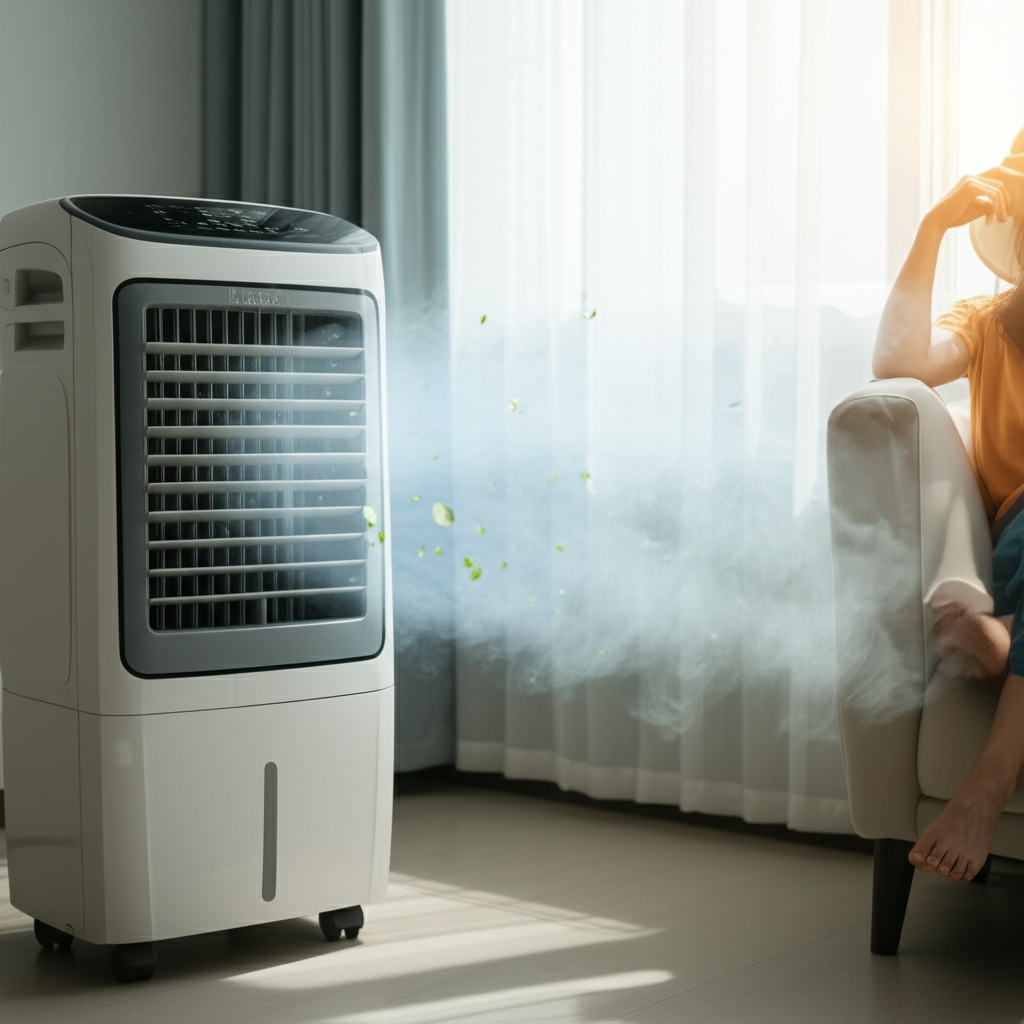
A standard air conditioner works hard to lower the temperature. But it might not take out enough moisture. When the air is still wet, even 75°F can feel like 85°F. That is the humidity trap!
The Secret Weapon: Choosing an AC with a “Dry Mode”
If you live where it is often muggy, you need a specific setting. This setting is often called “Dry Mode” or sometimes “Dehumidify.” This is your best friend for comfort.
How does Dry Mode work? It runs the cooling system differently. It cools the air just enough to pull the moisture out. Then, it blows the slightly warmer, very dry air back into the room. It prioritizes drying over massive temperature drops.
Most modern mini-splits and many window units have this feature. Always check the manual or look closely at the remote control for this magic button.
Sizing Up Your System: Why Bigger Isn’t Always Better for Humidity
Many folks think a huge AC unit will cool their room faster. This is a big mistake, especially in humid zones. An oversized AC cools the air too quickly.
When an AC cools too fast, it does not run long enough to pull out the water. It cycles on, hits the target temperature fast, and shuts off. You are left with a chilly but still sticky room. This is called “short cycling.”
You want an AC that runs longer, gently pulling moisture out as it cools. Check out this simple guide for picking the right size based on your room square footage.
| Room Size (Square Feet) | Recommended Cooling Capacity (BTUs) | Best For |
|---|---|---|
| 150 to 250 sq. ft. | 5,000 to 6,000 BTUs | Small bedrooms, offices |
| 250 to 400 sq. ft. | 7,000 to 9,000 BTUs | Average living rooms |
| 400 to 700 sq. ft. | 10,000 to 12,000 BTUs | Large rooms, open areas |
Top 5 Tips for Maximum Cooling Relief in Humid Weather
Once you have the right AC, you need to use it smartly. These tips are simple things you can start doing today.
- Use the Fan Setting Wisely: If the humidity is high but the temperature is only mild, use the fan setting on the lowest speed. This circulates air without dropping the temperature too much, helping sweat evaporate.
- Set the Thermostat Higher: Resist the urge to set it to 65°F. Try setting it to 75°F or 76°F. A slightly higher temp lets the AC run longer cycles, which is better for dehumidifying.
- Check Your Filters Weekly: Dirty filters block airflow. Blocked airflow means the cooling coils stay wet longer, which slows down drying and reduces efficiency. Clean them often!
- Run the Exhaust Fans: Always use bathroom and kitchen exhaust fans when showering or cooking. These activities pump huge amounts of moisture into your home.
- Use a Separate Dehumidifier: If your AC is struggling badly, consider adding a dedicated dehumidifier in the dampest area, like the basement or a large living room.
Simple AC Maintenance Steps to Fight Moisture
Maintenance is crucial when fighting humidity. Moisture loves to hide in dirty AC systems and grow mold or mildew. We need to keep everything dry and clean.
Your Monthly Moisture Maintenance Checklist
- Clean or Replace Filters: Do this every 30 days, especially during peak muggy season.
- Inspect the Drain Line: The AC pulls water out and sends it outside through a small pipe (the condensate drain line). If this line clogs, water backs up inside your unit, causing leaks and mold.
- Clean Outdoor Unit Fins: Make sure the outdoor part (the condenser) is free of leaves and dirt. Good airflow outside means efficient cooling inside.
- Check the Thermostat Placement: Make sure nothing is blocking the thermostat. If it senses a false reading, the AC won’t run the right amount of time.
For deep cleaning advice, you can always check out the great resources provided by the U.S. Department of Energy on saving energy and maintaining equipment here.
Troubleshooting: When Your AC Blows Cool But Sticky Air
Sometimes, you do everything right, but the air still feels damp. Here is a quick chart to help you figure out what might be going wrong with your unit.
| Symptom | Most Likely Cause | Quick Fix to Try |
|---|---|---|
| Air is cool but feels damp. | AC is oversized or set too low (short cycling). | Set temperature higher (75°F+) or use Dry Mode. |
| Water dripping inside the unit. | Clogged condensate drain line. | Carefully check the drain line for blockages (often needs a professional). |
| Unit runs constantly, but room is only slightly cool. | Very high outdoor humidity or dirty coils. | Clean the indoor filter and ensure outdoor unit is shaded and clean. |
Common Mistakes Beginners Make in Humid Climates
I have seen many people waste money and energy by making these simple slips. Don’t let these happen to you!
- Ignoring the “Dry Mode”: Relying only on the “Cool” setting is the number one mistake. Use Dry Mode when it is muggy but not scorching hot.
- Setting the Temperature Too Low: Dropping the thermostat below 72°F often leads to short cycling and poor moisture removal.
- Leaving Windows Open: This seems obvious, but even a few minutes lets in a huge amount of moisture. Seal up any drafts around windows and doors.
- Forgetting to Service Annually: Humidity puts extra stress on components. Get a professional tune-up once a year before summer hits.
Frequently Asked Questions About ACs and Humidity
Here are a few quick answers to the questions I hear most often.
Q: Can I just use a separate dehumidifier instead of an AC?
A: Only for very small, isolated spaces. A dehumidifier adds a little bit of heat to the room while it dries the air. For whole-home comfort, you need an AC.
Q: How cold should my air feel coming out of the vent?
A: A well-working AC should blow air that is about 15°F to 20°F cooler than the air it sucks in. If it’s 90°F outside, the vent air should be around 70°F to 75°F.
Q: Is running Dry Mode more expensive than Cool Mode?
A: Usually, Dry Mode uses slightly less electricity than Cool Mode because the compressor doesn’t have to work as hard to achieve a very low temperature. It trades deep cooling for better drying.
Q: What is SEER rating and why does it matter here?
A: SEER is Seasonal Energy Efficiency Ratio. A higher number (like 16 or 18) means the unit is more efficient at using electricity to cool and dehumidify your home over a whole season.
Q: Should I turn my AC off completely when I leave the house?
A: No! In a humid climate, turning it off lets the humidity build up. Keep it set to about 78°F or 80°F to keep the moisture level under control while you save energy.
Q: How often should I clean my AC coils?
A: The indoor evaporator coils should be cleaned professionally every 1–2 years. If you have pets or smoke, aim for once a year.
Stay Cool, Stay Dry
Dealing with humid weather doesn’t have to mean constant discomfort or sky-high energy bills. Remember, the secret is balancing temperature control with moisture removal. By understanding your settings, keeping up with simple monthly cleaning, and sizing your unit correctly, you are already ahead of the game.
Consistency in maintenance is what keeps those comfort levels high all summer long. Keep checking those filters, and enjoy the cool, dry air you deserve!
