
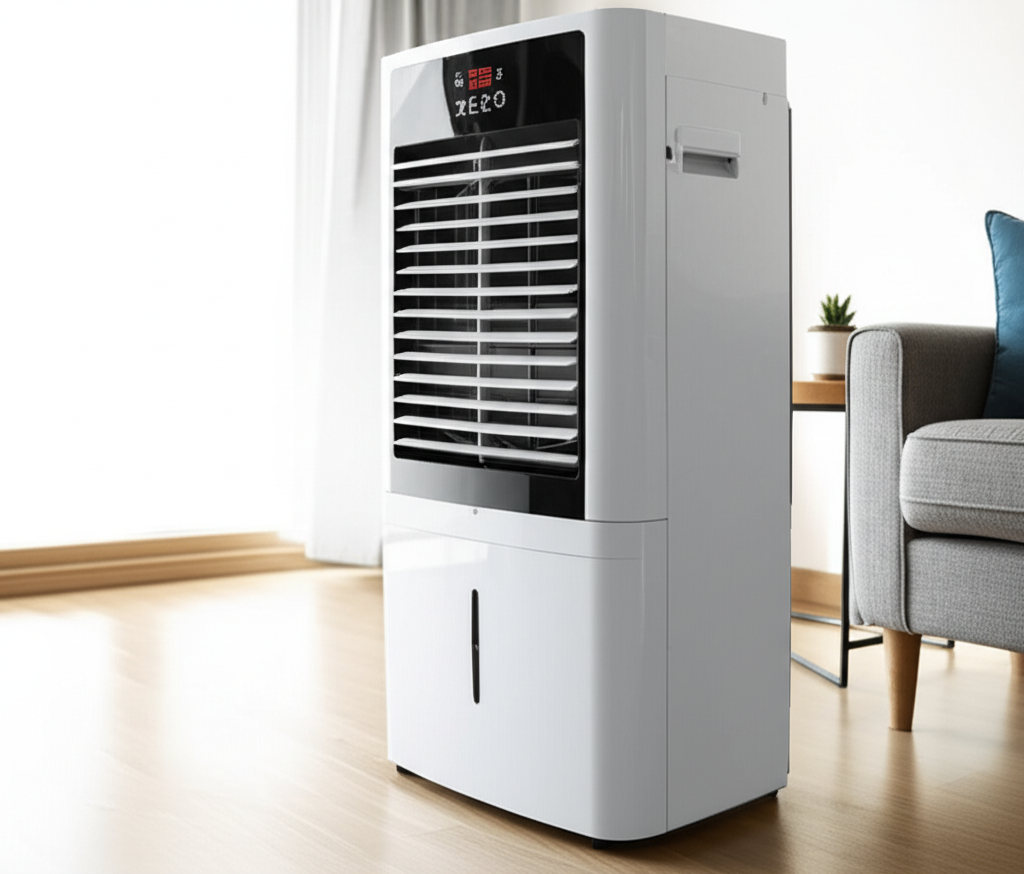
Quick Fixes for Your Air Cooler Woes: Most common AC problems can be solved fast by checking the filter, cleaning the coils, and ensuring the thermostat is set right. Don’t sweat the small stuff—we’ll get you cool again quickly!
Is your air conditioner blowing warm air? Maybe it sounds louder than usual. These little problems can really ruin a comfortable day inside. It is easy to feel confused when your cool machine stops working right. Don’t worry about complicated tech talk.
I’m Jack from ACReviewHub.com. I’m here to help you fix the easy stuff yourself. We will go through simple checks that save you a service call fee. Get ready to understand your AC better and keep your home cool all summer long.
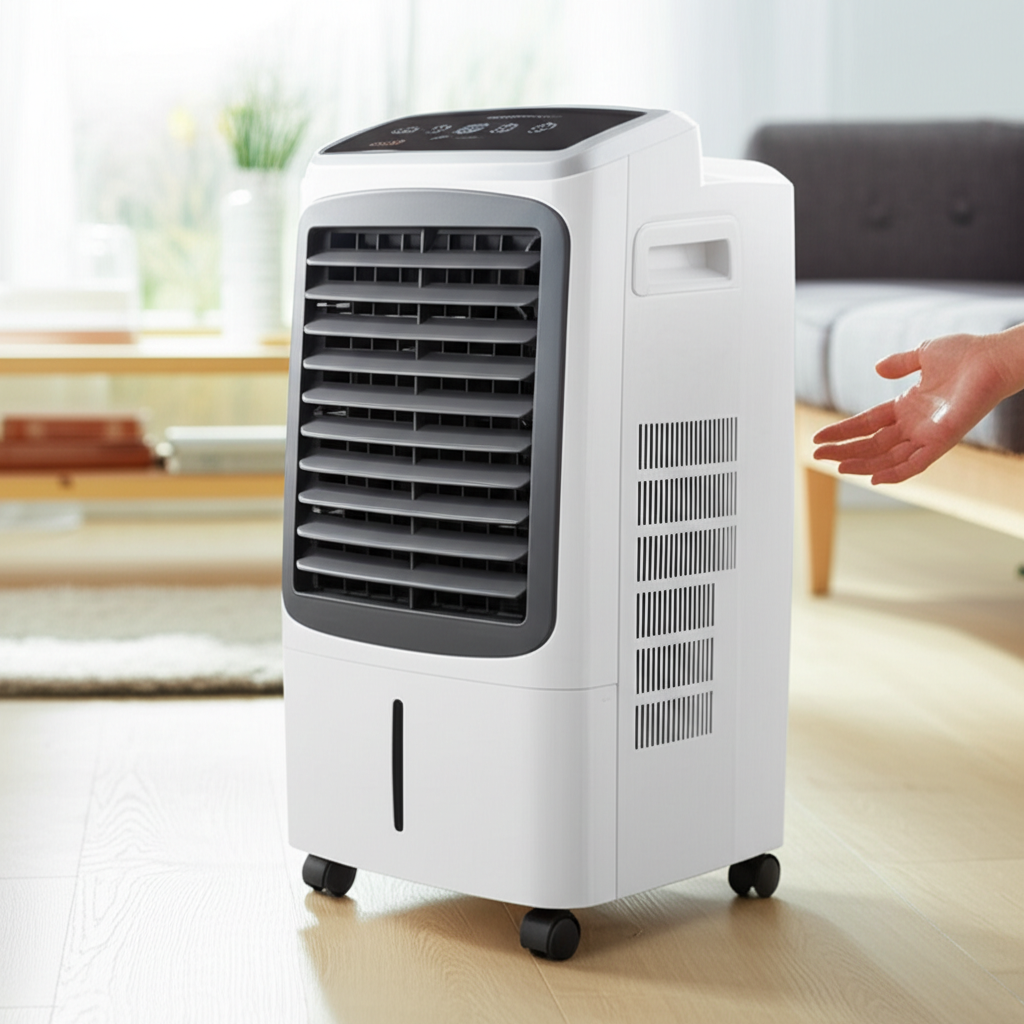
AC Not Cooling? Your Top 5 Urgent Fixes Right Now
When the heat is on, a warm AC feels like a big problem. But often, the fix is surprisingly simple. We start with the most common culprits that stop cold air from flowing.
1. Check the Thermostat Setting First
This sounds silly, but it happens all the time. Make sure your thermostat is set to “Cool,” not “Fan Only” or “Heat.” Set the temperature where you want it, usually between 72°F and 75°F for good comfort.
Check the batteries if it is a digital screen. Dead batteries can make the AC think it is already cold inside. Swap them out for fresh ones to wake the system up.
2. Clean or Replace the Air Filter Immediately
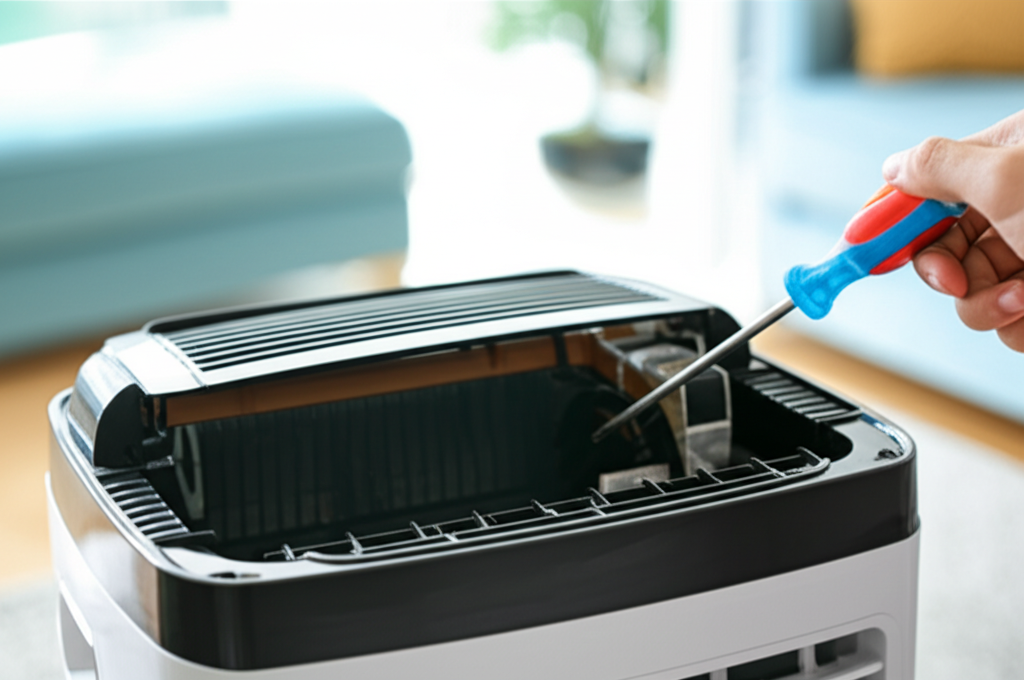
A dirty filter is the number one enemy of good cooling. A clogged filter blocks air from moving over the cold coils. This makes the AC work too hard and freeze up.
Here is how to check and change your filter:
- Turn the power off to the AC unit for safety.
- Find the filter slot, usually behind the return vent cover.
- Pull out the old filter. If you can see dirt, it needs replacing.
- Slide in a new filter with the arrow pointing toward the unit.
- Turn the power back on and test the cooling.
3. Look for Frozen Coils (The Icy Problem)
If you notice ice on the outside unit or the air coming out is weak, you might have frozen evaporator coils inside. This happens because of low airflow (dirty filter) or low refrigerant.
If you see ice, follow these steps immediately:
- Turn the AC setting from “Cool” to “Fan Only.”
- Let the fan run for several hours to thaw the ice completely.
- Do not run the AC again until the ice is gone.
- Once thawed, clean or replace the filter before turning the cooling back on.
4. Clear Debris Around the Outdoor Unit
The outside unit (the condenser) needs space to breathe. It pulls air in to dump the heat it collected from inside your house.
If grass, leaves, or bushes are blocking it, the heat stays trapped. Trim back any plants at least two feet away from the unit on all sides. Also, make sure no garden tools or debris are leaning against it.
5. Check the Circuit Breaker
Sometimes, a power surge or an overworked system trips the circuit breaker. Go to your main electrical panel. Look for the breaker labeled “AC” or “Furnace/Air Handler.”
If it is flipped to the middle or “Off” position, flip it completely to “Off” first. Then, firmly flip it back to the “On” position. If it trips again right away, you have a bigger electrical issue needing an expert.
Understanding AC Capacity: Is Your Unit the Right Size?
Sometimes, the unit itself is the problem because it was sized wrong when installed. A unit that is too small will run constantly and never cool well. A unit too big will cycle on and off too quickly, which causes humidity problems.
We measure cooling power in BTUs (British Thermal Units). This chart helps you see what size room needs what power:
| Room Size (Square Feet) | Required Cooling Power (BTU/hr) |
|---|---|
| 150 to 250 sq ft | 5,000 to 6,000 BTU |
| 250 to 350 sq ft | 7,000 to 8,000 BTU |
| 350 to 450 sq ft | 9,000 to 10,000 BTU |
| 450 to 550 sq ft | 12,000 BTU |
For more detailed sizing information, you can check guidelines from the U.S. Department of Energy (Energy.gov).
When to Call the Pro: Recognizing Serious Issues
If you have done the five basic checks and the AC still struggles, it is time to call a certified technician. These problems are beyond a simple DIY fix.
Here are signs that mean you need professional help:
- The AC runs constantly but never reaches the set temperature.
- You smell a burning smell (turn the power off immediately!).
- There is water leaking heavily from the indoor unit.
- The refrigerant line (the copper pipe outside) is covered in thick ice.
- The unit makes loud banging or screeching noises when starting up.
Troubleshooting Symptoms vs. Quick Causes
This table helps you quickly match what you see with the most likely easy fix. Remember, these are starting points, not final diagnoses.
| Symptom | Most Likely Simple Cause |
|---|---|
| Weak Airflow | Dirty Air Filter |
| Unit Won’t Turn On | Tripped Circuit Breaker or Dead Batteries |
| Warm Air Blowing | Thermostat set wrong or Coils Frozen |
| Water Puddle Near Unit | Clogged Condensate Drain Line (needs gentle clearing) |
Simple AC Maintenance to Keep Things Running Smoothly
The best way to avoid urgent fixes is regular, easy maintenance. A little care goes a long way in keeping your energy bills low.
Follow this simple schedule:
- Monthly (During Cooling Season): Check and change or clean the air filter.
- Twice Yearly (Spring/Fall): Gently clean the outside unit fins using a soft brush or low-pressure hose spray (power off first!).
- Annually: Have a professional tune-up before the summer heat truly hits. They check refrigerant levels and electrical connections.
Frequently Asked Questions (FAQ) for New AC Owners
Q1: How cold should the air feel coming out of the vent?
A: The air blowing out should feel about 15 to 20 degrees cooler than the air going into the unit. If it’s only a few degrees cooler, that’s a sign of trouble.
Q2: My AC is making a bubbling sound. Is that bad?
A: Usually, no. A slight gurgling or bubbling sound often means air is moving through the refrigerant lines. It is normal unless it is very loud.
Q3: Can I leave the AC on Fan Only mode?
A: Yes, you can use the “Fan Only” setting to circulate air when you don’t need cooling. It uses less energy than the “Cool” setting.
Q4: Why does my AC turn on and off very quickly?
A: This is called “short-cycling.” It usually means the unit is oversized for the space, or there is a serious blockage stopping proper airflow.
Q5: How often should I professionally clean the outside unit?
A: Once a year, right before cooling season starts, is perfect. This keeps the coils clear for maximum efficiency.
Taking charge of your air conditioner doesn’t require an engineering degree. Most common cooling issues come down to simple things like dirty filters or power settings.
Stay consistent with these easy checks, and you will keep saving money and staying comfortable. You’ve got this—stay cool!
