
The best AC temperature for cooling is usually between 72-78°F (22-26°C). Aim for 78°F when you’re home to save energy, and a bit higher when you’re away. It’s all about finding that sweet spot for comfort and savings!
Hey there! Is your air conditioner acting up, or are you just trying to figure out the best way to keep your home cool without breaking the bank? It can feel a bit confusing, right? Don’t worry, I’m here to help!
At ACReviewHub.com, my goal is to make understanding your AC as easy as pie. We’ll walk through everything, from setting the right temperature to simple fixes you can do yourself. Get ready to feel more comfortable and save some money!
Finding Your Home’s Sweet Spot: The Best AC Temp for Cooling
Let’s talk about that magical number for your thermostat. What’s the “best” temperature for your air conditioner? It’s not just about blasting the cold; it’s about comfort and efficiency.
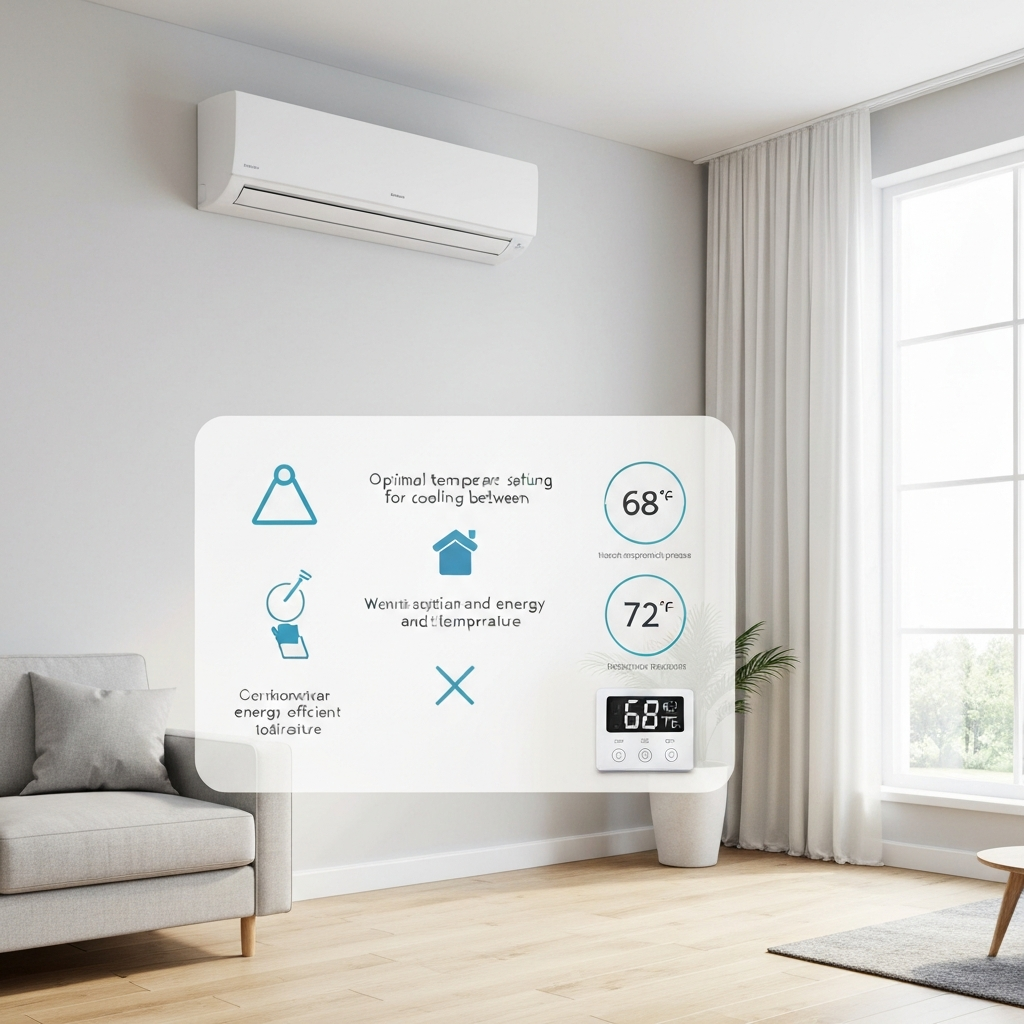
Most folks find that setting their AC between 72°F and 78°F (22°C to 26°C) works wonders. This range keeps your home cool enough to feel refreshing without making your energy bill skyrocket.
Why Setting the Right Temperature Matters
Your AC works hard to keep you cool. When you set it too low, it has to run much longer. This uses a lot more electricity.
A higher temperature, like 78°F (26°C), is often recommended for saving energy. Your AC won’t have to work as hard, and you’ll likely see a difference on your bill.
Plus, a huge difference between the outside heat and your inside cool can be tough on your body. A smaller difference is usually more comfortable.
Smart Temperature Settings for Different Times
You don’t need the same cool all the time. Think about when you’re home and when you’re not.
When You’re Home: Aim for that comfortable 72-78°F (22-26°C) range. Find what feels best for you and your family. A good starting point is often 75°F (24°C).
When You’re Away: Crank it up! Set your thermostat a few degrees higher, maybe 80-85°F (27-29°C). Your AC won’t have to work to cool an empty house. When you get back, you can lower it again.
When You Sleep: Some people like it cooler at night. A slightly lower setting, maybe 70-72°F (21-22°C), can help you sleep better. Just remember to adjust it when you wake up!
Understanding Your AC’s Cooling Power: BTUs Explained
Ever see “BTU” on an AC unit and wonder what it means? BTU stands for British Thermal Unit. It’s basically a measure of how much heat an AC can remove from a room in one hour.
The bigger the room, the more BTUs you need. Picking the right BTU size is super important for your AC to work well and not waste energy.
| Room Size (Square Feet) | Recommended BTU Capacity |
|---|---|
| 100 – 150 | 5,000 BTU |
| 150 – 250 | 6,000 BTU |
| 250 – 350 | 8,000 BTU |
| 350 – 450 | 10,000 BTU |
| 450 – 550 | 12,000 BTU |
| 550 – 700 | 14,000 BTU |
| 700 – 1000 | 18,000 BTU |
| 1000 – 1200 | 21,000 BTU |
If your AC is too small, it will run constantly and still not cool the room. If it’s too big, it will cool the room too quickly without removing humidity, leaving it feeling damp and clammy. It can also wear out faster.
Simple AC Maintenance Tips for Better Cooling
Keeping your AC happy means it will keep you cool and save you money. A little bit of care goes a long way!
- Clean or Replace Air Filters Regularly: This is the #1 thing you can do! Dirty filters block airflow, making your AC work harder. Check them monthly and clean or replace as needed.
- Keep Outdoor Unit Clear: Make sure the area around your outdoor condenser unit is free of leaves, grass clippings, and other debris. This helps it breathe and cool efficiently.
- Check for Leaks: Look for any water leaks around your indoor unit or refrigerant lines. If you see any, it’s time to call a pro.
- Professional Tune-Ups: Consider getting your AC serviced by a professional once a year. They can catch small problems before they become big, expensive ones.
For more detailed maintenance advice, check out the U.S. Department of Energy’s tips on saving energy at home: Energy.gov Home Cooling Tips.
Troubleshooting Common AC Issues
Sometimes, your AC might act up. Here are a few simple things you can check before calling for help.
-
AC Not Cooling Enough:
- Check if the thermostat is set correctly.
- Clean or replace the air filter.
- Make sure all vents are open and not blocked.
- Ensure the outdoor unit isn’t covered in debris.
-
AC Blowing Warm Air:
- Check your circuit breaker.
- Clean or replace the air filter.
- Make sure the thermostat is set to “Cool.”
-
AC Making Strange Noises:
- Listen to the type of noise. A rattling might mean loose parts, while a hissing could indicate a refrigerant leak.
- If noises are new or concerning, it’s best to call a professional.
| Symptom | Possible Cause | What You Can Do |
|---|---|---|
| Not cooling well | Dirty air filter, low refrigerant, blocked vents | Clean filter, check vents, call for service if needed |
| Blowing warm air | Thermostat setting, tripped breaker, dirty filter | Check thermostat, reset breaker, clean filter |
| AC freezing up | Restricted airflow (dirty filter), low refrigerant | Clean filter, turn AC off to defrost, call for service |
| Leaking water | Clogged drain line, frozen evaporator coil | Clear drain line, turn AC off to defrost, call for service |
Frequently Asked Questions About AC Temperatures
Q: What’s the absolute coldest I can set my AC?
A: While you can set it very low, it’s not good for the AC or your wallet. Stick to the recommended range for best results!
Q: Should I turn off my AC when I leave the house?
A: It’s better to set it a few degrees higher instead of turning it off completely. This way, it won’t have to work as hard to cool down when you return.
Q: Does humidity affect my AC temperature?
A: Yes! High humidity makes the air feel warmer. A well-functioning AC will help remove humidity, making it feel cooler even at a higher temperature.
Q: How often should I change my AC filter?
A: Most filters need changing every 1-3 months. Check it monthly to see if it’s dirty. More pets or dust in your home means you might need to change it more often.
Q: What’s a “smart thermostat” and is it worth it?
A: Smart thermostats learn your habits and can be controlled by your phone! They’re great for saving energy by automatically adjusting temps when you’re away.
Q: My AC is old, is it still efficient?
A: Older AC units are usually less efficient than newer ones. If yours is over 10-15 years old, you might save money in the long run by upgrading.
Stay Cool and Save Smart!
Taking care of your air conditioner doesn’t have to be complicated. By understanding the best temperatures, doing a little regular maintenance, and knowing when to get help, you can keep your home comfortable and your energy bills down.
Remember, small, consistent steps make a big difference. Keep an eye on those filters and that thermostat, and enjoy a cool, relaxing home all season long!
Happy cooling!
