
Quick Summary: Loud window ACs are usually caused by loose parts, dirty filters, or ice buildup. A quick check often reveals the simple fix, so don’t panic—we’ll find the easy solution together!
Is your window air conditioner suddenly sounding like a tiny construction site? That loud noise can really ruin a peaceful evening, can’t it? Dealing with confusing AC problems doesn’t have to be stressful or expensive. I’m Jack from ACReviewHub.com, and I promise to break down these noisy issues into simple steps you can handle today. Get ready to finally understand what that racket means and how to quiet things down!
Why Is My Window AC Making So Much Noise? The Top 5 Shocking Truths
Window units are tough, but they rely on a few moving parts that can easily cause trouble when things go slightly wrong. The “shocking truth” is that the cause is usually something you can see or touch, not some major mechanical failure.
Truth 1: The Vibration Vacation – Loose Screws and Panels
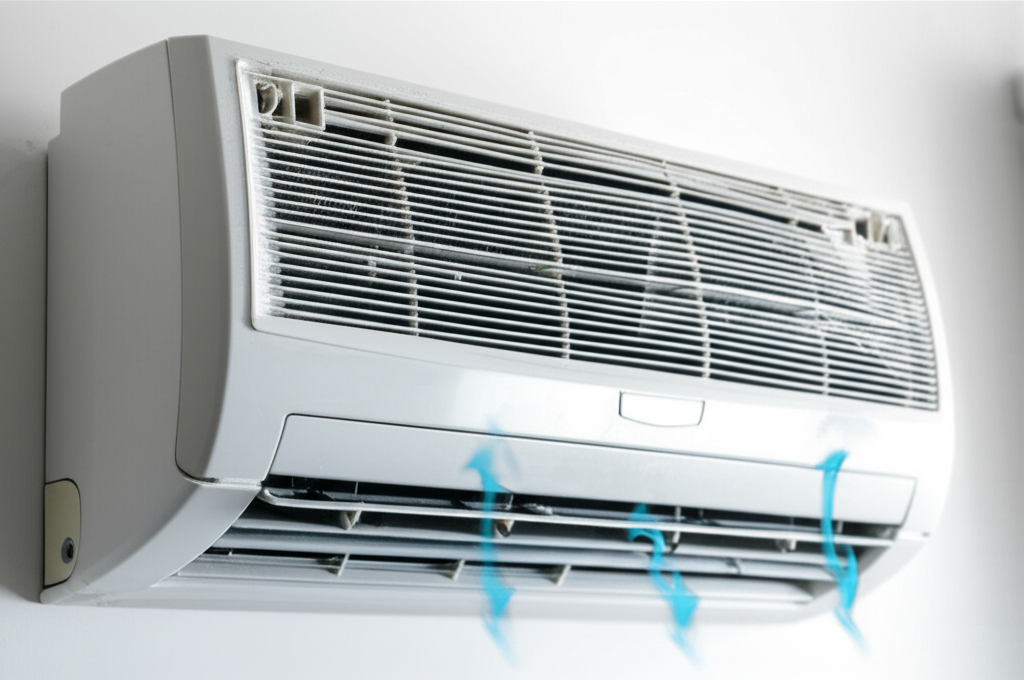
The most common culprit is simple vibration. Think of it like a loose cabinet door rattling when you walk by.
When the compressor or fan motor runs hard, any slightly loose screw or panel on the outer casing can start shaking aggressively. This creates a loud buzzing or rattling sound.
Quick Fix Tip: Carefully check the exterior casing screws. If they feel loose, gently tighten them with a screwdriver. Don’t over-tighten, just snug them up.
Truth 2: The Dirty Filter Disaster
A clogged air filter is like trying to breathe through a straw. When air can’t flow freely across the cooling coils, the system works overtime.
This strain often causes the fan motor to struggle or can even lead to ice forming on the coils, which makes a loud ticking or knocking sound as it melts and refreezes.
Maintenance Routine: Clean Your Filter Regularly
- Unplug the AC unit completely for safety.
- Slide out the front filter panel.
- Gently vacuum off large dust clumps.
- Wash the filter with warm, soapy water if it’s reusable.
- Ensure it is completely dry before sliding it back in.
- Plug the unit back in and test the noise level.
Truth 3: The Fan Blade Fiasco
Inside the unit, there are fan blades pushing air out and drawing air in. If these blades get bent or coated in heavy dirt, they become unbalanced.
An unbalanced fan spins unevenly, causing a rhythmic thumping or loud humming that gets worse the faster the fan spins.
If you suspect a fan issue, it’s often best to call a pro, as accessing the internal fan requires taking the housing apart.
Truth 4: The Compressor Conundrum
The compressor is the heart of your AC, making the cooling happen. It naturally makes a low humming noise, but loud banging or clanking means trouble.
This noise usually signals that the internal motor mounts or suspension system inside the compressor housing have worn out, allowing the heavy motor to slam against the metal casing.
Warning Sign: If the noise is a deep, metallic knocking, shut the unit off immediately. Continued use can cause permanent damage.
Truth 5: The Installation Imbalance
If your AC is brand new or was just installed, the noise might be due to improper seating in the window frame.
A unit that isn’t perfectly level or tightly secured will vibrate against the window sill or the exterior wall, amplifying the sound significantly.
AC Setup Checklist for Quiet Operation
| Step | Action Required | Why It Matters |
|---|---|---|
| Level Check | Ensure the unit slopes slightly backward (for drainage). | Prevents water leaks and excessive vibration. |
| Sash Lock Tightness | Tighten the window sash lock firmly against the unit. | Stops the unit from rattling against the window frame. |
| Support Brackets | If using external support, ensure it’s snug against the wall. | Reduces exterior casing movement when the compressor starts. |
Decoding Strange Noises: What Does That Sound Mean?
Sometimes the sound itself tells you exactly where to look first. Here’s a quick guide to help you translate the noise your unit is making.
| Symptom Sound | Most Likely Cause | Beginner Action |
|---|---|---|
| Rattling/Buzzing | Loose screws or panels. | Tighten exterior casing screws. |
| Hissing/Sizzling | Refrigerant leak or water dripping on hot parts. | Check for water leaks; call a technician for refrigerant. |
| Loud Clanking/Banging | Internal compressor failure or debris hitting the fan. | Turn off immediately and call for professional help. |
| High-Pitched Squeal | Worn-out fan motor bearings. | Often requires motor replacement. |
For reliable information on energy efficiency and unit longevity, check out the tips from Energy.gov on keeping your cooling systems running smoothly: Energy.gov Cooling Tips.
When to Call a Professional (And Save Money by Waiting)
It’s great to fix simple things yourself, like cleaning filters or tightening screws. However, some noises mean the problem is deeper inside the sealed system.
You should stop running the unit and call a trusted local HVAC technician if you hear:
- Loud, persistent grinding or metal-on-metal sounds.
- The AC is running constantly but not cooling well, accompanied by a loud noise.
- A sound that started suddenly after a storm or power surge.
Knowing when to stop is a huge money saver. Replacing a compressor is costly, but stopping the unit before total failure can sometimes allow for a cheaper repair.
Frequently Asked Questions About Noisy ACs
Q: Can I just put foam around the noisy gaps?
A: Yes, you can use specialized acoustic foam or weather stripping around the edges where the unit meets the window frame. This helps dampen vibrations traveling into your house.
Q: My AC only gets loud when it first starts up. Is that normal?
A: A brief, louder hum right when the compressor kicks on is usually normal. If it lasts longer than 30 seconds, though, it might be mounting issues.
Q: How often should I check the fan blades?
A: You don’t need to check the blades often, but if you notice performance dropping or a rhythmic thumping, that’s your cue to inspect them (after unplugging the unit, of course!).
Q: Does turning the fan speed down stop the noise?
A: Sometimes! If the noise is caused by the fan hitting something or vibrating a panel at high speed, lowering the fan setting can reduce the speed enough to eliminate the noise.
Q: What causes that sudden “clunk” noise when the AC turns off?
A: That’s often the system settling down. The metal parts, hot from running, contract slightly as they cool, causing a single, harmless “clunk” or pop.
Q: Is it better to replace a loud, old window AC or repair it?
A: If the unit is over 10 years old and the repair involves the compressor or fan motor replacement, replacing it is usually more cost-effective and energy efficient.
Stay Cool and Keep the Peace
That loud window AC noise doesn’t have to be a mystery that keeps you up at night. Most of the time, it’s just a loose screw, a dirty filter, or a need for a little repositioning.
By following these simple checks—especially keeping those filters clean and ensuring a tight fit—you’ll keep your unit running quietly and efficiently all season long. Consistent, small maintenance routines make the biggest difference over time.
You’ve got this — and cool, comfortable air is just a few simple steps away.
