
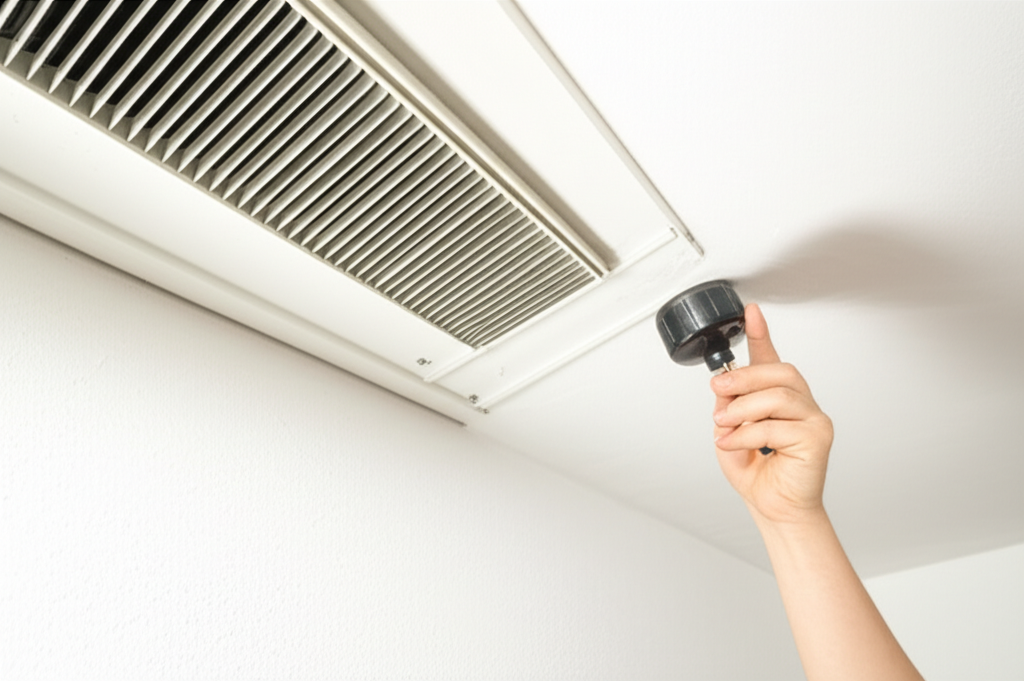
The best way to vent an evaporative cooler (swamp cooler) is to ensure you have a continuous source of fresh air coming into the room and an open exhaust path for the humid air to leave. This means opening a window or door partially on the side of the room opposite the cooler.
Understanding Your Evaporative Cooler: Why Venting Matters
Welcome to ACReviewHub.com! I’m Jack, and I know looking at new cooling systems can feel like reading a foreign language. You bought an evaporative cooler hoping for cool air and lower bills, right?
But maybe it’s not working like you expected. Sometimes, these coolers seem to just blow warm, sticky air around. That’s usually not the cooler’s fault; it’s often a simple venting issue. We are going to fix that right now.
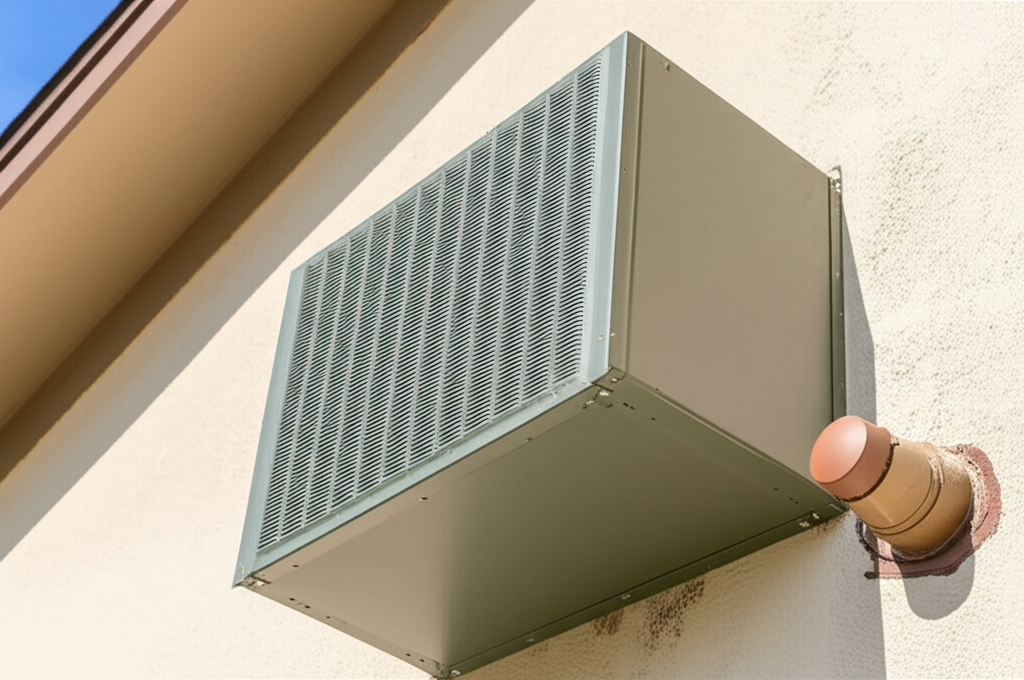
This guide will show you the simple secrets to venting your swamp cooler so you get the coldest, most comfortable air possible without wasting energy. Let’s get your cool air flowing!
What Is Evaporative Cooling, Anyway?
Evaporative coolers work differently than regular air conditioners. They don’t use heavy chemicals (refrigerants). Instead, they use water to cool the air. Think about how you feel after swimming—the air moving over your wet skin feels cool. That is the same magic happening inside your unit.
The machine pulls hot, dry air through water-soaked pads. When the water evaporates, it takes heat out of the air. This cool, moist air blows into your room. Easy peasy!
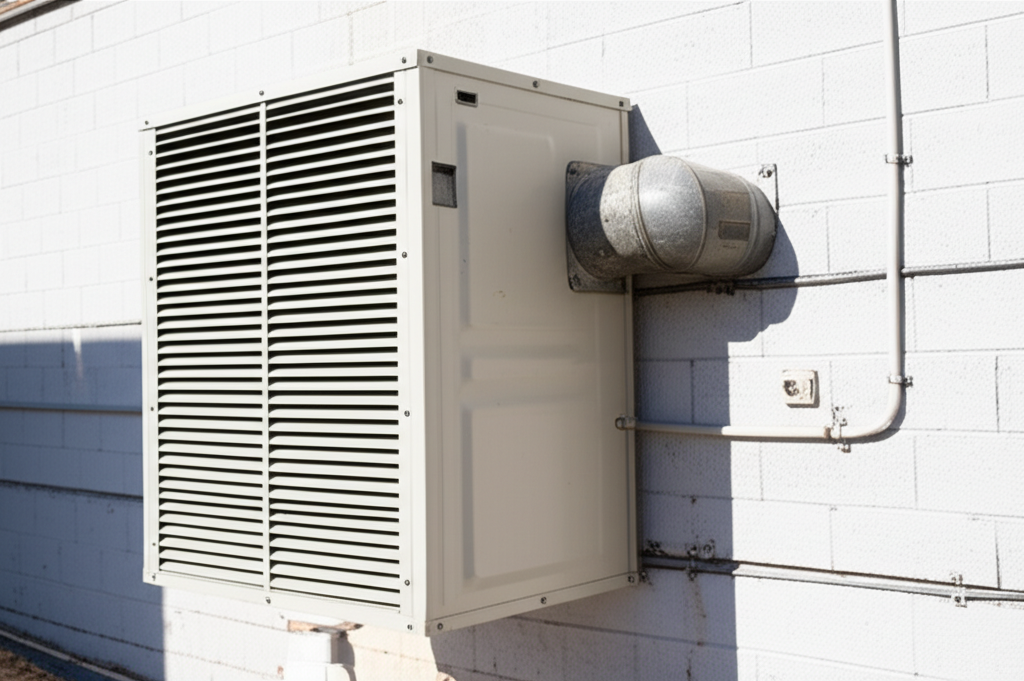
The Golden Rule: Air Needs to Move Out
If you pump new, cool air into a room, where does the old air go? It has to leave! If the air can’t escape, it gets stuck. This trapped air becomes warm and very humid very quickly. This is why your room feels muggy instead of crisp.
The process needs two things working together: a supply of fresh air coming in and an exhaust path for the used air to go out. This is called the cross-breeze effect, and it is the key to great swamp cooling.
The Best Way To Vent Evaporative Cooler: Step-by-Step Fix
Forget complicated HVAC diagrams. Getting the vent right is about creating a simple path for the air. Follow these steps for the amazing fix you are looking for.
Step 1: Locate Your Cooler
Know which side of the room your cooler is blowing air into. This is your “Intake Zone.”
Step 2: Create the Exhaust Opening
You must open a window or door on the opposite side of the room from where the cooler is blowing. This is your “Exhaust Zone.”
If the cooler is on the north wall, you want the open window on the south wall.
Step 3: Get the Size Right (The Magic Ratio)
This is the part most people miss. You don’t need to open the exhaust window all the way. If you open it too much, you waste the cool air you just made.
For the best results, the open exhaust area should be about half the size of the intake opening of the cooler itself. For most standard home units, opening a window about 2 to 4 inches wide is perfect.
- If your cooler is blowing hard, you need a bigger exhaust opening.
- If it’s a very small room, you need less exhaust opening.
- Always check how the air feels—it should feel like a constant, gentle breeze moving across the room toward the open window.
Step 4: Keep Interior Doors Open
If you are cooling more than one room, make sure the doors between those rooms are wide open. You need one clear path from the cooler, through the house, to the main exhaust point.
Quick Setup Guide for Maximum Coolness
Use this simple chart to remember the setup for the best performance:
| Component | Action Required | Why We Do This |
|---|---|---|
| Cooler Intake Side | Air is drawn in (usually through pads) | Pulls hot, dry air from outside. |
| Room Supply | Cool air blows into the living space | This is the fresh, cooled air you want. |
| Exhaust Window/Door | Open 2–4 inches on the opposite wall | Lets the humid, used air escape immediately. |
| Humidity Level | Monitor outside humidity | Swamp coolers work poorly when it’s already sticky outside. |
When Does Venting Need More Attention?
Evaporative coolers shine when the air outside is dry. If you live somewhere hot and dry (like Arizona or New Mexico), your setup above should work great.
However, if the humidity outside is high (like coastal areas or during a rainy summer), the cooler struggles to evaporate water. In these times, you need to maximize airflow to help push that sticky air out faster.
Here are things to watch out for:
- High Outside Humidity: If the outdoor humidity is above 50%, the cooler won’t drop the temperature much. You might need to slightly open the exhaust window wider to pull in fresh air faster, even if it means a small temperature trade-off.
- Stuffy Feeling Indoors: If the room feels thick and damp, you aren’t venting enough. Open the exhaust window a little more until the air feels fresh again.
- Closed Systems: Never try to run an evaporative cooler in a sealed room. It needs to breathe!
For more deep dives into cooling efficiency, the U.S. Department of Energy offers great resources on swamp cooler efficiency: Energy.gov on Evaporative Cooling.
Common Venting Mistakes Beginners Make
Don’t worry if you’ve made these mistakes before—everyone does when they first start using these systems. The good news is they are easy to fix!
| Mistake | The Problem It Causes | The Simple Fix |
|---|---|---|
| Closing All Windows | Air gets trapped, temperature rises, humidity spikes. | Always leave at least one window cracked open opposite the cooler. |
| Opening Only the Cooler Window | The cooler blows against a closed room, forcing air back. | Ensure a clear path for air to exit the house. |
| Using the Cooler on Humid Days | Air feels sticky; cooling effect is minimal. | Turn it off and use a dehumidifier or a standard AC if available. |
FAQ: Quick Answers from Jack
Here are the things I hear most often from new swamp cooler owners.
Q: Do I have to open a window when running my swamp cooler?
A: Yes, absolutely! Think of it like a fan—it needs somewhere for the air it pushes to go.
Q: How much should I open the exhaust window?
A: Start small, about 3 inches, and check the air quality. You want a steady flow, not a strong blast of wind.
Q: What if I only have windows on the same side as the cooler?
A: That’s tricky! If you can’t open windows opposite the cooler, open a door leading to a hallway or another room that has an open window. You need to create a path somewhere.
Q: Will opening windows make my electricity bill go up?
A: Not nearly as much as a traditional AC! Evaporative coolers use very little electricity, mainly just for the fan and water pump.
Q: Can I run my swamp cooler and my regular AC at the same time?
A: No, never! The swamp cooler adds moisture, which makes your regular AC work much harder and risks damage.
Q: Do I need to keep the door to the outside entry open?
A: Only if that door leads directly outside! If it leads to a sealed part of the house, focus on getting the air out to the outside environment.
Final Cool Thoughts
See? Venting an evaporative cooler isn’t rocket science; it’s just common sense airflow management. The magic is always in the push-and-pull: fresh air in, humid air out.
By making sure you have that opposite opening, you unlock the full, money-saving power of your swamp cooler. Stay consistent with checking your exhaust path, and you’ll enjoy wonderfully cool comfort all season long.
Keep it simple, keep it cool, and I’ll see you around ACReviewHub.com!
