
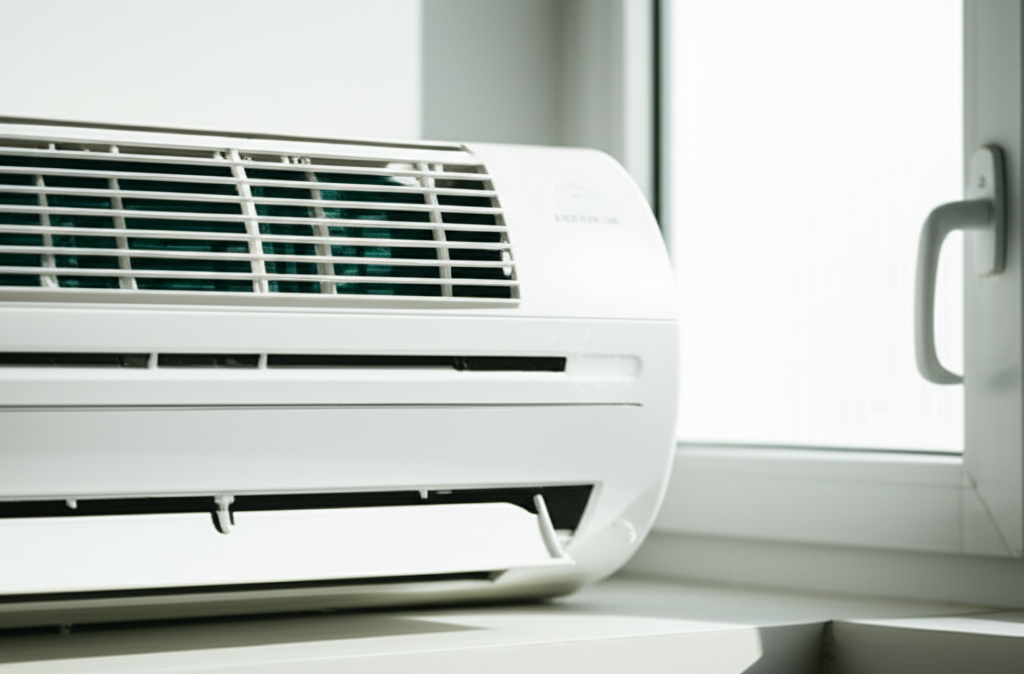
Quick Summary: Can a window AC run without the window fully closed? Technically, no. A window unit needs that tight seal to push hot air out and keep cool air in. Trying to run it without that seal wastes a ton of energy and won’t cool your room well.
Are you staring at your window air conditioner right now? Maybe you are moving soon, or perhaps you just want to put it in a different spot. It is easy to wonder if you can just set it up anywhere, even without the window being perfectly shut. Trust me, I get it; figuring out AC setup can feel like solving a puzzle.
Don’t worry about confusing manuals or technical jargon. I’m Jack from ACReviewHub.com, and my job is to make air conditioning simple. Today, we are tackling the big question: Can window AC units work without a proper window installation? We are going to uncover the truth and show you the right way to keep things cool and save some money.
Why Window ACs Need a Window: The Science Made Simple
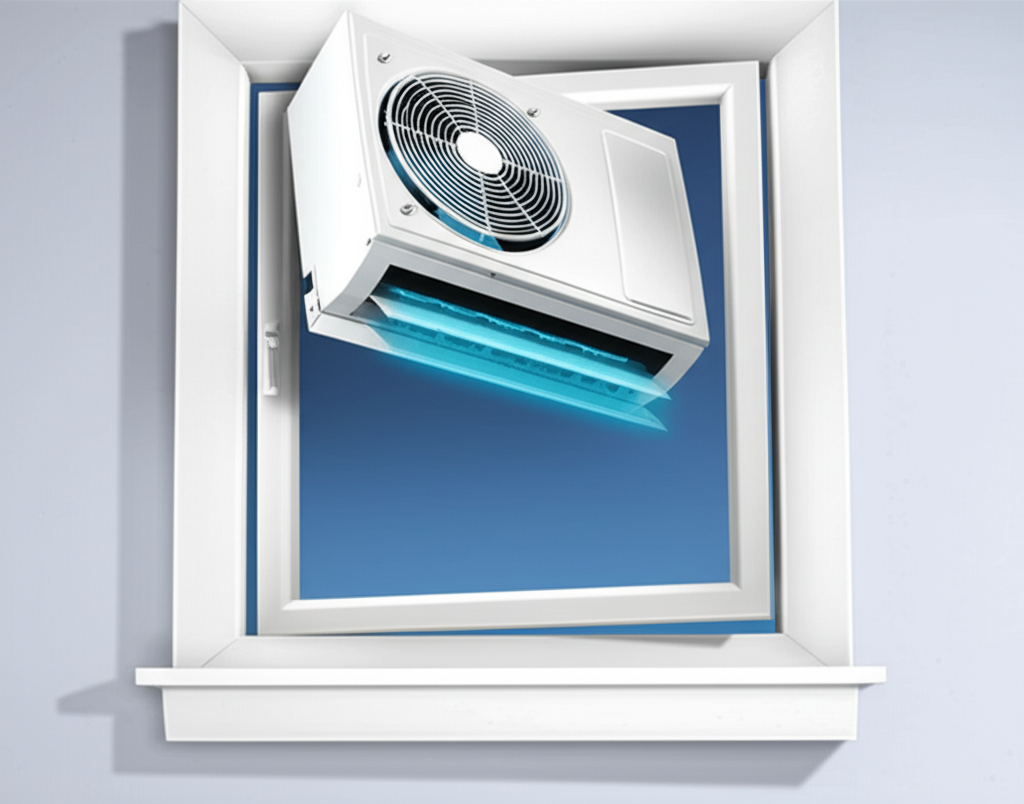
A window AC unit is a mini heat-mover. It doesn’t create cold air; it moves hot air from inside your room to the outside air.
For this to work, the unit has two main parts that must stay separate. One part cools your room, and the other part dumps the heat outside. This separation is key to cooling efficiency.
The Two Sides of Your AC Unit
Think of your window AC as having a front and a back, even though it sits in one spot. The front part faces your living space, blowing out the cold air you want.
The back part faces the outdoors and blows out the hot air it just removed from your room. If you don’t seal the gap around the unit, that hot outside air just sneaks right back in.
The Shocking Truth: What Happens If You Don’t Seal It?
The simple answer is that while the machine might turn on without a window, it will not cool your room effectively. This is the “shocking truth” that costs people money every summer.
Energy Vampire Mode: Wasting Your Money
When the window isn’t sealed properly—say, you just set the unit on a table near an open window—you create a big leak.
The AC keeps trying to cool the room, but it’s also fighting against the hot air leaking back in. Your compressor runs longer and harder, spiking your electric bill for almost no comfort.
Cooling Failure: Why You Won’t Feel the Chill
Effective cooling relies on pressure differences. The unit needs to push air out one side and pull air in from the other, all within the controlled space of the room.
If air is sneaking in through gaps around the unit, your thermostat won’t register the correct temperature, and the cooling cycle stops too soon, leaving you warm.
Can I Use a Window AC in a Wall Sleeve or Through a Hole?
This is a common question, especially if you live in an apartment building with dedicated wall sleeves. A wall sleeve is a metal box built into the wall specifically for an AC unit.
If your unit is designed for a wall sleeve, yes, you can use it. However, the sleeve must be properly sealed around the unit itself, just like a window frame.
Setting Up in a Wall Sleeve: A Quick Checklist
Even with a proper sleeve, you need to ensure the interior and exterior connections are tight. Air leaks are the enemy, even in a dedicated hole.
- Ensure the sleeve interior is clean and free of debris.
- Slide the AC unit fully into the sleeve according to the manufacturer’s guide.
- Check the front and back gaskets or foam pieces to confirm they are snug against the sleeve edges.
- Verify the drain hole is clear so condensation can escape properly.
The Right Way to Install a Window AC (The Only Way to Cool Efficiently)
Proper installation isn’t just about safety; it’s about making sure your AC does the job it was built for. It locks in the cool air and locks out the hot air.
Step-by-Step: Sealing the Deal
This process ensures you get maximum cooling power for your dollar. Remember, the unit must be slightly tilted downward toward the outside so water drains correctly.
- Place the unit securely in the window opening, ensuring it is level side-to-side but slightly angled down to the exterior.
- Extend the side accordion panels (or use the solid plastic side panels) until they firmly meet the window frame on both sides.
- Secure the unit to the windowsill and the side frame using the provided brackets and screws. Safety first!
- Use the provided foam insulation strips or weather stripping to seal any gaps between the sliding window sash and the top of the AC unit.
- If you have a large gap below the unit, use the provided filler panel or mounting board to block the opening completely.
Comparing Cooling Power: Right Size Matters
Even a perfectly installed window AC won’t cool well if it’s too small for the space. We use BTUs (British Thermal Units) to measure cooling power. Bigger rooms need more BTUs.
Here is a simple chart to help you pick the right size unit for your space. Choosing correctly saves energy and keeps you comfortable!
| Room Size (Square Feet) | Recommended Cooling Capacity (BTUs per hour) |
|---|---|
| 150 to 250 sq. ft. | 5,000 – 6,000 BTUs |
| 250 to 350 sq. ft. | 7,000 – 8,000 BTUs |
| 350 to 450 sq. ft. | 9,000 – 10,000 BTUs |
| 450 to 550 sq. ft. | 12,000 BTUs |
For more detailed sizing information, you can always check out resources like the U.S. Department of Energy’s guide on choosing the right size AC for your home.
Common Mistakes People Make with Window AC Setup
We all make installation mistakes when we are in a hurry. Avoid these common pitfalls to keep your unit running smoothly all season long.
| Mistake | Why It Causes Problems |
|---|---|
| Forgetting the downward tilt. | Water won’t drain outside, leading to leaks inside or unit damage. |
| Leaving gaps around the unit. | Hot air returns inside; energy efficiency plummets. |
| Installing it too high or low. | Air circulation is blocked, leading to uneven cooling. |
| Not securing the unit. | Safety hazard, especially if the unit vibrates loose. |
Remember, the goal of installation is creating an airtight seal between the indoors and the outdoors, using the window opening as your barrier.
Frequently Asked Questions (FAQs) for New AC Owners
Here are a few quick answers to the questions I hear most often about these reliable little machines.
- Can I run a window AC with the window completely open? No, this will just blow your cool air right outside and bring hot air in. It won’t cool anything effectively.
- What if I only have vertical sliding windows? You need to use the provided side panels or accordion extenders to seal the horizontal gaps, and you may need an additional filler panel for the vertical gap above the unit.
- Do window ACs need to be vented like portable ACs? No, window units are self-contained. They don’t use a hose; they use the window opening itself to exhaust the heat.
- Is it okay if the outdoor part sits in direct sunlight? Yes, that’s fine! It’s designed to push heat into the outside air, no matter how hot it is out there.
- How often should I clean the filters? Try to clean the filters at least once every two weeks during heavy use. Clean filters mean cheaper electricity bills!
- Can I use duct tape to seal the gaps? While tape works temporarily, it’s best to use the provided foam or rubber stripping for a better, longer-lasting seal that won’t damage your window frame.
Final Thoughts on Keeping Your Cool
It might seem like a hassle to install your window air conditioner perfectly, but taking those extra few minutes to seal all the gaps makes a huge difference.
A proper installation is the difference between feeling comfortable and watching your electric meter spin wildly. Stick to the manufacturer’s instructions, check your seals yearly, and your window unit will keep you cool for many summers to come.
You’ve got this — and cool, comfortable air is just a few simple steps away.
