
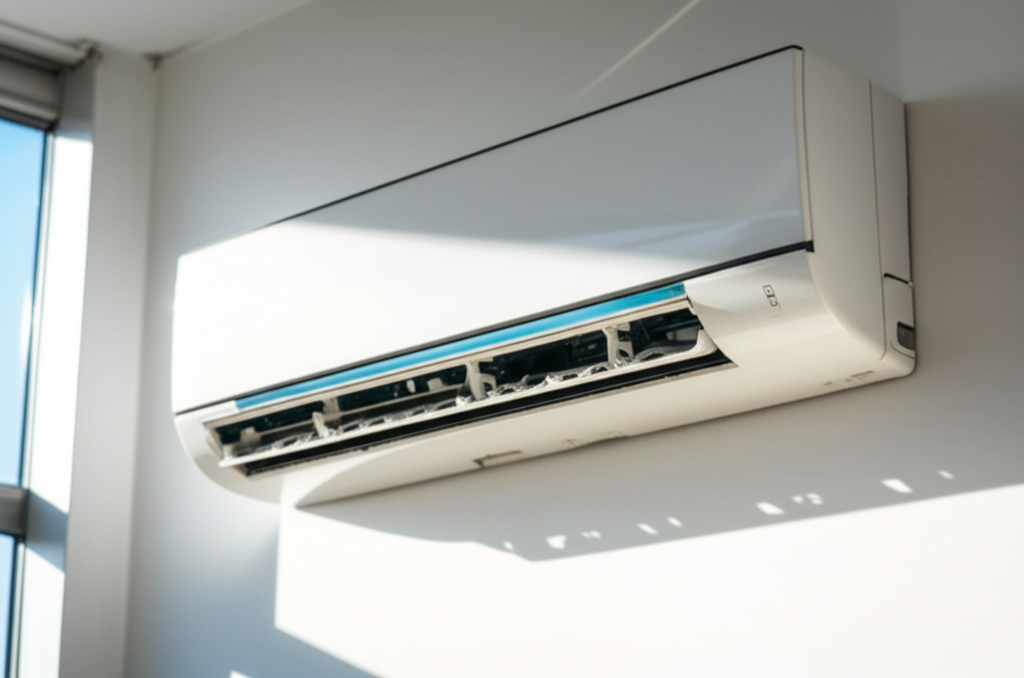
Quick Summary: Most standard mini-split systems only recirculate and cool the air already inside your home. They do not automatically bring in fresh outside air like a dedicated ventilation system does.
Does My Mini Split Bring in Fresh Air? The Surprising Truth Revealed
Are you wondering how fresh the air feels when your new mini-split is running? It is easy to get confused about what these modern AC units actually do. Many people think an air conditioner automatically swaps old indoor air for crisp, new outdoor air. That is just not always the case, especially with common mini-splits.
Don’t worry about complicated HVAC jargon. I’m Jack from ACReviewHub.com, and I’m here to clear up this big mystery for you. We will look closely at how mini-splits work. By the end of this guide, you will know exactly how to get the best air quality in your cool home.
What Exactly is a Mini-Split System?
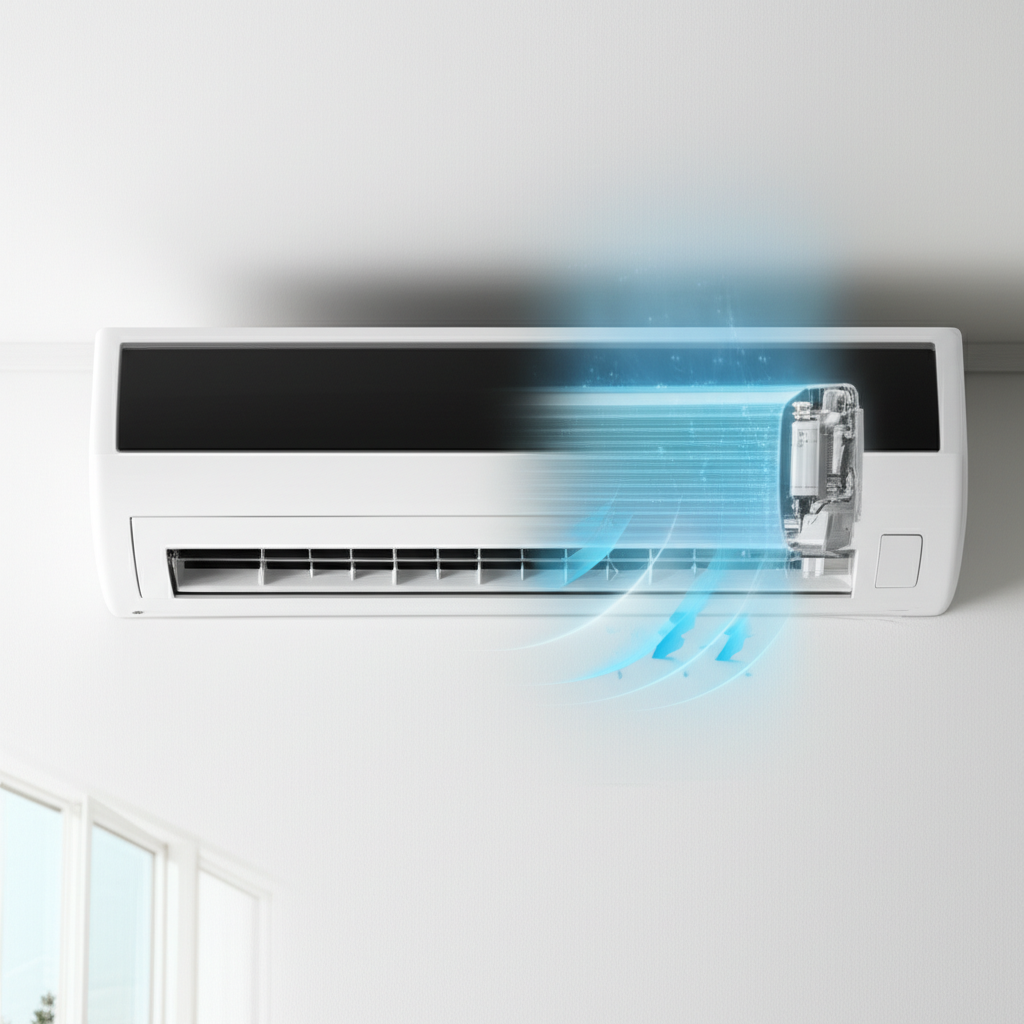
A mini-split is a super popular type of air conditioner. It has two main parts. One part is inside your room. The other part sits outside your house. These two parts connect with a small pipe. This setup is great because it does not need big metal ducts like older central ACs.
The indoor unit blows cool air into your room. The outdoor unit pumps the hot air out. This is called a cooling cycle. It is very efficient for single rooms or additions.
Recycling Air vs. Bringing in Fresh Air: The Big Difference
Think of your mini-split like a refrigerator for your room. A fridge keeps food cold by moving heat out of its box. It does not open a window to get fresh air inside.
Standard mini-splits work the same way. They take the warm air from your room. They cool it down over the indoor coil. Then, they blow that same cooled air right back out. This process just cleans and cools the air that is already there. It is recycling the air, not replacing it.
Why Mini-Splits Don’t Typically Bring in Outside Air
Bringing in outside air adds extra work for your AC. If it is very hot or humid outside, your mini-split has to work much harder to cool that new air down. This wastes energy.
Because of this energy use, manufacturers design most standard mini-splits to seal the room. They keep the inside air in and the outside air out. This keeps your cooling bills low and your comfort high.
When Can a Mini-Split Bring in Fresh Air?
Now for the part that shocks most people. Some very advanced mini-split systems can bring in fresh air, but usually not on their own. You need a special add-on system.
These systems are often called Energy Recovery Ventilators (ERVs) or Heat Recovery Ventilators (HRVs). They work alongside your mini-split. They are designed to move fresh air in without losing too much cooling or heating.
Understanding Ventilation Add-Ons (ERVs/HRVs)
These special units handle the fresh air swap. They pull a little bit of old air out and bring a little bit of fresh air in. They are smart, too. They try to take the cool temperature from the outgoing air and give it to the incoming fresh air.
This keeps your house healthy by reducing stuffiness. It also helps manage humidity better than just opening a window.
| AC Type | Primary Function | Brings in Fresh Air? |
|---|---|---|
| Standard Ductless Mini-Split | Cooling/Heating Existing Air | No (Sealed System) |
| Mini-Split with HRV/ERV | Cooling/Heating + Air Exchange | Yes (Requires separate unit) |
| Central AC System | Cooling/Heating Existing Air | No (Unless damper added) |
How to Improve Air Quality Without Fresh Air Intake
If your mini-split is standard, you still have great ways to keep your air fresh. You don’t need new equipment right away.
Here are simple steps you can take today:
- Run the Fan Setting: Set your mini-split to run just the fan sometimes. This circulates the indoor air over the filter often.
- Clean or Change Filters Regularly: This is the most important step. Dirty filters trap dust and odors. Clean them monthly!
- Open Windows Briefly: A quick five-minute cross-breeze a couple of times a day replaces stale air fast. Do this when it is not too hot or cold outside.
- Use Portable Air Purifiers: Place a HEPA air purifier in your main living area. These units actively clean the air, removing particles and odors.
When Should I Consider Adding Fresh Air Ventilation?
You should think about adding an ERV or HRV if you notice certain problems. These problems mean your indoor air is getting stale or too stuffy.
Ask yourself these questions:
- Do you smell cooking odors lingering for hours?
- Does the house feel heavy or stuffy, even when the AC is running?
- Are you sensitive to indoor allergens or VOCs (fumes from paint or furniture)?
- Is your home extremely airtight (new construction)?
If you answered yes to these, fresh air ventilation is a smart upgrade. It makes a huge difference in how healthy your home feels. For more on balanced ventilation, check out these guidelines from Energy.gov.
Simple Maintenance Checks for Cleaner Air
Even without fresh air intake, your mini-split is busy filtering your air. Keep it doing its best job with simple checks.
| Task | Frequency | Why It Matters |
|---|---|---|
| Clean or Replace Filters | Every 2–4 Weeks | Stops dirt buildup and improves airflow. |
| Check Indoor Unit Coil | Twice Per Season | Ensures efficient cooling and prevents mold growth. |
| Clear Outdoor Unit Area | Monthly | Lets the system properly reject heat outside. |
Frequently Asked Questions (FAQ) for New AC Owners
Here are quick answers to things I hear all the time:
Q: Why does my mini-split sometimes smell musty?
A: That usually means moisture is trapped on the indoor coil. Make sure you clean the filter often. If the smell stays, it might need a professional coil cleaning.
Q: Can I just crack a window instead of buying an HRV?
A: Yes, you absolutely can! Cracking a window is the cheapest way to get fresh air. Just remember, when it’s very hot or cold, this makes your AC work much harder.
Q: Does running the fan constantly use a lot of electricity?
A: Not much at all! Running just the fan uses very little power compared to running the compressor for cooling. It’s a great way to keep air moving.
Q: Are mini-splits better for air quality than central AC?
A: They can be, mainly because they don’t use dusty old ducts. But both systems rely on you keeping the filters clean.
Q: How often should I call a technician for maintenance?
A: Once a year is a good rule of thumb. They check the refrigerant and deep-clean parts you cannot reach.
Final Thoughts on Keeping Your Home Air Fresh
It’s clear now: standard mini-splits are fantastic at cooling and heating the air inside your home, but they are sealed systems by design. They recycle, not replace, the air.
If you want true fresh air exchange, you need to add a specialized ventilator like an ERV. For most homes, simple habits like regular filter cleaning and occasional window opening will keep your air feeling clean and comfortable.
Stay consistent with your simple filter cleaning routines, and your mini-split will keep saving you money and keeping you cool for years to come. You’ve got this!
