
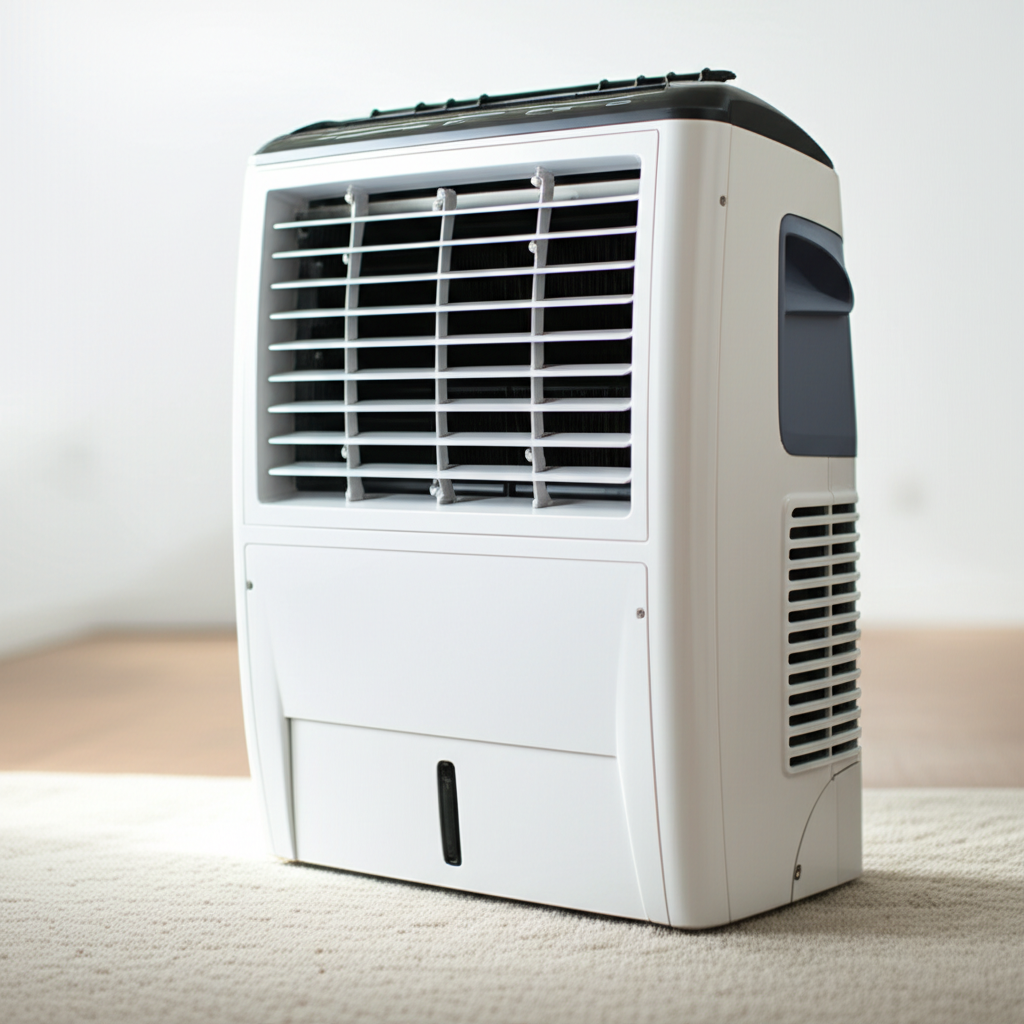
Checking your air cooler’s water pump is simple! If your cooler stops blowing cold air, the pump is likely clogged or failing. A quick inspection and a bit of cleaning can usually get the cool air flowing again without needing a repairman.
Hey there! I’m Jack from ACReviewHub.com. Are you staring at your air cooler, wondering why it’s just blowing warm air instead of that lovely cool breeze? It’s frustrating when your cooling stops working, especially when the sun is beating down. These simple machines can sometimes get a little grumpy.
Don’t sweat it! We are going to break down exactly how to check that little water pump inside your cooler. It is much easier than you think. By the end of this guide, you will know exactly how to spot a pump problem and what to do next. Let’s get your cool air back!
Why Your Air Cooler Needs a Working Water Pump
Your air cooler, sometimes called an evaporative cooler, works differently than a regular air conditioner. It uses water to cool the air down. This is the magic behind it.
The water pump is the heart of this process. It moves water from the bottom tank up to the cooling pads. If the pump stops, the pads dry out. Dry pads mean no evaporation, and no evaporation means no cool air.
If your cooler is running but not cooling, the pump is usually the first place to look. It is a very common culprit for beginners.
Simple Steps: How To Check Your Air Cooler Water Pump
Before you call for help, let’s do a quick check. You do not need special tools for this. Just look, listen, and feel. Safety first: always unplug the unit before sticking your hands inside the water tank.
Step 1: Unplug and Locate the Pump
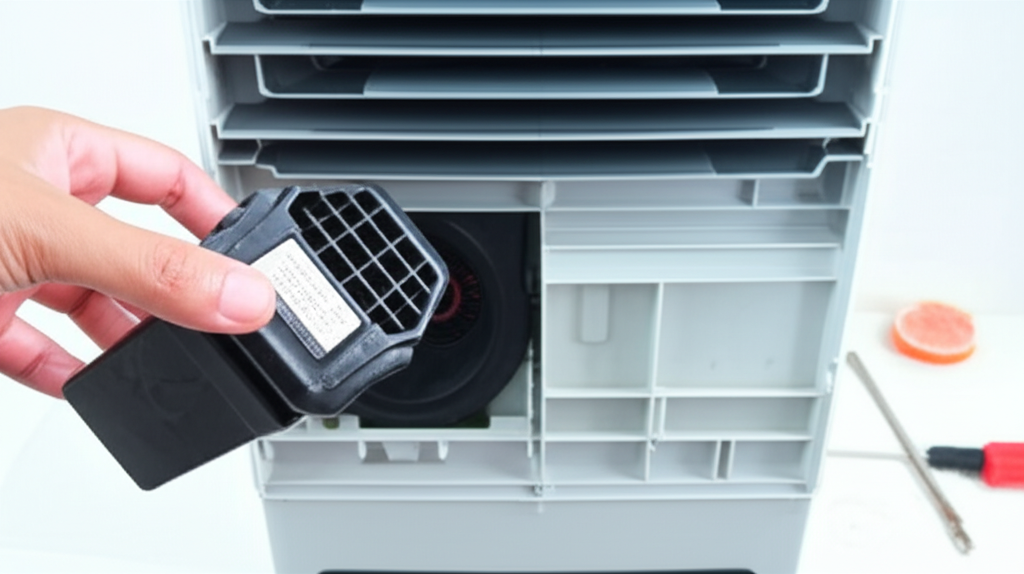
Safety is number one. Turn off the cooler and pull the plug from the wall socket. You need to access the water pan at the bottom of the unit.
Most portable coolers have a small access panel or you can simply tilt the unit carefully onto its side (make sure the tank is mostly empty first). The pump is usually a small box connected to a hose.
Step 2: Listen for the Hum
Plug the unit back in briefly, but only turn the “Water Pump” or “Cooling” setting on. Do not turn the fan on high.
Get close to the bottom of the cooler. Can you hear a low humming sound? A faint buzzing means the pump is getting electricity and trying to work. Silence usually means no power or a totally seized motor.
Step 3: Check the Water Flow
If you hear the hum, turn the unit off and unplug it again. Now, turn the pump setting back on while watching the top cooling pads.
Are you seeing water dripping or trickling down the pads? If the pads are dry, water is not moving up. This points straight to a pump or hose blockage.
Step 4: Inspect for Clogs and Debris
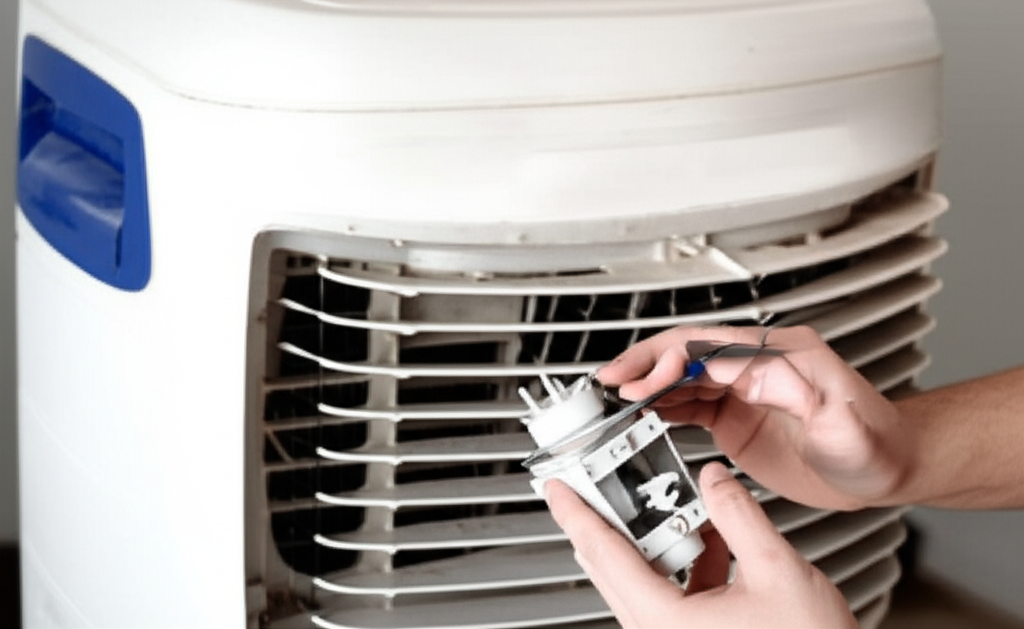
If you suspect a blockage, you need to remove the pump. Many small pumps just lift right out of the water basin. They often twist or unclip.
Look closely at the intake screen on the pump. This screen catches dirt and mineral buildup. Use an old toothbrush or a small scrub brush to gently clean off any slime, dust, or mineral scale.
Check the small outlet tube connected to the pump. Blow through it or use a thin wire (like a pipe cleaner) to make sure it is not clogged up. Clean pipes mean easy water flow.
Step 5: Test the Pump Again
Put the clean pump back into the water tank. Fill the tank with fresh water. Plug it in and turn on the pump setting one last time.
If water is now flowing evenly over the pads, great job! You fixed it with a simple cleaning. If it still isn’t working, the pump might be completely broken and needs replacing.
Troubleshooting: What If Cleaning Doesn’t Work?
Sometimes, even after a good cleaning, the pump just won’t cooperate. Here are the next steps to figure out if it’s a quick fix or if you need a new part.
| Symptom | Most Likely Cause | What To Do Next |
|---|---|---|
| Pump is silent, no hum | No electricity or complete motor failure | Check the wall socket; if okay, the pump needs replacement. |
| Pump hums loudly, no water moves | Impeller stuck or severe mineral buildup | Disassemble the pump casing to free the spinning part (impeller). |
| Water drips very slowly at the top | Clogged hose or pump running dry | Ensure the water level is high enough to submerge the pump completely. |
If the pump sounds loud but moves no water, the internal propeller (called the impeller) might be jammed with scale. You can often carefully open the pump casing to clear this out. Be gentle, those plastic parts are fragile.
When to Replace the Water Pump
If you have cleaned it thoroughly, ensured the water level is correct, and the pump is still dead or buzzing weakly, it is time for a replacement. Pumps are usually inexpensive parts.
When buying a new pump, you must match the specifications exactly. Look for the voltage (usually 120V for US models) and the flow rate if listed. Check your cooler’s user manual for the correct part number.
Replacing the pump is often just unplugging the old one and clipping the new one in place. It’s a great beginner DIY repair that saves you a service call fee!
Tips for Preventing Future Pump Problems
The best way to keep your pump happy is to treat the water right. Mineral buildup from hard water is the biggest killer of small pumps.
- Use distilled or filtered water if your tap water is very hard.
- Drain the tank completely every few days if you are not using the cooler often. Stagnant water breeds slime and scale.
- Clean the pads and the tank monthly during heavy use seasons.
For more general information on keeping your cooling systems efficient, check out the great resources at the U.S. Department of Energy.
Frequently Asked Questions About Air Cooler Pumps
Got a few more quick questions rattling around? I’ve heard these a million times. Here are the fast answers:
- How often should I clean the water pump? If you use your cooler daily, check it monthly. If you only use it on weekends, check it every two months.
- Can I use bleach to clean the pump? A tiny bit of vinegar or mild soap is safer for the plastic. Too much bleach can damage pump seals.
- What if my pump is running but the air is still hot? The pump might be working, but the water isn’t reaching the pads evenly, or the pads themselves are too old and need replacing.
- Do I need to winterize my pump? Yes! Before storing the cooler for the season, drain all water, clean the pump, and run it dry for a few minutes to remove residual moisture.
- Is it expensive to replace a pump? Usually not! Most replacement pumps cost between $15 and $40, making it a very affordable fix.
See? Checking and fixing that water pump is totally within your DIY skills. Taking these small, consistent steps is the secret to saving money and keeping your home cool without stress. You are now officially ready to tackle that water pump issue like a pro.
Keep checking that water level, stay consistent with your cleanings, and enjoy that cool air all season long. Happy cooling!
