
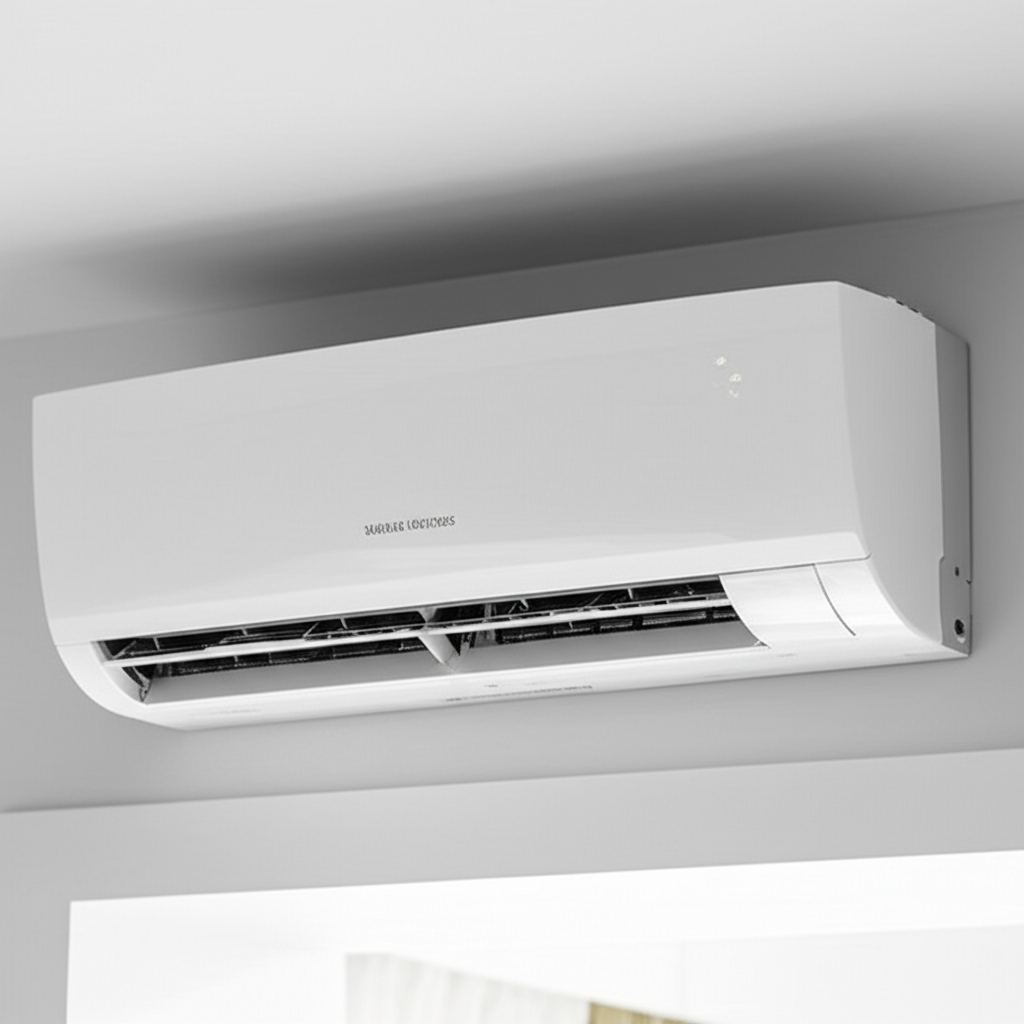
Installing a mini-split AC is very doable! While professional installation is often recommended for warranty reasons, a DIY setup mainly involves mounting the indoor and outdoor units, drilling a small hole for the lines, and securely connecting the electrical and refrigerant lines.
Hey there! I’m Jack from ACReviewHub.com, and I get it—AC shopping and setup can feel like rocket science. Maybe your old window unit just died, or you’re tired of high energy bills. It’s frustrating when you just want a cool, comfortable home without the headache. Don’t sweat it! Mini-splits are game-changers, and I’m here to break down the installation process into simple steps. By the end of this guide, you’ll know exactly what’s involved in getting your new ductless system up and running.
Why Choose a Mini-Split AC? Easy Cooling for Any Space
Mini-splits are awesome because they don’t need ductwork. This makes them super flexible for additions, garages, or older homes. They are also much more energy-efficient than window units. Think of them as super-smart, quiet cooling heroes.

They have two main parts: the indoor air handler (the part on your wall) and the outdoor condenser unit (the noisy part outside). These two talk to each other using a small conduit, which holds the power cable and the refrigerant lines.
Before You Buy: Sizing Your New Mini-Split Right
The biggest mistake folks make is buying an AC that’s too big or too small. An undersized unit runs constantly and never cools well. An oversized unit cycles on and off too fast, which wastes energy and leaves your house feeling clammy.
We need to talk BTUs—that’s British Thermal Units, basically how much cooling power the unit has. Here is a simple starting chart to help you estimate what you need for a single room:
| Room Size (Square Feet) | Approximate BTU Needed |
|---|---|
| 150 to 250 sq. ft. | 6,000 to 8,000 BTUs |
| 250 to 400 sq. ft. | 9,000 to 12,000 BTUs |
| 400 to 550 sq. ft. | 14,000 BTUs |
| 550 to 1,000 sq. ft. | 18,000 to 24,000 BTUs |
For more precise calculations, especially for multi-zone systems, always check the manufacturer’s guidelines or consult a certified HVAC professional. You can learn more about energy efficiency standards at Energy.gov.
Gather Your Tools: What You Need for Installation Day
While some professional installers have specialized vacuum pumps, if you buy a “DIY” or pre-charged kit, the tool list is shorter. However, if you are using a standard system, you will need proper refrigerant line connection tools.
Here is a list of what you’ll generally need:
- Drill and long drill bits (for the wall penetration)
- Level (to make sure things are straight)
- Screwdrivers and wrenches
- Pipe cutter and flaring tool (essential for connecting copper lines)
- Stud finder (to avoid hitting studs when mounting)
- Safety glasses and gloves
- Electrical wiring tools (if connecting power yourself)
Step 1: Mounting the Indoor Unit (The Air Handler)
This is the piece you’ll see every day, so placement matters for looks and performance!
Find a good spot. It should be high on an exterior wall, away from direct sunlight if possible. Make sure there is plenty of space above and to the sides for airflow.
Use the mounting plate provided by the manufacturer. Hold it up, use your level to make sure it’s perfectly straight, and mark where you will drill the mounting screws. Drill pilot holes and secure the plate firmly to the wall studs.
Step 2: Preparing the Exterior Wall Penetration
The indoor and outdoor units need to talk through a small hole in your wall. This hole is usually about 2 to 3 inches wide.
Mark the spot for the hole on the exterior wall, lining it up with the bottom rear of the indoor mounting plate. This lets the line set hang down naturally.
Drill straight through the wall. Remember, you are drilling from the inside out. It’s best to angle the drill slightly downward toward the outside to help prevent water from running into your house later.
Step 3: Mounting the Outdoor Unit (The Condenser)
The outdoor unit needs a solid, level base. It should sit on a dedicated pad or sturdy mounting brackets, usually placed on the ground or attached securely to the side of the house.
Ensure the location allows good airflow around the condenser. Do not place it where snow piles up or where leaves constantly blow into it. Keep it a safe distance from windows and doors so the noise isn’t bothersome.
Step 4: Connecting the Line Set (The Lifeline)
This is where the magic happens! The line set contains the copper tubing for the refrigerant and the electrical wiring harness.
Feed the line set through the hole you drilled, connecting the end to the indoor unit first. Secure the lines to the unit according to the manual.
Next, run the lines to the outdoor unit. You will likely need to use a flaring tool to create a perfect seal on the copper ends so the refrigerant doesn’t leak out. Tip: A bad flare is the #1 cause of installation failure.
Connect the lines securely to the corresponding ports on the outdoor unit. Then, run the electrical wiring from the indoor unit’s control board to the outdoor unit, following the provided diagram precisely.
Step 5: Electrical Wiring and Power Up
Safety First! If you are not 100% comfortable working with high-voltage wiring, hire an electrician for this step. Improper wiring can damage your unit or be a fire hazard.
If your unit is pre-wired with a plug, you just need to plug it into a dedicated, properly sized outdoor outlet. If you are hardwiring (connecting directly to your breaker box), you must follow all local electrical codes.
Step 6: Evacuation and Charging (The Professional Touch)
This step is critical and usually requires specialized tools. Before you turn the system on, you must remove all air and moisture from the copper lines. This process is called “evacuation” or “pulling a vacuum.”
Moisture contaminates the refrigerant and destroys the compressor over time. You need a vacuum pump and a manifold gauge set to pull a deep vacuum (usually below 500 microns) and hold it for a set time.
Once the vacuum holds, you can open the service valves on the outdoor unit to release the factory-charged refrigerant into the lines. If you bought a “quick connect” or DIY kit, this step is often simplified or skipped, but always check your specific model!
Troubleshooting Minor Installation Hiccups
Even when you follow the steps perfectly, little things can go wrong. Don’t panic; these are common fixes!
| Symptom | Most Likely Cause |
|---|---|
| Unit won’t turn on | Breaker tripped or disconnect switch is off. |
| Loud humming from outdoor unit | Unit is not level or mounting bolts are loose. |
| Indoor unit is dripping water | Condensate drain line is clogged or not sloped correctly. |
| Not cooling well after 1 hour | Refrigerant lines are not fully connected (leak) or vacuum was incomplete. |
Keeping Your Mini-Split Healthy: Simple Maintenance
Once installed, maintenance is easy and keeps that warranty valid!
- Clean the Filters Monthly: Pop open the indoor unit and gently clean the washable air filters. This is the single most important thing you can do.
- Check the Outdoor Unit: Ensure the coils are free of leaves, grass clippings, and dirt. Gently rinse with a garden hose (never a high-pressure washer).
- Inspect the Lines Annually: Look for any signs of corrosion or loose connections where the line set enters the wall.
Final Thoughts: You Can Do This!
Installing a mini-split is a significant project, but by taking it one careful step at a time, you can achieve brilliant success. Remember that while mounting and basic wiring are often DIY-friendly, the refrigerant handling requires precision. If you’re unsure about the vacuum or flaring, spending a little money to have a certified tech finish those final two steps is always worth protecting your investment. Stay cool and enjoy your new, efficient AC!
