
Quick Summary: Central AC cools your whole house evenly but costs more upfront. Mini-splits are cheaper to install, zone-cool specific rooms, and are great for additions or homes without ducts. Both are great, but the “best” one fits your specific cooling needs and budget.
Are you staring at confusing AC quotes? Maybe your old system just died, or you’re adding a new room that needs cooling. It’s easy to feel overwhelmed by terms like “SEER rating” and “ductless.” Don’t sweat it! I’m Jack from ACReviewHub.com, and I’ve helped hundreds of folks just like you sort out this exact mess.
We are going to break down the two biggest players in home cooling: Central Air Conditioning and Mini-Split systems. By the time you finish reading, you will know exactly which system makes the most sense for your comfort and your wallet. Let’s demystify AC shopping!
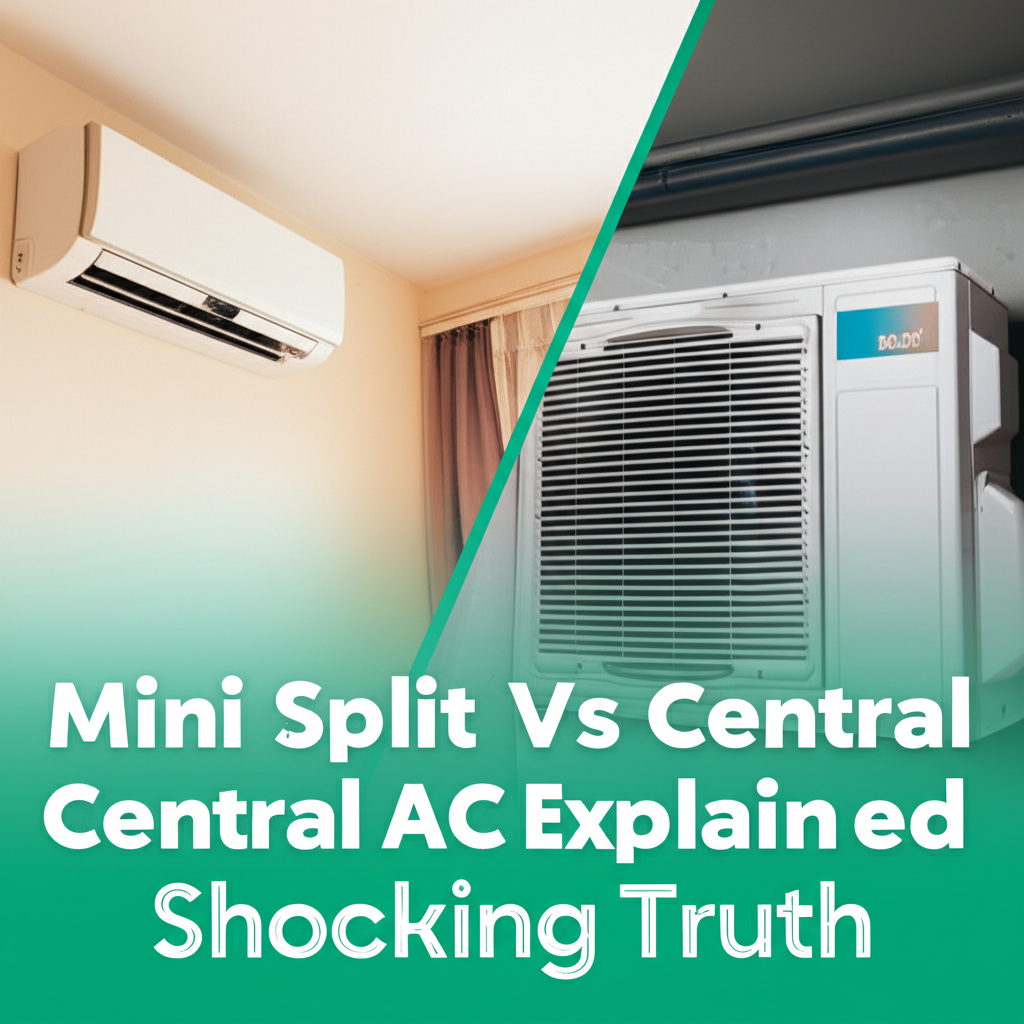
Mini Split Vs Central AC Explained: Shocking Truth
What Exactly Is Central Air Conditioning? (The Whole House Helper)
Think of Central AC as the silent hero of your home. It uses one big unit outside and a network of ducts (those metal tunnels in your walls and ceiling) to blow cool air into every room evenly.
It keeps your entire house at one comfortable temperature. This is the standard system most modern American homes use. It’s powerful, reliable, and keeps everything out of sight.
What is a Ductless Mini Split System? (The Zoned Specialist)
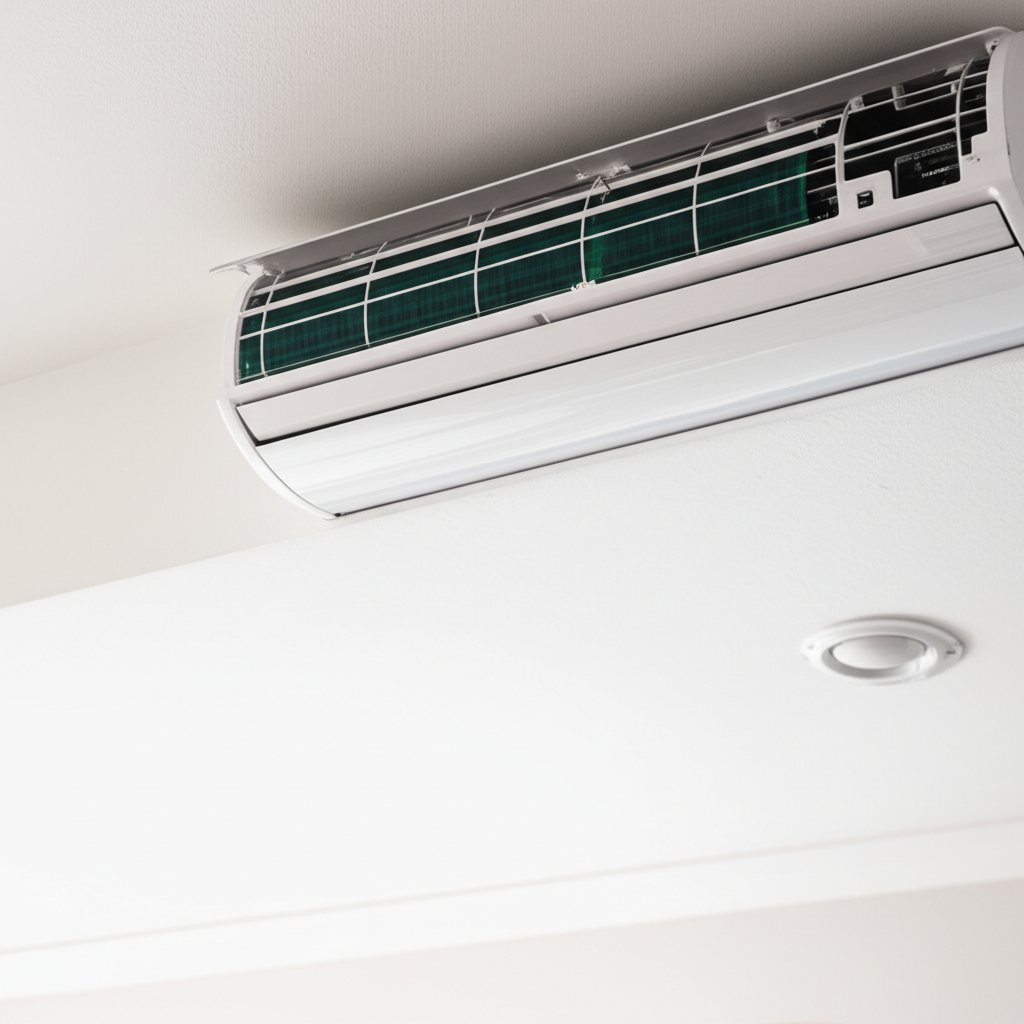
A mini-split is very different. It has one outdoor unit, just like central AC. But instead of ducts, it connects directly to one or more indoor “heads” mounted high on the wall of the room you want to cool.
These systems are famous because they allow for “zoning.” That means you can set the living room to 70°F and your bedroom to 66°F—no more fighting over the thermostat!
The Big Comparison: Central AC vs. Mini Splits Side-by-Side
To make this easy, let’s look at the key differences. This is where you start seeing which system is truly the right fit for your life.
| Feature | Central Air Conditioning | Ductless Mini Split |
|---|---|---|
| Installation Difficulty | High (Requires extensive ductwork) | Lower (Only needs a small hole for refrigerant lines) |
| Cooling Style | Whole-house, uniform cooling | Zoned cooling (individual room control) |
| Aesthetics | Mostly hidden (vents are visible) | Indoor unit (head) is visible on the wall |
| Energy Efficiency (Generally) | Good, but can lose efficiency through leaky ducts | Excellent, as there are no ducts to lose energy through |
The Shocking Truth About Installation Costs (Where Budgets Diverge)
The biggest difference people notice right away is the upfront cost. Central AC is usually much more expensive to install, especially if your house doesn’t already have ducts.
Running new ductwork through existing walls and ceilings is labor-intensive. That labor drives the price way up. Mini-splits, on the other hand, only require that small hole between the inside and outside unit.
When to choose Central AC for cost: If you are building a brand-new home or replacing an existing central system, the cost spread might narrow down because the infrastructure is already there.
When to choose Mini Split for cost: If you are cooling a garage conversion, a sunroom, or an older home that never had central air, mini-splits save you thousands by skipping the duct installation.
Energy Savings: Which System Keeps Your Power Bill Lower?
This is where mini-splits often win, and it’s not always the “shocking truth” people expect.
Central AC cools everything constantly. If you only use three rooms during the day, the central system still tries to cool the unused bedrooms. That wastes energy.
Mini-splits let you turn off the cooling in empty zones. You only pay to cool the space you are actually occupying. This targeted approach saves significant energy over the summer months.
For more on understanding efficiency ratings, check out the official guidance from Energy.gov on how to read SEER ratings.
Choosing the Right Size: BTUs Matter More Than You Think
Whether you choose central or mini-split, picking the wrong size unit will cost you money and comfort. An undersized unit runs constantly and never cools well. An oversized unit cycles on and off too fast, leading to high humidity and poor performance.
We measure cooling power in BTUs (British Thermal Units). Here is a very simple guide to help you estimate what you need. Always have a professional verify this for your specific climate!
| Room Size (Sq Ft) | Required BTUs (Approx.) |
|---|---|
| 150 to 250 | 5,000 – 7,000 |
| 250 to 400 | 8,000 – 10,000 |
| 400 to 550 | 12,000 – 14,000 |
Maintenance: Keeping Your New AC Running Smoothly
No matter which system you pick, a little bit of care goes a long way. Neglecting maintenance is the fastest way to invite repair bills. Here are the basic steps for both systems.
Central AC Maintenance Checklist
- Check and replace the air filter monthly (this is crucial!).
- Keep the outdoor condenser unit clear of debris, leaves, and tall grass.
- Schedule an annual professional tune-up before the cooling season starts.
Mini Split Maintenance Checklist
- Clean the reusable filters inside the indoor head unit every 2–4 weeks (usually just needs a rinse).
- Keep the area around the indoor head clear of furniture so air can flow freely.
- Have a technician clean the coils inside the head unit every few years.
Troubleshooting: Simple Fixes Before Calling a Pro
Sometimes the problem isn’t a breakdown; it’s just a simple oversight. Before you panic, check these common issues.
| Symptom | Possible Cause (Central AC or Mini Split) |
|---|---|
| Not cooling at all | Thermostat batteries dead or power switch is off. |
| Air is weak/airflow is poor | Filter is clogged (Central) or indoor unit filter is dirty (Mini Split). |
| Unit is freezing up (ice on lines) | Airflow is restricted (see above) or the system needs refrigerant (Call a Pro). |
| Unit turns on and off too quickly | The unit is improperly sized (too big for the space). |
Picking the Right System: Your Action Plan
Here are the final decision points to help you choose based on your home setup.
- Go Central If: You have existing ducts, you want uniform cooling everywhere, and you prefer the AC equipment to be completely hidden.
- Go Mini Split If: You only need to cool one specific area (like an attic office), you need extreme energy efficiency, or you have an older home where installing ducts is impossible or too expensive.
- Consider Dual Fuel: Some modern mini-splits can also provide heat, making them an excellent year-round solution in moderate climates.
Frequently Asked Questions for New AC Owners
Q1: Are mini-splits noisy?
A: Nope! The noisy compressor is outside. The indoor head unit makes a gentle fan sound, usually quieter than a central vent blowing hard.
Q2: How long do these systems last?
A: With good maintenance, both systems usually last 12 to 15 years. Mini-splits sometimes edge slightly higher if maintained perfectly.
Q3: Can I use a mini-split to cool my whole two-story house?
A: Yes, you can use a “multi-zone” mini-split system. You’ll need one outdoor unit connected to several indoor heads, one for each main area.
Q4: Do mini-splits work in very cold weather?
A: Many modern units are “heat pump” models designed for cold climates and can provide efficient heating down to freezing or even below, depending on the model rating.
Q5: Do I need a permit to install a mini-split?
A: Usually, yes, especially for the electrical and refrigerant lines. Always check with your local building department first—it keeps your warranty valid!
Q6: Which one costs more to run monthly?
A: Generally, the mini-split costs less to run because you have precise control over which rooms are actively being cooled.
Final Thoughts on Your Cooling Comfort
Choosing between central AC and a mini-split doesn’t have to be a scary decision. It’s really about matching the right tool to the right job. Remember, simple maintenance—like changing that filter regularly—is the single best thing you can do for any AC system.
Take your time comparing the upfront costs to the long-term energy savings. You’ve got this! Stay cool and comfortable this season.
