
Quick Summary: Single-zone mini splits cool one room perfectly and are simple to install. Multi-zone splits cool multiple rooms from one outdoor unit, saving space but costing more upfront. Choose based on how many areas need independent cooling.
Are you staring at mini-split options and feeling totally lost? You are not alone. Choosing between single-zone and multi-zone systems can feel like decoding complex wiring diagrams. High energy bills and uneven cooling in your home are frustrating problems. I am Jack from ACReviewHub.com, and I promise to break down these options clearly. By the end of this guide, you will know exactly which mini-split setup is your perfect match.
Single Zone Vs Multi Zone Mini Split: The Shocking Truth Revealed
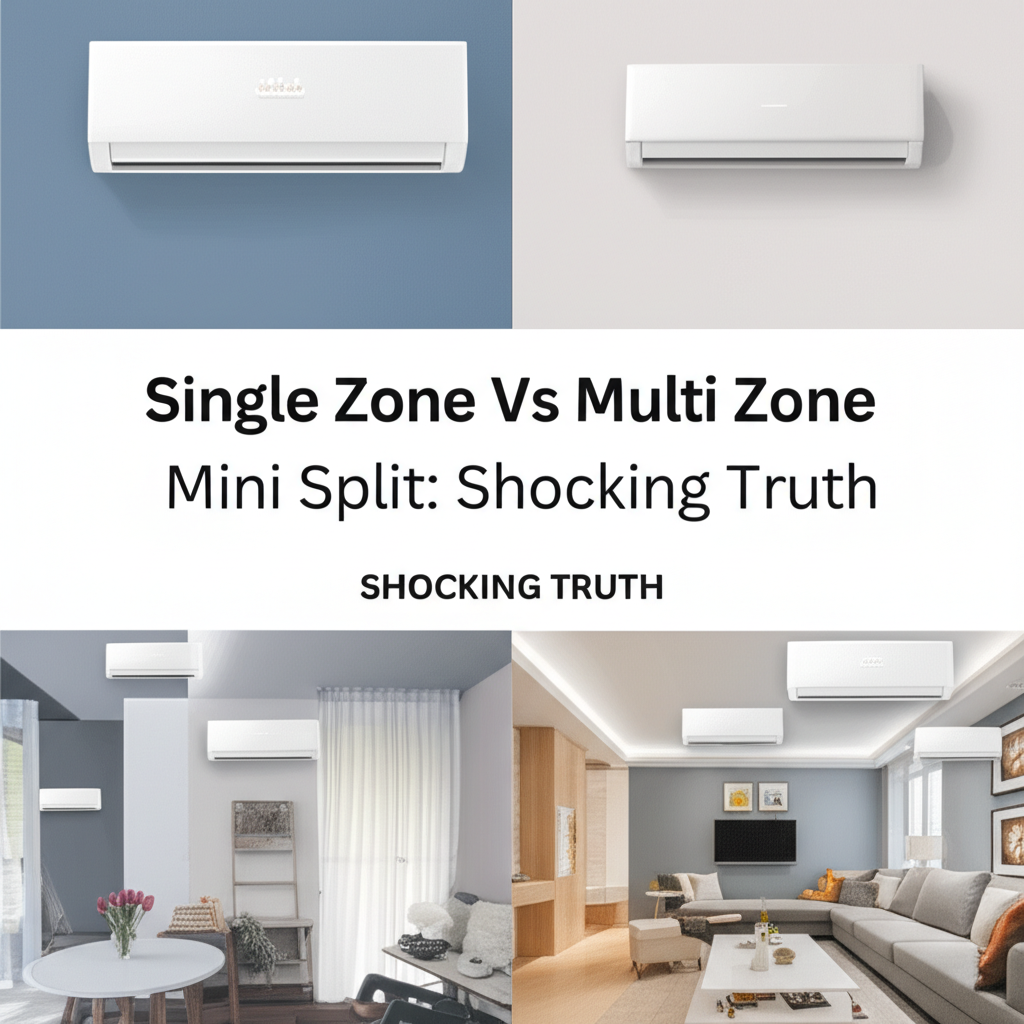
When we talk about mini splits, we are really talking about two main ways to deliver cool, comfortable air. It all comes down to how many indoor units you need connected to that one outdoor machine.
What Exactly is a Mini Split System?
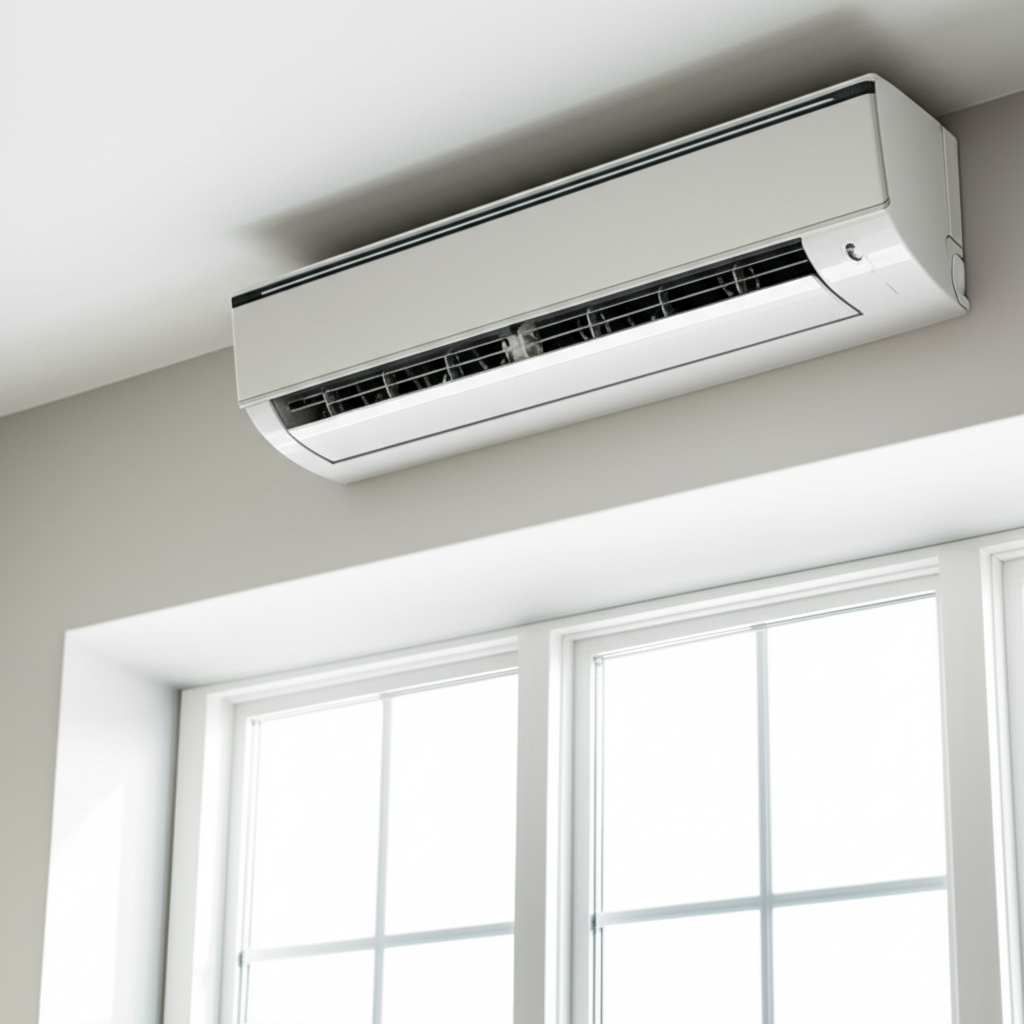
A mini split is just a fancy name for a ductless air conditioner. It has one outdoor unit (the condenser) and one or more indoor units (the air handlers).
They are super efficient because they skip all the dusty, leaky ducts that traditional AC systems use. This means less wasted energy and cleaner air for you.
Understanding Single Zone Mini Splits: Your Personal Cool Spot
Think of a single-zone system as a dedicated cooling expert for just one space. It is simple, straightforward, and highly effective for specific areas.
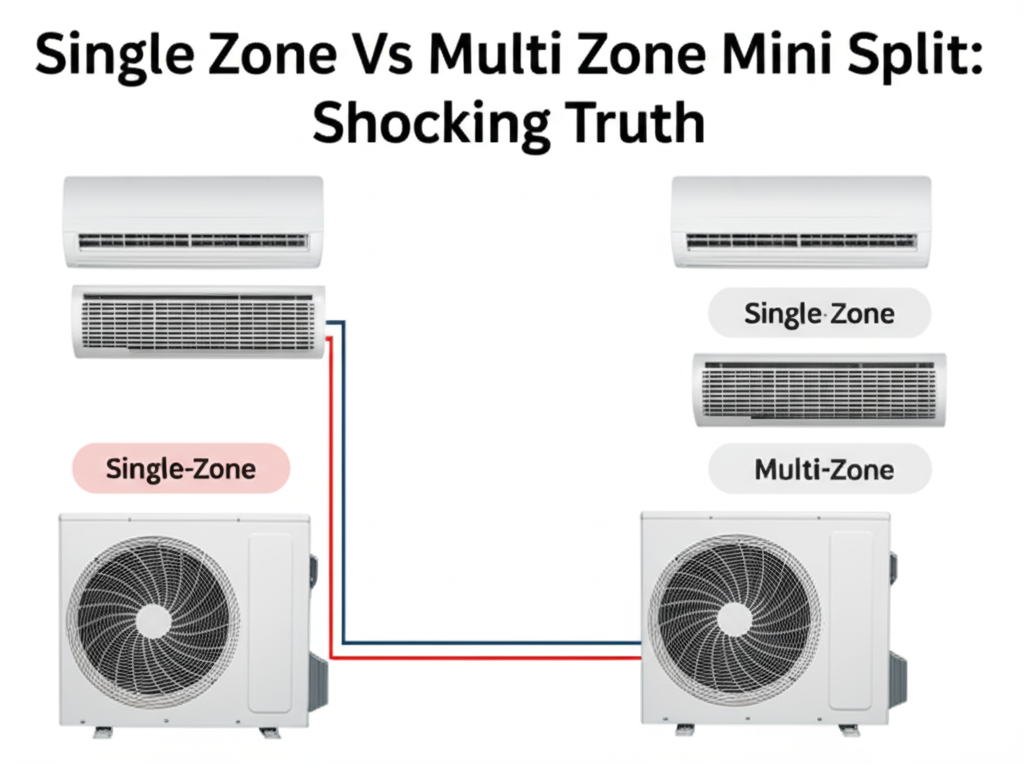
This setup uses one outdoor unit connected to only one indoor air handler. It is perfect for adding AC to a garage, a new sunroom, or cooling just your main living room.
When a Single Zone Mini Split Makes the Most Sense
- You only need to cool one room or addition.
- You want the lowest upfront installation cost.
- You need maximum temperature control for a single space.
- You are replacing a window unit with something quieter and more efficient.
Diving into Multi Zone Mini Splits: Cooling the Whole Crew
A multi-zone system is like a central AC, but without the massive ducts. One powerful outdoor unit connects to several indoor units—maybe two, three, or even five units!
The real magic here is zoning. Each indoor unit can be set to a different temperature. Your bedroom can be chilly at 68°F while the home office stays warmer at 74°F.
The Big Benefit: Independent Climate Control
This independence is what makes multi-zone systems so popular for whole-home solutions. You are not forced to cool the entire house just because one room is hot.
If you are looking for comprehensive efficiency information on cooling systems, the Department of Energy offers great resources on choosing high-efficiency models (Energy.gov).
Comparing Costs: The Initial Sticker Shock
Let’s be honest; cost is usually the deciding factor for most homeowners. The difference between single and multi-zone is most obvious right here.
A single-zone install is usually much cheaper because you only buy one indoor unit and the required lineset.
A multi-zone system requires a larger, more powerful outdoor unit, plus multiple indoor units and more complex refrigerant lines running throughout the house. That complexity adds up in labor and equipment costs.
| Feature | Single Zone | Multi Zone |
|---|---|---|
| Outdoor Unit Size | Smaller/Standard | Larger/More Powerful |
| Number of Indoor Units | One | Two to Eight |
| Upfront Cost | Lower | Significantly Higher |
| Installation Complexity | Simple | Moderate to Complex |
Installation Headaches: What to Expect
Installation complexity directly affects your timeline and potential disruption. Keep this in mind as you plan your upgrade.
Steps for a Simple Single Zone Installation
- Mount the indoor air handler on the wall.
- Drill a small hole (about 3 inches wide) through the exterior wall.
- Connect the lineset (refrigerant lines and wiring) through the hole.
- Mount and connect the outdoor condenser unit.
- Vacuum and charge the refrigerant lines.
Steps for a Multi Zone Installation
- Mount multiple indoor air handlers in different rooms.
- Run refrigerant lines from each indoor unit back to a central connection point.
- Connect all lines to the single, large outdoor unit.
- This often requires more careful planning for aesthetics (hiding the lines).
- Vacuum and charge the entire complex system.
Long-Term Savings: Where Does the Money Go?
While multi-zone costs more upfront, it can save you more money monthly if you have many rooms that need varying temperatures. You avoid running a separate AC unit in every single room.
However, if you only cool one or two spaces regularly, the single-zone unit might be more efficient overall because it is sized perfectly for that smaller load.
Energy Saving Checklist: Both Systems
| Action | Impact |
|---|---|
| Set Thermostat Wisely | Avoid drastic temp changes; use 78°F in summer. |
| Clean Filters Monthly | Ensures maximum airflow and efficiency. |
| Use Sleep Mode | Lowers fan speed overnight for quiet, gentle cooling. |
Making the Right Choice for Your Home
The “shocking truth” is that neither system is inherently “better”—they are just built for different jobs. Think about your lifestyle first.
If you only need to cool the living room and the master bedroom, two separate single-zone units might actually cost less to buy and install than one large multi-zone system.
If you are cooling an entire old house where adding ducts is impossible, the multi-zone is often the cleaner, more effective retrofit option.
Common Beginner Mini Split Questions Answered
Don’t sweat the small stuff. Here are the quick answers to the questions I hear most often.
Q: Can I add an extra indoor unit to a single-zone system later?
A: Usually no. Single-zone outdoor units are not designed to handle the extra refrigerant load of a second indoor head.
Q: Are multi-zone systems louder than single-zone ones?
A: Not really. The main noise comes from the outdoor unit. Since a multi-zone outdoor unit is bigger, it often has a slightly larger fan, but modern units are all very quiet.
Q: Do I need a professional to install these?
A: Absolutely yes! Mini splits involve handling pressurized refrigerant. Improper installation voids warranties and can damage the unit quickly. Always hire a licensed HVAC tech.
Q: What is SEER rating, and why does it matter?
A: SEER (Seasonal Energy Efficiency Ratio) measures cooling efficiency. Higher numbers (like 20+) mean better energy savings, especially in hot climates. Always aim high!
Q: Can I use a mini split for heating too?
A: Most modern mini splits are “heat pumps,” meaning they provide both excellent cooling in summer and efficient heating in winter. It’s a two-in-one solution!
Q: How much space do I need outside for the unit?
A: Give the outdoor unit at least two feet of clear space on all sides for proper airflow. Don’t crowd it against a wall or fence.
Final Thoughts: Keep Your Cooling Simple and Smart
Picking an AC system doesn’t have to be a stressful nightmare. Remember this: Single zone is for focused cooling; multi-zone is for comprehensive, customized whole-home comfort.
By matching the system type to your specific needs, you avoid overspending and guarantee you get the perfect temperature every single day. Stay cool, keep those filters clean, and enjoy your perfectly climate-controlled space!
