
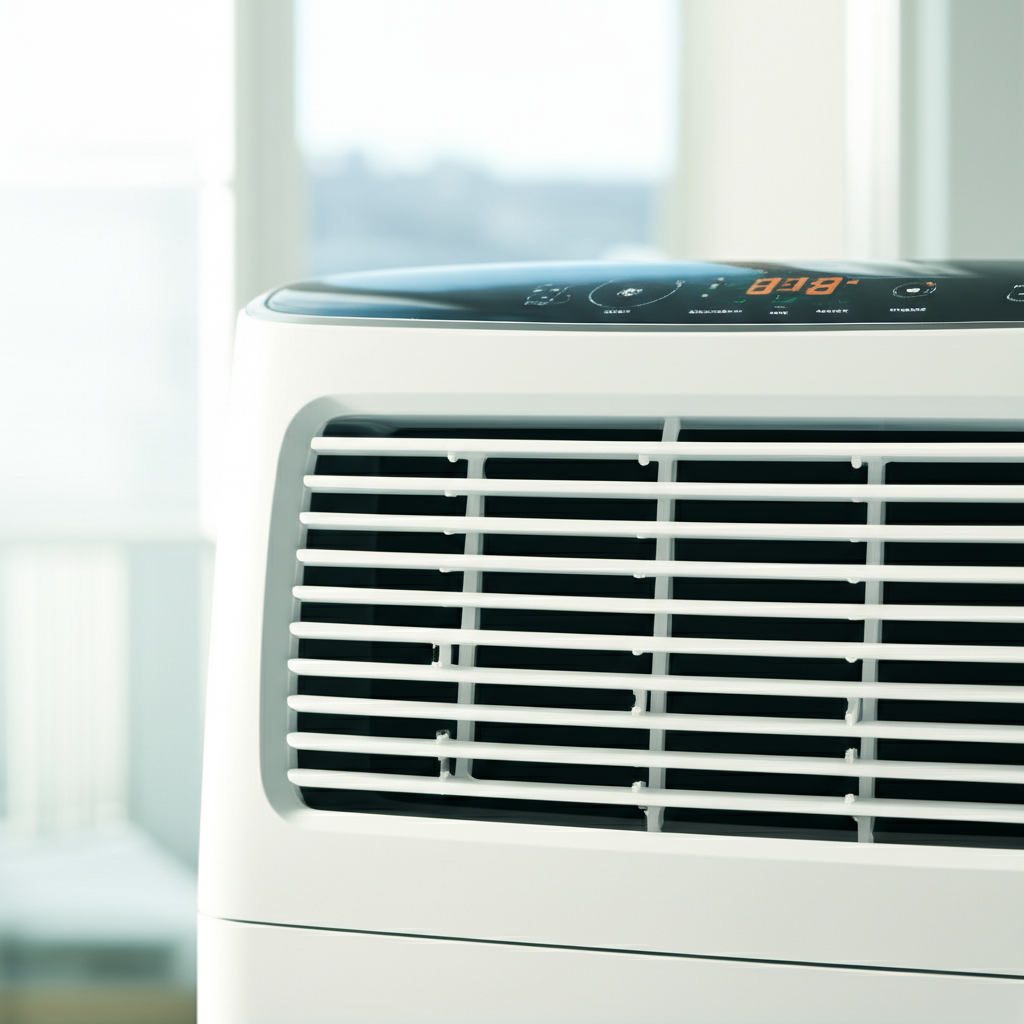
If your air cooler isn’t cooling right, the fix is usually simple! Check the water level, clean the cooling pads, and make sure the fan motor is working. Dirty filters or low water are the most common culprits.
Hello there! I’m Jack from ACReviewHub.com. Are you sitting there feeling the heat while your air conditioner just blows warm air? It is frustrating when you expect cool comfort, but get nothing but a high energy bill.
Many AC problems seem scary, but they often have very easy fixes you can do today. We will skip the confusing tech talk. I will show you exactly what to check first.
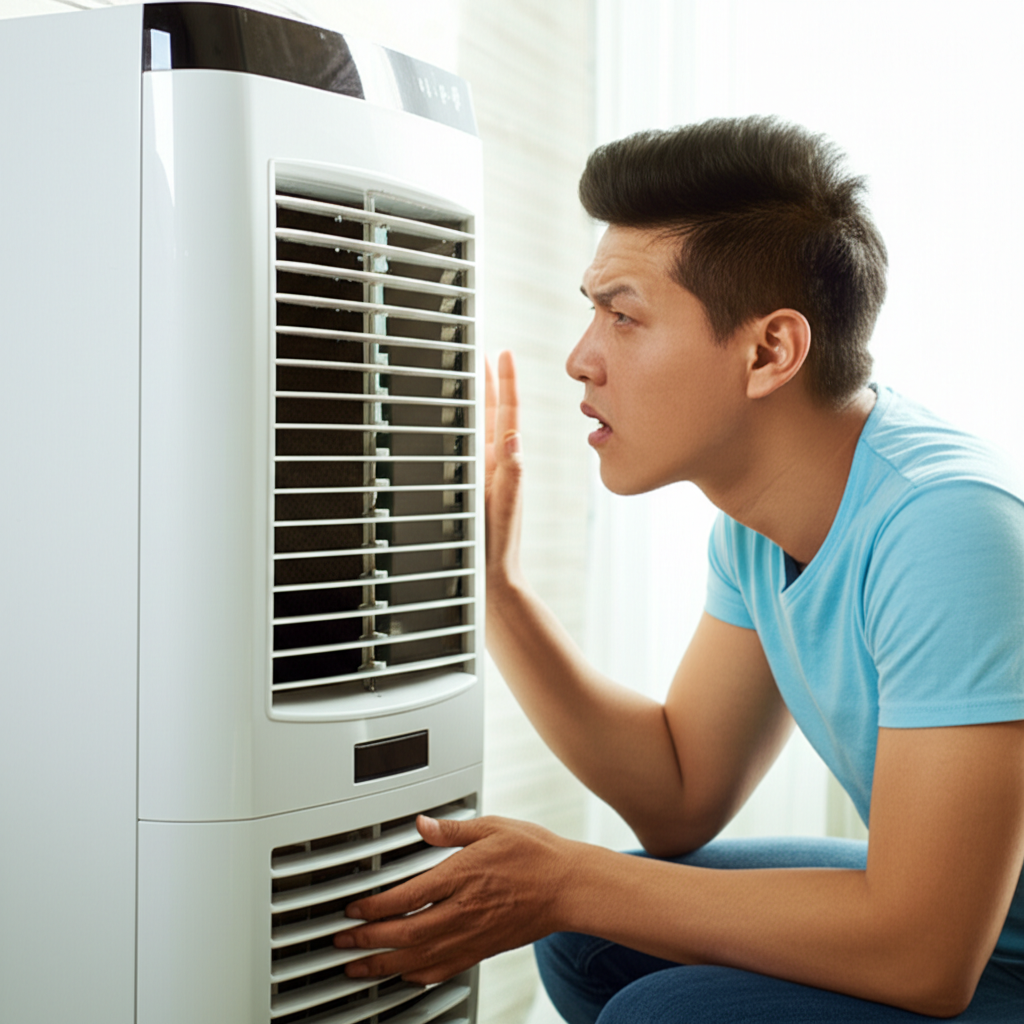
Let’s dive in and get your cool air blowing again, making you comfortable without calling an expensive repair person!
Urgent Fixes: Why Your Air Cooler Is Not Cooling Properly
It feels like a betrayal when your trusty air cooler stops doing its one job—cooling! Don’t panic. Most of the time, the solution is a quick, hands-on check you can do right now.
Air coolers (or evaporative coolers) work differently than real air conditioners. They use water to cool the air, which means water issues are often the problem. Let’s look at the top five reasons for poor cooling.
Top 5 Reasons Your Air Cooler Isn’t Blowing Cold Air
These are the first things I check when a neighbor calls me with this exact problem. They cover about 90% of all cooling issues in evaporative units.
- Low or No Water: The cooler needs water to create the cooling effect. If the tank is empty, it just blows room-temperature air.
- Clogged Cooling Pads: These pads soak up water and help air pass through. Dust and mineral buildup block airflow and cooling efficiency.
- Dirty Air Filters: Just like your AC, dirty filters restrict how much air can move across the cooling elements.
- Fan Motor Issues: If the fan motor is failing or struggling, it won’t push enough air out, even if the air is cool inside.
- Improper Ventilation: Unlike sealed ACs, air coolers need fresh air to work. If all your windows are shut tight, the humid air has nowhere to go.
Fix 1: Check the Water Level and Pump (The Easiest Fix)
This is always Step One. If there is no water, there is no cooling.
How to Check and Refill Your Water Tank:
- Turn Off Power: Always unplug the unit before sticking your hands near water or internal parts for safety.
- Locate the Tank: Find the water reservoir, usually at the bottom of the unit.
- Check the Gauge: Look at the water level indicator. If it’s empty or very low, you need to refill.
- Refill with Cool Water: Pour clean, cool water into the tank until it reaches the “Max” line. Using cold tap water helps cool the air faster initially.
- Check the Pump: Listen closely after plugging it back in. Do you hear a gentle humming or bubbling sound? If not, the water pump might be stuck or broken. Gently shake the unit or tap the pump area to see if it kicks on.
Fix 2: Deep Clean Those Cooling Pads (The Performance Booster)
Over time, minerals from your water (especially hard water) build up on the cooling pads. This scale acts like insulation, preventing proper evaporation.
Simple Pad Cleaning Steps:
- Unplug the unit completely.
- Carefully slide out the side or back panels where the pads are located.
- Remove the pads. If they are stiff, dry, and covered in white crust, they need cleaning.
- Soak the pads in a bucket of warm water mixed with a little vinegar (vinegar helps dissolve mineral deposits).
- Scrub gently with a soft brush to remove sludge and debris.
- Rinse thoroughly with clean water until no vinegar smell remains.
- Let them dry slightly before putting them back in. Never run the cooler with soaking wet, heavy pads.
Tip: For the best performance, replace the cooling pads completely once a year, usually before the hottest season starts.
Fix 3: Clear Out Dust and Debris from Filters and Vents
Airflow is everything in cooling. Blocked paths mean less cold air reaches you.
Check the intake vents—these are usually covered by a grille or screen. Dust bunnies love to hide here.
- Unplug the cooler.
- Remove the front or side grilles covering the air intake.
- Use a handheld vacuum cleaner with a soft brush attachment to gently suck up loose dust from the grille and the exposed cooling media.
- If the filter is a washable mesh type, take it out and rinse it under running water. Let it air dry completely before reinstallation.
Understanding Your Cooler’s Limits: Humidity Matters
Air coolers work by adding moisture to the air (evaporation). This works wonderfully in dry climates like Arizona or Nevada.
However, if you live somewhere already very humid, like Florida or coastal areas, your cooler might struggle to cool effectively. Adding more moisture to humid air just makes it feel muggier and hotter, not cooler.
If you live in a humid area, you might need a true refrigerant-based air conditioner, not an air cooler.
| Room Size (Sq. Ft.) | Required Cooling Power (Approx. BTU/hr) |
|---|---|
| 150 – 250 | 5,000 – 6,000 |
| 250 – 350 | 7,000 – 8,000 |
| 350 – 450 | 9,000 – 10,000 |
When to Call a Professional AC Technician
If you have checked the water, cleaned the pads, and ensured clear airflow, but you are still only getting lukewarm air, it might be a mechanical issue.
Here are signs that you need an expert:
- The fan motor is making loud grinding or squealing noises but not spinning fast enough.
- The unit is leaking water from the base, not just condensation.
- The electrical components smell burnt or you notice tripped breakers.
- The water pump has stopped working entirely, and you hear no sound when the cooling mode is selected.
For more official tips on saving energy while cooling, check out the resources available from the Department of Energy at Energy.gov.
Troubleshooting Quick Reference Chart
| Symptom | Most Likely Cause | Urgent Action |
|---|---|---|
| Air is warm/no difference in temp. | Water tank is empty or pump is off. | Refill water and check pump operation. |
| Airflow is weak/stuffy. | Clogged filters or pads. | Clean or replace filters/pads. |
| Unit smells musty or moldy. | Old, stagnant water or dirty pads. | Drain the tank completely and clean all wet components with mild bleach solution. |
| Unit won’t turn on at all. | Tripped circuit breaker or bad outlet. | Check your home’s breaker box. |
Frequently Asked Questions (FAQ) for New AC Cooler Owners
Q1: Should I use ice in my air cooler?
A: Yes! Adding ice packs or actual ice cubes to the water tank gives you an immediate blast of colder air. Just remember to monitor the water level closely as the ice melts.
Q2: How often should I change the water?
A: If you use the cooler daily, drain and refill the water tank every two to three days. Stagnant water breeds algae and bad smells quickly.
Q3: My cooler works great, but my room feels sticky. Why?
A: That means the humidity is too high for evaporative cooling to work well. You need to open a window slightly to allow the humid air to escape!
Q4: Can I leave my air cooler running all night?
A: Generally, yes, they are safe to run. Just make sure the water tank doesn’t run dry, as running the pump dry can damage it.
Q5: What is the best setting for cooling?
A: Use the highest fan speed setting possible to maximize airflow across the wet pads. If it’s very humid, turn the pump/cooling feature off and just use the fan.
Final Thoughts on Keeping Cool
See? You don’t need a complicated manual to keep your air cooler running right. Most cooling failures come down to simple maintenance—water, dust, and airflow.
Make a habit of checking the water daily and cleaning those pads once a month during peak use. Consistency is the secret to saving money and staying comfortable.
Keep up these simple checks, and you’ll enjoy reliable, cool air all summer long. Stay cool!
