
Quick Summary: Mini-split ACs work by moving heat, not creating cold air. They use a simple, super-efficient cycle—absorbing heat inside and pumping it outside via refrigerant—making them quiet, flexible, and great for saving energy.
Are you tired of wrestling with complicated central air systems or bulky window units? Maybe your energy bill has you seeing red. It’s easy to feel lost when looking at all those AC options out there.
But don’t sweat it! I’m Jack from ACReviewHub.com, and I’ve seen every AC mystery. Today, we are pulling back the curtain on mini-split systems. We’ll break down exactly how these sleek units keep you perfectly cool without confusing jargon.
By the time we are done, you will understand the magic behind mini-splits and feel confident about choosing and using one. Let’s get started on your path to easy comfort!
What Exactly Is a Mini-Split AC System? (The Simple Definition)
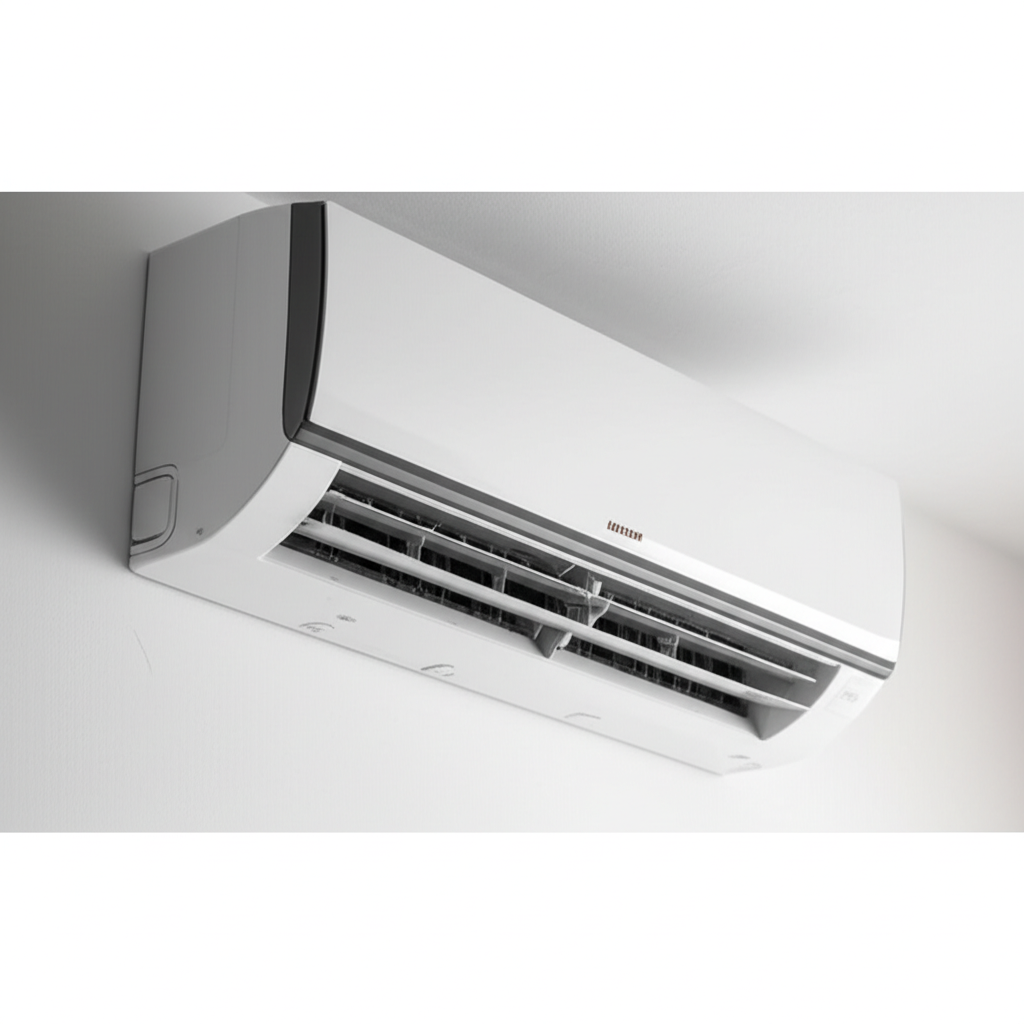
Think of a mini-split as a superhero for cooling single rooms or additions. It’s different because it doesn’t need big ducts running through your walls or attic.
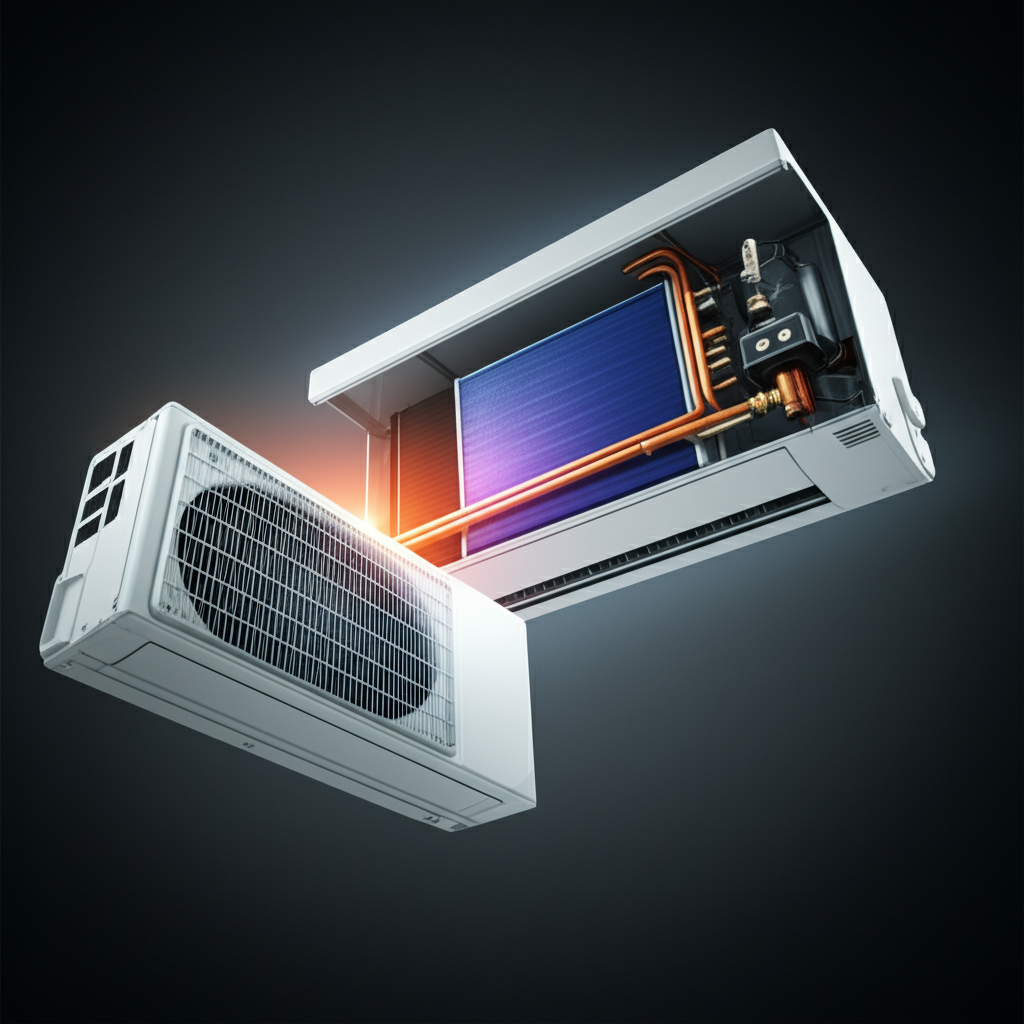
This system has two main parts. There is the indoor unit, which blows the cool air, and the outdoor unit, which holds the noisy compressor. A small, thin line connects these two pieces.
Because there are no ducts, less energy gets wasted. This is a huge win for your wallet and the environment. It gives you amazing control over the temperature right where you need it most.
The Shocking Secret: ACs Don’t Make Cold Air
Here is the biggest secret most people miss: your air conditioner is actually a heat mover. It does not magically create “cold.”
Instead, it acts like a sponge for heat. The refrigerant fluid inside the lines soaks up the heat from your warm indoor air. Then, it pumps that captured heat outside your home.
The air blowing out of the indoor unit is cool simply because the heat has been taken away from it. Pretty neat trick, right?
How the Refrigerant Cycle Works: Step-by-Step
The refrigerant is the lifeblood of the mini-split. It cycles constantly through the system, changing from liquid to gas and back again.
Here is the simple cooling loop:
- Step 1: Absorption (Inside): The cold, low-pressure liquid refrigerant flows into the indoor coil (the evaporator). It absorbs heat from your room air, which makes the refrigerant boil into a gas.
- Step 2: Compression (Outside): The outdoor unit sucks up this warm gas. The compressor squeezes it, making the gas very hot and high-pressured.
- Step 3: Rejection (Outside): This hot gas flows through the outdoor coil (the condenser). The outside fan blows air across the coil, releasing the heat into the neighborhood.
- Step 4: Expansion (Back Inside): After cooling down, the refrigerant passes through an expansion valve, turning it back into a cold, low-pressure liquid, ready to start absorbing heat again.
Why Mini-Splits Are So Efficient (No Ducts, No Problem)
The biggest energy drain in traditional systems is the ductwork. Leaky ducts can waste up to 30% of the cooling energy you paid for.
Mini-splits skip all that mess. Since the indoor and outdoor units connect with just a small hole in the wall, the air is delivered directly where it is needed.
This direct delivery means the system runs less often and uses less electricity to achieve the same comfort level. It’s like turning off the highway traffic and taking a direct side street!
Key Parts of Your Mini-Split System
Understanding the main components helps when you need to troubleshoot or talk to a technician. They are surprisingly straightforward.
| Component | Location | What It Does Simply |
|---|---|---|
| Air Handler (Indoor Unit) | On the wall inside | Sucks in warm air, blows out cool air. |
| Condenser/Compressor (Outdoor Unit) | Outside the house | Pumps the refrigerant and throws the heat away. |
| Refrigerant Line Set | Connecting tube | Carries the heat-moving fluid between units. |
Choosing the Right Size: BTU Power Guide
You can’t just buy the smallest unit and expect it to work. If it’s too small, it runs constantly and never cools right. If it’s too big, it cools too fast and leaves your room humid and clammy.
We measure cooling power in BTUs (British Thermal Units). Here is a general guide to help you match the unit size to your room.
| Room Size (Sq. Ft.) | Recommended BTU Range |
|---|---|
| 150 – 250 sq. ft. | 5,000 – 6,000 BTU |
| 250 – 400 sq. ft. | 7,000 – 8,000 BTU |
| 400 – 550 sq. ft. | 9,000 – 10,000 BTU |
| 550 – 1,000 sq. ft. | 12,000 – 18,000 BTU |
Remember, factors like high ceilings, lots of windows, or being on the top floor mean you should size up slightly. For professional advice on sizing, check out the resources at the U.S. Department of Energy.
Easy Maintenance: Keeping Your Mini-Split Happy
The best part about mini-splits is they require very little fuss, but they do need routine care. Skipping these simple steps is the fastest way to raise your bills!
Follow this quick checklist every month during heavy use:
- Clean the Filters: Slide open the indoor unit and gently remove the mesh filters. Rinse them with warm water and let them air dry completely. This is crucial for good airflow!
- Check the Remote: Make sure your remote batteries are fresh so you can always set the right temperature efficiently.
- Clear the Outdoor Unit: Walk outside and ensure leaves, grass clippings, or weeds are not blocking the metal fins on the outdoor unit. It needs clear space to “breathe” and release heat.
- Inspect for Ice (Rarely): If you notice ice building up on the indoor unit, turn the system off and call a pro. This usually means low refrigerant or a fan issue.
Quick Troubleshooting: When Things Seem Off
Sometimes your mini-split acts a little strange, but it’s rarely a disaster. Most common issues are easy to spot before you need to call for backup.
| Symptom | Likely Cause (Start Here!) |
|---|---|
| Not cooling well | Dirty air filters or the outdoor unit is shaded/dirty. |
| Making strange gurgling/hissing noise | Normal refrigerant flow sounds, but excessive noise might mean a blockage. |
| System won’t turn on | Check the circuit breaker or the remote batteries first. |
If you’ve checked the filters and the breaker and things still aren’t right, it is time to contact a certified HVAC technician. Don’t try to open the sealed refrigerant lines yourself!
Common Beginner Mistakes to Avoid
Learning what not to do is just as important as knowing the steps to take. Avoid these common pitfalls that cost homeowners money and comfort.
- Setting the Thermostat Too Low: Turning the temperature down to 60°F when you want 72°F doesn’t make it cool faster; it just makes the system run much longer. Set it where you are comfortable and leave it.
- Ignoring the Drain Line: Mini-splits remove humidity, which creates condensation (water). If the tiny drain line gets clogged, water can back up and leak inside your house. Keep the outside drain clear.
- Over-Cleaning the Unit: While filters need regular cleaning, avoid spraying harsh chemicals directly into the indoor unit. Stick to gentle soap and water on the filters only.
- Using It as the Only Heat Source (If it’s a Heat Pump): While many mini-splits offer heat, they struggle in extremely cold weather. Relying on them solely when temperatures drop below freezing can strain the unit.
Mini-split systems offer fantastic, targeted cooling without the complexity of old-school central air. Remember, they just move heat around efficiently.
By keeping those filters clean and giving the outdoor unit some breathing room, you ensure your system works quietly and saves you money for years to come. You’ve got this!
Stay cool, and feel free to check ACReviewHub.com anytime you have another AC question!
