
Quick Summary: To shock your mini split efficiency, focus on clean filters, correct thermostat settings (78°F is great!), and ensuring the outside unit is clear of debris. These simple steps unlock major energy savings!
Are your energy bills making you sweat, even when your mini split is running? It is super common to feel confused by AC settings and maintenance. Don’t worry, we’ve all been there. I’m Jack from ACReviewHub.com, and I’m here to clear up the confusion. We are going to look at easy, hands-on tricks that will make your ductless system work much smarter, not harder. Get ready to see some surprising drops in your monthly costs!
The Big Secret to Mini Split Efficiency: Why They Struggle
Mini splits are awesome because they cool zones really well. But if they are set up wrong or ignored, they become energy hogs fast. The main reason for poor performance is usually airflow restriction or improper temperature management. Think of it like breathing through a straw; your system can’t move air easily.
We need to treat these units right so they treat our wallets right. Most beginners don’t realize how much a little dirt or a wrong setting can cost them over a summer. Let’s fix those easy wins first.
Step 1: Master Your Thermostat Settings for Peak Savings
The biggest shocker for most people is how much they waste by setting the temperature too low. Mini splits are efficient, but they can’t defy the laws of physics!
The Magic Temperature Zone
When setting your temperature, aim for comfort without overworking the compressor. This is where most energy is spent.
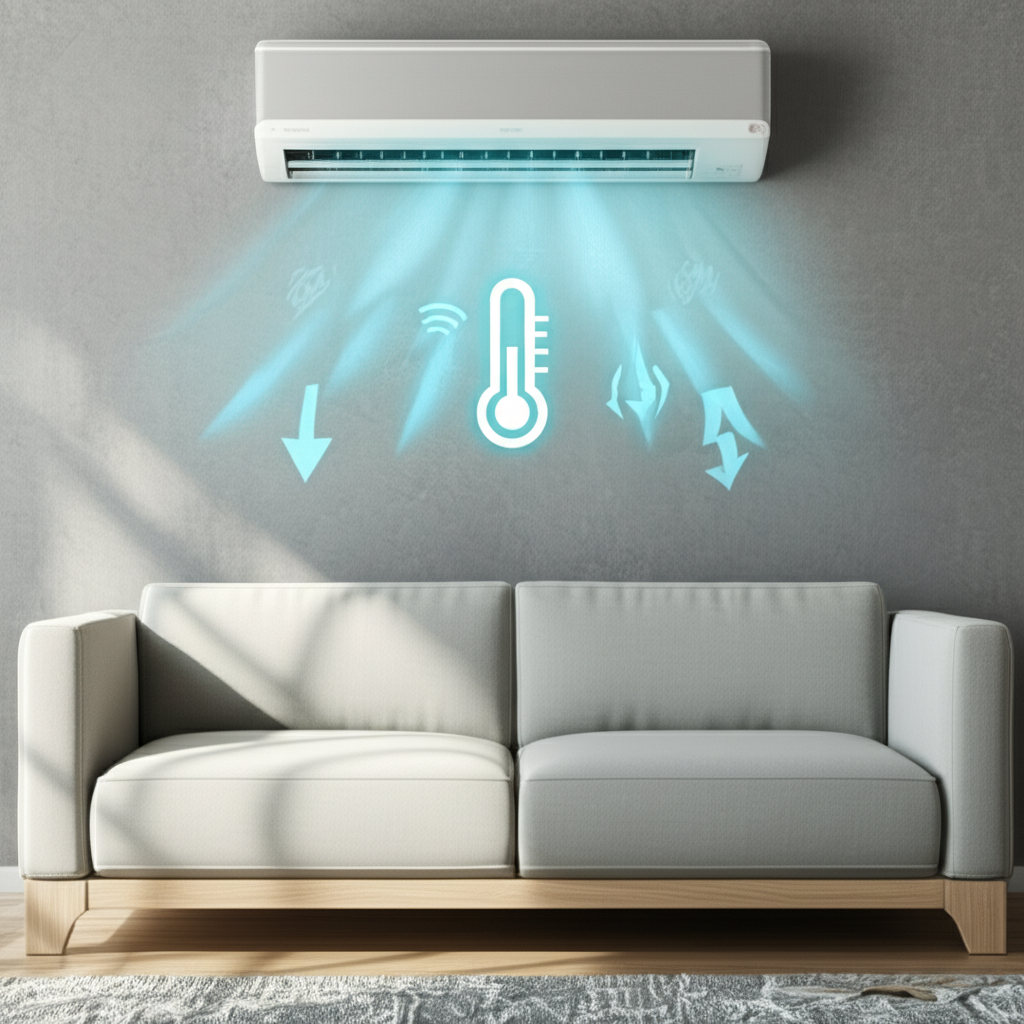
- Set the thermostat to 78°F (or the highest you can comfortably handle) when you are home during the day.
- If you leave the house for more than four hours, bump it up 5–7 degrees.
- Use the “Auto” fan setting instead of “High” constantly. Auto lets the unit cycle efficiently.
- Avoid constantly dropping the temperature—this makes the unit run non-stop trying to hit an unrealistic target.
It takes energy to pull a large temperature gap down. A small, steady gap is much cheaper to maintain.
Step 2: Essential, Non-Negotiable Maintenance Routines
If you skip cleaning, you are paying more to cool dirt. This is the most important part of keeping efficiency high.
Filter Cleaning: Your Daily Mini-Win
Your filters catch dust and debris. If they get clogged, air can’t flow. This makes the unit strain and use way more electricity.
- Turn the unit OFF and unplug it for safety.
- Gently open the front panel of the indoor unit.
- Slide out the mesh filters carefully.
- Wash them using warm, soapy water, or vacuum them gently if they aren’t too dirty.
- Let them air dry completely—never put damp filters back in!
- Reinsert them, close the panel, and power the unit back on.
For most homes, cleaning these filters monthly is perfect. If you have pets or smoke, check them every two weeks.
Outdoor Unit (Condenser) TLC
The outside unit needs fresh air to dump the heat it pulled from inside. If it’s blocked, it overheats and efficiency tanks.
| Maintenance Task | Frequency | Why It Matters |
|---|---|---|
| Clear Debris (Leaves, Grass) | Monthly (During Season) | Allows proper heat exchange. |
| Check for Blockages (Shrubs, Fences) | Twice Per Year | Needs at least 2 feet of clear space around it. |
| Gentle Coil Spray Down | Annually (Before Summer) | Removes built-up grime that insulates the coils. |
Step 3: Optimize Airflow and Insulation Inside Your Home
Even the best mini split can’t save energy if the cool air leaks out immediately. This step focuses on keeping that hard-earned cool air where it belongs.
Check the indoor unit’s location. Is it blowing air directly onto a couch or a curtain? If so, the thermostat might think the room is cool when it isn’t, causing short cycling.
Sealing Leaks: Stop the Cool Air Escape
Drafts are silent energy vampires. You need to find where the inside air is mixing with the outside air.
- Use weatherstripping around leaky windows and doors near the mini split.
- Check where the refrigerant lines go through the wall—seal that hole up tight with exterior-grade sealant.
- Ensure ceiling fans are set to spin clockwise (winter mode) or on low speed (summer mode) to gently mix air without creating a direct draft on the thermostat.
For more detailed information on energy use in the home, the folks at Energy.gov have fantastic, easy-to-read guides.
Step 4: Understanding the Modes (And Which Ones to Avoid)
Your remote control has buttons that look confusing, but they control how hard your unit works. Using the wrong one is a massive efficiency killer.
The “Dry” Mode Trap
Many people use “Dry” (or dehumidify) mode when they just want cooling. Dry mode runs the compressor slowly to pull moisture out of the air. If it’s not truly humid, you are just wasting electricity!
| Mode Setting | Best Use Case | Efficiency Impact |
|---|---|---|
| Cool | Standard temperature maintenance. | Best overall balance. |
| Heat | When the weather turns cold. | Very efficient compared to electric resistance heat. |
| Dry/Dehumidify | When humidity is high but temperature is okay. | Can be less efficient if used when cooling is actually needed. |
| Fan Only | Moving air when cooling isn’t required. | Lowest energy draw, no compressor running. |
Always try to use the “Cool” mode unless the primary goal is just removing dampness.
Step 5: When to Call the Pros for Hidden Efficiency Gains
Sometimes, the problem isn’t something you can fix with a sponge or a vacuum. If you’ve done all the above and still feel weak cooling, it might be time for a professional tune-up.
A technician can check things we can’t easily see. They look for major efficiency killers that are totally invisible to us beginners.
- Checking Refrigerant Levels: If the coolant (refrigerant) is low, the unit has to run much longer to achieve the set temperature. This is a huge energy drain.
- Cleaning the Evaporator Coils: These are inside the unit and get fuzzy with dust that filters miss. A deep clean restores heat transfer.
- Inspecting Electrical Connections: Loose wires can cause resistance and force the system to use more power than necessary.
Getting a professional check-up once every few years keeps those “shocking gains” coming year after year. You can find great standards for HVAC service providers through organizations like ASHRAE.
FAQ: Quick Answers for Cool Confidence
Here are some fast answers to questions I hear all the time about keeping those mini splits running lean.
Q: How long should it take for my mini split to cool a room?
A: If the temperature difference is small (say, 5 degrees), it should feel noticeably cooler within 15–30 minutes. If it feels weak, check your filters!
Q: Is it better to leave the mini split on all day or turn it off?
A: For mini splits, leaving it set at a consistent, slightly higher temperature (like 78°F) is usually better than turning it off and then blasting it later to recover a huge temperature drop.
Q: What does the “Inverter” on my unit mean?
A: Inverter technology means the compressor can adjust its speed, like a dimmer switch. It uses far less energy than old “on/off” systems once it hits the target temperature.
Q: Why is the outdoor unit making strange gurgling noises?
A: A little bubbling or humming is normal. Loud gurgling or hissing often means there’s a refrigerant flow issue—time to call the expert!
Q: Should I close the vents on the mini split I am not using?
A: Mini splits are zone-based, so they don’t have traditional vents to close. Just set the unused zone’s unit to “Fan Only” or turn it off completely at the remote.
Q: Can I use a regular household fan with my mini split?
A: Absolutely! Using a ceiling or floor fan helps move the cold air from the unit into the rest of the room, meaning the mini split doesn’t have to work as hard. It’s a great efficiency booster!
Conclusion: Small Habits, Big Savings
See? Improving your mini split efficiency isn’t rocket science; it’s about simple, consistent habits. Clean filters, smart thermostat settings, and keeping that outdoor unit clear are your three best friends.
By taking these small, practical steps today, you are ensuring your system cools perfectly while keeping those shocking energy gains going strong all season long. Stay cool, friend, and enjoy the savings!
