
Quick Summary
Testing AC compressor windings is a smart DIY step to check if your AC’s heart is working right. This guide shows you how to do it safely and easily, so you can know if it’s time for a repair!
Is your air conditioner acting up? Maybe it’s not cooling as well as it used to, or you’re seeing higher energy bills. It can be confusing to figure out what’s wrong with these big machines. But don’t worry, we’re here to help make it simple!
At ACReviewHub.com, we believe understanding your AC shouldn’t be complicated. We break down tricky AC stuff into easy steps. This guide will walk you through testing your AC compressor’s windings, a key part of your AC system.
Why Test AC Compressor Windings?
Your AC compressor is like the engine of your air conditioner. It’s a crucial part that makes the cooling magic happen. When the windings inside the compressor have problems, it can stop your AC from working or make it work poorly.
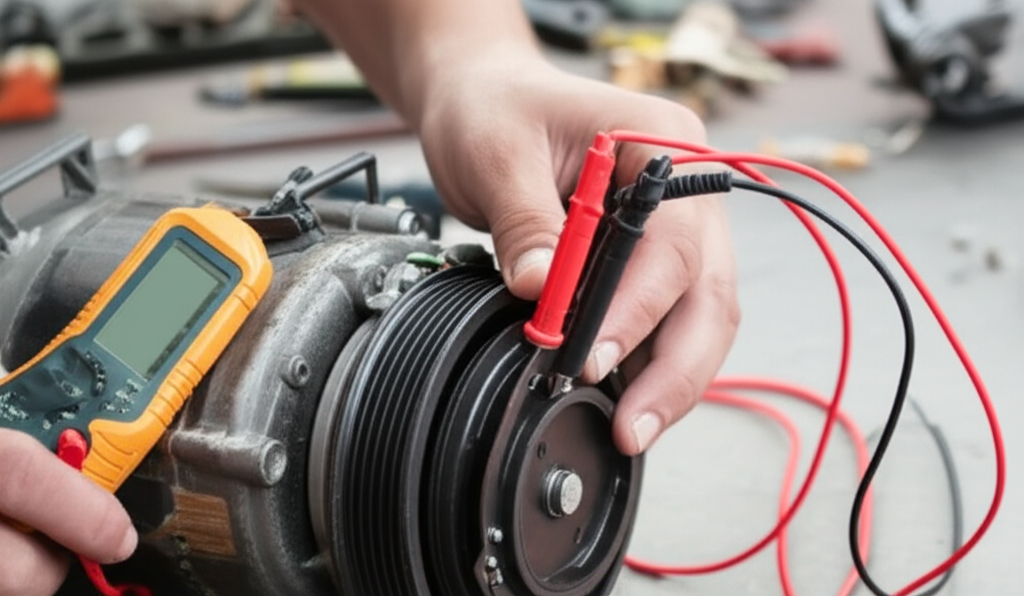
Testing these windings is a good way to see if the compressor itself is the issue. It’s a step many AC pros take when troubleshooting. Knowing how to do this can save you time and money by helping you pinpoint problems faster.
What Are Compressor Windings?
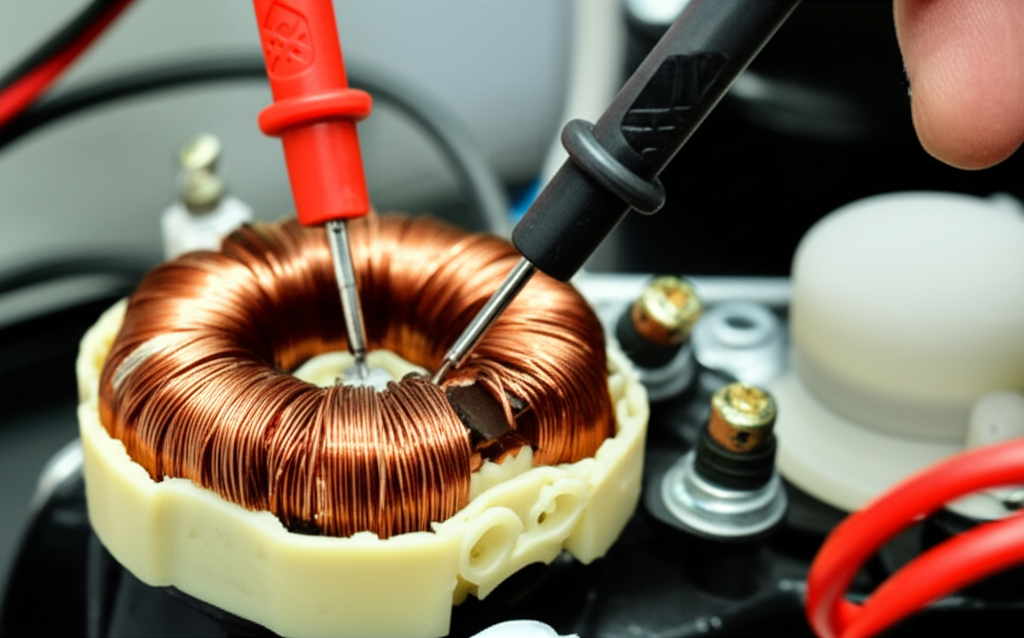
Inside the compressor, there are coils of wire called windings. These windings are like tiny electrical highways that carry power to make the compressor run. They are made of copper or aluminum wire wrapped around a core.
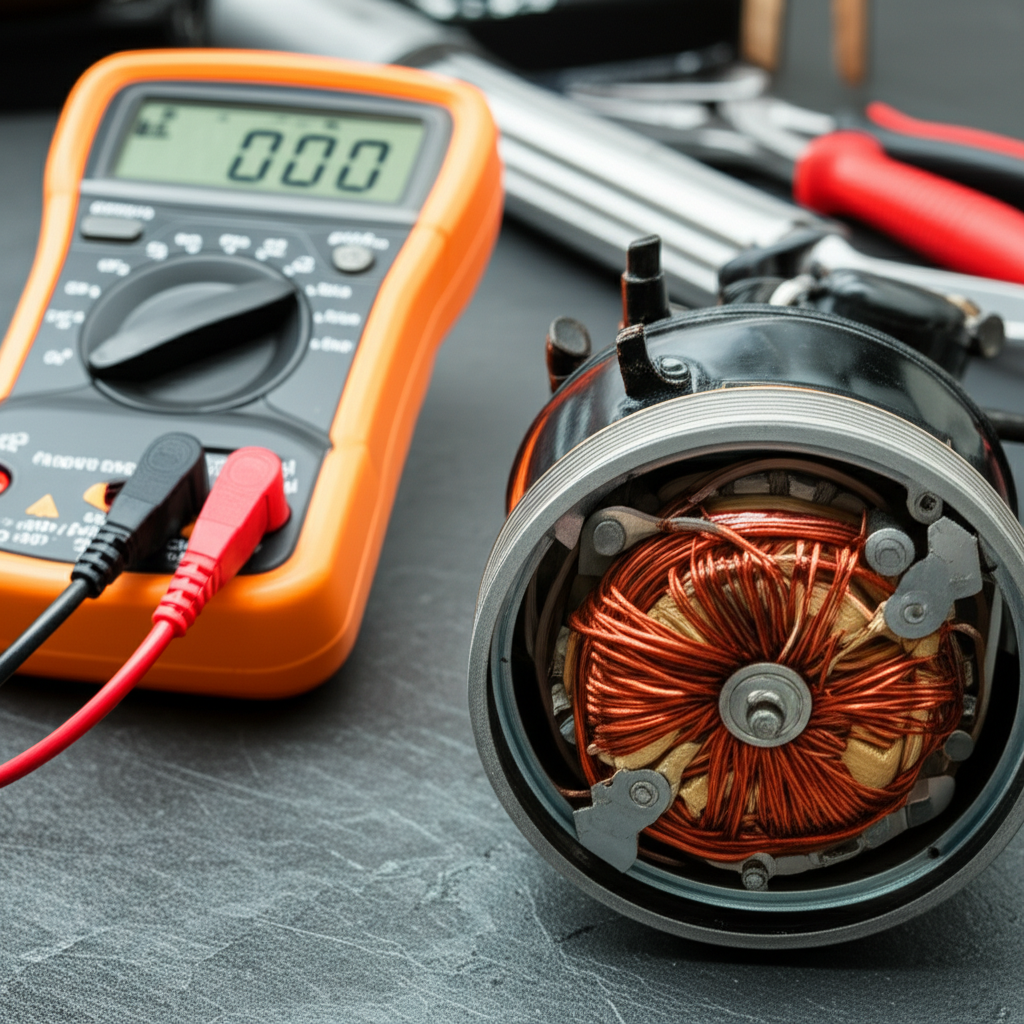
There are usually three main windings: common, start, and run. Each one has a specific job to do in getting the compressor going and keeping it running smoothly.
What You’ll Need to Test Windings
Before you start, make sure you have the right tools. Safety is super important when working with electrical parts!
- Safety Glasses: To protect your eyes.
- Work Gloves: To keep your hands safe.
- Digital Multimeter (DMM): This is the main tool for testing electrical resistance. Make sure it can measure ohms (Ω).
- Screwdriver or Nut Driver: To open the electrical panel on your outdoor AC unit.
- Pen and Paper: To write down your readings.
- Camera or Smartphone: To take pictures of wiring before you disconnect anything (very helpful!).
Safety First! How to Safely Prepare
Working with electricity can be dangerous. Always remember to turn off the power to your air conditioner before you start any testing. This is the most important step!
- Turn off the Power at the Thermostat: Set your thermostat to “Off.”
- Turn off the Power at the Breaker: Go to your home’s electrical panel and find the breaker for your air conditioner. Flip it to the “Off” position.
- Turn off the Power at the Disconnect Switch: Near your outdoor AC unit, there’s usually a separate power shut-off box (a disconnect switch). Open it and pull out the disconnect block or flip the switch to “Off.”
- Wait: Let the system sit for a few minutes after turning off the power. This helps any stored electrical charge dissipate.
Step-by-Step: Testing Compressor Windings
Now that you’ve safely turned off the power, you can get to the compressor. It’s usually inside the outdoor unit of your AC system.
- Access the Compressor Terminals: Carefully remove the access panel on your outdoor unit. You’ll see a control box with wires going to the compressor. Locate the electrical terminals for the compressor. They are often labeled “C” (common), “S” (start), and “R” (run) or “M” (main).
- Take Photos: Before you touch any wires, take clear pictures of how everything is connected. This will be a lifesaver when you need to put it all back together.
- Disconnect the Wires: Gently disconnect the wires from the compressor terminals. You might need to use a nut driver or pliers.
- Set Your Multimeter: Set your digital multimeter to the ohms (Ω) setting. Start with a range that can measure up to 200 ohms.
- Test Common to Start (C to S): Place one probe of your multimeter on the “C” (common) terminal and the other probe on the “S” (start) terminal. Write down the resistance reading.
- Test Common to Run (C to R or M): Now, move one probe to the “C” (common) terminal and the other to the “R” (run) or “M” (main) terminal. Record this reading.
- Test Start to Run (S to R or M): Finally, place one probe on the “S” (start) terminal and the other on the “R” (run) or “M” (main) terminal. Write down this last reading.
- Check for Ground Faults: Touch one probe to any of the compressor terminals (C, S, or R/M) and the other probe to the metal casing of the compressor or the unit frame. You should get an “OL” (open loop) or infinite reading, meaning there is no electrical connection to ground. If you get a low reading, there’s a ground fault.
What Your Readings Mean
The numbers you got from your multimeter tell a story about your compressor’s windings. They help you understand if there’s a problem.
- Typical Readings: You should get a resistance reading for each of the three tests (C to S, C to R, S to R). These numbers will vary depending on the AC model, but they should be consistent with each other and within a reasonable range (usually between 2 to 20 ohms).
- Open Windings: If you get an “OL” (open loop) or a very high reading on any of the tests, it means that winding is broken or has an open circuit. This means the compressor won’t run.
- Short Windings: If you get a very low reading (close to 0 ohms) or a reading that is much lower than expected, it could indicate a short circuit within the winding.
- Ground Faults: If you get a low resistance reading when testing to ground, it means electricity is leaking where it shouldn’t be. This is a serious issue.
Common AC Compressor Issues and Symptoms
Problems with your compressor can show up in a few ways. Here’s a quick look:
| Symptom | Possible Cause |
|---|---|
| AC not cooling at all | Bad compressor windings, low refrigerant, faulty capacitor |
| AC blowing warm air | Compressor not running (bad windings), fan motor issue |
| AC making strange noises (humming, buzzing) | Struggling compressor, bad start/run capacitor, electrical issue |
| High energy bills | Inefficient compressor, other system leaks |
Putting It All Back Together
Once you’ve taken your readings and have them written down, it’s time to reconnect everything. This is where your photos come in handy!
- Reconnect the Wires: Carefully reattach the wires to their correct terminals on the compressor, using your photos as a guide. Make sure they are snug.
- Replace the Access Panel: Securely put the access panel back on the outdoor unit.
- Restore Power: Go back to your electrical panel and flip the AC breaker back to the “On” position. Also, turn on the disconnect switch near the unit.
- Test Your AC: Go inside and turn on your air conditioner at the thermostat to see if it’s working properly.
When to Call a Professional
Testing compressor windings is a great way to get a clue about your AC’s health. However, remember that this is a basic check.
If your readings are “OL,” very low, or show a ground fault, it’s a strong sign that your compressor is likely bad. In these cases, it’s best to call a qualified HVAC technician. They have the tools and expertise to confirm the problem and perform the necessary repairs or replacement.
Also, if you’re not comfortable working with electricity or are unsure about any step, it’s always safer to let a professional handle it. Your safety is the top priority!
For more tips on keeping your AC running efficiently, check out the U.S. Department of Energy’s Home Cooling Systems guide.
Frequently Asked Questions
Q1: Do I really need to turn off the power?
Yes, absolutely! Electricity can be very dangerous. Always turn off power at the breaker and disconnect switch before touching any AC components.
Q2: What if I get different readings than expected?
Readings can vary by AC model. The main things to look for are “OL” (open), very low resistance, or a reading to ground. If you’re unsure, it’s best to call a pro.
Q3: Can I fix compressor windings myself?
Compressor windings are part of the sealed compressor unit. If they are bad, the entire compressor usually needs to be replaced, which is a job for a professional technician.
Q4: How often should I test my compressor windings?
You don’t need to test them regularly. This is usually done as part of troubleshooting when your AC isn’t working correctly.
Q5: What’s the difference between a start and run winding?
The start winding helps the compressor get going, and the run winding keeps it running. Both need to be in good condition for the compressor to work.
Q6: Is a humming sound always a bad sign for the compressor?
A normal compressor will hum when it’s running. However, a loud, unusual hum or buzzing could mean it’s struggling, possibly due to winding issues or other problems.
Stay Cool and Confident
Taking small steps to understand your air conditioner can make a big difference. Testing your AC compressor windings is a valuable skill for any homeowner looking to troubleshoot their cooling system.
Remember to always prioritize safety and don’t hesitate to call a professional when you need expert help. With a little knowledge and care, you can keep your AC running smoothly and your home comfortable all year long!
Happy cooling!
