
If your AC isn’t cooling, the fix is usually simple: check the thermostat settings, clean the filter, and ensure air vents are open. Often, these easy steps solve 90% of cooling problems right away!
Is your air conditioner blowing warm air? That is so frustrating, especially when the weather heats up outside. You feel the heat, and you worry about a big repair bill coming soon. Don’t stress out just yet. Many common cooling issues are easy to fix yourself. You do not need to be an AC technician to solve them.
I’m Jack from ACReviewHub.com. I want to show you the simple steps to get that cool air flowing again. We will go through easy checks first, then move to slightly more involved fixes. By the end of this guide, you will feel confident about tackling your AC problems.
Easy Fixes: First Things to Check When AC Stops Cooling
When your AC acts up, the first place to look is always the simplest. Think of this like checking if your car has gas before calling a tow truck. These checks cost nothing and take just a few minutes.
1. Check Your Thermostat Settings (The Quickest Fix)
This might sound silly, but it happens all the time. Is your thermostat set correctly? Make sure it is set to COOL, not HEAT or FAN ONLY. Set the temperature low, like 72°F (22°C), to test it.
Also, check the batteries if you have a digital thermostat. Dead batteries mean the thermostat cannot tell the AC unit what to do. Change them even if you think they are fine.
2. Inspect the Air Filter (The Biggest Culprit)
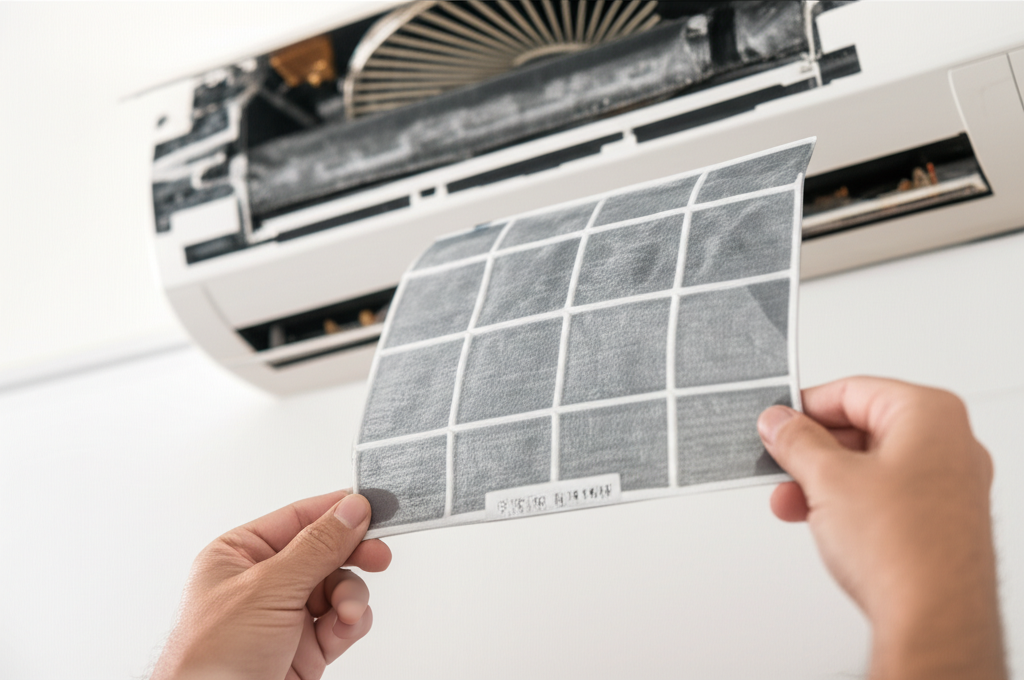
A dirty air filter is the number one reason an AC stops cooling well. When the filter is clogged with dust, air cannot move across the cold coils. This makes the unit work too hard and sometimes causes ice to form.
You need to clean or replace your filter every 1 to 3 months. This is crucial for good cooling and keeping your energy bills low.
Simple Steps to Check and Change Your Filter
- Turn off the power to your air handler unit at the breaker box first. Safety is always step one!
- Locate the filter slot, usually near where the return air vent is or inside the indoor unit.
- Slide out the old filter and check how dirty it is.
- If it’s gray and dusty, toss it and put in a new one that matches the size written on the side.
- Slide the new filter in the right way (look for an arrow showing the direction of airflow).
- Turn the power back on and test your system.
3. Clear Blocked Air Vents and Registers
Your AC pushes cool air through vents in your rooms. If furniture or rugs cover these vents, the cool air gets trapped. This tricks the thermostat into thinking the room is already cold enough, so the AC shuts off too soon.
Walk around your house and make sure every supply vent (where the cold air comes out) is fully open. Also, check the return vents (the bigger ones that suck air in) are not blocked by anything heavy.
4. Look for Ice on the Outdoor Unit (Condenser)
If you see ice buildup on the copper lines or the outside unit, your system has a serious air flow problem. This usually means the filter is clogged or the coils are dirty.
If you find ice, turn the AC completely OFF and switch the fan setting to ON. This helps thaw the ice faster. Do not run the AC again until all the ice is gone and you have fixed the underlying airflow issue (like changing the filter).
Intermediate Fixes: When Simple Checks Don’t Work
If the easy steps didn’t bring back the cool air, we need to look a little deeper. These next steps might involve checking the outdoor unit more closely.
5. Clean the Outdoor Condenser Unit
The big unit outside needs to breathe! It sheds heat from your house into the outside air. If the metal fins around the unit are covered in grass clippings, dirt, or leaves, it cannot release heat effectively.
Turn off the power to the unit at the disconnect box near the unit. Use a garden hose (not a strong pressure washer!) to gently spray the dirt off the fins from the inside out. Be careful not to bend the delicate fins.
6. Check the Circuit Breaker
Sometimes the AC trips the breaker due to a power surge or if it worked too hard. Go to your main electrical panel. Look for a large breaker labeled “AC,” “Furnace,” or “Air Handler.”
If it is flipped to the middle or OFF position, flip it firmly all the way to OFF first. Then, flip it back firmly to the ON position. If it trips again right away, you have a bigger electrical issue, and you should call a professional.
Understanding AC Capacity: Are You Sized Right?
Sometimes the AC itself isn’t broken; it’s just too small for your house. If you live in a very hot area or have poor insulation, a small unit will run constantly but never reach the set temperature.
We measure AC cooling power in BTUs (British Thermal Units). A bigger room needs more BTUs to cool down effectively. Here is a simple guide:
| Room Size (Square Feet) | Recommended BTU Range |
|---|---|
| 150–250 sq ft | 5,000–6,000 BTU |
| 250–350 sq ft | 7,000–8,000 BTU |
| 350–550 sq ft | 9,000–12,000 BTU |
| 550–1,000 sq ft | 14,000–18,000 BTU |
For more detailed sizing information based on climate and ceiling height, check out the helpful guides provided by the U.S. Department of Energy: U.S. Energy Information Administration.
When to Call the AC Expert (Don’t Wait!)
If you have tried all the above steps and the air is still warm, it is time to call a certified HVAC technician. There are a few issues that are simply too complex or dangerous for beginners to handle.
Top 3 Reasons to Call for Service
- Refrigerant Leaks: Refrigerant (the stuff that makes the air cold) is not something you add yourself. If the unit is low, it means there is a leak that needs professional repair.
- Electrical Problems: If breakers keep tripping, or you hear buzzing/sizzling sounds, stop immediately. Electrical issues need licensed hands.
- Compressor Failure: If the outside unit fan is spinning but the air is warm, or if the unit won’t turn on at all after checking the breaker, the main cooling part (the compressor) might be failing.
Knowing when to stop and call a pro saves you time and prevents you from accidentally damaging expensive parts. For reliable performance data, Consumer Reports often shares great insights on system longevity: Consumer Reports HVAC Reviews.
Troubleshooting Quick Reference Chart
| Symptom | Likely Cause (Easy Fix) | Expert Needed? |
|---|---|---|
| Warm Air Blowing | Dirty Filter or Blocked Vents | Yes (if coils are frozen or low on refrigerant) |
| AC Won’t Turn On | Tripped Breaker or Dead Thermostat Batteries | Yes (if breaker keeps tripping) |
| Unit Runs Constantly | Thermostat set too low or dirty outdoor coils | Maybe (if unit is too small for the space) |
| Strange Noises (Clicking/Banging) | Loose parts or debris in the fan | Yes (especially grinding or screeching) |
FAQ: Quick AC Answers for Beginners
Here are a few common questions I hear all the time from new homeowners.
Q: How long should it take for my AC to cool the house down?
A: A healthy AC should drop the indoor temperature by about 15 to 20 degrees Fahrenheit within the first hour or two of running. If it’s struggling to even drop 5 degrees, something is wrong.
Q: Can I just leave the fan setting on “ON” all the time?
A: It depends. Leaving it on “AUTO” is usually best for efficiency. “ON” keeps air circulating, which can help if you have hot/cold spots, but it costs more energy since the blower runs even when cooling is off.
Q: Why does my AC smell musty or moldy?
A: That smell usually comes from moisture trapped in the indoor unit (the evaporator coil). Keep your filter clean, and make sure the drain line isn’t clogged so the condensation can drip away properly.
Q: Is it bad to turn the AC off completely when I leave for work?
A: No, it saves money! Set the temperature a few degrees higher (maybe 78°F) when you leave. Turning it completely off and then letting it struggle to cool down a very hot house might use more energy than leaving it steady.
Q: What is the ideal thermostat setting for saving money?
A: Experts recommend setting it to 78°F (26°C) when you are home and awake. Every degree you raise it saves you energy!
Q: My outdoor unit is making strange clicking noises. Should I panic?
A: A small click when it starts or stops is normal. If it clicks repeatedly or makes a loud, constant buzzing, turn the unit off at the breaker immediately and call for help.
Taking care of your air conditioner doesn’t have to be scary or expensive. By following these simple checks—especially keeping that filter clean—you are already doing the most important maintenance work. Be consistent with these small steps, and you will enjoy cool, comfortable air all season long without constant worry.
Stay cool out there, and happy troubleshooting!
