
Is your portable AC blowing warm air instead of cooling your room? This frustrating issue can stem from simple problems like clogged filters or refrigerant leaks, but it’s usually fixable without calling a technician. Understanding why your portable AC isn’t blowing cold air helps you troubleshoot effectively and get back to comfortable cooling quickly. From checking the exhaust hose to inspecting the refrigerant, this guide walks you through practical solutions to restore full cooling power.
If you’ve ever stood in a stuffy room, staring at your portable AC unit blowing warm or lukewarm air instead of the cool breeze you expected, you’re not alone. Portable air conditioners are designed to make hot days more bearable, but when they stop blowing cold air, it’s more than just an inconvenience—it’s a signal that something inside the machine isn’t working right. Unlike window units or central AC, portable ACs rely on a combination of internal components, airflow management, and proper setup to deliver that refreshing chill. When one of these systems fails, the result is often the same: disappointment and discomfort.
Most portable ACs not blowing cold air are the result of a few common culprits. Whether it’s a clogged filter, a kinked exhaust hose, or low refrigerant, the issue usually stems from something that can be identified and fixed with a little troubleshooting. The good news? You don’t always need to call a technician. In many cases, simple maintenance steps like cleaning coils, checking the hose connection, or replacing the filter can restore full cooling power. Understanding how your unit works—and what stops it from working properly—is the first step toward getting back to a comfortable indoor climate.
Key Takeaways
- Clogged or dirty air filters restrict airflow and reduce cooling efficiency—clean or replace them regularly to maintain performance.
- Improper exhaust hose setup can prevent proper heat exchange; ensure the hose is fully extended and unobstructed for optimal function.
- Low refrigerant levels or leaks often cause warm air output; this usually requires professional diagnosis and recharging.
- Dirty coils accumulate grime over time, reducing heat absorption; cleaning condenser and evaporator coils improves cooling capacity.
- Thermostat or sensor issues may misread room temperature, causing the unit to underperform—check settings and sensor placement.
- Blocked vents or obstructed airflow around the unit limit air circulation; keep surrounding areas clear for best results.
- Old or failing compressor is a common cause of reduced cooling in older units and may need repair or replacement.
Quick Answers to Common Questions
Why is my portable AC blowing warm air after a few minutes?
Warm air after running for a few minutes often indicates a refrigerant leak or low refrigerant levels. The cooling cycle can’t sustain itself without enough refrigerant to absorb heat.
Can a kinked exhaust hose cause warm air?
Yes, a kinked or blocked exhaust hose prevents hot air from being expelled outside. This disrupts the cooling cycle and causes the unit to blow warm air back into the room.
How often should I clean my portable AC filter?
Clean or replace the air filter every 1–2 weeks during heavy use. A dirty filter restricts airflow and reduces cooling efficiency significantly.
Will a dirty coil make my AC blow warm air?
Yes, dirty evaporator and condenser coils can’t transfer heat properly. This leads to reduced cooling performance and warm air output.
Can I fix a refrigerant leak myself?
No, refrigerant leaks require professional repair. Only certified HVAC technicians can safely locate and fix leaks and recharge the system.
📑 Table of Contents
Understanding How Portable ACs Work
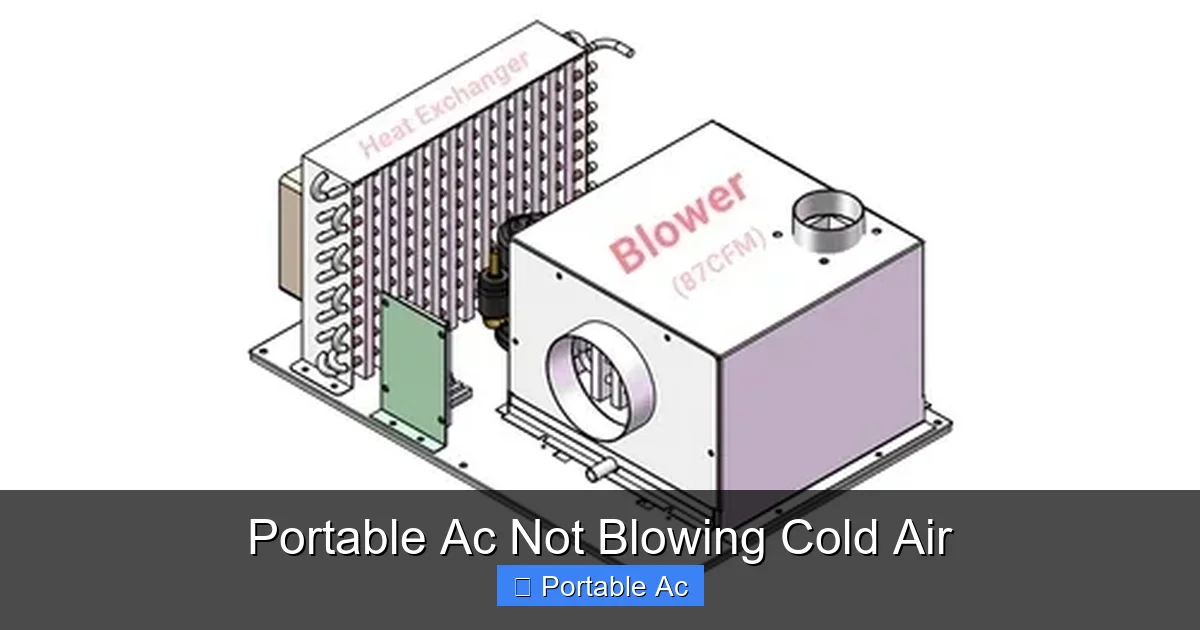
Portable air conditioners operate using the same basic refrigeration cycle as larger HVAC systems, but in a compact, self-contained form. The process begins when warm indoor air is pulled into the unit through return vents and over the evaporator coil. This coil is filled with refrigerant, a substance that absorbs heat as it evaporates. As the warm air passes over the cold coil, the heat transfers into the refrigerant, cooling the air. The now-cooled air is then blown back into the room through the main vent.
Meanwhile, the heat absorbed by the refrigerant is carried away by a second, warmer coil—the condenser—and expelled outside the room through the exhaust hose. This heat is vented via a window or wall outlet, which is why every portable AC requires proper hose installation. Without this heat exchange, the cooling process can’t continue. Any disruption in airflow, refrigerant flow, or heat transfer can lead to reduced performance or warm air output. That’s why even minor issues like a partially blocked hose or dirty coils can have a big impact on cooling efficiency.
Common Causes of Portable AC Not Blowing Cold Air
Visual guide about Portable Ac Not Blowing Cold Air
Image source: machineanswered.com
When your portable AC stops blowing cold air, it’s often due to one of several common mechanical or operational problems. Identifying the root cause is key to fixing the issue quickly and effectively. Below are the most frequent reasons why portable ACs fail to deliver cold air, along with practical solutions you can try at home.
1. Dirty or Clogged Air Filters
One of the easiest and most common reasons for poor cooling is a clogged air filter. Over time, dust, pet dander, and debris accumulate in the filter, restricting airflow. When air can’t flow freely through the unit, the evaporator coil can’t absorb heat efficiently, leading to reduced cooling performance. In some cases, the unit may even shut down temporarily to prevent overheating.
To fix this, locate the filter—usually behind a front panel—and remove it. If it’s visibly dirty, wash it with mild soap and water (if it’s reusable) or replace it with a new one. For best results, clean or replace the filter every 1–2 weeks during heavy use. Neglecting this simple task is one of the top reasons why portable ACs start blowing warm air.
2. Improper Exhaust Hose Installation
The exhaust hose is critical to your portable AC’s operation. It removes hot air from inside the unit and vents it outside your room. If the hose is kinked, blocked, or not properly connected, the unit can’t expel heat effectively. This causes the cooling cycle to stall, and the air blowing back into the room remains warm.
Make sure the hose is fully extended and not bent at sharp angles. The outlet should be clear of furniture, curtains, or other obstructions. Some models come with a single hose, while others use dual hoses for improved efficiency. If your unit has a single hose, ensure it’s securely fastened at both ends—loose connections can reduce performance by up to 30%. For rooms without a suitable window, consider a portable AC designed for windowless setups.
3. Low Refrigerant Levels or Leaks
Refrigerant is the lifeblood of any AC system. It circulates through the coils, absorbing and transferring heat. If the refrigerant level drops too low—due to a leak or manufacturing defect—the cooling capacity plummets. Signs of low refrigerant include long cooling cycles, ice buildup on the coils, or warm air blowing from the vents.
Unfortunately, checking refrigerant levels requires specialized tools and knowledge. You can’t simply “top off” the refrigerant yourself. If you suspect a refrigerant issue, it’s best to contact a licensed HVAC technician. Attempting to recharge the system without proper certification can be dangerous and may void your warranty.
4. Dirty Condenser or Evaporator Coils
Over time, the internal coils in your portable AC collect dust and grime. The condenser coil, located near the exhaust hose, releases heat, while the evaporator coil absorbs it. When both coils are dirty, heat transfer is impaired, reducing the unit’s ability to cool the air.
Cleaning the coils is a bit more involved than changing a filter. You’ll typically need to remove the front panel and access the coils with a soft brush or coil cleaner. Be gentle—scratching the fins can damage the unit. Regular maintenance, including cleaning every few months, can prevent this issue and extend the life of your portable AC.
5. Thermostat or Temperature Sensor Malfunction
The thermostat tells your AC when to turn on and off based on the room temperature. If the sensor is dirty, misaligned, or faulty, it may not detect the actual temperature accurately. This can cause the unit to run too long or not long enough, leading to inconsistent cooling or warm air output.
Check the thermostat settings first—make sure it’s set to “cool” and the temperature is lower than the current room temp. If the unit still isn’t responding, inspect the sensor area for dust or debris. Some models allow you to recalibrate the thermostat via the control panel. Refer to your user manual for specific instructions.
Step-by-Step Troubleshooting Guide
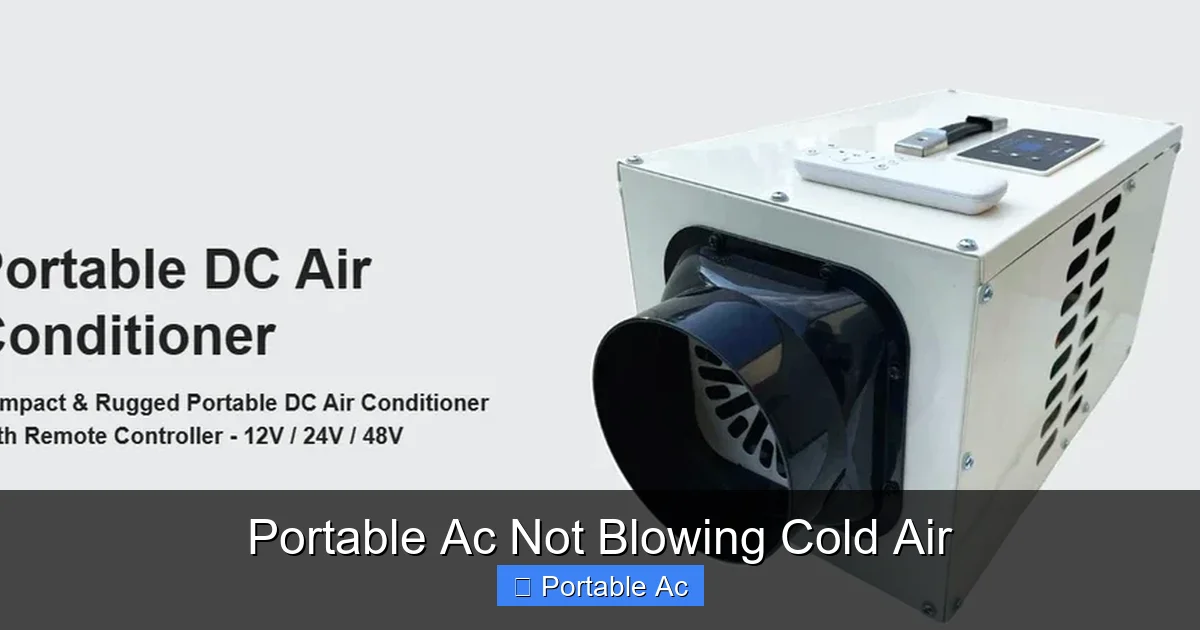
Visual guide about Portable Ac Not Blowing Cold Air
Image source: custom-images.strikinglycdn.com
When your portable AC isn’t blowing cold air, a systematic approach helps you pinpoint the problem without guesswork. Follow these steps in order, starting with the simplest fixes:
Step 1: Turn Off and Unplug the Unit
Before inspecting any internal components, always disconnect the power. Safety first—especially when dealing with water or electrical parts. This also gives the unit time to reset if there’s a temporary glitch.
Step 2: Check the Air Filter
Remove the filter and inspect it. If it’s dirty, clean or replace it. A clean filter ensures proper airflow and is the easiest fix for poor cooling.
Step 3: Inspect the Exhaust Hose
Look for kinks, bends, or blockages. Straighten the hose and ensure the outlet is clear. Reconnect it securely if needed.
Step 4: Clean the Coils
Access the coils and gently remove dust with a soft brush or cloth. Avoid using water directly on the coils unless the manual specifies it’s safe.
Step 5: Verify Thermostat Settings
Ensure the unit is set to cool mode and the temperature is lower than the room. Reset the thermostat if necessary.
Step 6: Listen for Unusual Noises
If the fan isn’t spinning or you hear grinding sounds, the motor or fan blade may be damaged. This usually requires professional repair.
Step 7: Call a Technician if Needed
If none of the above steps work, the issue may involve refrigerant, a failing compressor, or internal wiring. A certified technician can diagnose and fix complex problems safely.
Preventative Maintenance Tips
Visual guide about Portable Ac Not Blowing Cold Air
Image source: custom-images.strikinglycdn.com
Keeping your portable AC in top shape isn’t just about fixing problems—it’s about avoiding them. Regular maintenance ensures consistent performance and extends the life of your unit. Here’s how to keep your portable AC blowing cold air:
Clean or Replace Filters Weekly
Dust buildup is the number one enemy of airflow. Make it a habit to check the filter every week and clean or replace it as needed. This simple step can improve efficiency by up to 15%.
Keep the Area Around the Unit Clear
Don’t block the front vents or place items near the exhaust hose. At least 12 inches of clearance on all sides helps maintain airflow and prevents overheating.
Use a Portable AC Cover When Not in Use
If you’re not using the unit for a while, cover it to protect it from dust and debris. This is especially helpful in seasonal climates.
Schedule Annual Professional Maintenance
Even if your portable AC seems to be working fine, an annual inspection can catch small issues before they become big problems. A technician can check refrigerant levels, clean coils, and test internal components.
Choose the Right Size Unit for Your Room
An undersized portable AC will struggle to cool a large space, while an oversized one cycles on and off too frequently, reducing efficiency. Use a size calculator or consult a professional to pick the right model.
When to Call a Professional
While many portable AC issues can be fixed at home, some problems require expert attention. If you’ve tried all the troubleshooting steps and your unit still isn’t blowing cold air, it’s time to call a technician. Signs you need professional help include:
– Unusual noises like hissing, buzzing, or grinding
– Ice buildup on the coils
– Frequent short cycling (turning on and off rapidly)
– Strong chemical smells or smoke
– Refrigerant leaks or low refrigerant
Attempting to repair complex systems without proper training can be dangerous and may void your warranty. A certified HVAC technician has the tools and expertise to diagnose and fix internal issues safely.
Conclusion
A portable AC that’s not blowing cold air doesn’t mean it’s broken beyond repair. In most cases, the issue is due to something simple like a dirty filter, a kinked hose, or clogged coils. By understanding how your unit works and following a few basic maintenance steps, you can restore full cooling power without spending a fortune on repairs. Regular cleaning, proper setup, and timely troubleshooting go a long way in keeping your portable AC running efficiently.
If you’re in the market for a reliable portable AC that’s easy to maintain and built to last, consider models with easy-access filters and self-cleaning features. For those looking for budget-friendly options that still deliver strong performance, top-rated budget models offer excellent value. And if you’re upgrading to a newer, more efficient unit, check out our guide to the best premium portable ACs worth buying. With the right care and attention, your portable AC can keep you cool for years to come.
Frequently Asked Questions
Why is my portable AC not blowing cold air even though it’s on?
Several factors can cause this, including a clogged filter, improper hose setup, or low refrigerant. Start by checking the air filter and exhaust hose, then inspect for blockages or kinks.
How do I know if my portable AC has low refrigerant?
Signs include long cooling cycles, ice on the coils, or warm air blowing from the vents. These indicate the refrigerant level is too low for effective cooling.
Can a dirty filter really make my AC blow warm air?
Yes, a clogged filter restricts airflow, preventing the evaporator coil from cooling the air. Cleaning the filter often restores normal cooling performance.
Is it safe to clean the coils myself?
Yes, but be gentle and avoid using water unless the manual allows it. Use a soft brush or coil cleaner to remove dust without damaging the fins.
How long should a portable AC last before it stops cooling?
Most portable ACs last 5–10 years with proper maintenance. If yours is older than 7 years and suddenly stops blowing cold air, it may be due to a failing compressor or refrigerant leak.
What’s the easiest fix for warm air from a portable AC?
Check and clean the air filter first—it’s the most common and easiest fix. If that doesn’t work, inspect the exhaust hose and ensure it’s properly connected and unobstructed.
