
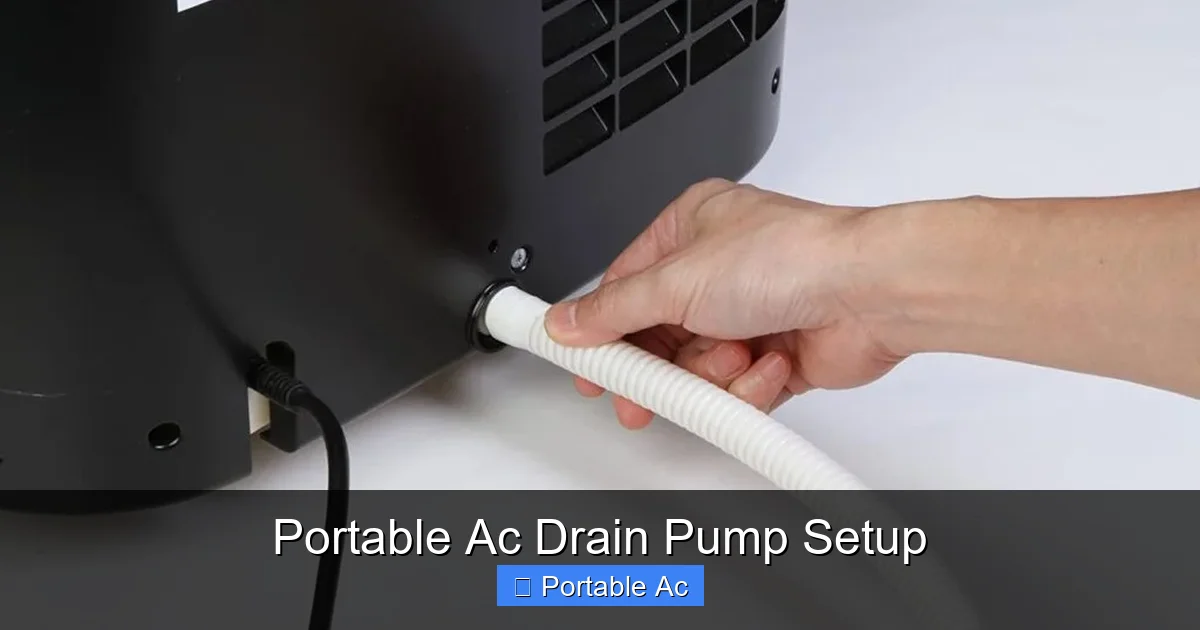
Setting up a portable AC drain pump is simple and essential for preventing water leaks and maintaining optimal performance. This guide walks you through the entire process—from choosing the right pump to troubleshooting common issues—so your portable AC runs smoothly all summer long. Whether you’re dealing with a full drain pan or just want peace of mind, a properly installed portable AC drain pump setup keeps things cool and dry.
Key Takeaways
- Prevents water damage: A drain pump safely removes condensation, avoiding leaks and floor damage.
- Enables flexible placement: With a pump, your portable AC isn’t limited to rooms with floor drains.
- Easy DIY installation: Most systems require just a few tools and basic plumbing know-how.
- Reduces maintenance: Automated drainage means fewer manual checks and emptying.
- Boosts AC efficiency: Proper drainage ensures consistent cooling performance.
- Compatible with most models: Universal pumps work with popular portable AC brands.
- Safety first: Always unplug the unit before starting any installation or maintenance.
Quick Answers to Common Questions
What is a portable AC drain pump?
It’s a small device that lifts and pumps condensation water from your portable AC to a drain, eliminating the need for constant manual emptying.
Can I install a drain pump myself?
Yes, most portable AC drain pump setups are DIY-friendly and require only basic tools and a few minutes of time.
Do all portable ACs need a drain pump?
No, many have gravity drainage, but a pump adds flexibility and prevents leaks in rooms without floor drains.
How high can a drain pump lift water?
Most lift water up to 10–20 feet vertically, depending on the model. Check specifications for exact lift height.
What should I do if water still leaks after setup?
Double-check hose connections, ensure proper slope, and confirm the pump is primed. If leaks persist, consult your manual or a technician.
📑 Table of Contents
- Why You Need a Portable AC Drain Pump Setup
- Choosing the Right Drain Pump for Your Portable AC
- Tools and Materials You’ll Need
- Step-by-Step Portable AC Drain Pump Setup
- Common Mistakes to Avoid
- Maintenance Tips for Long-Term Performance
- When to Call a Professional
- Conclusion: Cool, Dry, and Leak-Free
Why You Need a Portable AC Drain Pump Setup
Portable air conditioners are a lifesaver during hot summer months, especially in apartments, rentals, or homes without window units. But here’s the catch: these units produce condensation as they cool the air. Without proper drainage, that water can back up, leak, or even flood your room. That’s where a portable AC drain pump setup comes in.
A drain pump lifts the condensed water from the AC’s internal drain pan up and out through a hose, typically to a floor drain, sink, or outside. This simple upgrade eliminates the need to constantly monitor or manually empty a water collection tray. It also lets you place your portable AC anywhere—no drain nearby required. Whether you’re cooling a basement, bedroom, or home office, a reliable drain pump ensures your unit runs efficiently and safely.
Think of it like giving your AC a smart plumbing system. Instead of relying on gravity to drain water, the pump actively moves it where you want it. This not only prevents leaks but also reduces the risk of mold, mildew, or water damage. Plus, with modern pumps designed for quiet operation, you won’t even notice it’s there—until your AC stops leaking, that is.
Choosing the Right Drain Pump for Your Portable AC
Not all drain pumps are created equal. Before diving into installation, you’ll need to pick one that matches your AC’s needs. Here’s what to look for:
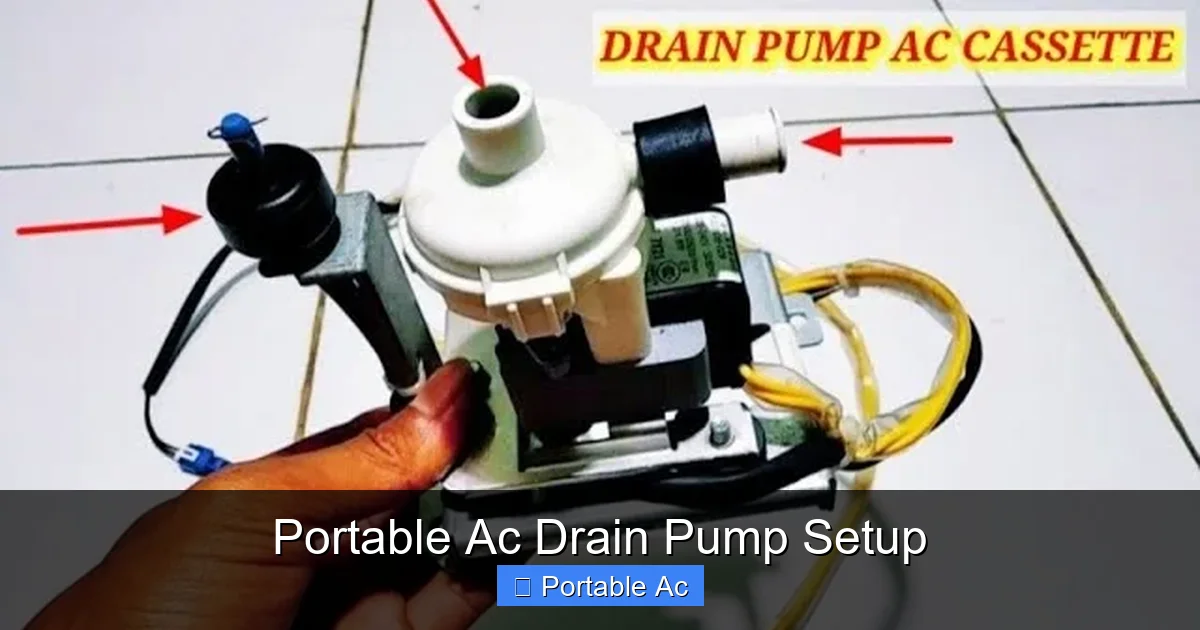
Visual guide about Portable Ac Drain Pump Setup
Image source: i.ytimg.com
Flow Rate and Lift Height
Check your AC’s manual for the recommended pump specifications. Most portable ACs require a pump that can handle a flow rate of at least 100–200 mL per minute. The lift height—how far the pump can push water upward—should exceed your installation needs. For example, if you’re pumping to a ceiling-mounted drain or a second-floor bathroom, you’ll need a high-lift model.
Compatibility
Ensure the pump fits your AC’s drain outlet. Most use a standard 3/8-inch or 1/2-inch hose connection. Some universal kits come with adapters for multiple brands. If you’re unsure, measure the outlet or check the AC’s model number against the pump’s compatibility list.
Power Source
Most portable AC drain pumps run on standard 120V outlets. Some models include a built-in power supply that plugs directly into the AC, while others need a separate outlet. Choose based on convenience and safety—never overload a circuit.
For example, if you’re setting up in a rental with limited outlets, a self-powered pump might be ideal. On the other hand, if you plan to move the AC frequently, a lightweight, compact model with a long cord will give you more flexibility.
Tools and Materials You’ll Need
Before you start, gather these essentials. Most are common household items, and you probably already have them on hand.
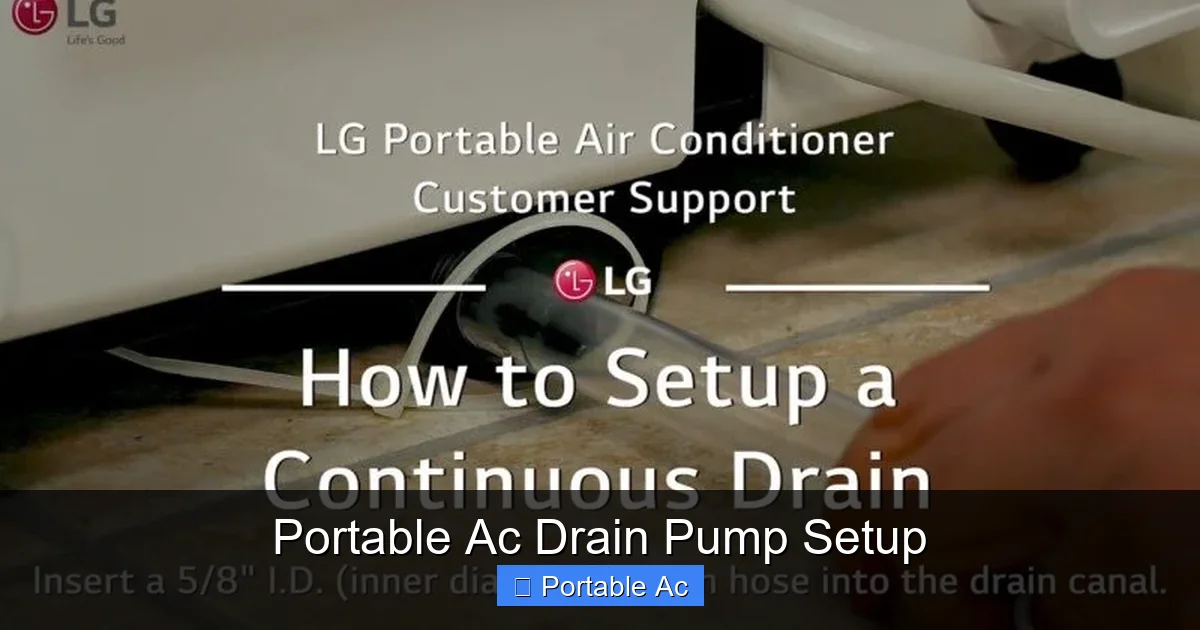
Visual guide about Portable Ac Drain Pump Setup
Image source: bestdehumidifierchoice.com
- Drain pump kit: Includes the pump, tubing, and fittings (usually 3/8-inch or 1/2-inch).
- Measuring tape: To determine hose length and placement.
- Scissors or utility knife: For cutting tubing to size.
- Zip ties or clamps: To secure hoses in place.
- Bucket or towel: In case of spills during setup.
- Screwdriver: If your AC has removable panels for access.
Optional but helpful: a level to ensure the AC is properly positioned, and a flashlight if you’re working in a dimly lit space. Always work in a well-ventilated area and keep the AC unplugged during installation.
Step-by-Step Portable AC Drain Pump Setup
Ready to install? Follow these steps for a safe and effective portable AC drain pump setup. We’ll walk you through everything from opening the unit to testing the system.
Step 1: Unplug the AC
Safety first. Disconnect the unit from the power source before opening any panels. This prevents accidental shocks or short circuits.
Step 2: Locate the Drain Port
Find the drain outlet on your portable AC. It’s usually a small plastic tube near the bottom of the unit, often behind a removable panel. Refer to your user manual if you’re unsure. Some models have a dedicated “drain” label or a small cap covering the port.
Step 3: Attach the Pump Hose
Connect one end of the drain hose (from the pump kit) to the AC’s drain port. Use a secure clamp or zip tie to prevent leaks. If the connection feels loose, wrap it with Teflon tape for a tighter seal.
Step 4: Route the Discharge Hose
Run the other end of the hose to your chosen drain location—a sink, floor drain, or outside. Keep the hose elevated slightly to prevent backflow. Avoid sharp bends or sagging sections that could block water flow.
Step 5: Plug in and Test
Reconnect the AC to power and turn it on. Let it run for 10–15 minutes. Check for leaks at all connections. If water flows smoothly and doesn’t back up, you’re good to go. If not, recheck the hose connections and ensure the pump is properly primed.
Pro tip: Place a towel under the AC initially to catch any drips while testing. This gives you peace of mind and prevents water damage during the first run.
Common Mistakes to Avoid
Even with the right tools and instructions, mistakes can happen. Here are the most common errors in portable AC drain pump setup—and how to fix them.
- Improper hose slope: If the hose slopes downward from the pump to the drain, water won’t flow. Always maintain a slight upward angle from the pump outlet.
- Overtightening connections: This can crack the drain port or damage the hose. Hand-tighten only—use a wrench if needed, but gently.
- Using the wrong hose size: A hose too small restricts flow; one too large may slip off. Match the diameter to your pump kit specifications.
- Ignoring priming: Some pumps need to be filled with water before starting. Check the manual—if required, pour a small amount into the pump chamber.
- Placing the pump below the drain: The pump must be higher than the drain point for water to flow out. Otherwise, it won’t work at all.
For example, if you’re setting up in a basement with no floor drain, consider using a pump that discharges to a bucket or sump pump. Some models even include a float switch that shuts off the AC if water reaches a dangerous level.
Maintenance Tips for Long-Term Performance
A well-installed drain pump isn’t maintenance-free—but it’s far easier to manage than constant manual draining. Follow these tips to keep your system running smoothly.
- Inspect monthly: Check hoses for cracks, kinks, or leaks. Replace any damaged parts immediately.
- Clean the pump filter: If your pump has a removable filter, clean it every 2–3 weeks to prevent clogs.
- Flush the system: Every few months, run clean water through the hose to remove mineral buildup, especially in hard water areas.
- Keep the area dry: Ensure the pump and hoses are stored in a dry place when not in use to prevent mold or corrosion.
Also, consider using a portable AC cleaning kit to maintain the entire unit. Regular cleaning improves efficiency and extends the life of your pump and AC. For more on this, check out our guide on Best Portable AC Cleaning Kit.
When to Call a Professional
While most portable AC drain pump setup tasks are DIY-friendly, there are times to call in an expert. If you notice:
- Water still leaking despite proper installation
- Unusual noises from the pump (grinding or rattling)
- Overheating or electrical issues
- The pump won’t start or seems to lose power
These could signal deeper problems like a faulty pump motor, electrical short, or internal AC damage. A technician can diagnose and repair issues safely. In rare cases, modifying your AC may void the warranty, so it’s worth checking before making changes.
Conclusion: Cool, Dry, and Leak-Free
Setting up a portable AC drain pump is a simple upgrade that makes a big difference. It prevents water damage, gives you placement flexibility, and reduces the hassle of constant monitoring. With the right pump, tools, and a few minutes of your time, you can enjoy reliable, leak-free cooling all summer.
Remember: always prioritize safety, double-check connections, and follow the manufacturer’s guidelines. Whether you’re cooling a home office, rental apartment, or temporary space, a properly installed drain pump keeps your environment dry and comfortable.
For more tips on optimizing your portable AC setup, explore our guides on Best Portable AC With Easy Setup and How to Install Portable AC Hose. And if you’re shopping for a new unit, don’t miss our picks for Best Portable AC Under $400, designed with easy drainage in mind.
Frequently Asked Questions
How do I know if my portable AC needs a drain pump?
If your AC is placed far from a drain or you frequently get water overflow, a drain pump is a smart upgrade. It’s especially useful in basements or rooms without floor drains.
Can I use any drain pump with my portable AC?
Not always. Check your AC’s drain outlet size and flow requirements. Most universal kits work with standard 3/8-inch connections, but compatibility varies.
How often should I clean the drain pump?
Clean the pump filter every 2–3 weeks, and flush the entire system monthly to prevent clogs and mineral buildup.
Is a drain pump safe to use indoors?
Yes, as long as it’s properly installed and discharges to a safe location like a sink or floor drain. Avoid placing the pump near electrical outlets or furniture.
What happens if the drain pump fails?
The AC may stop cooling or shut off automatically to prevent water damage. Regular maintenance helps avoid this.
Can I install a drain pump on older portable AC models?
Yes, many universal pumps work with older models. Just verify hose size and power requirements before purchasing.
