

Your portable AC hose getting hot is usually normal—but excessive heat may signal airflow issues or insulation problems. The exhaust hose carries warm air outside, so some warmth is expected. However, if it’s dangerously hot or your AC isn’t cooling well, it could mean blocked vents, poor hose setup, or a failing unit. Simple fixes like checking airflow, insulating the hose, or upgrading to a dual-hose model can restore performance and safety.
Your portable AC is doing its job—cooling your space by expelling hot air through the exhaust hose. But if you’ve noticed the hose getting unusually hot, you might be wondering: Is this normal? Should I be concerned? The short answer? A slightly warm hose is usually fine, but excessive heat could point to underlying issues that affect performance and safety.
Portable ACs rely on a refrigeration cycle to cool indoor air. They absorb heat from your room and release it outside via the exhaust hose. As the system works, the hose naturally becomes warm—sometimes even hot—depending on the model, ambient temperature, and setup. However, if the heat is extreme or your AC isn’t cooling effectively, it’s time to investigate.
This guide dives deep into why your portable AC hose is getting hot, what’s safe, what’s not, and how to fix it. Whether you’re troubleshooting a DIY problem or considering an upgrade, we’ll walk you through everything you need to know—step by step.
Key Takeaways
- Normal vs. Excessive Heat: A slightly warm hose is normal; if it’s too hot to touch or emits strong heat, something may be wrong.
- Airflow Blockage: Dirty filters, kinked hoses, or blocked exhaust vents reduce efficiency and cause overheating.
- Insulation Matters: Exposed hoses in warm areas lose cooling power—insulating them improves performance.
- Dual-Hose Advantage: Dual-hose portable ACs pull in cool air and expel hot air separately, reducing hose heat significantly.
- Unit Maintenance: Regular cleaning and proper setup prevent overheating and extend your AC’s lifespan.
- Safety First: Never block the exhaust port or use damaged hoses—this can cause fire hazards or poor cooling.
- Upgrade Options: If your single-hose unit runs hot constantly, consider switching to a more efficient model.
Quick Answers to Common Questions
Is it normal for a portable AC hose to get hot?
Yes, a warm hose is normal because it expels hot air from the cooling process. However, if it’s too hot to touch or emits a burning smell, there may be an issue.
Why is my portable AC hose hotter than usual?
This could be due to blocked airflow, a kinked hose, high outdoor temperatures, or a failing compressor. Check the filter, hose setup, and ambient conditions first.
Can a hot hose damage my portable AC?
Not directly, but excessive heat may indicate strain on the compressor or refrigerant issues, which can shorten the unit’s lifespan if ignored.
How do I stop my portable AC hose from overheating?
Clean the filter, straighten the hose, insulate it, and ensure proper ventilation. If problems persist, consider upgrading to a dual-hose model.
Should I replace my portable AC if the hose is always hot?
Only if the unit is old, inefficient, or frequently overheats. Otherwise, try troubleshooting first. Check our guide on best portable AC for hot climates for better options.
📑 Table of Contents
Why Is My Portable AC Hose Getting Hot?
When your portable AC runs, it pulls in warm air from your room, cools it using refrigerant, and pushes the now-warm air back out through the exhaust hose. That heat is a byproduct of the cooling process. Think of it like a radiator on a car—hot air must go somewhere.
In single-hose models, the entire system is under pressure. The hose carries both the cooled air being pulled in and the hot air being expelled. This dual function makes the hose warmer than in dual-hose units, where cool and hot air flows are separated.
So yes—some heat is normal. But how hot is too hot? If the hose feels warm but not scalding, your unit is likely working fine. However, if it’s hot enough to burn your skin, emits a strong odor, or your room isn’t cooling down, there’s likely a problem.
Common Causes of a Hot Portable AC Hose
Understanding why your hose is getting hot starts with identifying the root cause. Below are the most frequent reasons:
1. Poor Airflow Due to Blocked Filters or Vents
A clogged air filter or blocked intake/exhaust vents restrict airflow. When air can’t flow freely, the AC works harder, generating more heat. This excess heat is then pushed through the hose, making it hotter than usual.
For example, if you’ve been running your AC continuously for weeks without cleaning, dust and debris accumulate in the filter. This forces the compressor to overwork, increasing heat output.
Solution: Clean or replace the filter every 1–2 weeks, especially during peak cooling season. Also, check that all vents are unobstructed.
2. Kinked or Improperly Installed Hose
If the exhaust hose is bent, twisted, or too long, it restricts airflow. This creates backpressure, forcing the system to work harder and produce more heat.
Imagine trying to blow through a kinked straw—it’s harder, right? Same principle applies to your AC. A kinked hose reduces efficiency and causes the unit to overheat.
Solution: Ensure the hose is straight and not coiled tightly. Keep it under 10 feet and use only the length recommended by the manufacturer.
3. High Ambient Temperatures Outside
If the air outside your window or vent is already hot (above 90°F), the AC has to work harder to reject heat. This increases the temperature of the exhaust air, making the hose feel hotter.
For instance, during a heatwave, even a well-functioning AC may struggle to expel enough heat, leading to elevated hose temperatures.
Solution: Use shading techniques—close blinds or install a window kit to reduce direct sun exposure. Consider upgrading to a more powerful unit if you live in consistently hot climates.
4. Insufficient Hose Insulation
Exposed exhaust hoses in warm outdoor spaces lose heat quickly. This forces the AC to compensate by running longer cycles, which generates more heat and warms the hose.
In uninsulated setups, especially in garages or sun-exposed windows, the hose can become significantly hotter due to environmental heat gain.
Solution: Wrap the hose with thermal insulation sleeves. This keeps the internal air cooler and reduces external heat absorption. For more tips, check out our guide on how to insulate portable AC hose.
5. Faulty Compressor or Refrigerant Issues
Over time, the compressor—the heart of your AC—can wear out or develop refrigerant leaks. A failing compressor doesn’t cool efficiently, so it produces more heat as it struggles to maintain performance.
You might notice your AC running constantly, making loud noises, or failing to cool the room—even if the hose is hot.
Solution: Contact a certified technician. DIY refrigerant handling is dangerous and often illegal. If your unit is old or frequently overheats, consider replacing it.
Is It Safe for the Hose to Get Hot?
Yes and no. A warm hose is generally safe and expected. But if it’s too hot, there could be risks.
Safe Heat Level: The hose should feel warm—like a hot shower hose after a few minutes of use. It shouldn’t be so hot that you can’t touch it for more than a second.
Danger Signs:
– The hose emits a burning smell
– The unit overheats or shuts off frequently
– Water leaks near the hose connection
– The room isn’t cooling despite normal operation
If you notice any of these, turn off the AC immediately and inspect the system. Overheating can damage internal components or, in rare cases, pose a fire risk.
How to Fix a Hot Portable AC Hose
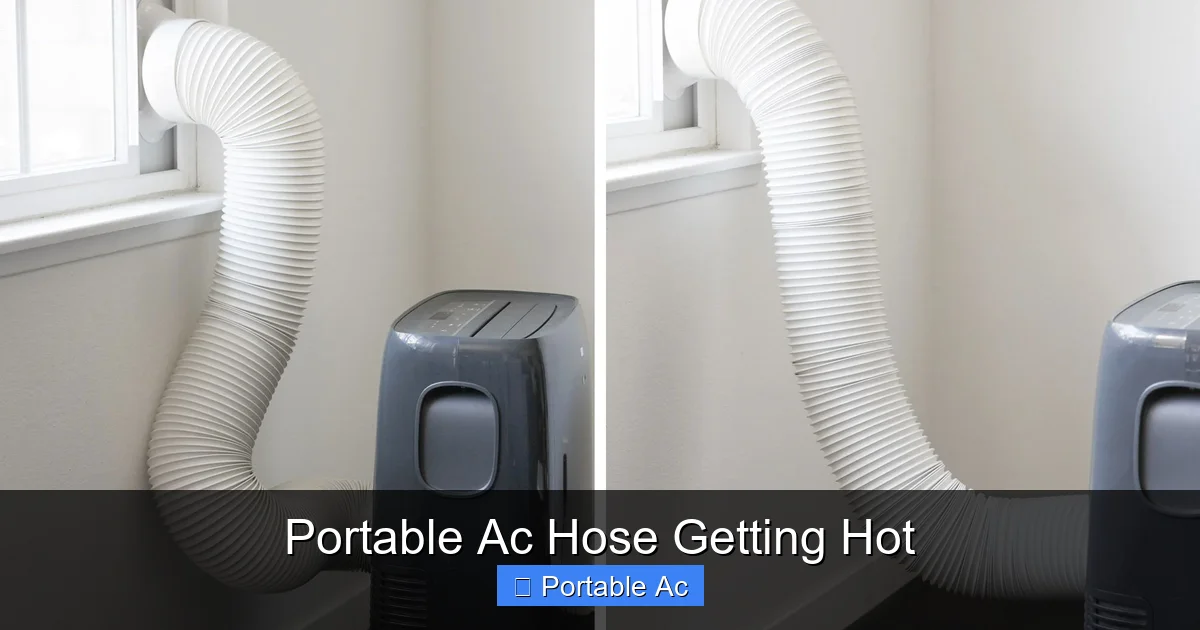
Visual guide about Portable Ac Hose Getting Hot
Image source: smartacsolutions.com
Don’t panic—most hot hose issues are fixable. Here’s a step-by-step guide to troubleshoot and resolve the problem:
Step 1: Turn Off and Unplug the Unit
Safety first. Always disconnect the AC before inspecting or cleaning.
Step 2: Clean the Air Filter
Remove the filter and rinse it under cool water. Let it dry completely before reinstalling. A clean filter ensures smooth airflow.
Step 3: Inspect the Exhaust Hose
Check for kinks, bends, or obstructions. Straighten the hose and ensure it’s not coiled tightly near the unit. If it’s too long, replace it with a shorter one (if possible).
Step 4: Insulate the Hose
Wrap the hose with foam insulation or heat-resistant tape. This reduces heat gain from the environment and improves efficiency.
Step 5: Check the Exhaust Window Kit
Make sure the window vent is properly sealed. Gaps let hot air re-enter the room, making the AC work harder. Use foam seals or adjustable brackets for a tight fit.
Step 6: Monitor Performance
After cleaning and adjusting, run the AC for 30 minutes. Use a thermometer to check if the room temperature drops. If not, consider professional inspection.
Should You Upgrade to a Dual-Hose Portable AC?
If your single-hose unit’s hose is always hot and your cooling isn’t great, a dual-hose model might be worth considering. Dual-hose portable ACs pull in cool air from outside and expel hot air separately—this design reduces internal heat buildup and keeps the exhaust hose cooler.
For example, models like the Best Portable AC With Dual Hose System offer better efficiency and comfort, especially in warm climates.
Dual-hose units are slightly more expensive but often worth the investment for consistent cooling and reduced hose heat.
Preventive Maintenance Tips
Keep your portable AC running smoothly with these simple habits:
- Clean the filter weekly. Dust buildup is the #1 cause of poor airflow.
- Insulate the hose. Use foam sleeves or tape to reduce heat absorption.
- Keep the unit level. Uneven placement affects drainage and airflow.
- Use a surge protector. Protect your AC from power spikes.
- Schedule annual servicing. A technician can check refrigerant and components.
When to Call a Professional
While many hot hose issues are DIY-friendly, some situations require expert help:
– The AC won’t turn on or shuts off repeatedly
– You hear unusual noises (grinding, clicking)
– There’s a refrigerant leak (hissing sound, oily residue)
– The unit is over 5–7 years old and frequently overheats
A certified technician can diagnose internal issues like compressor failure or refrigerant leaks. Attempting repairs without proper training can void your warranty or cause injury.
Frequently Asked Questions
Can I touch the hot portable AC hose?
You can briefly touch a warm hose, but if it’s too hot to hold for more than a few seconds, it may indicate a problem. Always prioritize safety and inspect the unit.
Does hose heat affect cooling performance?
Yes. If the hose is too hot, it means the AC is struggling to expel heat, which reduces cooling efficiency and increases energy use.
How long should a portable AC hose stay warm?
It should stay warm only while the unit is running. Once turned off, it should cool down within minutes.
Can insulation fix a hot hose?
Yes. Insulating the hose reduces heat absorption from the environment, helping the AC work more efficiently and keeping the hose cooler.
Is a dual-hose AC better than a single-hose one?
Generally, yes. Dual-hose models pull in cool air and expel hot air separately, reducing internal heat and keeping the exhaust hose cooler.
What should I do if my portable AC hose smells burnt?
Turn off and unplug the unit immediately. A burnt smell may indicate electrical issues or overheating components—call a technician for inspection.
