
Weak airflow from your portable AC can ruin comfort and cooling efficiency. Common causes include clogged filters, blocked vents, or improper hose setup. Simple fixes like cleaning, repositioning, and checking settings can restore strong airflow fast. This guide walks you through every step to diagnose and solve the issue, helping your portable AC work like new again.
If you’re dealing with a portable AC that’s blowing warm or weak air, you’re not alone. Many users face the frustrating issue of portable ac airflow weak—especially during peak summer months. Whether you’re cooling a small bedroom, home office, or living area, weak airflow can make your unit feel ineffective and leave you sweating through the night. But don’t worry—this isn’t always a sign of a broken machine. Often, the solution is simple: identify the root cause and apply a few quick fixes.
Portable air conditioners work by pulling in warm air, cooling it through an internal refrigerant system, and then pushing the chilled air back into the room. At the same time, they expel hot air through an exhaust hose. If any part of this process is blocked or malfunctioning, the airflow weakens. Understanding how your unit operates helps you troubleshoot faster and keep it running efficiently.
In this guide, we’ll walk through everything you need to know about diagnosing and fixing weak airflow in portable ACs. From cleaning filters to checking hose connections, we’ll cover practical steps you can take today. Plus, we’ll share expert tips to prevent the problem from returning. Let’s get your cool air flowing strong again.
Key Takeaways
- Clogged or dirty filters are a top cause of weak airflow in portable ACs. Replacing or cleaning them regularly restores performance.
- Blocked air vents or exhaust hoses restrict airflow. Make sure nothing blocks the intake or exhaust paths.
- Incorrect hose routing can reduce cooling power. Ensure the exhaust hose exits properly through a window or vent.
- Low refrigerant levels or compressor issues may require professional attention, especially if the unit is old or under warranty.
- Room size mismatches lead to poor airflow. Choose a portable AC rated for your room’s square footage.
- Using the unit in high humidity can reduce airflow effectiveness. Dehumidify first or use a fan to improve circulation.
- Regular maintenance keeps airflow strong. Schedule monthly checks to avoid long-term performance drops.
Quick Answers to Common Questions
Why is my portable AC blowing weak air?
Weak airflow is often caused by clogged filters, blocked vents, or improper hose setup. Cleaning the filter and ensuring clear airflow paths usually solves the issue.
How often should I clean my portable AC filter?
Clean or replace the filter every 2–4 weeks during heavy use. In dusty environments, check it weekly to prevent airflow blockage.
Can a kinked exhaust hose reduce airflow?
Yes, a kinked or bent exhaust hose creates backpressure, reducing cooling efficiency and airflow. Always keep the hose straight and unobstructed.
Is weak airflow a sign of a broken compressor?
Not always. While a failing compressor can cause weak airflow, most cases are due to maintenance issues. Check filters and vents first before assuming a mechanical failure.
How do I know if my portable AC is too small for my room?
If the unit runs constantly without cooling the room, or blows warm air, it may be underpowered. Check the BTU rating against your room size—use a calculator or consult the manual.
📑 Table of Contents
Common Causes of Weak Airflow in Portable ACs
When your portable AC isn’t blowing as much air as it used to, several factors could be at play. Most of the time, the issue isn’t with the compressor—though that’s possible—but rather with maintenance or setup. Let’s break down the most frequent culprits behind weak airflow.
Dirty or Clogged Air Filters
The air filter is the first line of defense against dust, pet dander, and allergens. Over time, it gets packed with debris, reducing airflow. A clogged filter forces the AC to work harder, which can lead to weaker air output and even overheating. Most portable ACs have washable or replaceable filters. Check yours every 2–4 weeks during heavy use.
Blocked Air Intake or Exhaust Vents
Your portable AC pulls in room air through intake vents and pushes out cooled air through exhaust vents. If furniture, curtains, or other objects block these openings, airflow drops dramatically. The same goes for the exhaust hose—if it’s kinked, bent, or obstructed, hot air can’t escape efficiently, reducing cooling power.
Improper Exhaust Hose Installation
One of the biggest mistakes users make is not routing the exhaust hose correctly. The hose must exit through a window or vent and extend far enough outside to allow hot air to dissipate. If the hose is too short, coiled tightly, or not sealed properly, it creates backpressure, weakening airflow. Always follow the manufacturer’s guidelines for hose length and placement.
Room Size vs. AC Capacity Mismatch
Portable ACs come in different cooling capacities, measured in BTUs. If your unit is too small for the room it’s cooling, it won’t produce strong airflow because it’s constantly running but unable to keep up. For example, a 10,000 BTU unit works well in a 300 sq ft room but struggles in a 500 sq ft space. Always check the recommended square footage before buying.
High Humidity Levels
In humid climates, your portable AC has to work harder to remove moisture. While it cools the air, it also condenses water, which drips into a collection tank. If the tank is full or the drainage system is clogged, the unit may shut down or reduce airflow to prevent damage. Regularly empty the tank and clean the drain line to maintain performance.
Step-by-Step Fixes for Weak Airflow
Visual guide about Portable Ac Airflow Weak
Image source: tomsheatandair.com
Now that you know why your portable AC might have weak airflow, let’s go through practical solutions. These steps are easy to follow and can make a big difference in just a few minutes.
Clean or Replace the Air Filter
Start by turning off the unit and locating the air filter—usually behind a front panel or grille. Remove it and check for dirt buildup. If it’s reusable, rinse it under lukewarm water with mild soap, let it dry completely, and reinstall. If it’s disposable, replace it with a new one. A clean filter allows smooth airflow and improves cooling efficiency.
Clear Blocked Vents and Hoses
Inspect all vents on the unit—both intake and exhaust. Remove any dust, lint, or obstructions. Then check the exhaust hose: make sure it’s not kinked, crushed, or blocked by furniture. Straighten it out and ensure it extends fully outside the window. A straight, unobstructed hose improves airflow by up to 30%.
Reposition the Portable AC
Where you place your unit matters. Avoid putting it near walls, corners, or under low ceilings. These positions restrict air intake. Instead, place it in the center of the room with at least 6–12 inches of clearance around it. This allows for better air circulation and stronger airflow.
Check the Exhaust Hose Connection
Make sure the exhaust hose is securely connected to both the unit and the window kit. A loose connection can cause leaks and reduce airflow. Use the included window bracket to anchor the hose firmly. For added stability, seal gaps around the window with foam tape to prevent hot air from re-entering the room.
Upgrade to a Larger Unit (If Needed)
If your room is larger than the AC is rated for, consider upgrading to a more powerful model. A portable AC with higher BTU output will push more air and cool faster. For reference, here’s a quick guide:
- 5,000–8,000 BTU: up to 250 sq ft
- 8,500–10,000 BTU: up to 350 sq ft
- 12,000–14,000 BTU: up to 550 sq ft
Choosing the right size prevents weak airflow and saves energy.
Preventing Weak Airflow in the Future
Once you’ve fixed the airflow issue, you’ll want to keep it from happening again. Prevention is easier and cheaper than repairs. Here’s how to maintain strong airflow long-term.
Schedule Monthly Maintenance
Set a reminder to clean the filter and vents every 30 days. During summer, you may need to do this every two weeks. Regular cleaning prevents dust buildup and keeps the system running smoothly. It’s a small effort that pays off in better performance.
Use a Portable AC with Dual Hose System
If your current unit has a single hose, consider upgrading to one with a dual hose system. Dual hoses pull cool air from outside and expel hot air more efficiently, reducing internal pressure and improving airflow. Units like the best portable AC with dual hose system offer superior performance and stronger air output.
Keep the Exhaust Hose Extended
Always use the full length of the exhaust hose. If it’s too long, coil it loosely outside the window instead of bending it sharply. Sharp bends create resistance, weakening airflow. The goal is a smooth, straight path for hot air to exit.
Monitor Humidity and Use a Dehumidifier
In humid environments, combine your portable AC with a dehumidifier. Lower humidity means the AC works less hard to cool the air, improving airflow and efficiency. You’ll also feel more comfortable because dry air feels cooler than humid air at the same temperature.
Choose the Right Portable AC for Your Space
Before buying, measure your room and match it to the AC’s cooling capacity. For small apartments or bedrooms, a compact model like the best portable AC for city apartments offers strong airflow in tight spaces. For larger areas, look into models rated for bigger rooms.
When to Call a Professional
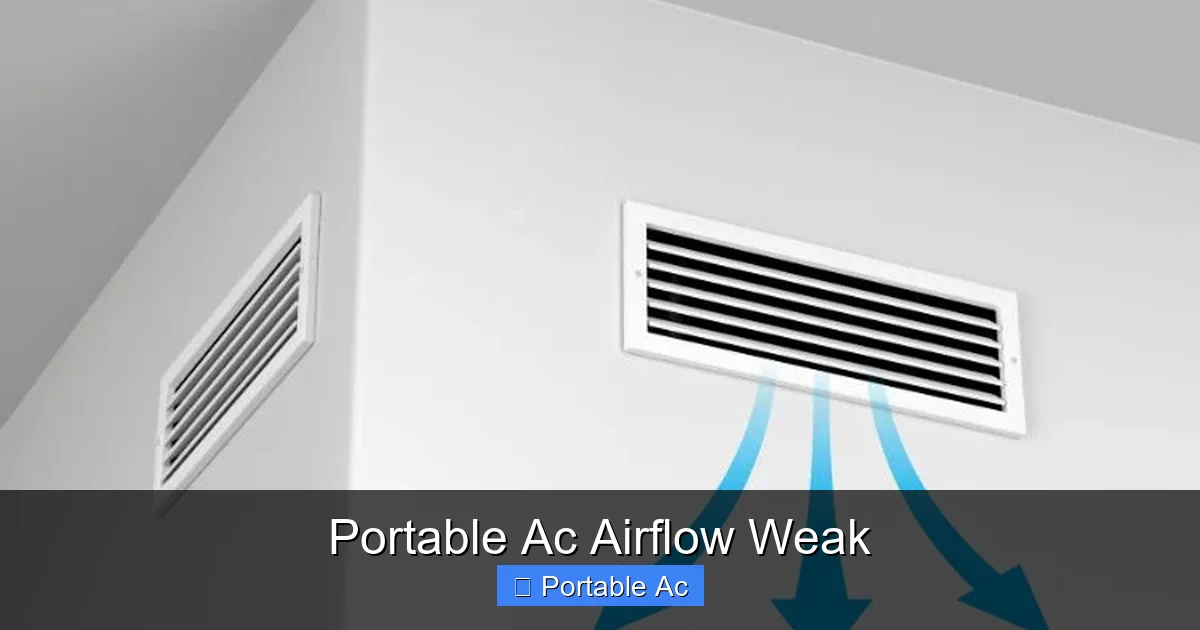
Visual guide about Portable Ac Airflow Weak
Image source: velocityairconditioning.com
While most airflow issues are fixable at home, some problems require expert help. If you’ve tried all the steps above and your portable AC still blows weak air, it might be time to call a technician.
Signs You Need Professional Help
- The unit is making unusual noises (grinding, buzzing, or rattling)
- It’s leaking water despite a full tank
- There’s no cold air at all, even after cleaning
- The compressor is running nonstop without cooling
- Your unit is under warranty and needs servicing
These could indicate internal issues like refrigerant leaks, compressor failure, or electrical problems. Attempting DIY repairs on such units can void your warranty or cause further damage.
Choosing a Reliable Service Provider
Look for HVAC technicians with experience in portable ACs. Ask for references, check online reviews, and confirm they offer service guarantees. A trusted technician can diagnose the problem accurately and fix it safely.
Top Portable ACs with Strong Airflow
If weak airflow is a recurring issue with your current unit, it might be time for an upgrade. Some models are specifically designed for strong, consistent airflow. Here are a few top picks based on performance and user reviews.
The best portable AC for home office offers quiet operation and powerful airflow perfect for focused workspaces. It includes a remote control and sleep mode for convenience. Another excellent choice is the best portable AC under $400, which balances performance and affordability without sacrificing airflow strength.
For those in humid regions, the best portable AC for tropical weather features enhanced dehumidification and strong air circulation to combat sticky indoor air. These models are tested for real-world performance, ensuring you get reliable airflow day after day.
Final Thoughts
Dealing with weak airflow from your portable AC doesn’t have to be a summer-long struggle. Most of the time, the issue stems from simple causes like dirty filters or blocked vents. By cleaning regularly, checking hose connections, and placing the unit correctly, you can restore strong, cool airflow in minutes.
Remember, prevention is key. Monthly maintenance and choosing the right unit for your space can save you time, money, and discomfort. And if the problem persists, don’t hesitate to seek professional help.
With the right care and attention, your portable AC can deliver powerful, consistent airflow all season long. Stay cool, stay comfortable, and enjoy the freedom that comes with reliable portable cooling.
Frequently Asked Questions
How can I improve weak airflow from my portable AC?
Start by cleaning the air filter and checking for blocked vents or a kinked exhaust hose. Reposition the unit for better air circulation and ensure the hose exits properly. These steps often restore strong airflow.
Does a dirty filter cause weak airflow?
Yes, a clogged filter restricts air intake, forcing the unit to work harder and reducing airflow. Regular cleaning prevents this and improves overall performance.
Can humidity affect portable AC airflow?
High humidity increases the AC’s workload as it removes moisture. If the drain tank is full or clogged, the unit may reduce airflow to protect itself. Empty the tank regularly to maintain performance.
Should I replace my portable AC if airflow is weak?
Only if the unit is old, under warranty, or has internal damage. Most airflow issues are fixable with cleaning and maintenance. Try the troubleshooting steps first before replacing.
What’s the best way to route the exhaust hose?
Route the hose straight out the window using the provided bracket. Avoid sharp bends and ensure it extends fully outside. Seal gaps with foam tape to prevent hot air from re-entering.
Can using a fan improve portable AC airflow?
Yes, a ceiling or oscillating fan helps circulate cool air throughout the room, making the AC feel more effective even if its airflow is slightly weak. It enhances overall comfort and perceived cooling.
