
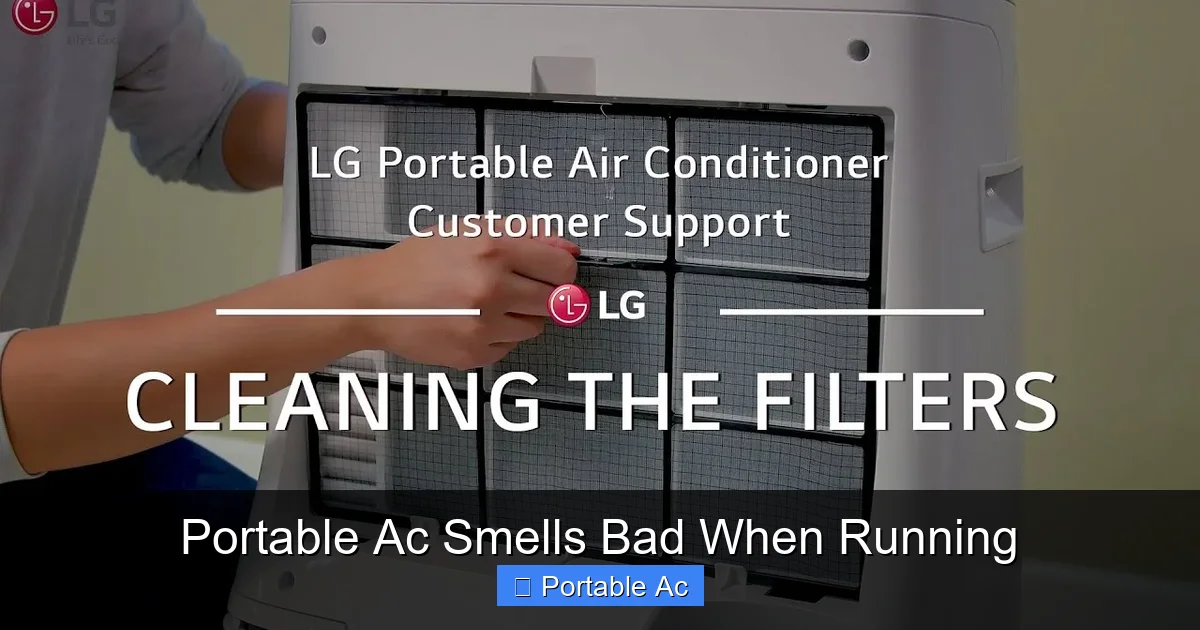
Portable ACs can develop unpleasant odors when running due to mold, mildew, or dirty filters. These smells usually stem from trapped moisture and debris in the unit’s internal components. With regular cleaning and maintenance, most odor issues can be eliminated quickly and safely.
Key Takeaways
- Mold and Mildew Growth: Moisture buildup inside the portable AC creates ideal conditions for mold and mildew, which produce foul odors when the unit runs.
- Dirty Air Filters: Clogged or uncleaned filters trap dust, pollen, and bacteria, leading to musty smells that get blown into your room.
- Exhaust Hose Contamination: If the exhaust hose isn’t properly vented or cleaned, condensation and debris can accumulate and emit bad odors.
- Drain Pan Issues: A clogged or overflowing drain pan allows stagnant water to breed bacteria, causing sour or rotten smells.
- Refrigerant Line Problems: Rarely, refrigerant leaks or chemical reactions in older units may contribute to unusual scents during operation.
- Prevention Through Maintenance: Regular filter changes, hose cleaning, and full-unit inspections prevent most odor-related problems.
- Use of Odor Absorbers: Baking soda, vinegar, or specialized air purifiers can neutralize lingering smells without damaging your unit.
Quick Answers to Common Questions
Why does my portable AC smell like mildew?
It’s likely due to mold growing on the evaporator coil from excess moisture. Clean the coil and ensure proper drainage to resolve it.
Can a dirty filter really cause a bad smell?
Yes. Filters trap dust and organic particles that can rot and grow bacteria, releasing odors when the AC runs.
Is it safe to clean my portable AC with vinegar?
Yes, vinegar is safe and effective for killing mold and bacteria. Just rinse afterward and let everything dry completely.
How often should I clean my portable AC?
At least once a month during heavy use, plus before storing it for long periods.
Why does my AC smell worse when it first turns on?
This happens because built-up mold or bacteria on cold surfaces gets disturbed and released into the air as the unit starts.
📑 Table of Contents
Why Does Your Portable AC Smell Bad When Running?
Have you ever turned on your portable air conditioner only to be greeted by a pungent, funky odor wafting through your living space? You’re not alone. Many homeowners and renters experience this frustrating issue—especially during humid summer months when their portable AC is working overtime. While a portable AC is supposed to cool and refresh your room, a bad smell can make it feel more like a health hazard than a comfort upgrade.
The truth is, most unpleasant odors from portable ACs aren’t dangerous—but they’re definitely annoying and can linger long after the unit is off. The good news? In nearly every case, these smells are caused by common, easily fixable problems like mold, dirty filters, or clogged drains. Understanding what’s happening inside your unit and how to address it can save you time, money, and discomfort.
Let’s break down exactly why your portable AC might smell bad when running and walk through practical steps to fix it—so you can breathe easy again.
Common Causes of Portable AC Smells

Visual guide about Portable Ac Smells Bad When Running
Image source: survivalsavior.com
When your portable AC starts emitting a musty, sour, or even rotten egg-like smell, it’s usually a sign of one of several underlying issues. Let’s explore the most frequent culprits:
1. Mold and Mildew in the Evaporator Coil
The evaporator coil is responsible for cooling the air inside your portable AC. But when moisture collects on it—often due to high humidity or poor drainage—it becomes a breeding ground for mold and mildew. As the fan blows air across this damp surface, spores get aerosolized and released into your room, creating that classic “damp basement” smell. This is especially common in units used frequently during rainy seasons or in poorly ventilated rooms.
2. Dirty or Clogged Air Filters
Air filters are the first line of defense against dust, pet dander, and allergens. But over time, they become saturated with particles and lose effectiveness. When a dirty filter isn’t replaced or cleaned regularly, it traps organic matter that can rot and grow bacteria. As the AC runs, it pushes this contaminated air into your space, producing a sour or sweet odor. Most manufacturers recommend checking filters monthly and replacing them every 1–3 months depending on usage.
3. Condensation Buildup in the Drain Pan
Every portable AC generates condensation as it cools the air. This water typically drains out through a tube or evaporates in an internal tray. However, if the drain line is blocked—by dust, algae, or mineral deposits—water can back up into the drain pan. Stagnant water promotes bacterial growth (think E. coli or Pseudomonas), which release foul-smelling gases. Over time, these bacteria multiply and emit a distinctly unpleasant odor when the unit cycles on.
4. Contaminated Exhaust Hose
Your portable AC expels hot, moist air through an exhaust hose connected to a window or wall vent. If this hose isn’t cleaned periodically, it can collect dirt, mold spores, and even bird droppings. When the AC runs, it pulls air—and its associated contaminants—back toward the unit, recirculating the stench. This is particularly problematic in older hoses made of low-quality plastic that degrade over time.
5. Old or Neglected Units
Like any appliance, portable ACs have a lifespan. Older models may accumulate grime in hard-to-reach areas, develop cracks in internal components, or suffer from worn-out seals. These factors allow moisture and debris to linger, creating an environment ripe for odor-producing bacteria. Additionally, some refrigerants or lubricants used in older units may break down and emit chemical odors under heat stress.
How to Fix a Smelly Portable AC
Visual guide about Portable Ac Smells Bad When Running
Image source: m.media-amazon.com
Don’t panic—fixing a smelly portable AC is usually straightforward and doesn’t require professional help. Here’s a step-by-step guide to tackle the most common causes:
Step 1: Turn Off and Unplug the Unit
Safety first! Always disconnect the power before performing any maintenance. Even if the unit seems off, unplugging ensures no accidental activation occurs during cleaning.
Step 2: Replace or Clean the Air Filter
Remove the filter according to your user manual. If it’s reusable, wash it with warm soapy water, rinse thoroughly, and let it dry completely before reinstalling. For disposable filters, replace them with a new one matching your model. Pro tip: Keep a spare filter on hand for quick swaps during peak cooling season.
Step 3: Inspect and Clean the Drain Pan and Tube
Locate the drain pan (usually at the bottom of the unit) and check for standing water or sludge. Use a mixture of equal parts white vinegar and water to flush the drain line—this kills bacteria and removes mineral buildup. Alternatively, a small bottle brush can physically scrub away stubborn residue.
Step 4: Clean the Exhaust Hose
Detach the hose from both the AC and the window vent. Shake it out vigorously and wipe the interior with a damp cloth. For deep cleaning, use a garden hose to flush out loose debris. Make sure both ends remain clear of obstructions to ensure proper airflow.
Step 5: Sanitize the Interior (Optional but Recommended)
For persistent odors, consider using a portable AC-safe disinfectant spray or a solution of baking soda and water. Spray lightly inside the cabinet (avoiding electrical components) and wipe down surfaces. Baking soda is natural, non-toxic, and excellent at absorbing odors.
Step 6: Run a Cleaning Cycle (If Available)
Some modern portable ACs include a self-cleaning or deodorizing mode. Consult your manual to see if this feature is available. If so, run it once per week during heavy use to keep the system fresh.
Preventive Maintenance Tips
Visual guide about Portable Ac Smells Bad When Running
Image source: getblogo.com
Stopping odors before they start is always easier than fixing them later. Follow these best practices to keep your portable AC smelling clean and running efficiently:
Clean Monthly During Peak Season
Even if everything looks fine, perform a quick inspection monthly. Wipe down the exterior, check the filter, and give the hose a shake. Consistency prevents buildup.
Use a Dehumidifier Alongside Your AC
Reducing overall humidity in the room means less moisture for mold and mildew to thrive. A small dehumidifier can complement your portable AC and extend its lifespan.
Ventilate the Room Properly
Ensure your window kit is installed correctly and the exhaust hose isn’t kinked or compressed. Poor ventilation increases condensation and reduces efficiency, both of which contribute to odor issues.
Store the Unit Correctly When Not in Use
If you’re storing your portable AC for months (like in winter), clean it thoroughly, leave the door open slightly to prevent moisture buildup, and cover it with a breathable fabric. Never store it wet or dirty.
Upgrade to a High-Efficiency Model If Needed
If your unit is over five years old and constantly smelling, it might be time for a replacement. Newer models often have improved filtration systems, better drainage, and antimicrobial coatings that resist odor-causing bacteria.
When to Call a Professional
While most odor problems are DIY-friendly, there are times when professional service is warranted:
– If you notice **refrigerant leaks** (hissing sounds or oily residue near coils), immediately turn off the unit and contact a technician.
– If cleaning doesn’t eliminate the smell after multiple attempts, there could be **internal corrosion or electrical damage**.
– If the AC is making **unusual noises along with the smell**, shut it down to avoid further damage.
Regular professional maintenance (once a year) can also catch hidden issues early and extend your unit’s life.
Natural Solutions vs. Commercial Products
Many people wonder whether natural remedies work as well as commercial cleaners. The answer is yes—and sometimes better! Here’s how to choose:
Baking Soda: The All-Purpose Odor Neutralizer
Sprinkle a thin layer inside the unit (after cleaning), let it sit for 24 hours, then vacuum it out. It absorbs odors without harsh chemicals.
Vinegar: Kills Bacteria Naturally
Use diluted white vinegar to clean coils and drain pans. Its acidity destroys mold and bacteria effectively.
Essential Oils (Optional)
Add a few drops of tea tree oil or lavender oil to a cotton ball and place it near the intake vent. Tea tree has natural antifungal properties.
Avoid aerosol sprays with strong fragrances—they mask odors temporarily but don’t solve the root cause and may damage internal components.
Conclusion
A smelly portable AC doesn’t have to ruin your summer. Most bad odors are caused by routine issues like dirty filters, clogged drains, or mold growth—all of which are fixable with basic maintenance. By staying proactive with cleaning, ensuring proper ventilation, and addressing moisture early, you can keep your unit running quietly and smelling fresh.
Remember, prevention is key. Set a monthly reminder to inspect and clean your portable AC, and don’t ignore early signs of trouble. With a little TLC, your portable AC can deliver reliable, odor-free cooling for years to come.
For more tips on choosing the right portable AC or troubleshooting other issues, check out our guides on best portable AC cleaning kits and effortless AC smell fixes. And if you’re ready to upgrade, we’ve reviewed the best value portable ACs for money to help you find a model that won’t disappoint.
Frequently Asked Questions
How do I stop my portable AC from smelling?
Regularly clean or replace the air filter, flush the drain line with vinegar, and sanitize the interior. Also, ensure the exhaust hose stays clear.
Can I use bleach to clean my portable AC?
No, bleach can corrode metal parts and damage seals. Use vinegar or a mild, AC-safe cleaner instead.
Why does my portable AC smell like eggs?
A sulfur-like odor usually indicates a bacterial buildup in the drain pan or condensation line—clean the pan and flush the drain tube.
Does a new portable AC ever smell bad at first?
Sometimes. New units may emit a plastic or chemical smell from manufacturing residues. Ventilate the room and run it empty for a few hours to dissipate.
Can mold in my portable AC make me sick?
Not typically, but mold spores can trigger allergies or asthma. Clean the unit promptly to reduce exposure risks.
What’s the best way to store a portable AC to avoid smells?
Clean it thoroughly, leave the door slightly ajar, and cover it with a breathable cloth. Store in a dry place away from direct sunlight.
