
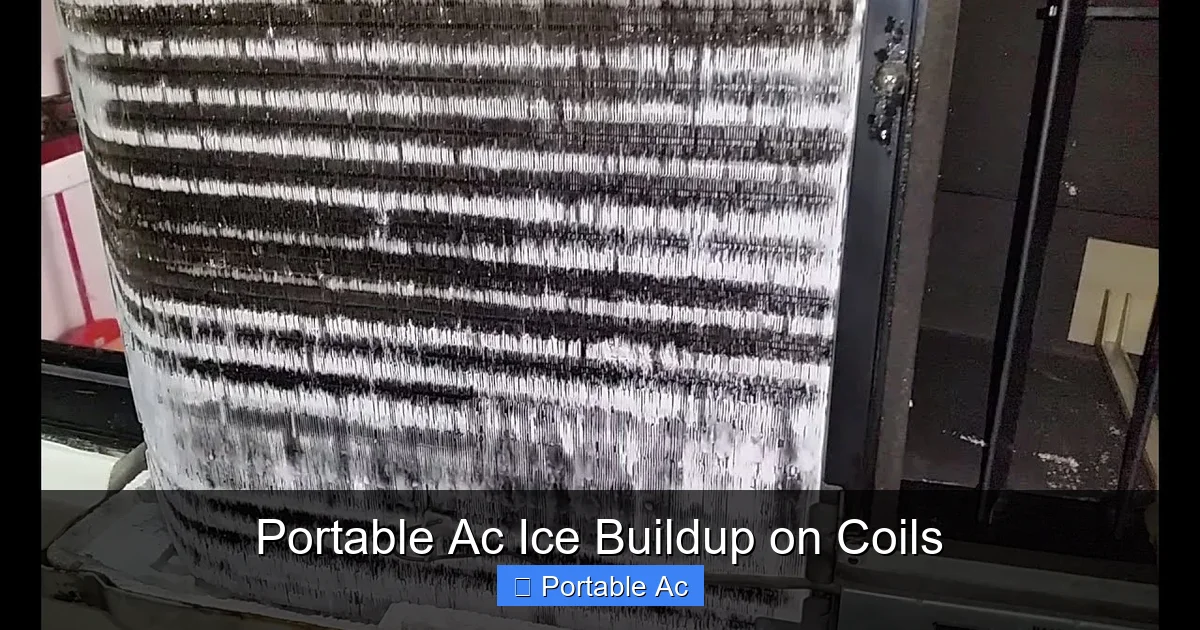
Portable AC ice buildup on coils is more common than you think and can seriously hurt your unit’s performance. This frost forms when airflow is blocked or refrigerant levels drop, causing the evaporator coil to get too cold. Left unchecked, it can freeze up completely and damage your AC beyond repair. But don’t panic—this guide walks you through easy steps to spot, fix, and prevent ice buildup so your portable air conditioner keeps running strong all summer long.
Key Takeaways
- Ice buildup signals a problem: Frost on your portable AC’s coils isn’t normal and usually means low airflow, dirty filters, or refrigerant issues.
- Common causes include clogged air filters or blocked vents: Even a slightly dirty filter can reduce airflow enough to cause freezing.
- Low refrigerant levels may be the culprit: If the refrigerant is low due to leaks, the coil temperature drops below freezing point.
- Thermostat or fan settings matter: Running the unit at very low temps with weak airflow increases ice risk significantly.
- Prompt action prevents permanent damage: Shutting off and thawing the unit quickly avoids compressor damage and costly repairs.
- Prevention is easier than repair: Regular cleaning and maintenance greatly reduce the chance of future ice buildup.
- Know when to call a technician: If ice keeps returning or you smell odd odors, professional help is needed for safe diagnosis.
Quick Answers to Common Questions
Can I run my portable AC with ice on the coils?
No—running a frozen portable AC risks damaging the compressor and other internal components. Always shut off and unplug the unit immediately if you notice ice buildup.
How long does it take for a portable AC to thaw naturally?
Most portable ACs thaw completely within 1–2 hours when placed in a dry, ventilated area. Avoid using external heat sources like hairdryers, as they can warp plastic parts.
Is ice buildup dangerous for my health?
Not directly, but mold or bacteria can grow in stagnant water or damp areas around a malfunctioning AC. Promptly fixing the issue improves indoor air quality and reduces health risks.
Will a dirty filter always cause ice?
Not always, but it’s one of the most common triggers. A clogged filter restricts airflow, lowering coil temperature enough to trigger freezing—especially in humid conditions.
How often should I clean my portable AC’s coils?
At least once per season, or more frequently if you live in dusty or pet-heavy environments. Use a soft brush or vacuum attachment; never spray water directly onto electrical components.
📑 Table of Contents
- Understanding Portable AC Ice Buildup on Coils: What It Is and Why It Happens
- Why Ice Forms on Portable AC Coils: The Science Behind the Frost
- Top Causes of Portable AC Ice Buildup on Coils
- How to Diagnose Ice Buildup in Your Portable AC
- Immediate Fixes and Emergency Steps for Frozen Portable ACs
- Long-Term Prevention Strategies for Healthy Coil Operation
- When to Call a Professional vs. DIY Fixes
- Conclusion: Stay Cool and Avoid Ice Woes This Summer
Understanding Portable AC Ice Buildup on Coils: What It Is and Why It Happens
If you’ve ever noticed a layer of frost or ice forming on your portable air conditioner’s coils—especially during humid summer days—you’re not alone. While it might look like your AC is “working extra hard,” that ice buildup is actually a warning sign that something’s out of balance in your cooling system. Unlike window units or central HVAC systems, portable ACs rely heavily on consistent airflow over their internal components to operate safely and efficiently. When that airflow gets restricted or compromised, the evaporator coil inside can drop below freezing, turning moisture in the air into ice instead of draining it away as condensation.
This phenomenon, commonly known as portable AC ice buildup on coils, rarely occurs overnight—it builds up gradually over hours or days if left unaddressed. At first, you might see just a few icy patches, but without intervention, the entire coil can become encased in ice, blocking refrigerant flow and forcing the compressor to work harder. Eventually, this leads to reduced cooling power, higher energy bills, and even complete system shutdown. The good news? Most cases are preventable with routine care and early detection. In this guide, we’ll break down exactly what causes ice buildup, how to spot it, and—most importantly—how to fix it before serious damage occurs.
Why Ice Forms on Portable AC Coils: The Science Behind the Frost
To understand why your portable AC develops ice on its coils, you need to know how it cools air in the first place. Inside every portable unit, there are two key components: the evaporator coil (which absorbs heat from indoor air) and the condenser coil (which releases that heat outside). As warm, moist air passes over the cold evaporator coil, water vapor condenses into droplets—this is normal operation. But when temperatures around the coil drop below 32°F (0°C), those droplets turn to ice instead of draining away.
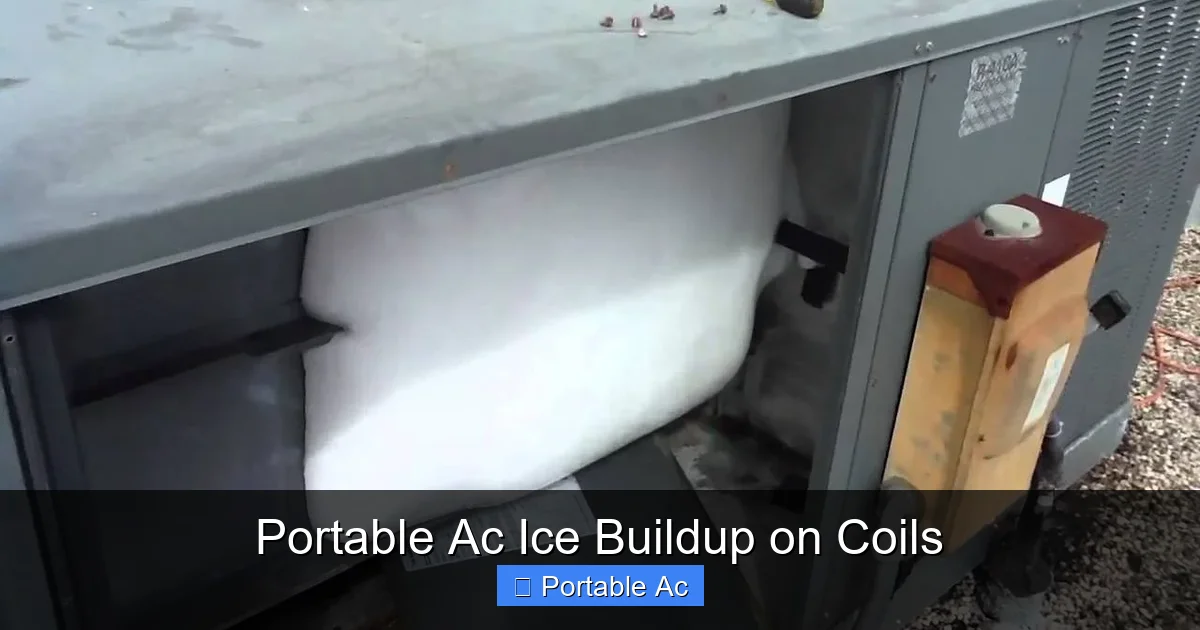
Visual guide about Portable Ac Ice Buildup on Coils
Image source: i.ytimg.com
The Role of Airflow in Preventing Freezing
Airflow is your portable AC’s lifeline. The fan draws in room air, pushes it across the evaporator coil, and then blows the cooled air back into the space. If the filter is clogged, the vent is obstructed, or the fan motor is struggling, less air reaches the coil. Less airflow means less heat exchange, which makes the coil colder than intended. That’s when ice starts forming. Think of it like trying to cool your car by pointing a hair dryer at the engine block—it won’t work well because there’s no proper air movement.
Humidity Plays a Key Part Too
High humidity amplifies the problem. In tropical climates or coastal areas, moisture-laden air enters your home easily, giving your portable AC more water vapor to process. If the system can’t keep up with dehumidification due to poor airflow or mechanical issues, excess moisture lingers near the coil long enough to freeze. This explains why some users notice ice only during particularly damp seasons or after rainstorms—even when the thermostat setting hasn’t changed.
Top Causes of Portable AC Ice Buildup on Coils
While many factors contribute to ice formation, most fall into three main categories: mechanical problems, environmental conditions, and user habits. Let’s explore each in detail so you can identify what’s happening with your unit.
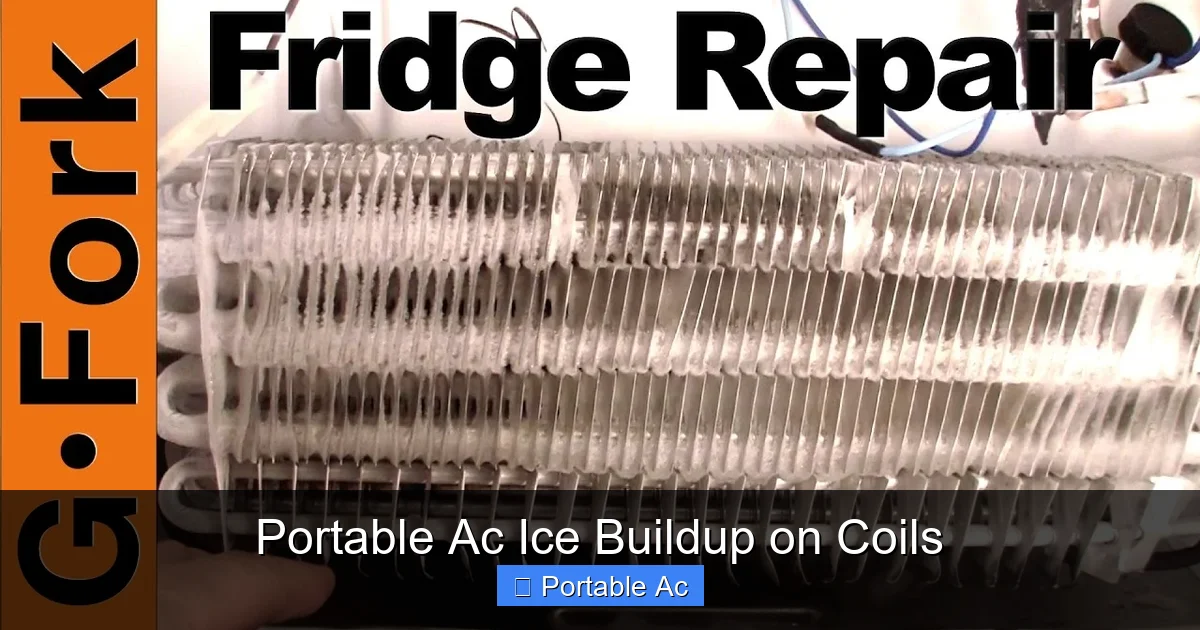
Visual guide about Portable Ac Ice Buildup on Coils
Image source: i.ytimg.com
1. Dirty or Clogged Air Filters
The most frequent cause of portable AC ice buildup on coils is a dirty air filter. Over time, dust, pet dander, and lint accumulate on the filter, restricting airflow. Even a moderately dirty filter can cut airflow by 30–40%, making the coil dangerously cold. Many owners forget to check their filters monthly—but doing so is essential. A clean filter ensures smooth operation and prevents unnecessary strain on the compressor.
2. Blocked Vents or Obstructed Exhaust Hose
Portable ACs expel hot air through an exhaust hose connected to a window or wall vent. If this hose becomes kinked, bent, or blocked by debris, hot air can’t escape properly. This creates a loop where cooled air recirculates inside the unit instead of being expelled, lowering overall efficiency and increasing coil temperature variability. In extreme cases, blocked exhaust hoses force the system to shut down automatically as a safety measure—but before that, ice often appears.
3. Low Refrigerant Levels
Refrigerant is the chemical that absorbs and releases heat in your AC cycle. If it leaks due to worn seals or damaged coils, the system can’t maintain proper pressure and temperature. Without adequate refrigerant, the evaporator coil drops below its design temperature, triggering ice formation. Low refrigerant usually requires professional repair, but recognizing the symptoms early helps avoid further damage.
4. Faulty Thermostat or Incorrect Settings
Running your portable AC at extremely low temperatures—like 60°F or lower—increases the risk of ice buildup, especially if airflow is already limited. Modern units have sensors that detect abnormal conditions and may adjust fan speed or compressor activity accordingly. However, older models or misconfigured digital controls might not respond appropriately, leading to prolonged exposure to sub-freezing coil temperatures.
5. Environmental Factors Like High Humidity or Poor Ventilation
In rooms with poor ventilation or high indoor humidity (above 60%), your portable AC works overtime to remove moisture. If the space isn’t well-sealed or windows/doors aren’t closed tightly, outdoor air keeps entering, adding more moisture than the unit can handle. This constant battle between incoming humidity and limited dehumidification capacity raises the likelihood of ice accumulation.
How to Diagnose Ice Buildup in Your Portable AC
Spotting ice buildup early saves you time, money, and frustration. Here’s how to tell if your portable AC is developing a frost issue—and what steps to take immediately.
Visual guide about Portable Ac Ice Buildup on Coils
Image source: elementmechanicalac.com
Signs You Have Ice on the Coils
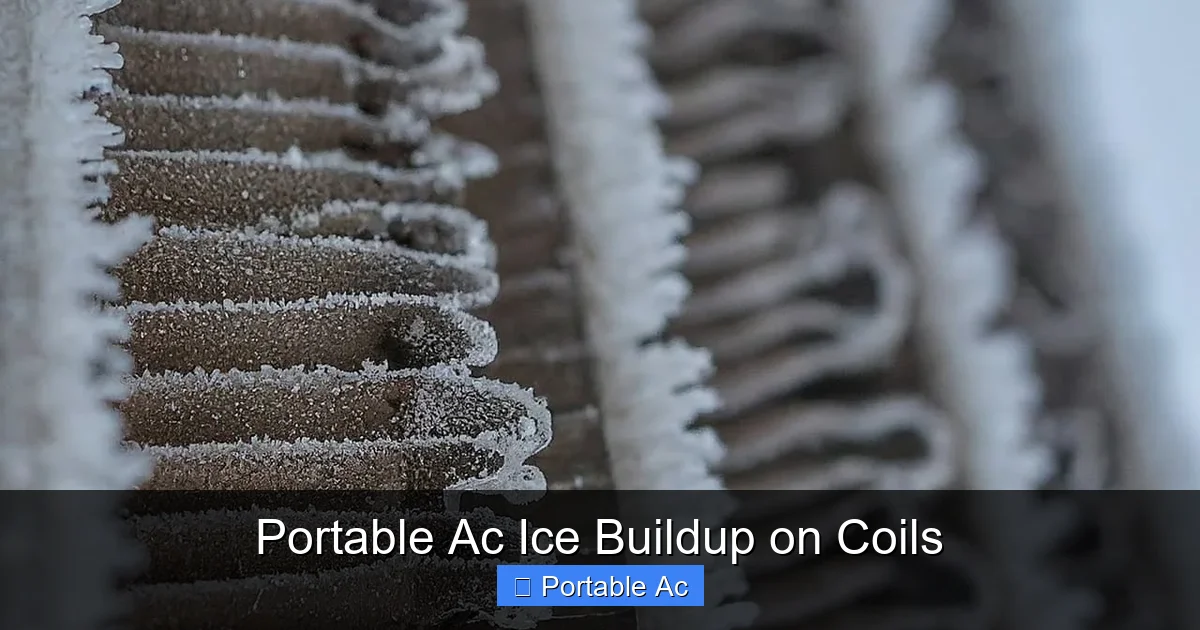
- Frost or white crystalline buildup visible on the front panel or interior grille—use a flashlight to inspect behind removable panels.
- Reduced cooling output—the room feels warmer than usual despite the unit running continuously.
- Unusual noises—buzzing, rattling, or reduced fan speed can indicate restricted airflow or mechanical stress.
- Water pooling inside the unit or dripping unexpectedly—ice melting unevenly disrupts normal drainage patterns.
Step-by-Step Inspection Guide
- Turn off the unit and unplug it—never attempt repairs while powered on.
- Remove the front panel or access cover—refer to your manual for safe removal instructions.
- Inspect the evaporator coil—look for white, fluffy frost covering metal fins.
- Check the air filter—replace if visibly dirty or clogged with debris.
- Examine the exhaust hose—ensure it’s straight, unobstructed, and properly vented outside.
If you’re unsure about any step, consult your owner’s manual or reach out to the manufacturer. Safety always comes first!
Immediate Fixes and Emergency Steps for Frozen Portable ACs
When you discover ice buildup, don’t panic—but do act fast. Continuing to run a frozen portable AC risks permanent damage to the compressor and other internal parts. Follow these emergency steps to safely thaw and reset your unit.
Shut Down and Unplug Immediately
The moment you notice frost, power off the unit and unplug it from the outlet. This stops the compressor from circulating cold refrigerant into an already-frozen coil, preventing catastrophic failure. Never try to scrape or chip away ice while the machine is still running—that could bend delicate fins or introduce moisture deeper into the system.
Allow Natural Thawing
Place the portable AC in a dry, well-ventilated area (away from direct sunlight) and let gravity do the work. Open all panels and leave them ajar so warm air circulates freely. Most small units thaw completely within 1–2 hours. Avoid using hairdryers, heaters, or open flames—heat sources can warp plastic parts or melt surrounding materials.
Clean and Reassemble Carefully
Once fully thawed, wipe down the coils gently with a soft cloth dampened with water (no soap—it leaves residue). Replace the air filter and reattach all panels securely. Double-check that the exhaust hose is clear and positioned correctly before plugging the unit back in.
Test Run and Monitor
Power on the unit and set it to cool mode at a moderate temperature (around 72–75°F). Watch for improved airflow and listen for unusual sounds. If the room cools normally within 15–20 minutes and no ice returns overnight, you’ve likely resolved the issue. However, if frost reappears within 24 hours, further investigation is needed.
Long-Term Prevention Strategies for Healthy Coil Operation
Preventing portable AC ice buildup on coils isn’t rocket science—it just takes consistency. By incorporating these habits into your routine, you’ll enjoy reliable cooling all season long.
Clean Filters Weekly During Peak Usage
Set a monthly reminder to vacuum or replace your portable AC’s air filter. For households with pets or allergy sufferers, consider upgrading to washable HEPA-style filters that trap finer particles. Always allow filters to dry completely before reinstalling.
Keep Vents and Hoses Clear Year-Round
Inspect the intake and exhaust vents regularly, especially after moving furniture or during spring cleaning. Ensure the exhaust hose isn’t crushed under heavy objects or tangled with cords. If you live in a rental or frequently move your unit, invest in a protective hose cover to prevent kinks.
Maintain Optimal Room Conditions
Close curtains/blinds during peak sun hours, seal gaps under doors, and use dehumidifiers if indoor humidity consistently exceeds 60%. These simple tweaks reduce the workload on your portable AC and minimize moisture-related issues.
Schedule Annual Professional Maintenance
Even the best-maintained portable AC benefits from yearly checkups. Technicians can test refrigerant levels, inspect electrical connections, and clean internal components that are hard to reach. This proactive approach catches hidden problems before they escalate.
Choose the Right Unit for Your Space
If you’re experiencing repeated ice buildup despite proper care, your current portable AC might simply be undersized for the room size or climate. Consider upgrading to a higher-capacity model designed for your square footage and local humidity levels. For example, if you live in a tropical area, look for units rated for high-humidity environments—they often include enhanced drainage systems and stronger fans to combat moisture effectively.
When to Call a Professional vs. DIY Fixes
Most portable AC ice buildup issues are manageable with basic troubleshooting. But certain red flags demand expert attention. Here’s how to decide when to roll up your sleeves and when to pick up the phone.
DIY-Friendly Scenarios
- Dirty air filters or minor vent obstructions
- Initial ice formation with no prior history
- Unit thaws quickly after shutdown with no recurring symptoms
Time to Call a Technician
- Ice returns within 24 hours of resetting the unit
- You hear hissing sounds (possible refrigerant leak)
- There’s visible rust, corrosion, or mold inside the casing
- The compressor won’t restart after thawing
Professional HVAC technicians have specialized tools to detect refrigerant leaks, measure coil temperatures accurately, and perform repairs safely. Attempting complex fixes without training risks voiding warranties or worsening existing faults.
Conclusion: Stay Cool and Avoid Ice Woes This Summer
Portable AC ice buildup on coils is never a feature—it’s a symptom that demands attention. By understanding the root causes and taking swift action, you protect your investment and ensure uninterrupted comfort during hot months. Remember: regular maintenance, mindful usage, and timely repairs go a long way toward preventing frosty surprises.
Whether you’re cooling a city apartment, a coastal cottage, or a home office, choosing the right portable AC and caring for it properly makes all the difference. And when in doubt, lean on trusted brands and certified technicians. After all, staying cool shouldn’t come with a side of frozen coils!
Frequently Asked Questions
What causes ice to form on portable AC coils?
Ice typically forms when airflow is restricted—such as from a dirty filter or blocked vent—causing the evaporator coil to drop below freezing. Low refrigerant levels or excessive humidity can also contribute.
Can I prevent ice buildup entirely?
While you can’t eliminate all risk, especially in high-humidity climates, consistent maintenance like weekly filter cleaning and annual professional inspections significantly reduce the chance of ice forming.
Does ice mean my portable AC is broken?
Not necessarily. Ice is often a temporary condition caused by airflow issues or improper settings. However, recurring ice buildup may indicate underlying mechanical problems requiring professional diagnosis.
Should I replace my portable AC if it freezes repeatedly?
Only if the unit is old, frequently fails, or requires expensive repairs. Newer models with advanced sensors and better airflow designs are far less prone to freezing—consider upgrading if yours is over five years old.
Are there portable ACs designed to resist ice buildup?
Yes! Look for models labeled “high-humidity capable” or “coastal-rated.” These often feature dual fans, enhanced drainage, and automatic defrost cycles to handle moisture-rich environments better.
Can I use my portable AC while it’s thawing?
Absolutely not. Power off and unplug the unit completely during thawing. Running it while partially frozen accelerates wear and may cause irreversible damage to the compressor.
