
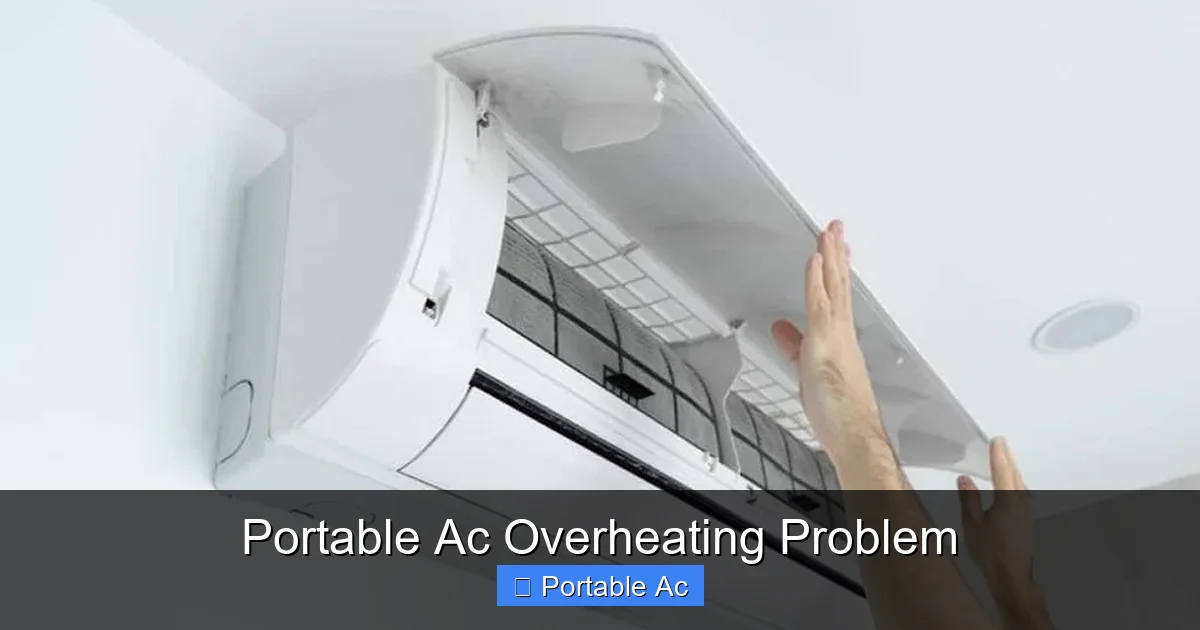
Portable AC overheating is a common issue that can reduce cooling performance and damage your unit. This guide walks you through the most likely causes—like clogged filters or poor airflow—and shows you simple, effective solutions. With regular maintenance and smart usage habits, you can prevent overheating and extend your AC’s lifespan.
Key Takeaways
- Clogged air filters are one of the top causes of portable AC overheating—replace or clean them monthly.
- Poor exhaust ventilation prevents heat from escaping, causing internal temperature buildup.
- Blocked condenser coils trap heat and reduce efficiency; clean them every 3–6 months.
- Overworking the unit due to high room temperatures or improper sizing leads to strain and overheating.
- Faulty thermostats or sensors may misreport temperatures, tricking the system into overworking.
- Refrigerant issues, like leaks or low levels, impair cooling and increase compressor workload.
- Regular maintenance including hose inspection and fan cleaning prevents most overheating problems.
Quick Answers to Common Questions
Why does my portable AC feel hot on the outside?
That’s normal! Heat exchange causes external warmth, but if the unit is excessively hot or emitting smoke, there may be an internal blockage or electrical issue.
Can I use my portable AC without a window?
Technically yes—some models vent through basement doors or sliding glass doors—but proper ventilation is still essential to avoid overheating.
How often should I clean my portable AC filter?
At least once every two weeks during peak summer months. More frequently if you have pets or live in dusty areas.
Is overheating dangerous?
Yes. Prolonged overheating can damage the compressor, void your warranty, or create fire risks from overheated wiring.
What does a burning smell mean?
It usually indicates worn-out motor bearings, overheated wires, or melted plastic parts—stop using the unit and call a professional immediately.
📑 Table of Contents
- Understanding Portable AC Overheating: Why It Happens & What You Can Do
- Why Portable ACs Overheat in the First Place
- How to Diagnose Your Portable AC Overheating Problem
- Simple Fixes for Portable AC Overheating
- When to Worry: Serious Overheating Symptoms
- Preventing Future Overheating Issues
- Choosing a Reliable Portable AC to Avoid Overheating
Understanding Portable AC Overheating: Why It Happens & What You Can Do
Summer heatwaves can turn even the most comfortable home into an oven. That’s why so many people rely on portable AC units for quick, flexible cooling. But what happens when your portable AC starts blowing warm air—or worse, shuts down entirely? Chances are, it’s overheating. This isn’t just annoying; it can shorten your unit’s life and increase energy bills.
The good news? Most portable AC overheating problems have simple fixes. Whether it’s a dirty filter, blocked airflow, or a failing component, understanding the root cause helps you act fast. In this article, we’ll walk through everything you need to know about diagnosing, preventing, and resolving overheating in your portable air conditioner. Think of this as your go-to troubleshooting guide—no technician required.
Why Portable ACs Overheat in the First Place
Portable air conditioners work by pulling hot indoor air through a cold evaporator coil, then expelling cooled air back into the room. Meanwhile, heat from the process is pushed outside through an exhaust hose. If any part of this cycle gets interrupted, heat builds up inside the unit instead of being released—leading to overheating.
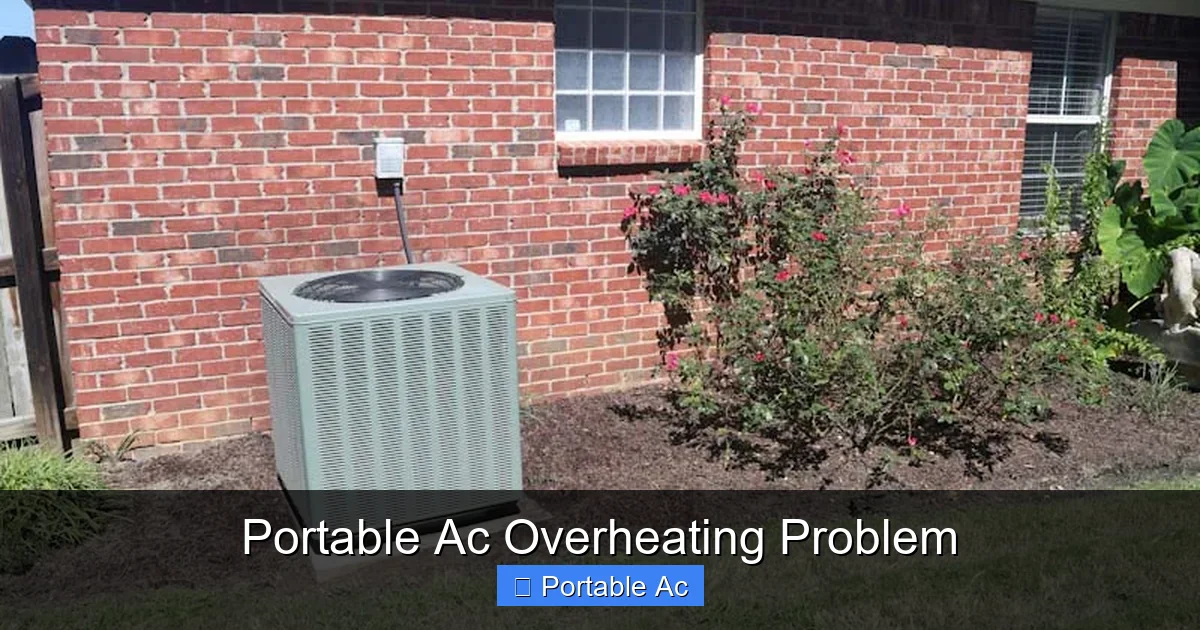
Visual guide about Portable Ac Overheating Problem
Image source: jacksonandsons.com
Common Causes of Overheating
- Dirty or clogged air filters: When filters are full of dust and debris, airflow drops. Less air means less cooling, so the compressor works harder and generates more heat.
- Blocked intake or exhaust ports: Furniture, curtains, or poorly placed units can restrict airflow in or out.
- Faulty thermostat or temperature sensor: If the sensor reads incorrectly, the unit might run continuously without realizing it’s too hot.
- Low refrigerant levels: Without enough refrigerant, the compressor overworks to achieve cooling, raising internal temperatures.
- Malfunctioning fans or motors: Fans help dissipate heat. If they’re damaged or slow, heat builds up quickly.
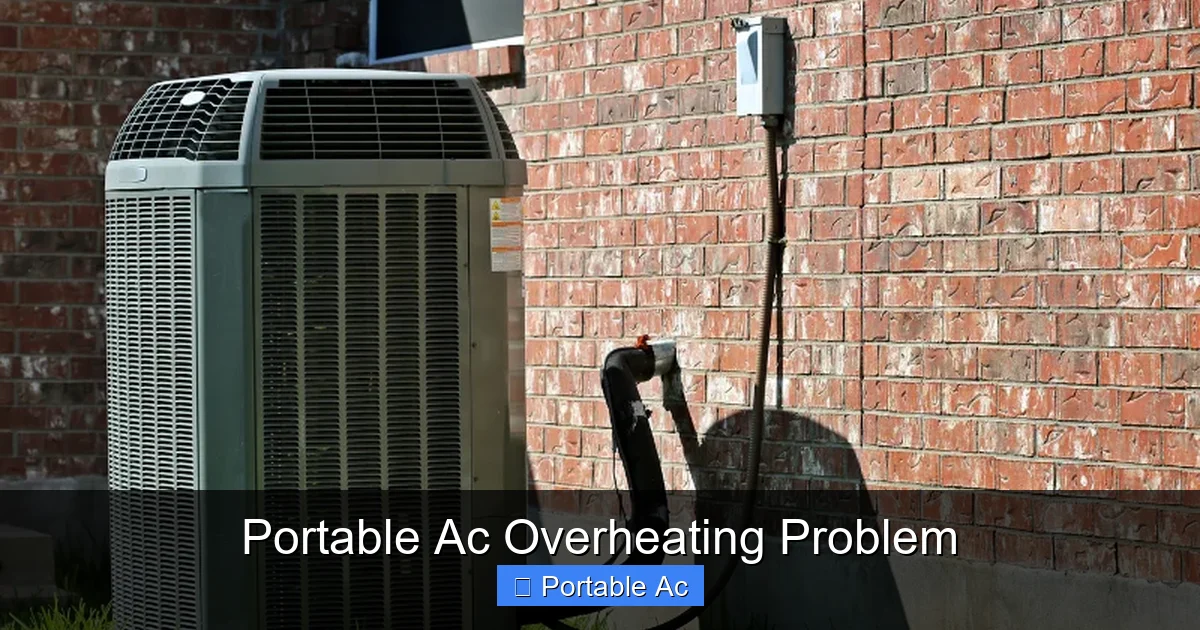
How to Diagnose Your Portable AC Overheating Problem
Before panicking, check these basic signs to pinpoint the issue:
Visual guide about Portable Ac Overheating Problem
Image source: cloverco.com
- Unit feels hot to touch (especially around vents or casing)
- Airflow is weak or warm
- Unusual noises like grinding or whining
- Error codes displayed on the control panel
- Frequent cycling on/off without proper cooling
If you notice any of these, it’s time for a hands-on inspection. Start with the easiest fixes first—they solve over 80% of cases.
Simple Fixes for Portable AC Overheating
1. Clean or Replace Air Filters
Dust accumulation is the #1 cause of reduced airflow and overheating. Most portable ACs use washable mesh filters or replaceable foam pads. Check your owner’s manual, but generally, you should clean filters every 1–2 weeks during heavy use.
Visual guide about Portable Ac Overheating Problem
Image source: static.vecteezy.com
Pro tip: If the filter looks visibly dirty or warped, replace it. A simple filter change can restore airflow and prevent the compressor from overheating.
2. Ensure Proper Exhaust Ventilation
Your portable AC needs a clear path to expel hot air. The exhaust hose must exit through a window or vent and remain unobstructed. Even a small flap or curtain blocking the outlet can cause heat buildup.
If possible, use a portable AC with easy setup features that includes a built-in vent seal kit. These minimize air leakage and improve efficiency.
3. Clear Debris Around the Unit
Keep at least 12 inches of space around your portable AC. Dust, pet hair, and clutter near intake grills reduce airflow and force the system to overwork.
4. Inspect the Condenser Coils
Over time, dirt and dust coat the external coils (usually on the back or side). Use a soft brush or vacuum attachment to gently clean them every few months. Dirty coils trap heat and reduce cooling capacity.
For deeper cleaning, consider investing in a portable AC cleaning kit. These come with brushes, sprays, and tools designed specifically for AC maintenance.
When to Worry: Serious Overheating Symptoms
While minor issues are fixable at home, certain warning signs suggest internal damage:
- Burning smell—could indicate electrical problems or motor failure
- Tripping circuit breaker—suggests overload or short circuit
- Continuous beeping or error lights—many models alert users when components fail
- Persistent overheating despite cleaning
If you see any of these, unplug the unit immediately and contact a licensed technician. Continuing to run a malfunctioning AC risks permanent damage or safety hazards.
Preventing Future Overheating Issues
Prevention is always better than repair. Follow these best practices to keep your portable AC running smoothly:
- Use the right size unit: An undersized AC struggles to cool, while an oversized one cycles too often. Match your BTU rating to your room size—check our guide to choosing the right portable AC.
- Maintain consistent usage: Let the unit rest between 15–30 minutes if running continuously for hours.
- Keep windows sealed: Use weather stripping or plastic kits to prevent warm outdoor air from entering.
- Schedule seasonal maintenance: Once a year, inspect hoses, fans, and internal components.
- Choose energy-efficient models: Look for ENERGY STAR-rated units that manage heat better. For example, models with dual-hose systems distribute cooling more evenly and reduce strain.
Choosing a Reliable Portable AC to Avoid Overheating
Not all portable ACs are created equal. Some brands handle heat dissipation better than others. If you’re shopping for a new unit, prioritize models known for durability and thermal management. Brands like LG, Frigidaire, and Honeywell consistently rank high in reliability and customer reviews.
For first-time buyers or those in tropical climates, consider units specifically designed for high-heat environments. These often include enhanced cooling systems, anti-corrosion materials, and improved airflow designs. You’ll find top recommendations in our roundups like Best Portable AC for Tropical Weather and Best Premium Portable AC Worth Buying.
Also, pay attention to hose length and flexibility. Longer hoses (up to 6 feet) give you more placement options without compromising exhaust efficiency—critical if your only available window is far from your ideal spot.
Frequently Asked Questions
How do I stop my portable AC from overheating?
Clean the air filter regularly, ensure the exhaust hose isn’t blocked, and keep the area around the unit clear. Also, verify the room isn’t too large for the AC’s BTU capacity.
Can a dirty filter cause overheating?
Absolutely. A clogged filter restricts airflow, forcing the compressor to work harder and generate excess heat. Regular cleaning solves this easily.
Should I unplug my AC when not in use?
Yes, especially during storms or extended absences. Unplugging also resets internal sensors and reduces wear.
What temperature should my portable AC run at?
Ideally between 70°F and 78°F. If it’s struggling to reach this range, the unit may be undersized or malfunctioning.
Can I repair my portable AC myself?
Minor tasks like filter cleaning or hose realignment are DIY-friendly. However, refrigerant handling or electrical repairs require certified technicians.
Does humidity affect portable AC overheating?
High humidity increases the load on the evaporator coil, making the system work harder. Using a dehumidifier nearby can reduce strain and prevent overheating.
