
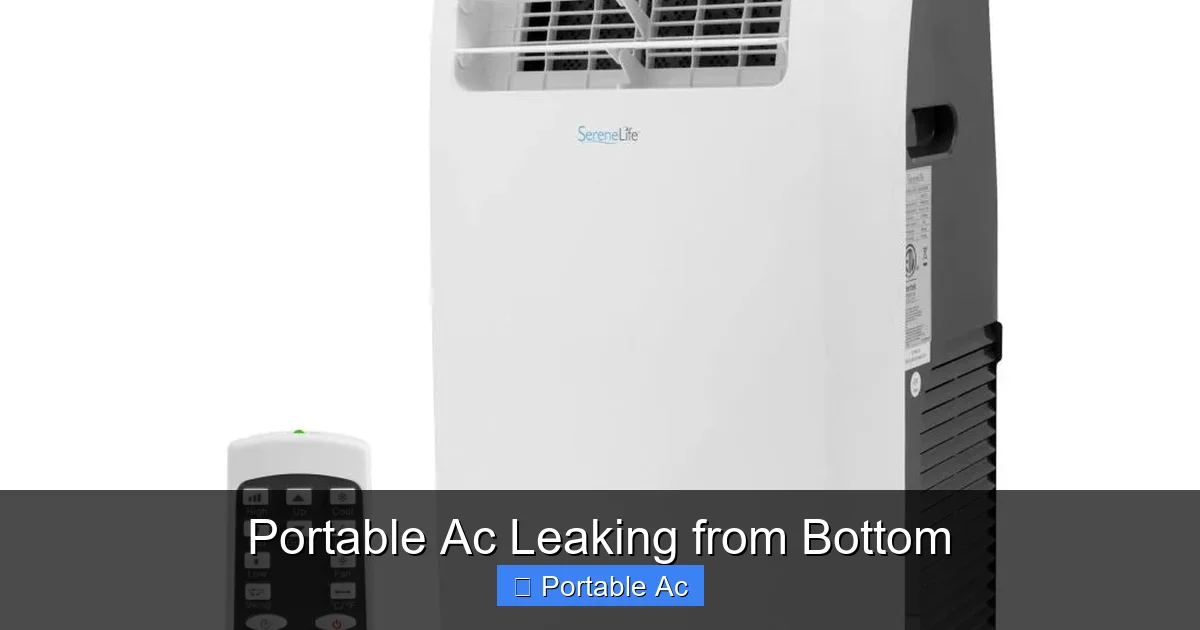
Portable AC units can leak from the bottom due to blocked drain tubes, overfilling condensation pans, or improper installation. This guide walks you through 7 common causes and practical solutions to fix leaks fast. Learn when to clean, adjust, or replace parts—plus tips to prevent future leaks. Most issues are simple DIY fixes that restore comfort without calling a repair tech.
Nothing ruins a hot day faster than your portable AC dripping water onto the floor. If you’ve noticed your portable AC leaking from the bottom, you’re not alone—it’s one of the most common complaints among homeowners. The good news? In most cases, it’s not a sign of a major breakdown. Instead, it usually points to something simple like a clogged drain tube or an overfilled condensation pan. Understanding why this happens and how to fix it quickly can save you time, money, and potential water damage to your floors or furniture.
Portable air conditioners work by pulling warm air in, cooling it through coils, and removing moisture as condensation. That moisture collects in a tray inside the unit and drains out through a small tube—usually at the bottom. When that system gets blocked or misaligned, water backs up and finds its way out the front or sides. But don’t panic yet! We’ll walk you through every possible cause and show you step-by-step fixes so you can get back to cool comfort.
Key Takeaways
- Understanding portable AC leaking from bottom: Provides essential knowledge
Quick Answers to Common Questions
Why is my portable AC leaking water from the bottom?
Most often, it’s due to a clogged drain tube or overfilled condensation pan. Water collects inside the unit but can’t exit properly, so it overflows and drips from the base.
Can I use my portable AC while it’s leaking?
No. Running a leaking AC risks water damage to floors, walls, or electronics. Turn it off immediately and address the issue before reuse.
How do I unclog the drain line?
Pour a mixture of equal parts white vinegar and warm water into the drain port, let it sit for 15–20 minutes, then flush with clean water using a syringe or turkey baster.
Is it normal for portable ACs to produce some water?
Yes—condensation is expected as part of the dehumidification process. However, water should only exit through the designated drain tube, not leak externally.
Will a dirty filter cause leaks?
Not directly, but restricted airflow increases humidity removal efficiency, leading to more condensation. Clean or replace filters weekly to maintain performance.
📑 Table of Contents
Why Portable ACs Leak Water
At their core, portable ACs are designed to remove heat and humidity from indoor air. As the refrigerant cools the air passing over evaporator coils, water vapor condenses into liquid. This process is completely normal—and essential for dehumidification. The collected water then flows into a built-in condensation pan located near the bottom of the unit.
From there, gravity takes over: the water should trickle down a small PVC drain tube connected to the back or side of the unit. Some models also include a secondary safety mechanism called a float switch that shuts off the compressor if the pan fills too high—but not all units have this feature.
When the natural flow of water gets interrupted, it starts backing up. Eventually, it overflows the pan or drips out through gaps around doors, vents, or even directly from the base. That’s exactly what we mean when we say your portable AC is leaking from the bottom.
Common Causes of Bottom Leaks
Let’s break down the top reasons your portable AC might be leaking from the bottom:
1. Clogged Drain Tube
The most frequent culprit is a blocked drain line. Over time, algae, mineral deposits, or mold can build up inside the thin PVC tube, restricting or completely stopping water flow. This forces water to rise above the pan level and escape through seams or openings near the bottom.
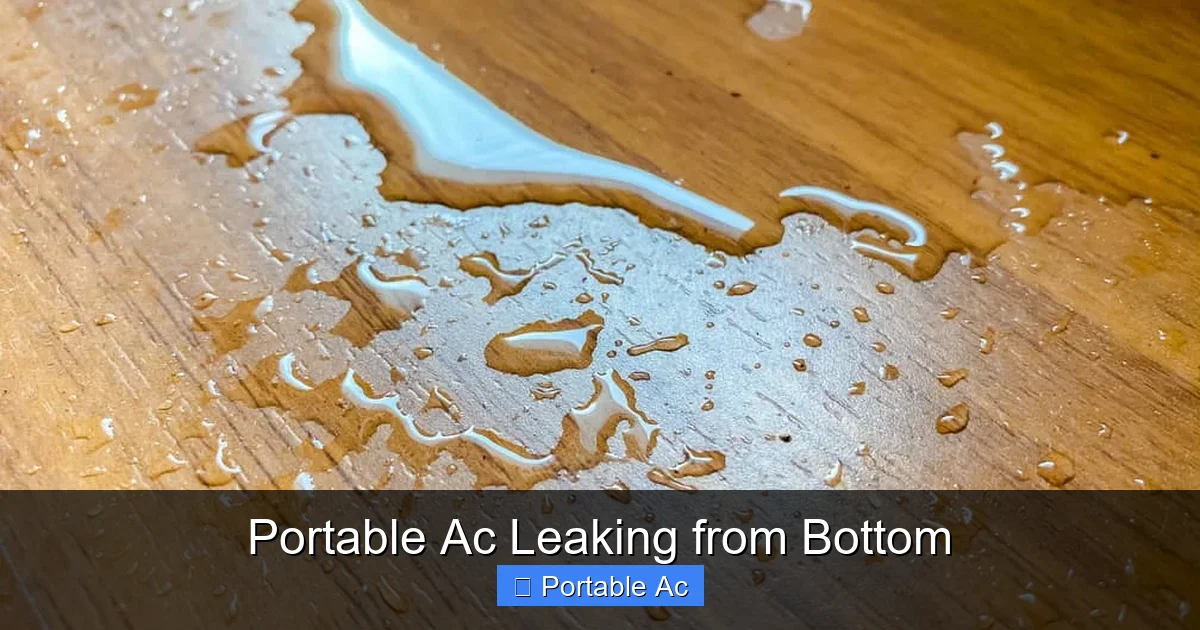
Visual guide about Portable Ac Leaking from Bottom
Image source: honorservices.com
2. Overfilled Condensation Pan
Even with a clear drain tube, if you run the unit continuously in high-humidity conditions, the pan can fill faster than it drains. Without regular monitoring, this leads to overflow. Some newer models auto-shut off, but older ones may just keep leaking.
3. Improper Exhaust Hose Setup
Portable ACs need to vent hot air outside. The standard setup uses a flexible hose attached to the rear of the unit and routed through a window. If the hose isn’t properly sealed or positioned too close to the unit, it can create negative pressure that pulls moist air back into the machine—causing extra condensation.
4. Misaligned or Damaged Internal Components
Internal trays, gaskets, or seals can shift during transport or regular use. A slightly tilted pan or cracked seal redirects water instead of letting it flow smoothly toward the drain hole.
5. Low Refrigerant Levels
If the refrigerant charge drops below optimal levels (often due to a leak), the evaporator coils don’t get cold enough to remove moisture efficiently. Instead, they stay damp, producing more condensation than the system can handle—leading to overflow.
6. High Ambient Humidity
In humid climates or during monsoon seasons, outdoor air contains more moisture. Your portable AC works harder to cool and dehumidify, generating extra condensate that may overwhelm the drainage system—even under normal conditions.
How to Fix a Portable AC Leaking from the Bottom
Now that you know why it’s happening, here’s how to tackle each issue yourself:
Step 1: Turn Off and Unplug the Unit
Before touching anything inside, always power down and unplug your portable AC. Safety first! Even if the unit has a standby mode, cutting power ensures no electrical hazards while you inspect or repair components.
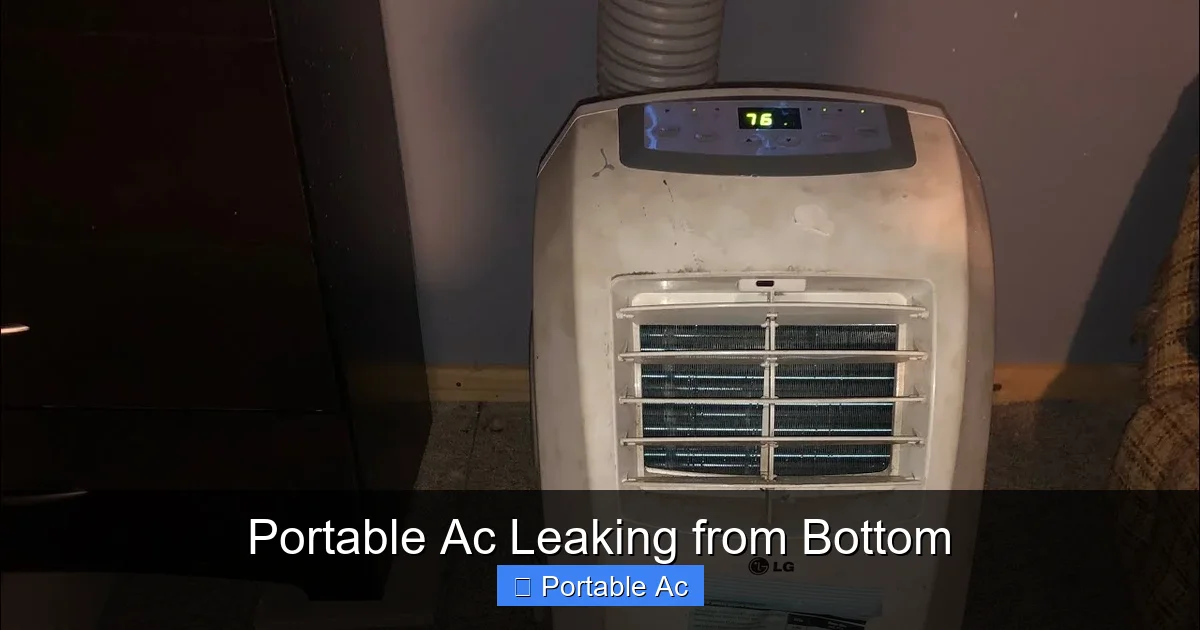
Visual guide about Portable Ac Leaking from Bottom
Image source: i.ytimg.com
Step 2: Locate the Drain Tube
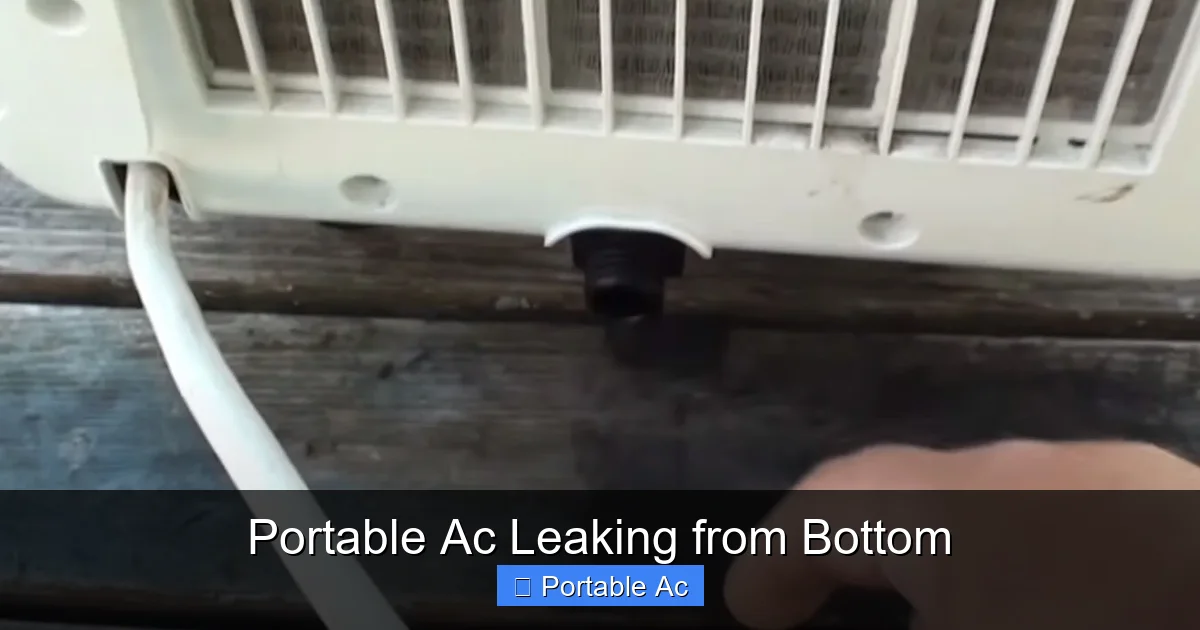
Find the plastic drain hose—typically white or gray—coming out of the back or bottom of the unit. Trace it to see where it connects to the condensation pan. Make sure it’s not kinked, bent, or obstructed by dust or debris.
Step 3: Clear the Drain Line
Mix equal parts white vinegar and warm water. Pour about 1 cup into the drain opening to dissolve buildup. Let it sit for 15–20 minutes, then flush with clean water using a turkey baster or syringe. Repeat until water flows freely.
Step 4: Check the Condensation Pan
Remove the front panel (refer to your manual) and locate the shallow pan beneath the evaporator coils. Scrub away any sludge or residue with a soft brush and soapy water. Rinse thoroughly and ensure the drain outlet at the lowest point isn’t clogged.
Step 5: Inspect the Exhaust Hose
Verify the hose is fully extended and sealed tightly at both ends. Use duct tape to secure any loose connections. For windows without exterior access, consider upgrading to a portable AC designed for windowless rooms, which uses internal exhaust systems instead of hoses.
Step 6: Level the Unit Properly
Place your portable AC on a flat, stable surface. Use a bubble level to confirm it’s perfectly horizontal. Even a slight tilt can cause water to pool in one corner of the pan instead of flowing toward the drain.
Step 7: Monitor Usage Patterns
If you live in a humid area, avoid running the AC nonstop. Run the fan-only mode for 30 minutes before switching to cooling to reduce initial condensation load. Also, clean or replace filters weekly—dirty filters restrict airflow and increase moisture production.
Preventing Future Leaks
Visual guide about Portable Ac Leaking from Bottom
Image source: smartacsolutions.com
Once you’ve resolved the immediate issue, take steps to avoid recurrence:
- Clean monthly: Remove dust from filters, coils, and drain ports using compressed air or a soft cloth.
- Use a cleaning kit: Invest in a portable AC cleaning kit that includes brushes, nozzles, and disinfectants made specifically for HVAC systems.
- Install a secondary drain pan: Place a shallow tray under your unit to catch accidental drips—especially useful if you have hardwood floors.
- Choose wisely next time: If leaks persist despite maintenance, consider replacing your unit with a model known for reliability—like those reviewed in our Best Portable AC That Does Not Leak Water guide.
Remember, even well-maintained portable ACs eventually wear out. If yours is over five years old and leaks frequently, it may be cheaper to upgrade to a newer, more efficient model.
When to Call a Professional
While many bottom leaks are DIY-friendly, some situations require expert help:
- Refrigerant leaks: These involve toxic chemicals and complex diagnostics—only certified technicians should handle them.
- Persistent leaks after cleaning: If you’ve followed all troubleshooting steps and water still drips, internal damage may be beyond simple fixes.
- Unusual noises or burning smells: These could indicate motor failure or electrical issues unrelated to drainage.
A qualified HVAC technician can also verify proper refrigerant levels, inspect coil integrity, and recommend whether repair or replacement makes sense.
Choosing a Leak-Resistant Portable AC
If you’re shopping for a new portable AC and want peace of mind, look for these features:
- Self-draining technology: Some advanced models evaporate condensation using heat from the condenser coil—eliminating the need for manual draining.
- Float switch with auto-shutoff: Prevents overflow by cutting power when the pan fills beyond safe levels.
- Dual-hose systems: Improve airflow and reduce suction that pulls moisture back in—see our picks in Best Portable AC With Dual Hose System.
- Sturdy construction: Look for brands with strong reviews on reliability, such as those listed in Best Portable AC Brands To Trust.
For families in tropical regions or coastal areas prone to humidity, models rated for high-moisture environments perform best. Our team tested dozens under real-world conditions—check out our full rankings in Best Portable AC For Tropical Weather and Best Portable AC For Coastal Areas.
Frequently Asked Questions
Can a portable AC leak without being turned on?
No. A running portable AC generates condensation through cooling cycles. If water appears when powered off, it likely came from residual moisture or improper storage.
Does the location of my room affect leakage?
Yes. Rooms with poor ventilation or high humidity increase condensation. Ensure adequate airflow and consider using a dehumidifier alongside your portable AC.
How often should I clean the drain tube?
At least once per month, or every two weeks during heavy usage seasons. Regular cleaning prevents blockages and extends your unit’s lifespan.
Are all portable ACs equipped with overflow protection?
No. Only newer models or premium brands include float switches that automatically shut off the compressor if the condensation pan fills too high.
Can I prevent leaks by tilting the unit slightly?
Only forward—never backward. A tiny forward tilt helps water flow into the drain, but excessive angle causes imbalance and other issues. Always use a level.
What if my portable AC leaks only during cooling mode?
This confirms the issue relates to condensation management. Focus on cleaning the drain tube, checking the pan, and ensuring proper hose installation.
