
Portable air conditioners with dual hose systems offer superior cooling and energy efficiency compared to single-hose models. By converting your existing portable AC to dual hose, you can eliminate hot air recirculation and enjoy quieter operation. This guide walks you through the entire process—from understanding the benefits to installation tips and troubleshooting. Whether you’re upgrading an older unit or optimizing performance, this comprehensive resource ensures a smooth transition. Discover how a dual hose conversion can transform your comfort during hot summer months.
If you’ve ever struggled with a portable air conditioner that feels weak, noisy, or just doesn’t seem to cool effectively—especially in larger rooms—you’re not alone. Many users report that their portable AC runs constantly but still leaves the space feeling stuffy and uncomfortable. The culprit? Often, it’s the single exhaust hose design.
Enter the **portable AC dual hose conversion**—a smart upgrade that can dramatically improve your cooling experience. Instead of pulling in warm air through one hose (which defeats the purpose of cooling), a dual hose system brings fresh outdoor air in while pushing hot exhaust out the other end. It’s like giving your AC lungs: one for breathing cool, the other for exhaling heat.
In this detailed guide, we’ll walk you through everything you need to know about converting your portable AC to a dual hose setup. From understanding how it works to step-by-step installation instructions, maintenance tips, and answers to common questions—this article is your go-to resource for maximizing comfort and efficiency at home.
—
Key Takeaways
- Improved Cooling Performance: Dual hose systems draw cool air from outside and expel hot air out, preventing warm indoor air from being sucked back in.
- Energy Efficiency Gains: Less work for your AC means lower electricity bills—dual hoses reduce strain on the compressor and fan.
- Reduced Humidity Levels: Better exhaust management leads to drier, more comfortable air inside your room.
- Quieter Operation: With less internal airflow resistance, dual hose units run more quietly than their single-hose counterparts.
- Compatibility Check Required: Not all portable ACs support dual hose conversion—verify your model’s specifications before starting.
- DIY-Friendly Process: Most conversions use simple adapters and standard window kits, making them accessible for homeowners.
- Long-Term Cost Savings: While there’s an upfront cost for the kit, improved efficiency pays off over time in reduced utility bills.
Quick Answers to Common Questions
Can I convert any portable AC to dual hose?
No, only certain models with dual exhaust ports support conversion. Check your manual or manufacturer specs first.
How much does a dual hose conversion kit cost?
Most kits range from $30 to $80, depending on brand and included accessories like window brackets.
Will dual hose make my AC louder?
Actually, it usually makes it quieter because there’s less internal airflow resistance.
Do I need special tools to install the kit?
Basic tools like screwdrivers and measuring tape are sufficient—no professional HVAC skills required.
Can I revert back to single hose after conversion?
Yes, simply remove the dual hose adapter and reinstall your original single hose if desired.
📑 Table of Contents
- What Is a Portable AC Dual Hose Conversion?
- Why Upgrade to Dual Hose? Real-World Benefits
- How Does Dual Hose Conversion Work? Step-by-Step Overview
- Best Portable ACs That Support Dual Hose Conversion
- Common Mistakes to Avoid During Installation
- Maintenance Tips for Long-Lasting Performance
- Is Dual Hose Conversion Worth It? Final Verdict
What Is a Portable AC Dual Hose Conversion?
A portable AC dual hose conversion involves modifying your existing portable air conditioner to use two separate hoses instead of one. Traditionally, single-hose units pull cool air from outside through the exhaust hose and expel warm air back into the room. But here’s the catch: the same hose also pulls in slightly warmer indoor air—reducing overall efficiency and increasing humidity.
With a dual hose system, you have:
– One hose dedicated to drawing cool air from outside.
– Another hose that only vents hot air and moisture outside.
This separation eliminates the “hot air recirculation” issue and allows your AC to operate closer to its full capacity. Think of it as switching from a bicycle with training wheels to a real bike—everything becomes smoother, faster, and more effective.
Not every portable AC supports dual hose conversion, though. You’ll need a unit with two external ports (usually labeled “inlet” and “outlet”) and compatible dimensions for the hoses. Always check your owner’s manual or contact the manufacturer before purchasing a conversion kit.
—
Why Upgrade to Dual Hose? Real-World Benefits
Many people assume that all portable ACs perform similarly—but that’s far from true. The difference between single and dual hose designs is significant when it comes to real-world performance. Here’s why upgrading matters:
1. Stronger, Faster Cooling
Dual hose systems deliver better airflow because they don’t rely on pulling air from inside the room. This means your AC can cool down a 500-square-foot space much faster than a single-hose model struggling against competing heat sources.
For example, if you’re using a portable AC in a sunlit living room, the single hose might keep pulling in warm sunlight-heated air—slowing things down. A dual hose avoids this by sourcing fresh outdoor air exclusively.
2. Lower Energy Bills
Because your AC isn’t fighting against internal heat buildup, it doesn’t have to run as hard. Studies show dual hose units can save up to 20–30% more energy than single hose models. That translates into noticeable savings on your electricity bill, especially during peak summer months.
Plus, since the system operates more efficiently, wear and tear on components like the compressor decreases—potentially extending your AC’s lifespan.
3. Less Humidity and More Comfort
One of the biggest complaints about portable ACs is increased indoor humidity. Single hose units often leave rooms feeling damp and sticky because they recycle moisture-laden indoor air.
Dual hose setups vent condensation directly outside, resulting in drier, more pleasant indoor conditions. If you live in a humid climate or deal with mold concerns, this improvement alone is worth the upgrade.
4. Quieter Operation
When a portable AC has to suck in air from inside the room, it creates turbulence and noise. Dual hoses eliminate this problem by allowing steady, consistent airflow from a single direction.
You’ll notice the fan runs smoother and quieter—perfect for bedrooms, offices, or any space where peace and quiet matter.
—
How Does Dual Hose Conversion Work? Step-by-Step Overview
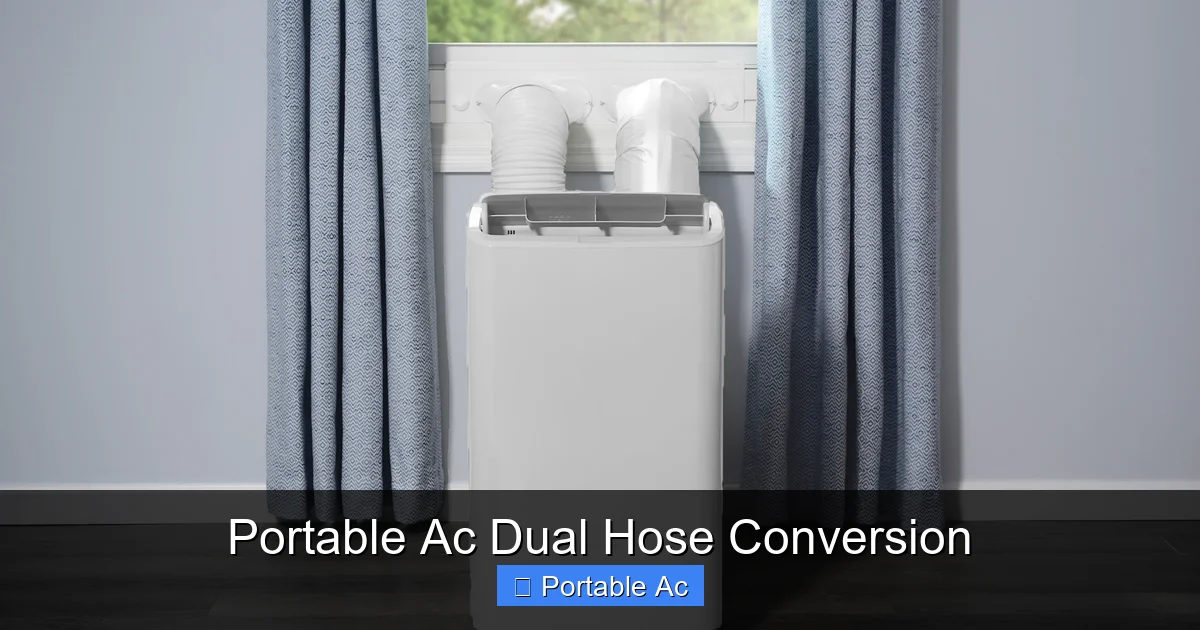
Visual guide about Portable Ac Dual Hose Conversion
Image source: s3.amazonaws.com
Converting your portable AC to dual hose may sound technical, but most kits are designed for DIY installation. Here’s what typically happens:
Step 1: Verify Compatibility
Check your AC’s model number and look for dual hose compatibility on the manufacturer’s website or in the user manual. Some popular brands like LG, Frigidaire, and Whynter offer official conversion kits.
Also measure the diameter of your existing hose outlet (usually 5 inches). Standard dual hose adapters fit most models, but confirm before buying.
Step 2: Purchase the Right Kit
Look for a dual hose conversion kit that includes:
– Two flexible hoses (one inlet, one outlet)
– Window mounting brackets
– Sealing strips or foam insulation
– Adapters to fit your AC unit
Avoid generic kits—opt for ones specifically tested with your AC brand for best results.
Step 3: Remove the Existing Hose
Carefully disconnect the single exhaust hose from both the AC unit and the window bracket. Keep the old hose in case you want to revert later.
Step 4: Install the Dual Hose Adapter
Attach the new dual adapter to your AC’s exhaust port. Make sure it seals tightly to prevent leaks.
Step 5: Route Both Hoses Through the Window
Use the provided brackets to secure one hose on each side of the window frame. Ensure the inlet hose faces outward (to bring in cool air), and the outlet hose exits the room (to vent hot air).
Seal gaps around the window with foam tape or weather stripping to avoid drafts.
Step 6: Test and Adjust
Turn on your AC and listen for unusual noises. Check that both hoses are securely attached and not kinked. Within minutes, you should feel a difference in cooling power and airflow.
Need help installing? Our guide on how to install portable AC exhaust hose covers common pitfalls and pro tips.
—
Best Portable ACs That Support Dual Hose Conversion
Visual guide about Portable Ac Dual Hose Conversion
Image source: s3.amazonaws.com
While many modern portable ACs come with dual hose built-in, some older models require aftermarket upgrades. If you’re shopping for a new unit or planning a retrofit, consider these top-rated options known for easy dual hose integration:
– LG LP1419WSV: Includes dual hose system from day one; highly efficient and quiet.
– Frigidaire FHPC104QC2: Supports dual hose via optional kit; great for medium-sized rooms.
– Whynter ARC-14S: Dual hose standard; excellent dehumidification and energy rating.
Even if your current unit isn’t listed here, search online for “dual hose conversion kit [your AC model]” to find compatible accessories.
Pro tip: Pair your dual hose setup with proper insulation around the hose path. Learn more about how to insulate portable AC hose to minimize heat gain and improve performance.
—
Common Mistakes to Avoid During Installation
Even experienced DIYers make errors when setting up dual hose systems. Watch out for these frequent missteps:
– Using the Wrong Hose Length: Too long or too short hoses create pressure imbalances. Stick to recommended lengths (usually 5–7 feet).
– Kinking or Bending Hoses Excessively: Sharp bends restrict airflow and reduce efficiency. Use gentle curves and support clips if needed.
– Failing to Seal Window Gaps: Drafts let warm air back in, negating the benefits of dual hosing.
– Installing Inlet and Outlet Hoses Backwards: Always route the cooler air hose inward and hot air outward.
– Overlooking Maintenance Needs: Clean filters regularly—dual hose units still rely on internal components.
If you’re unsure about any step, consult our beginner-friendly guide on best portable AC for easy installation.
—
Maintenance Tips for Long-Lasting Performance
Once your dual hose system is installed, keeping it running smoothly is key. Follow these simple maintenance routines:
– Clean or replace air filters every 2–4 weeks during heavy use.
– Inspect hose connections monthly for cracks or looseness.
– Vacuum the condenser coils annually (or as needed) to prevent dust buildup.
– Drain the water reservoir regularly—even dual hose units produce condensation.
– Store the system properly during off-seasons: cover it, drain all water, and keep hoses straight.
Regular upkeep ensures your portable AC maintains peak efficiency and avoids unexpected breakdowns.
—
Is Dual Hose Conversion Worth It? Final Verdict
Absolutely—if you already own a compatible portable AC and value better cooling, quieter operation, and lower energy costs. The initial investment in a dual hose kit (typically $30–$80) pays for itself within months through reduced electricity usage and improved comfort.
For those buying new, choose a portable AC with dual hose built-in right away. It’s a small price premium for a big performance gain.
Whether you’re cooling a city apartment, a home office, or a temporary rental space, upgrading to dual hose makes a tangible difference. And with today’s affordable kits and clear installation guides, there’s never been a better time to make the switch.
Ready to take the plunge? Start by checking your AC model’s compatibility—then grab your tools and get ready to enjoy cooler, drier, and more efficient air conditioning all summer long.
—
Frequently Asked Questions
What is the main benefit of a dual hose portable AC?
The primary advantage is improved cooling efficiency and reduced humidity. By bringing in fresh outdoor air and expelling hot air separately, the system avoids pulling warm indoor air back into the room.
How do I know if my portable AC supports dual hose conversion?
Check your owner’s manual or search online for “dual hose compatible” along with your exact model number. Look for units with two external hose ports or official manufacturer conversion kits.
Does dual hose conversion void my warranty?
Using third-party conversion kits may void parts of your warranty unless approved by the manufacturer. Always verify compatibility and seek official kits when possible.
Can I install a dual hose system myself?
Yes, most DIYers can complete the installation in under an hour using standard tools. Follow the kit instructions carefully and ensure proper sealing at the window.
Will dual hose increase my electricity bill?
No—it typically lowers your bill due to higher efficiency. Dual hose systems require less energy to achieve the same cooling effect as single hose units.
Are there portable ACs that don’t need hoses at all?
Yes! Some advanced models use evaporative or thermoelectric cooling and don’t require external hoses. Explore options like best portable AC that works without hose for draft-free alternatives.
